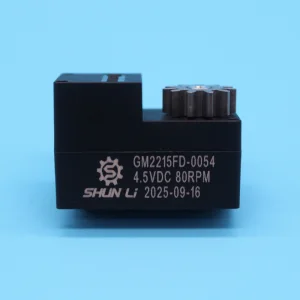
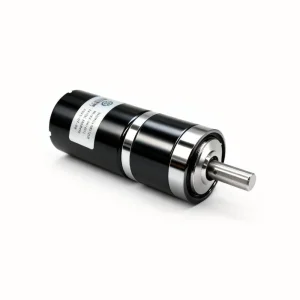
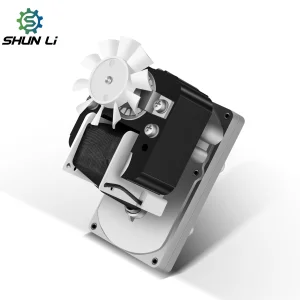
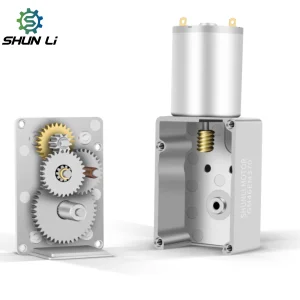
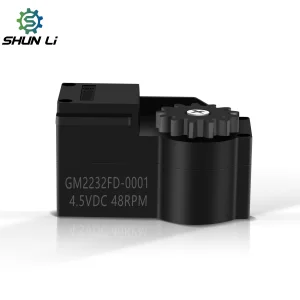
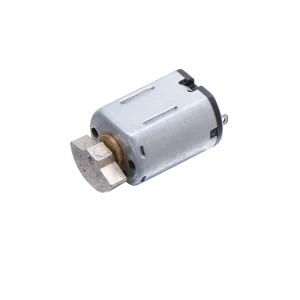
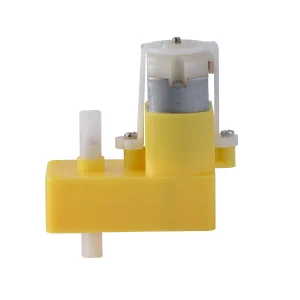
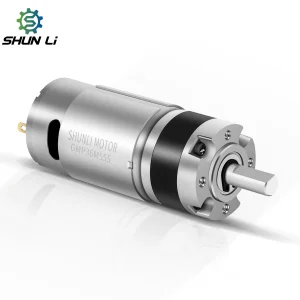
Hot Sale Gear Motors: Featured Precision Drive Series
Engineered to global quality directives with CE certification. Explore high-performance micro reducers and geared motors.
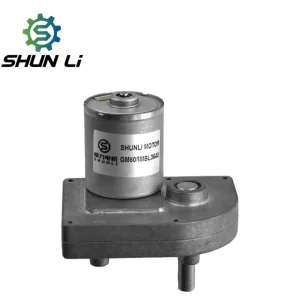
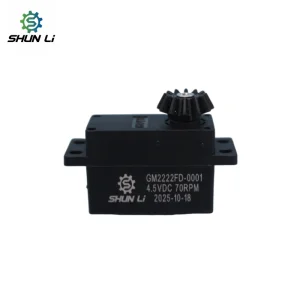
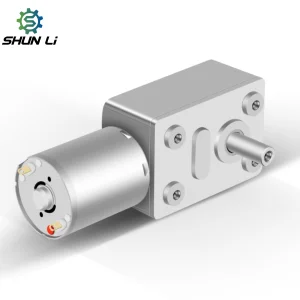
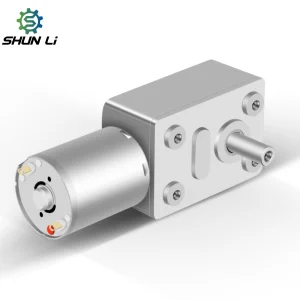
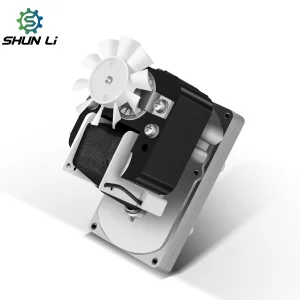
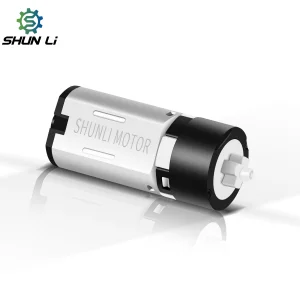
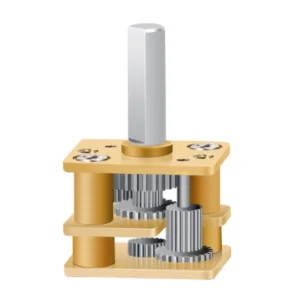
The Core of Precision Motion: Inside Vira Micromotor
At Vira Micromotor, we believe that the trend toward miniaturization shouldn't mean a compromise in power. As a premier manufacturer specializing in high-performance Micro DC Motors, DC Gear Motors, and Brushless DC Motors (BLDC), we have spent twenty years mastering the science of miniature motion control.
From our state-of-the-art, ISO9001-certified manufacturing facility, Vira Micromotor bridges the gap between China’s supply chain efficiency and global technical standards. Our micro-drives are chosen globally by product designers and procurement managers in smart home automation, automotive electronics, medical hardware, and robotics for their exceptional power-to-size ratio, whispering-quiet acoustics, and ultra-long lifespans.
We don’t just stamp out standard components—Vira Micromotor thrives on flexible OEM/ODM custom-engineered solutions. Powered by an elite in-house R&D team holding multiple drive-tech patents, we provide rapid prototyping and seamless technical collaboration. From specific voltage tuning and specialized gear ratios to custom shaft modifications, we engineer the precise Vira Micromotor around which your next innovation will revolve.
1. Global Market Dynamics: The Rising Demand for High-Torque Miniaturization
The global industrial landscape is experiencing a paradigm shift towards intelligent automation and electrification. At the center of this movement lies the micro gear motor. Industry analysts report a robust compound annual growth rate (CAGR) for micro-drives, propelled by the massive growth in automotive infotainment, smart home locks, precision agricultural equipment, and compact robotic joints.
In highly regulated markets like Europe and North America, CE certification is not merely a legal checkbox; it represents safety, electro-magnetic compatibility (EMC), and environmental responsibility. Geared motors built by certified manufacturers ensure that electronic noise does not disrupt surrounding wireless infrastructure, and that under high mechanical stress, the drives operate reliably without failure.
2. Unlocking Supply Chain Efficiency: The China Factory Advantage
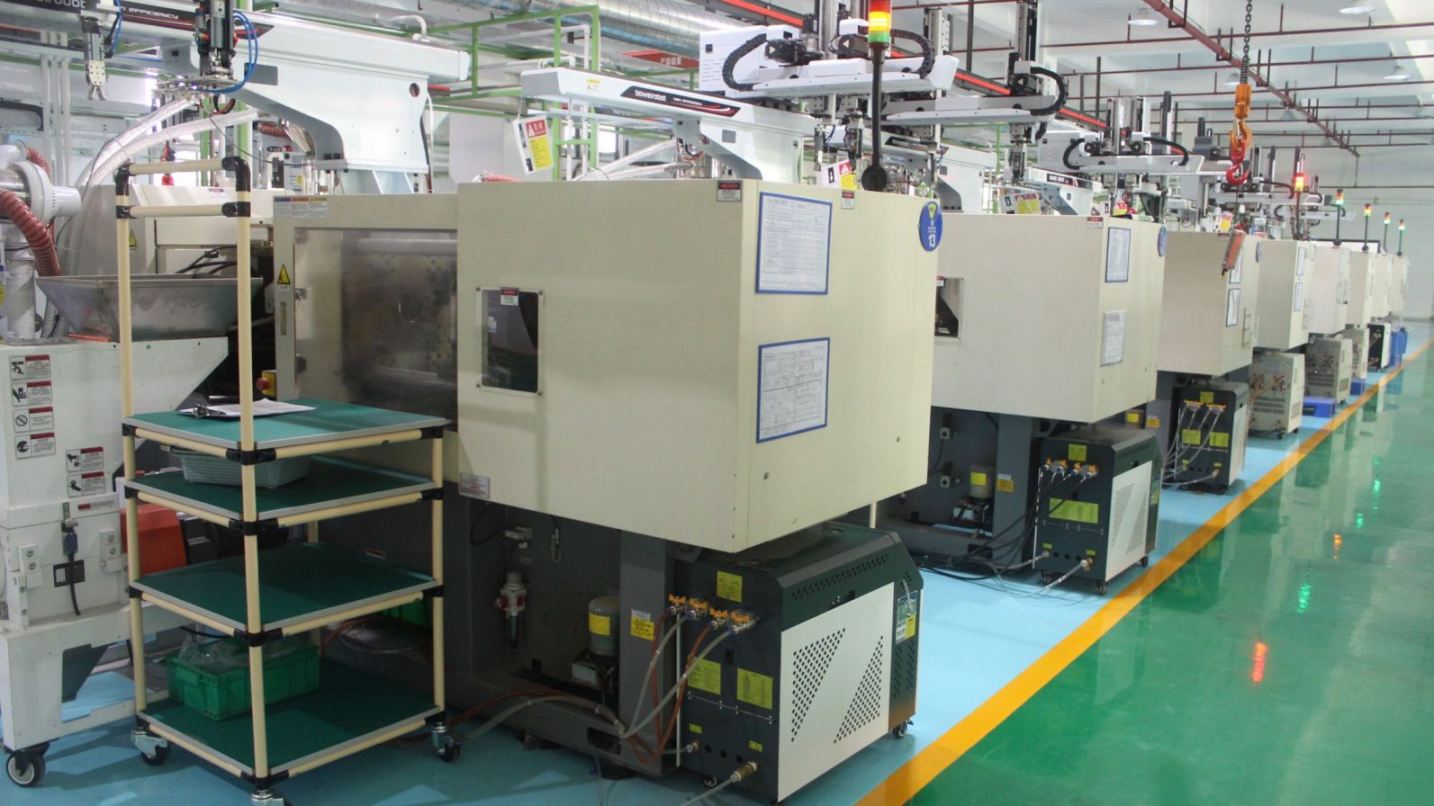
Why do global enterprises procure gear motors from China? The answer lies in the concentrated ecosystem of metallurgical raw materials, high-precision machining plants, and automated assembly operations. At Vira Micromotor, we utilize this vertical integration to offer advanced drive technology at a highly competitive cost-to-performance ratio.
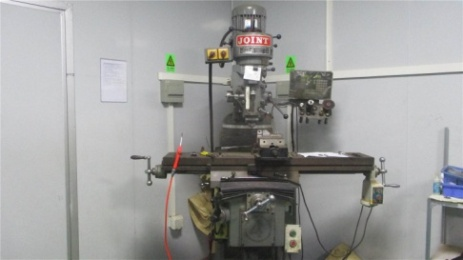
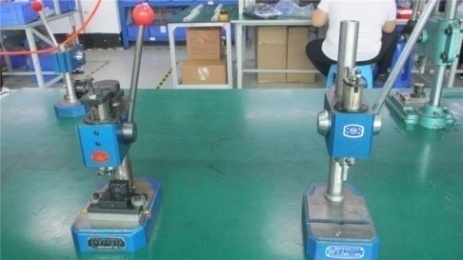
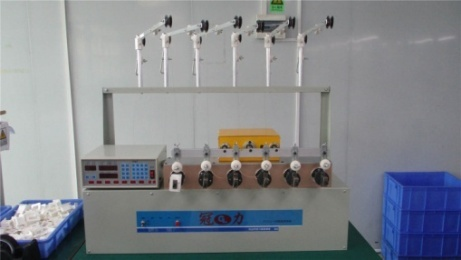
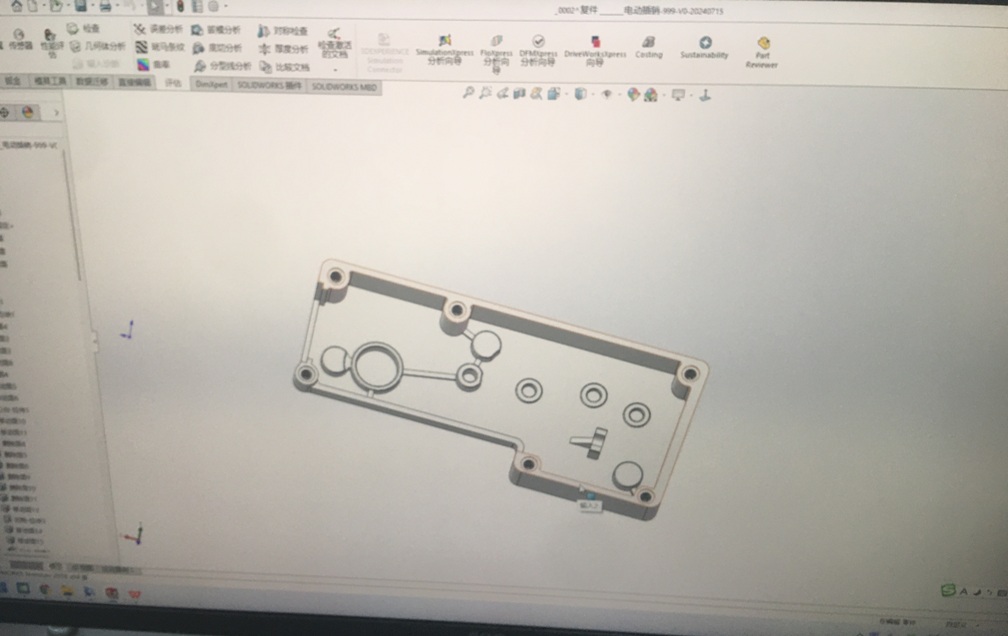
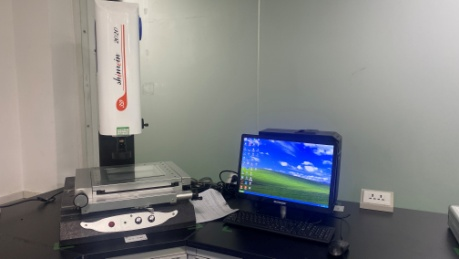
Our facility houses high-end gear-hobbing systems, computer wire-winding units, and automated inspection instruments, ensuring that mechanical clearances are held to the micron scale. By maintaining strict oversight from design to packaging, we eliminate standard production friction points, accelerating the transition from proof-of-concept prototype to container-scale manufacturing.
Advanced Metallurgical Quality
We utilize custom gear steel alloys and high-grade carbon-copper brushes to guarantee that every pinion gear teeth profile can withstand maximum radial load without premature tooth wear.
Automated Precision Machining
From CNC lathing machines to specialized EDM wire-cutting gear hobbers, we achieve high coaxial tolerances to secure smooth power transmission and extremely low acoustic profiles.
100% Parameter Testing
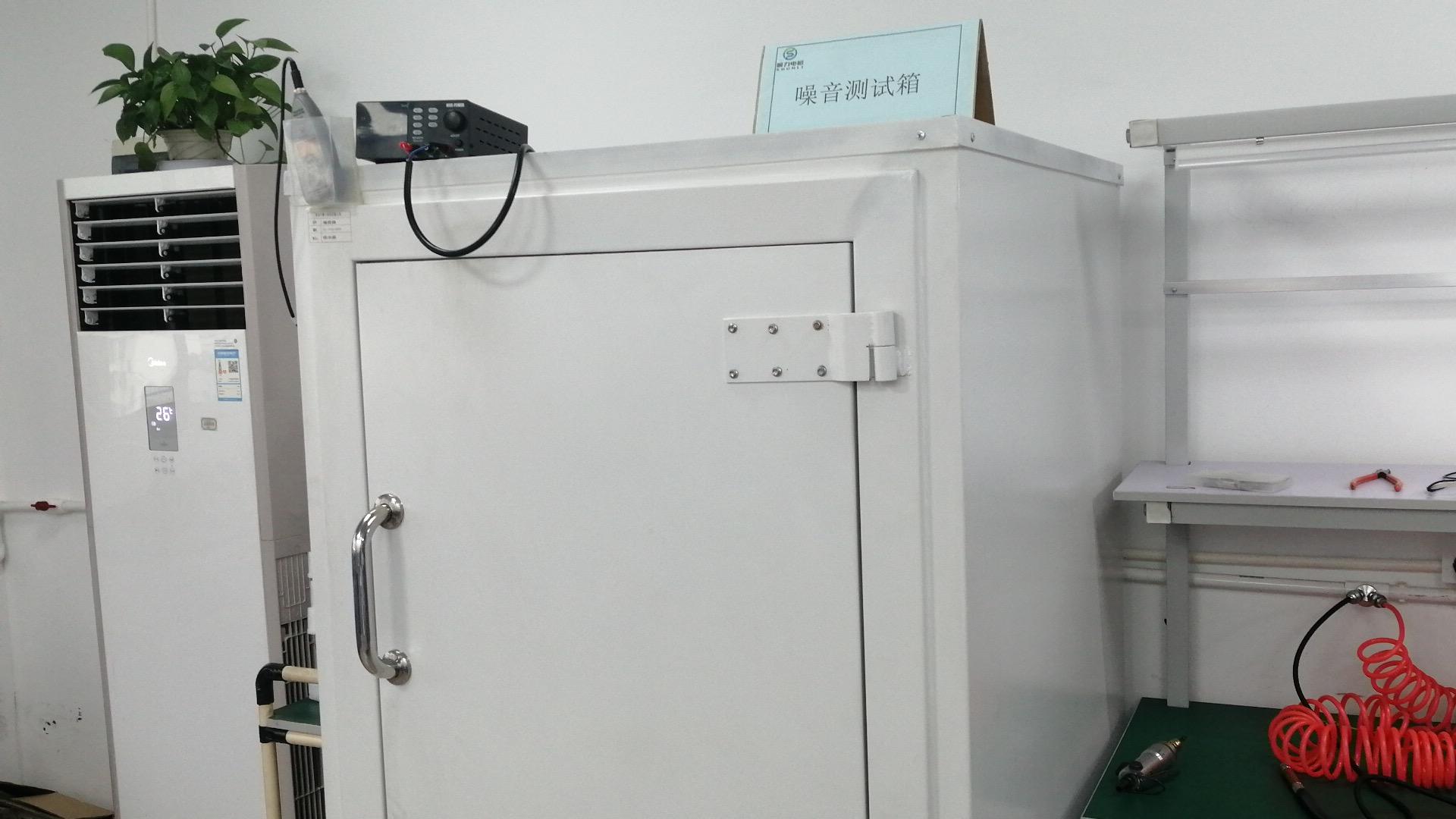
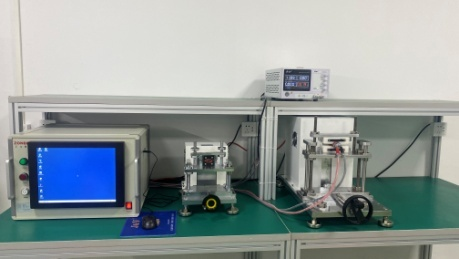
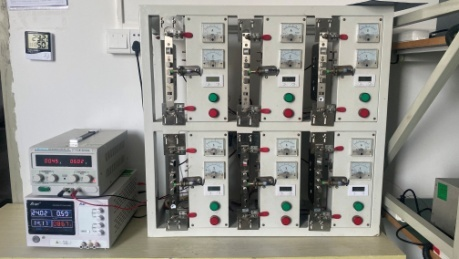
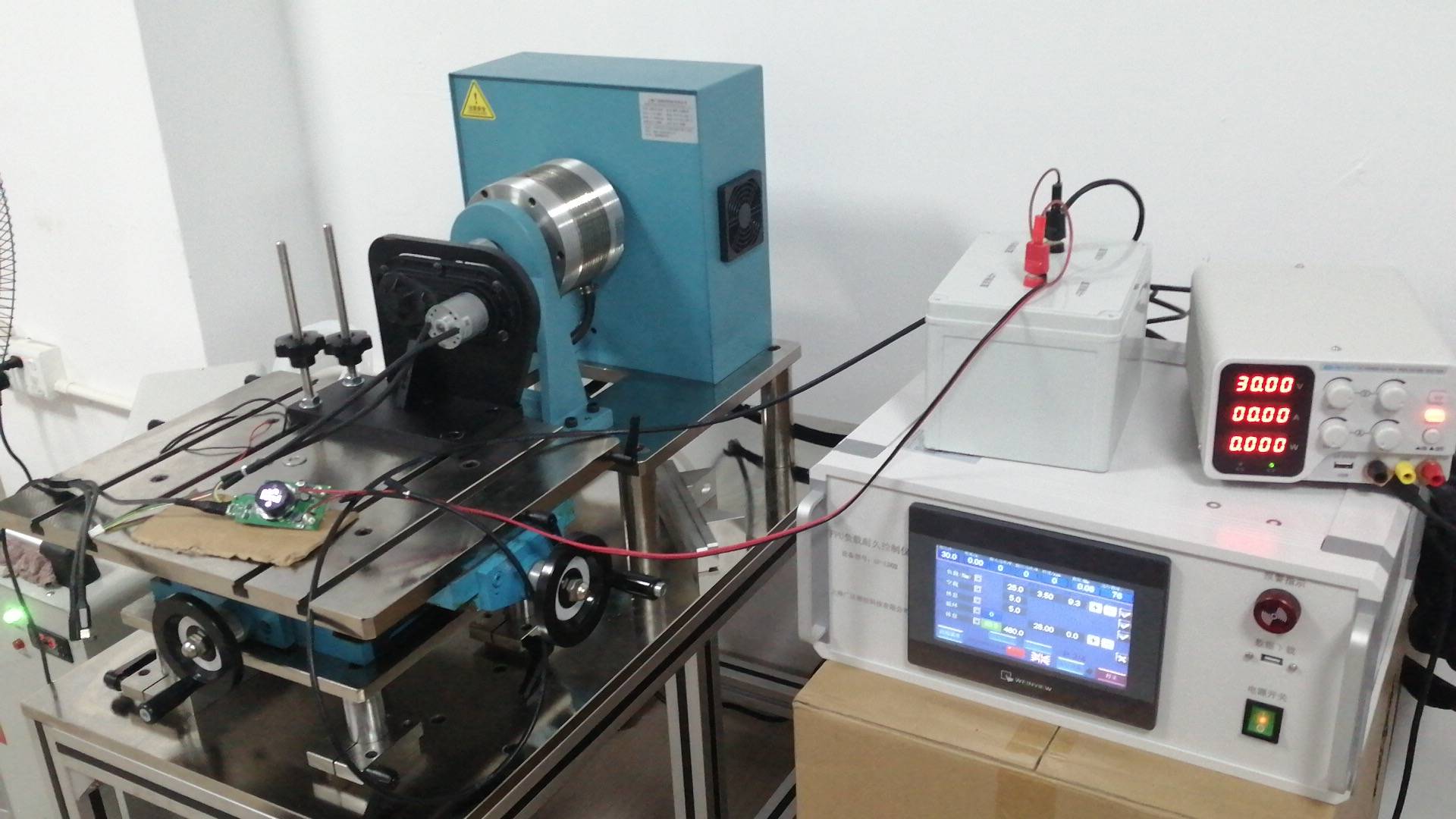
Before storage and packaging, every gear motor is routed through advanced dynamometers and noise chambers to guarantee that performance metrics align with the approved technical datasheet.
State-of-the-Art Production Processes & Quality Controls
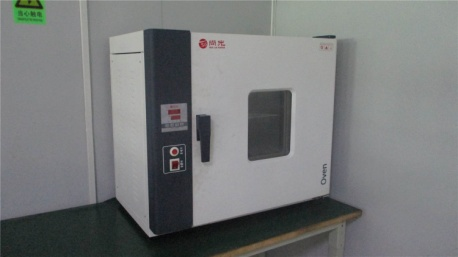
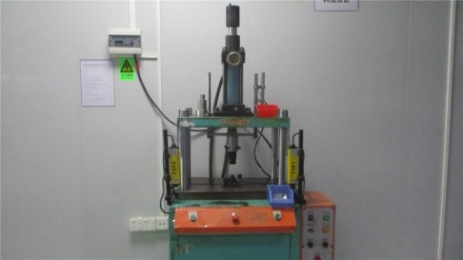
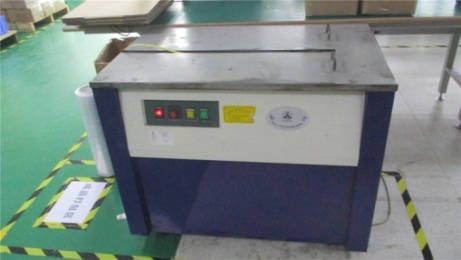
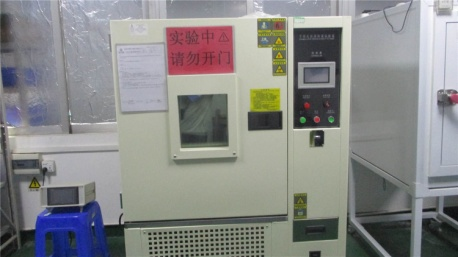
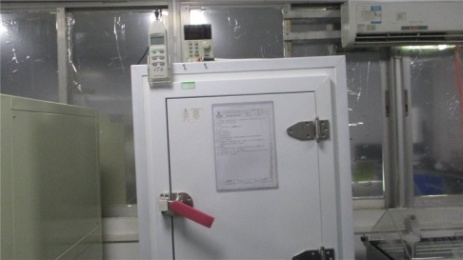
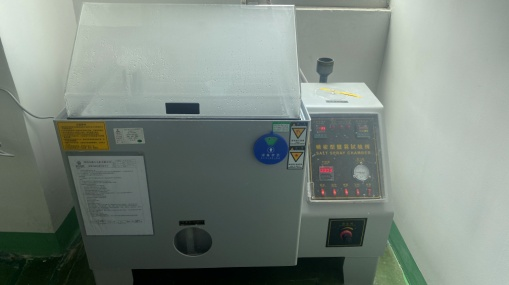
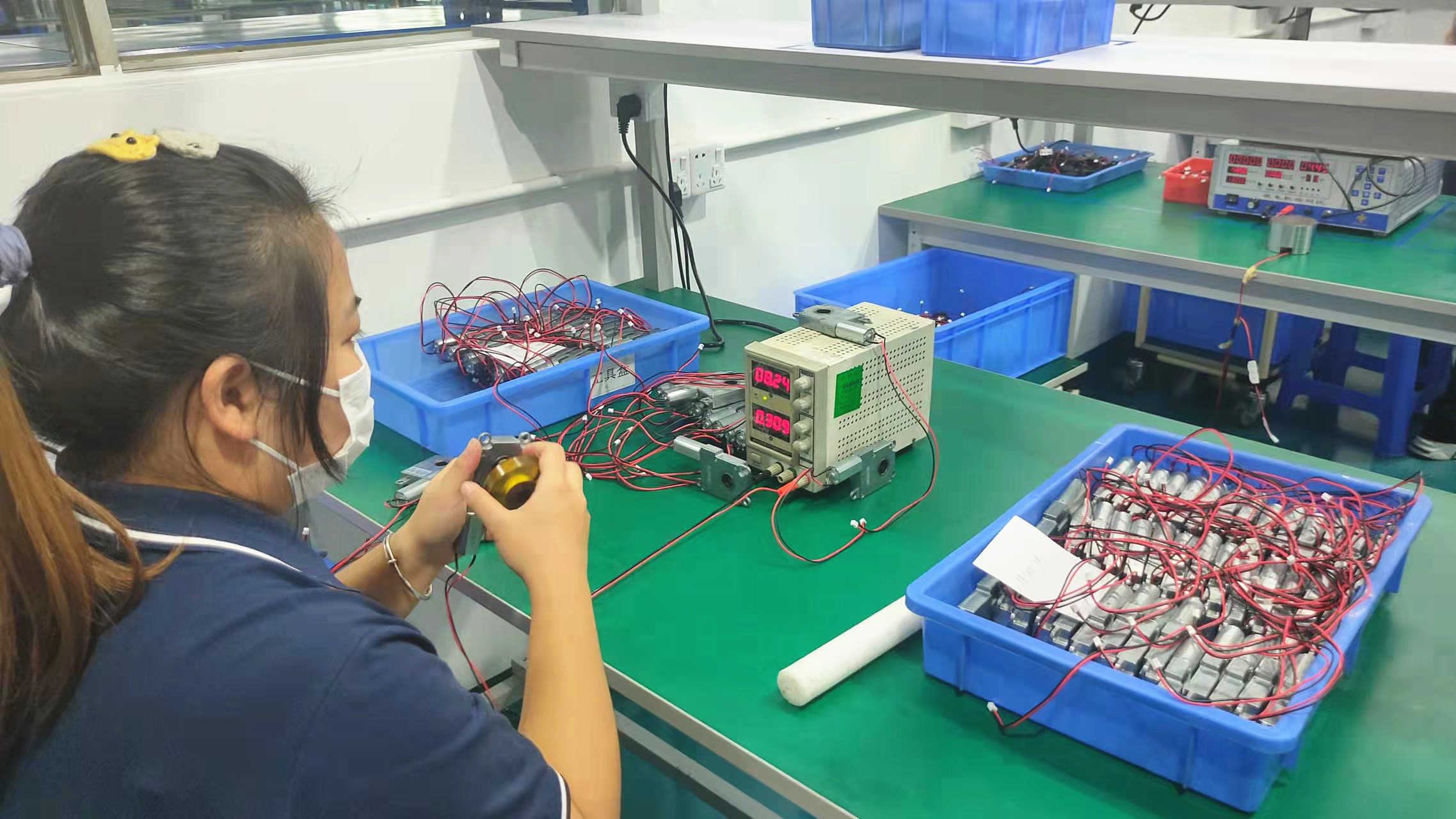
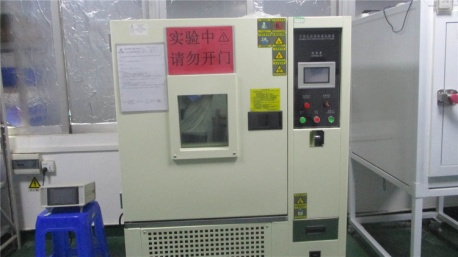
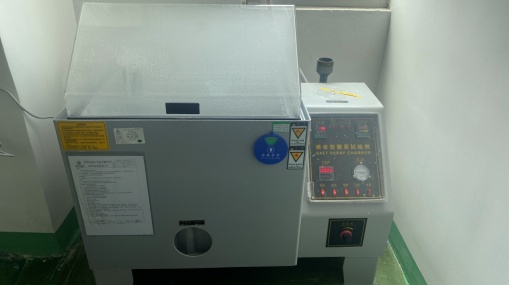
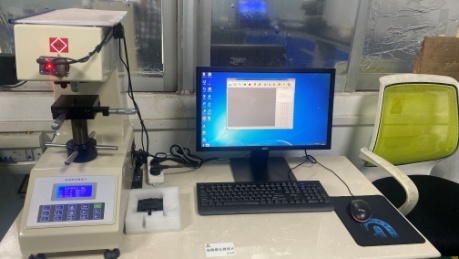
Vira Micromotor maintains rigorous quality gates throughout production, using world-class tooling and testing chambers.
Core Assembly & Production Processes
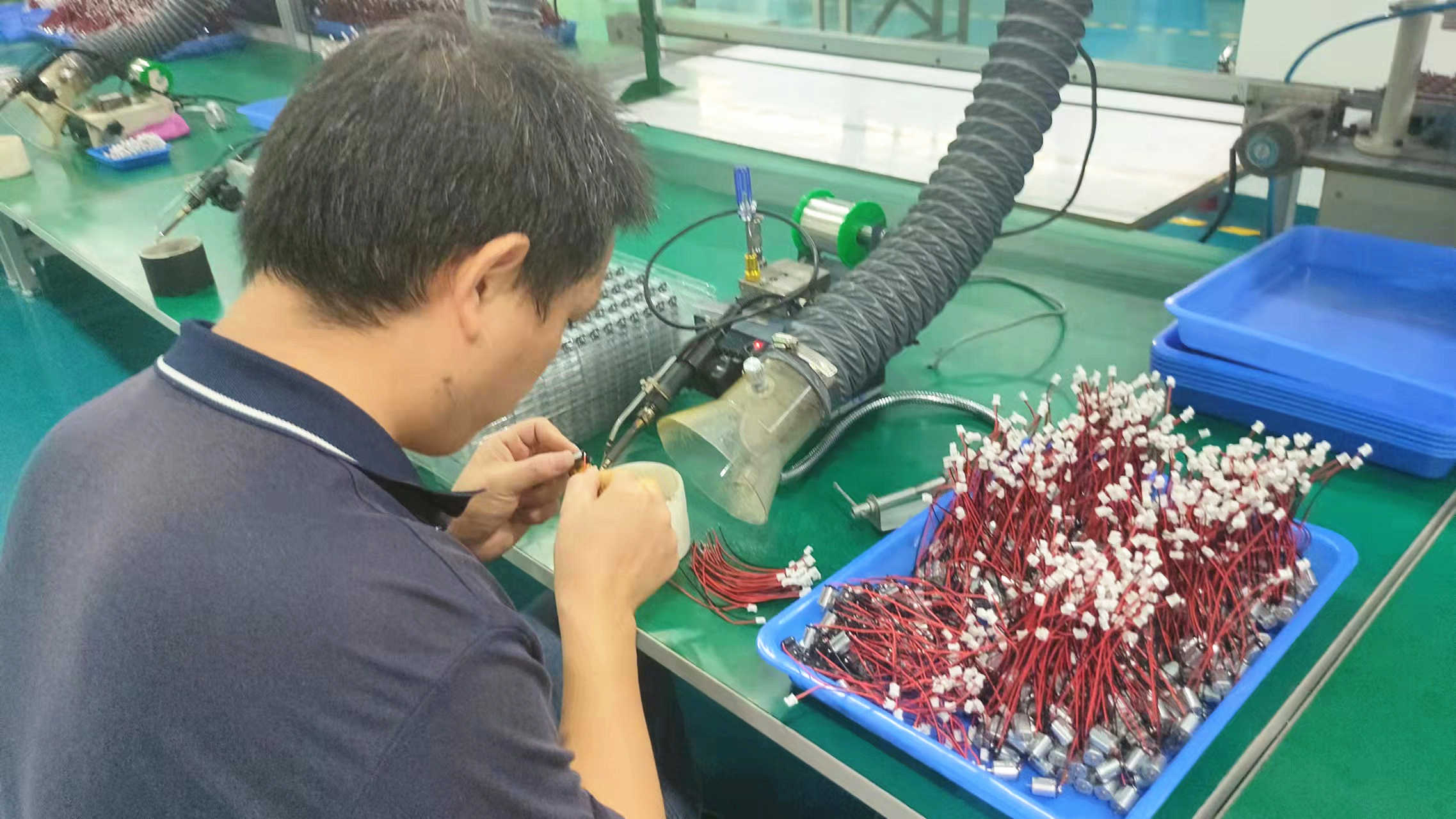
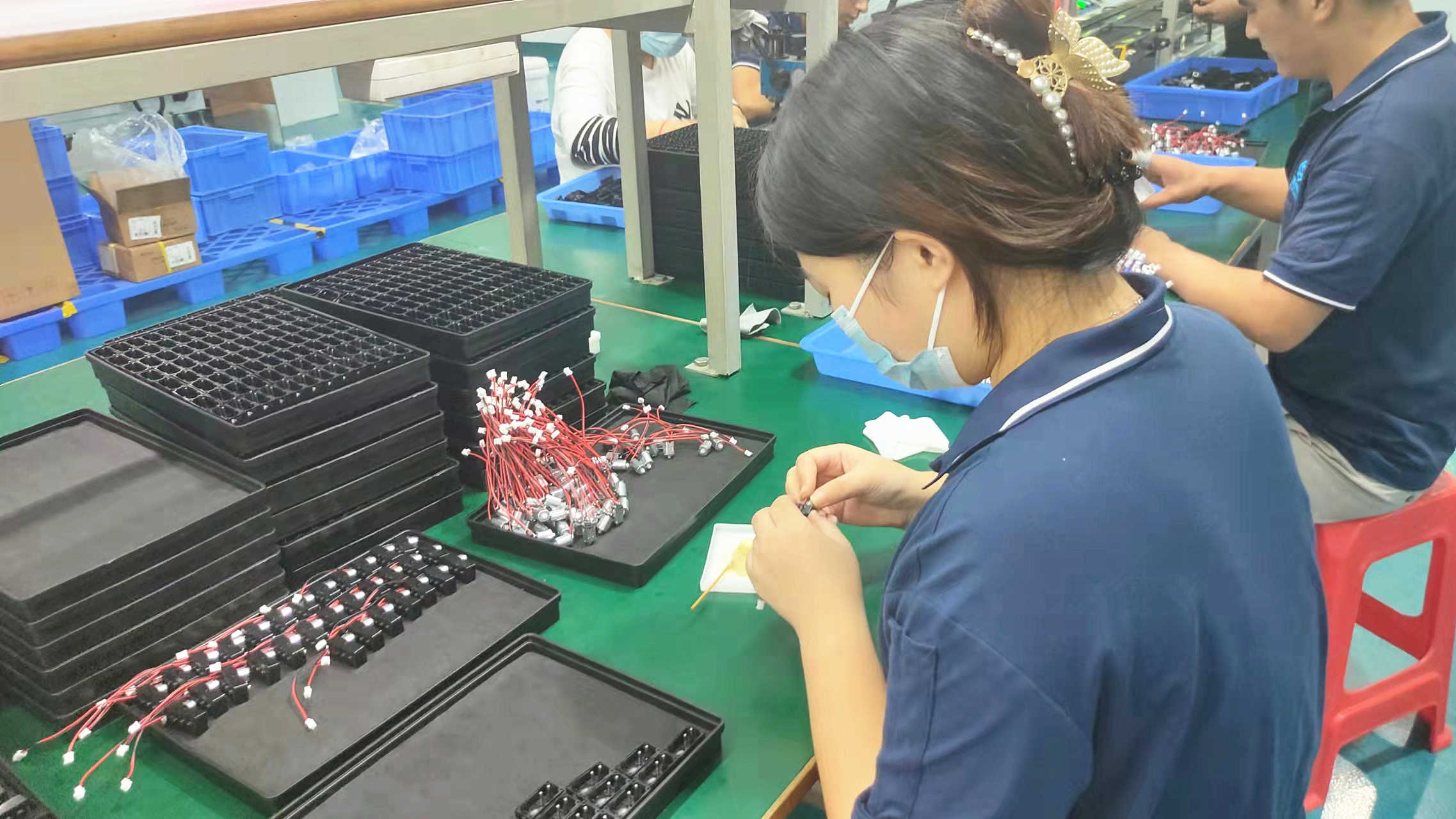
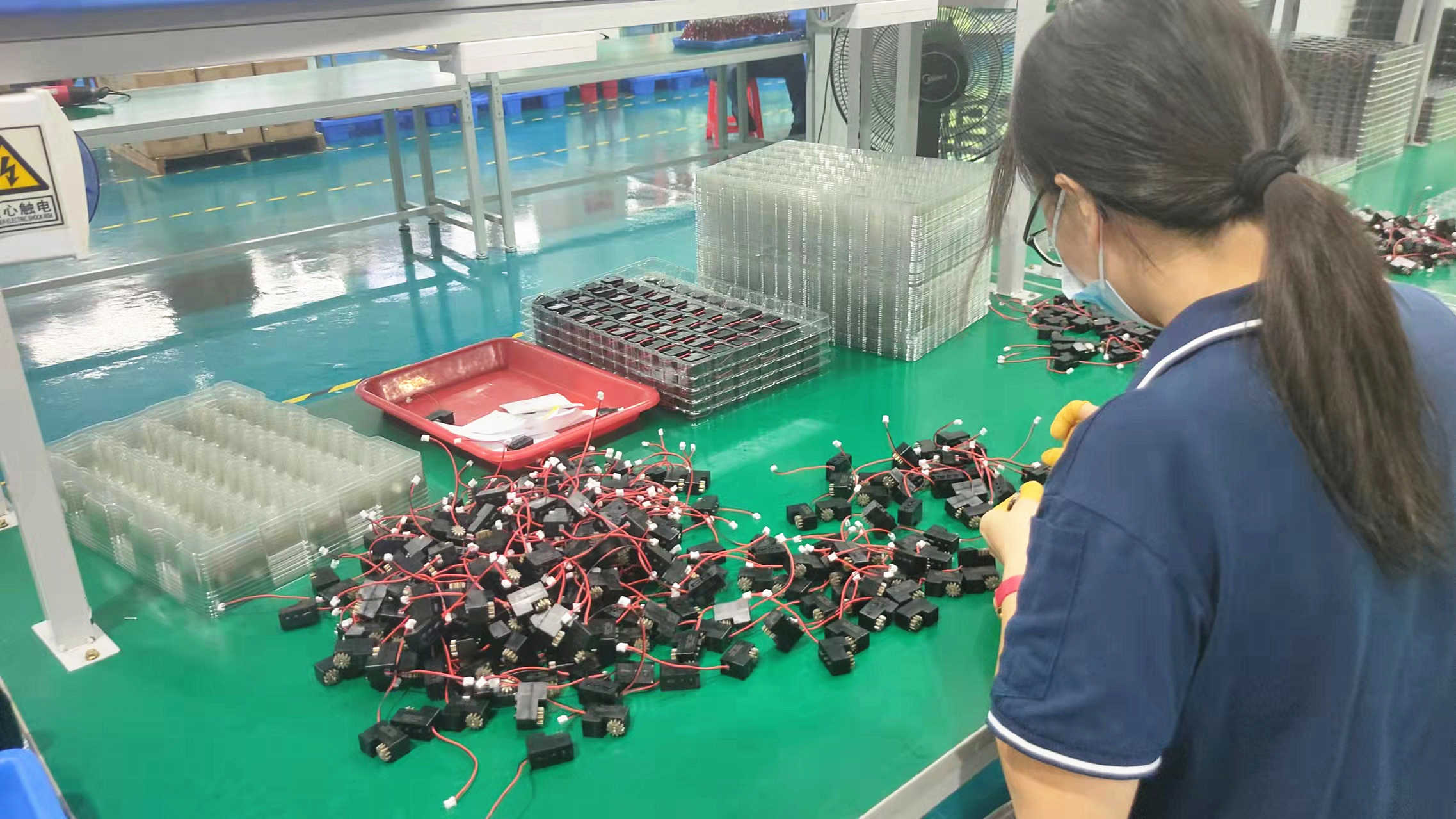
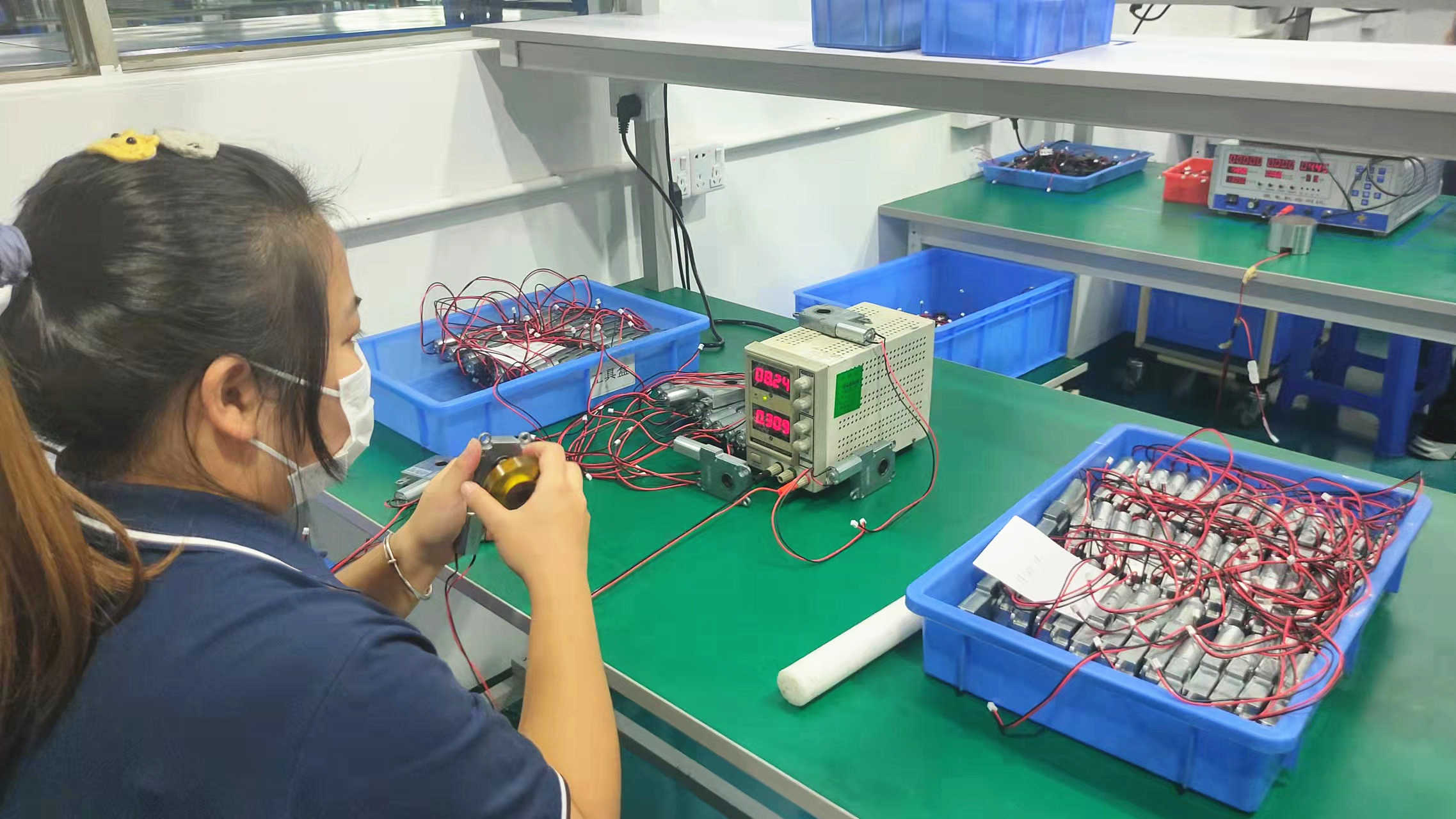
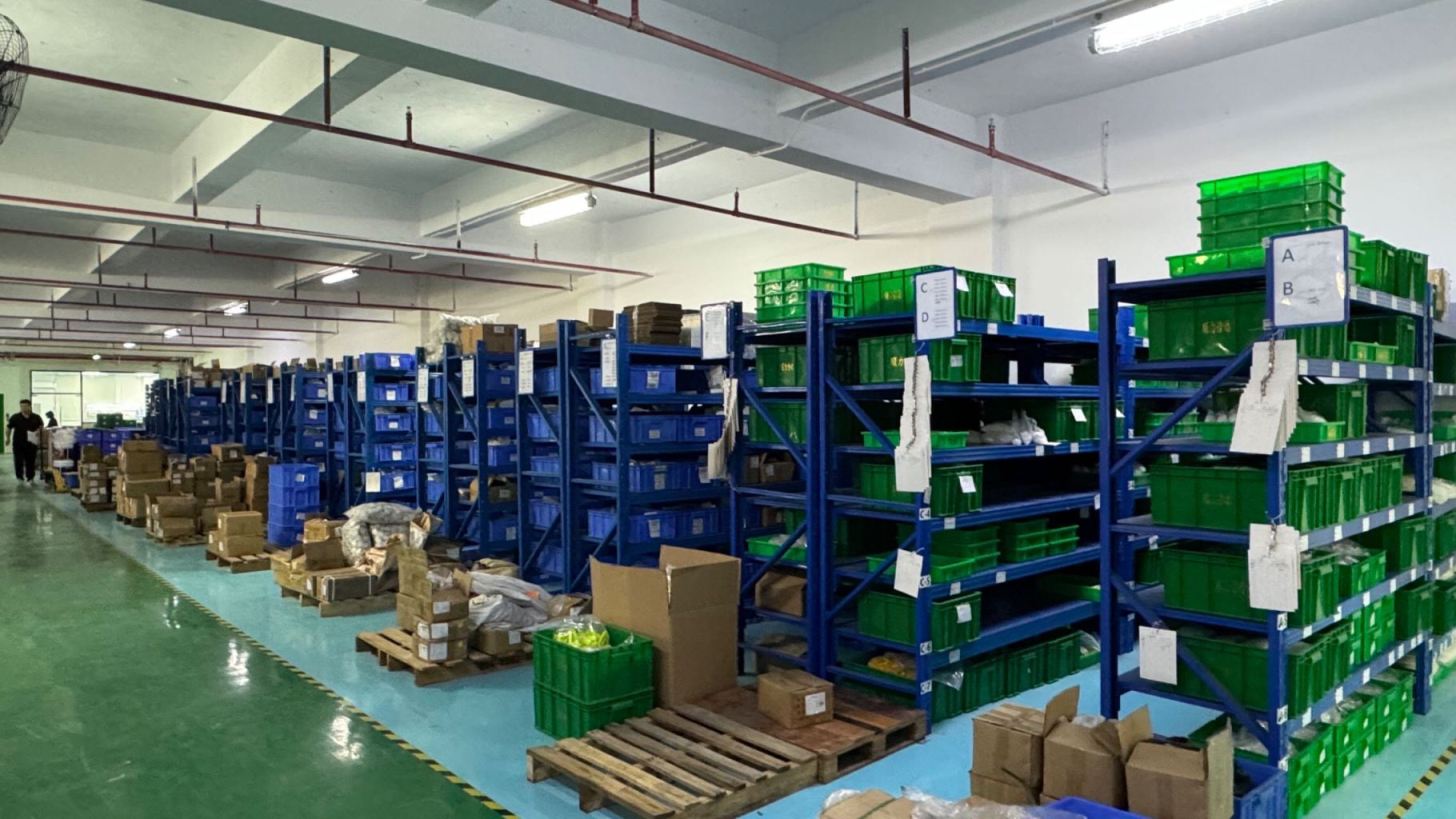
Advanced Precision Machining Fleet
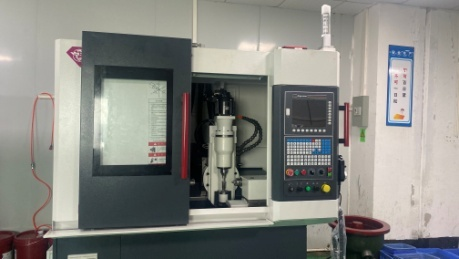
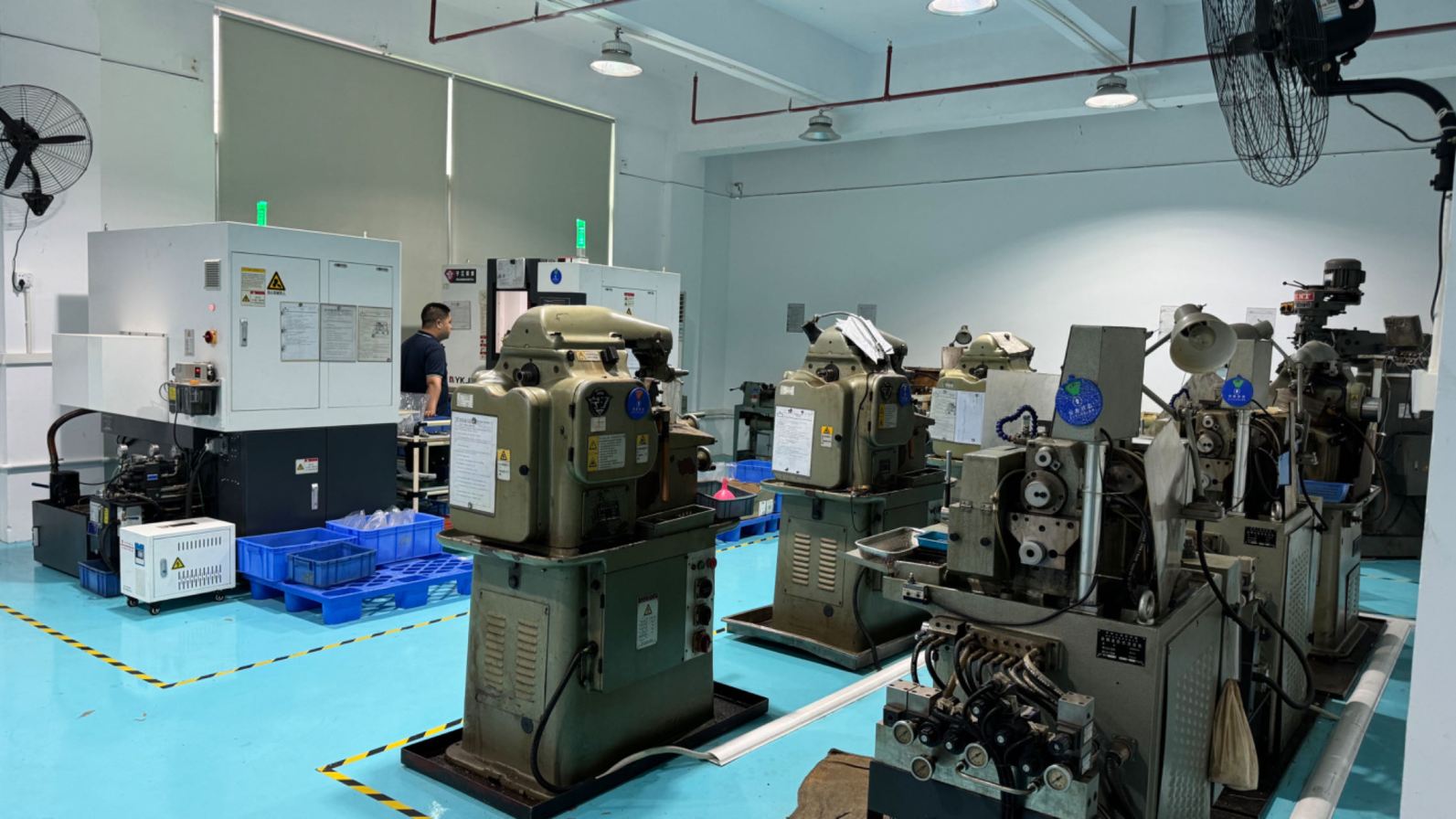
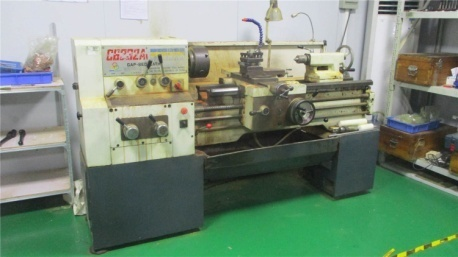
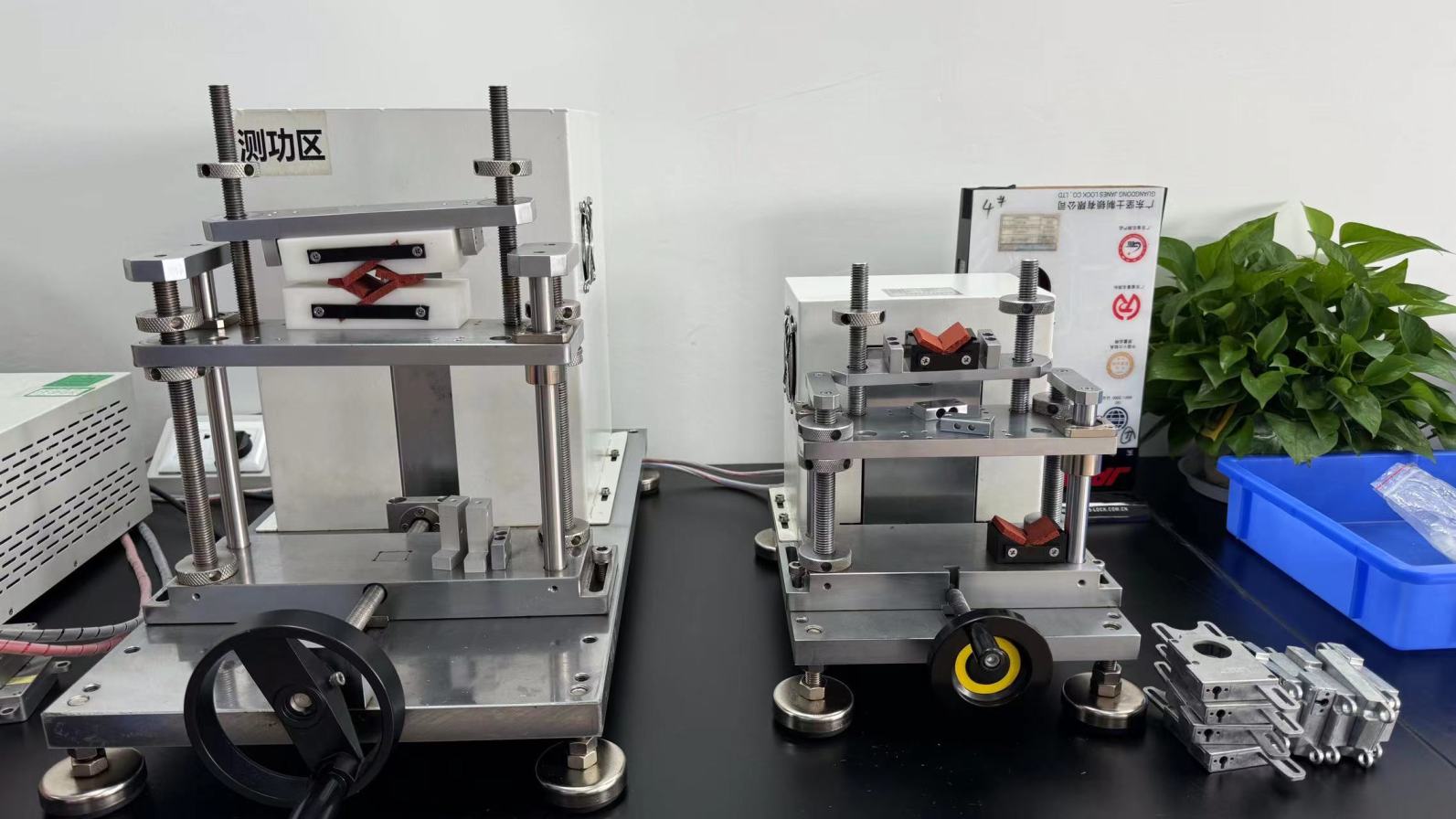
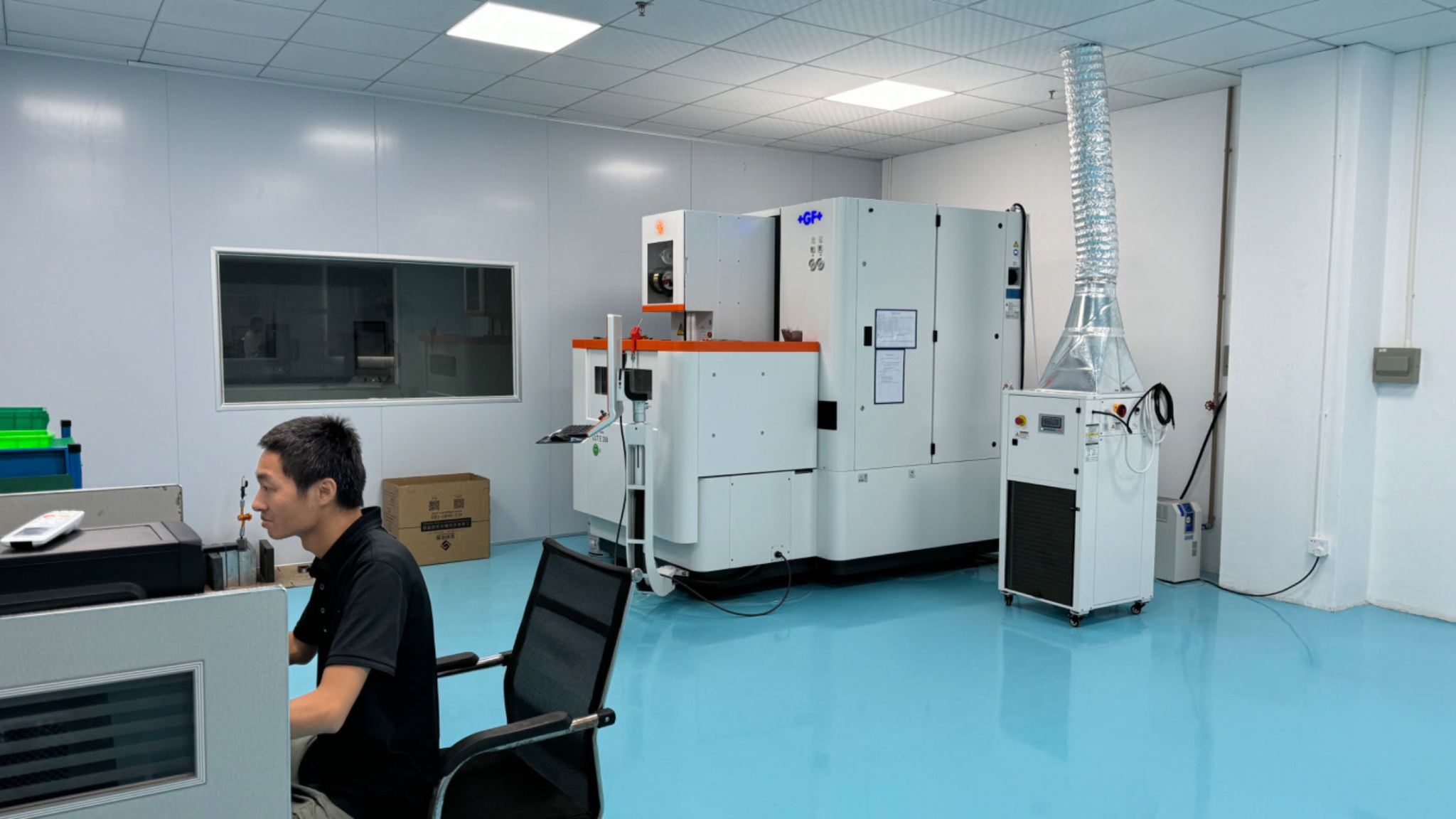
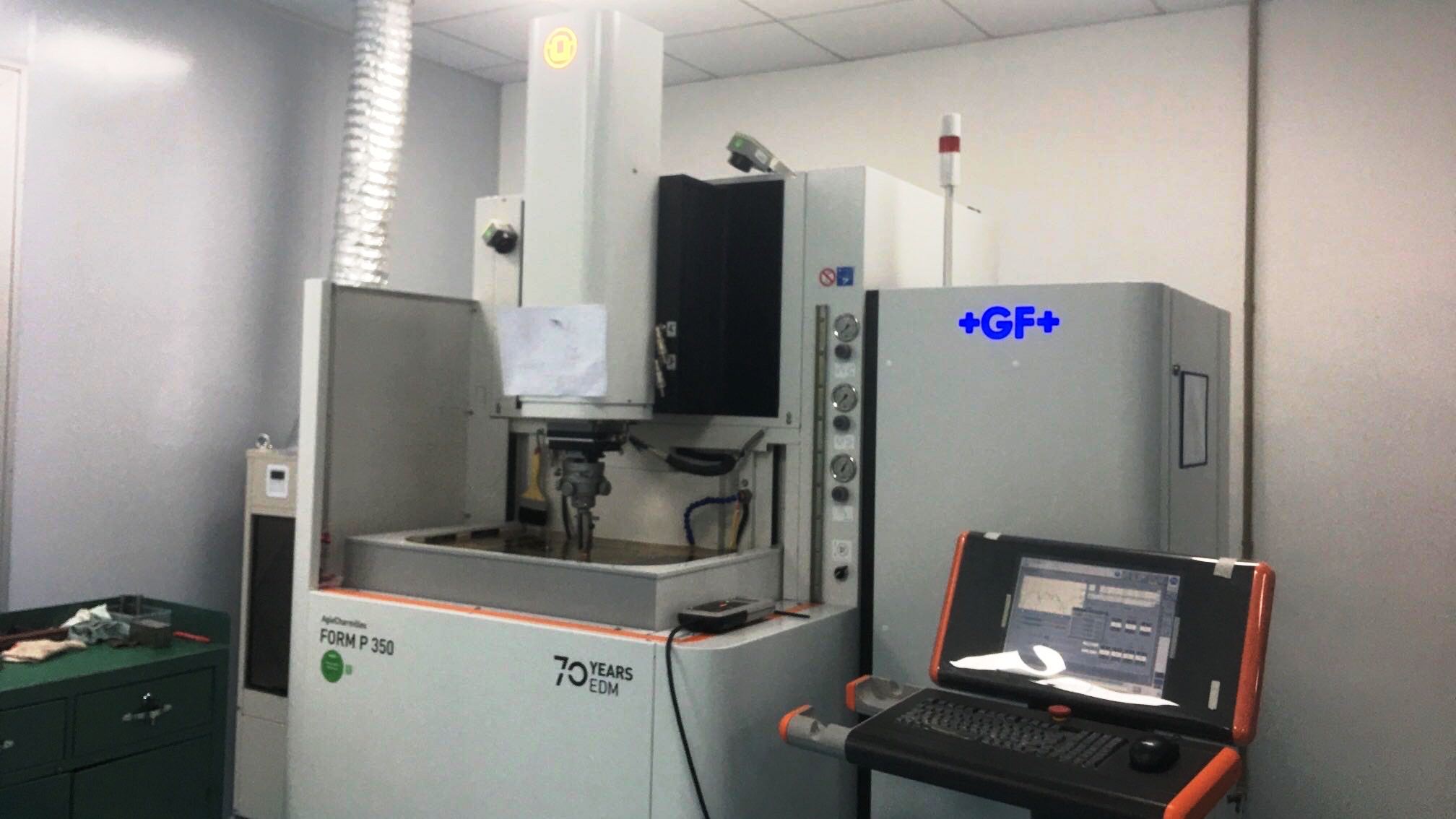
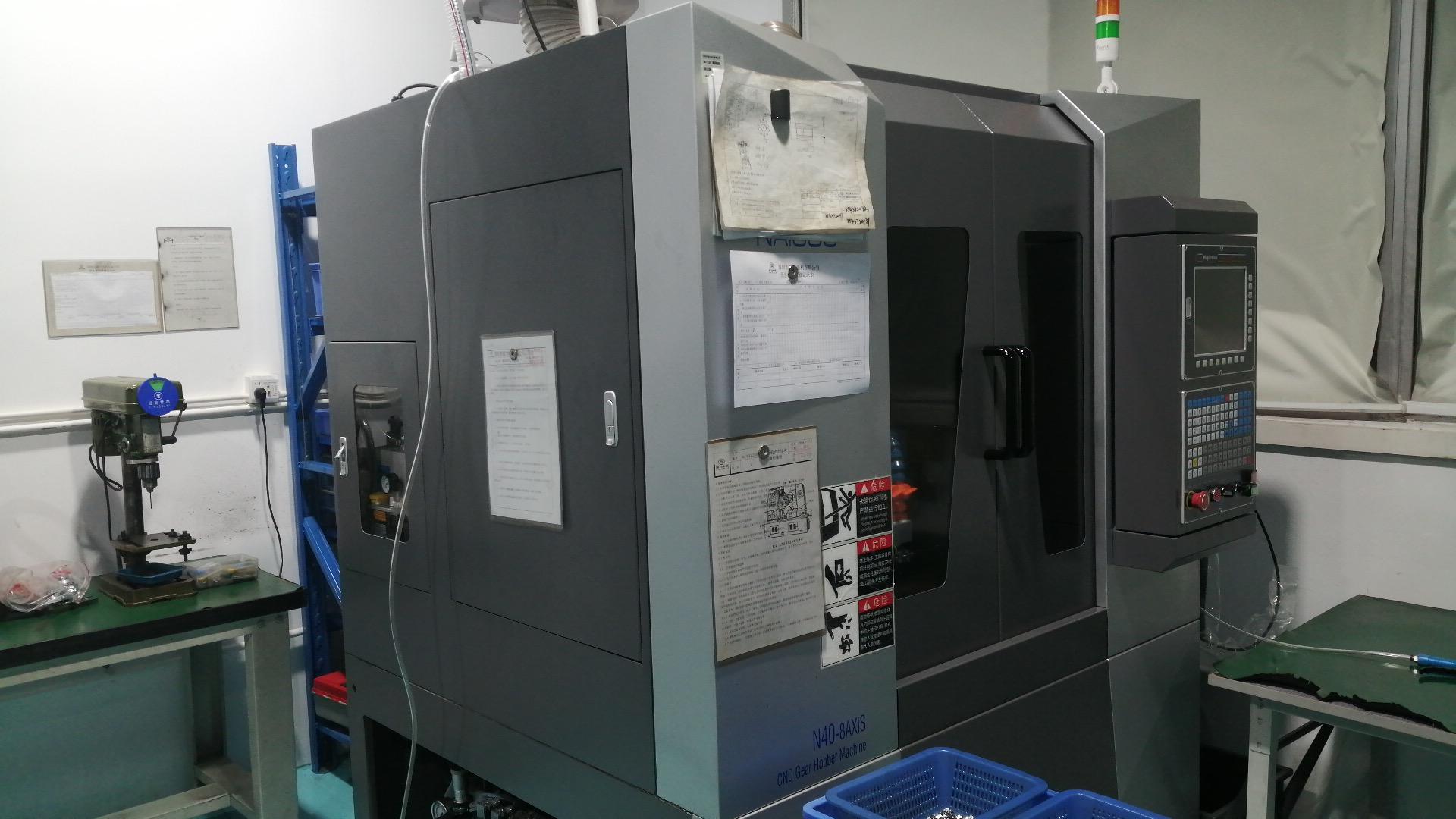
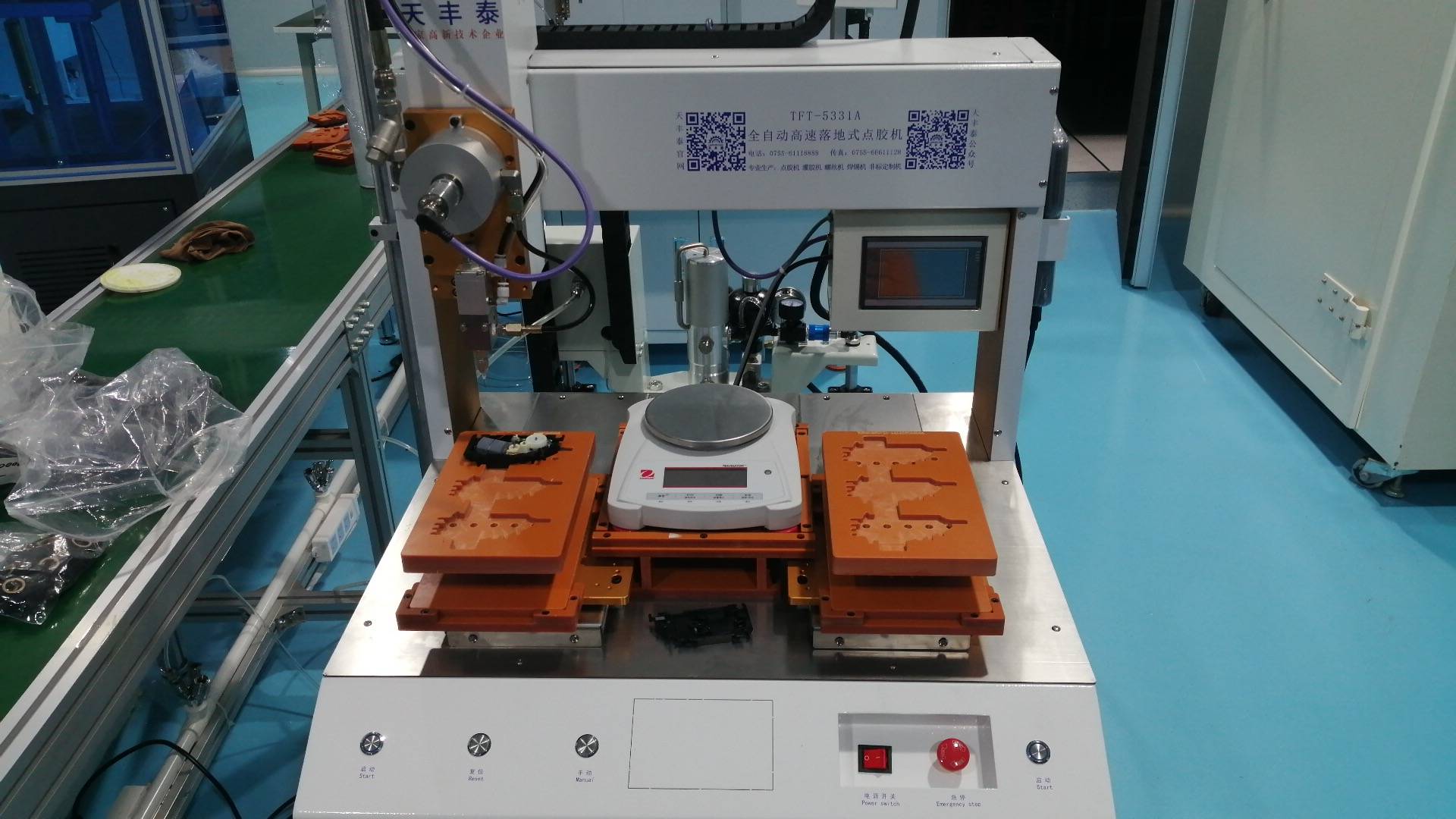
Inspection Laboratory & QA Testing Facilities
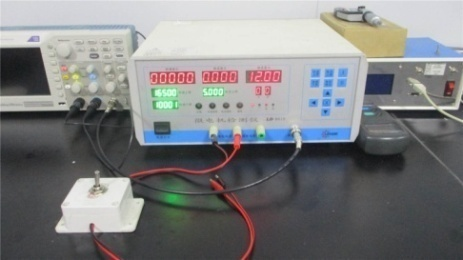
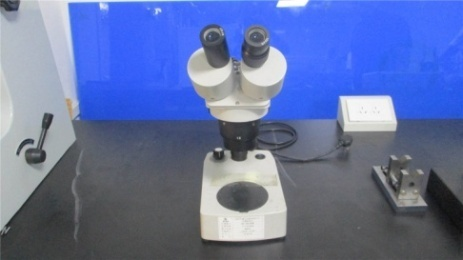
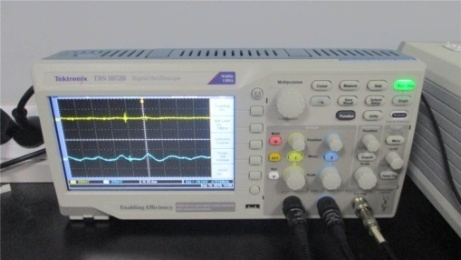
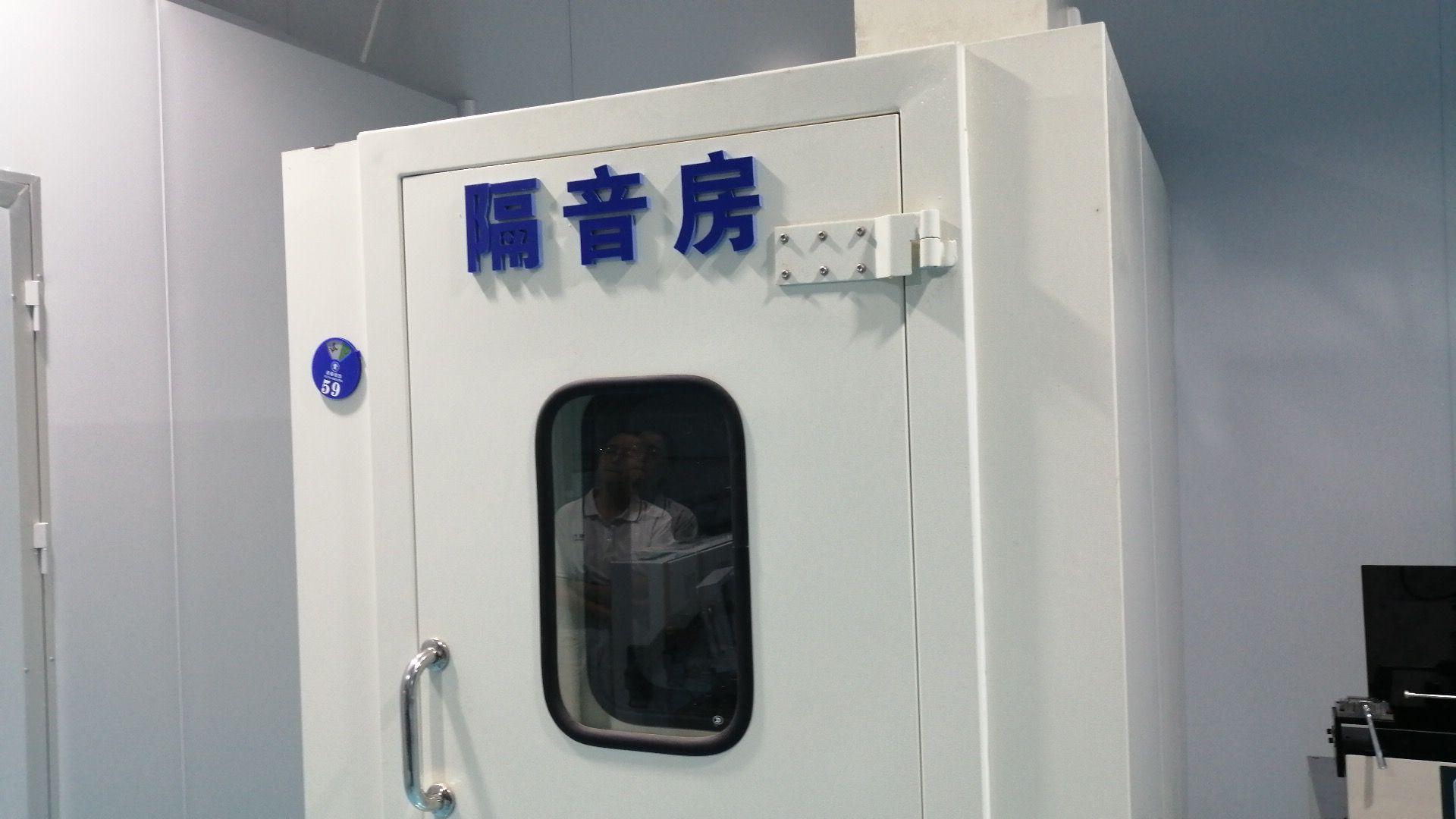
3. Localized Applications & Emerging Technical Trends
How industry-specific demands shape modern gear motor engineering.
Micro-drives are not monolithic; they are heavily engineered to adapt to highly specific environment-driven conditions. For example:
In high-density apartment blocks and commercial complexes, smart electronic deadbolts require space-constrained, high-torque micro gearboxes (such as the 12mm planetary or worm gearbox) that operate silently and can withstand over 100,000 actuation cycles without lubricant degradation.
Precision insulin pumps, localized drug delivery drives, and diagnostic apparatus rely on brushless DC (BLDC) planetary gearboxes. These applications demand extreme positioning resolution, zero backlash, and biocompatible dry-lubrication schemes to guarantee absolute safety.
Automotive designers specify custom 12V and 24V shaded pole or brushed gear motors to power automated vent louvers, lumbar supports, steering adjustment, and trunk lid liftgates under wide temperature limits (-40°C to +85°C).
Key Technological Trend: The Shift Towards Intelligent BLDC Integration
Standard brushed motors are increasingly being replaced by Integrated BLDC Gear Motors. By placing a drive controller inside the motor's rear housing, developers can monitor torque feedback, count shaft revolutions with Hall effect sensors, and receive preventative diagnostic warnings—crucial capabilities for IoT and industrial automation applications.
4. Strategic Procurement Guide: Specifying the Ideal Gearbox Configuration
A professional breakdown of planetary vs. worm gear systems to guide your engineering team's RFI/RFQ process.
When selecting a micro gear motor, engineering teams face critical decisions regarding torque density, power efficiency, and physical orientation. The table below represents the performance trade-offs commonly optimized by our custom engineering lab:
| Gearbox Type | Typical Efficiency | Torque Capability | Backlash Profile | Primary Mechanical Benefit |
|---|---|---|---|---|
| Planetary Gearbox | 80% - 95% | High (Coaxial load sharing) | Low (High precision options) | In-line shaft routing, maximum power density per unit volume. |
| Worm Gearbox | 40% - 70% | Medium-High (Shock load resistant) | Moderate | Self-locking capability, 90-degree shaft exit configuration. |
| Spur Gearbox | 70% - 90% | Low-Medium | Standard | Cost-effective, highly efficient at low torque applications. |
Before submitting your RFQ to Vira Micromotor, we recommend identifying key parameters: nominal operating voltage (e.g., 4.5V, 12V, 24V), expected stall torque, duty cycles (intermittent vs. continuous run), noise threshold limitations (measured in decibels inside our acoustic chambers), and terminal termination styles.
Frequently Asked Questions: Micro Gear Motor Sourcing & Technology
Insights to help procurement teams, engineers, and supply chain managers make informed decisions.
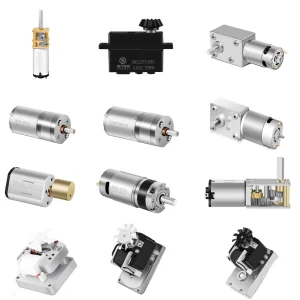
Explore Our Full Range of Certified Geared Motor Products
A complete technical product portfolio, designed for heavy duty applications, home appliances, and micro mechanical movements.