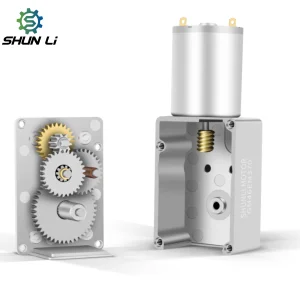
Micro Drive Performance Lineup
Premium grade micro DC gearboxes featuring customized reduction ratios, low backlash, and highly reliable self-locking gear geometries.
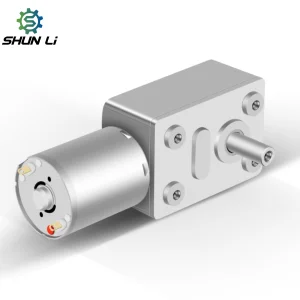
DC15W Micro Gear Motor Dual Shaft Single Shaft Worm Speed Adjustable DC Motor with Reduction 12V 90 Degree 12 V Dc Motor Brush
View Technical Specifications →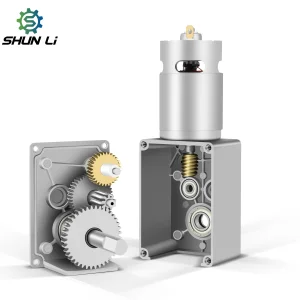
12v 24v Power High Torque 0.2N.M Low Rpm 5rpm 50rpm Dc Worm Gear Motor Dual Shaft for Vending/transfer/coffee Machine
View Technical Specifications →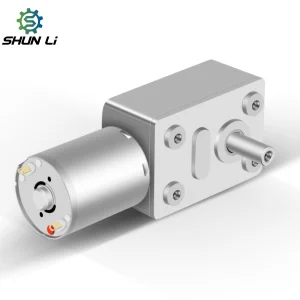
20rpm Worm Gear Motor 5rpm Worm Gear Motor for Vending Machine/ATM/Robot/ 4Nm Worm Motor
View Technical Specifications →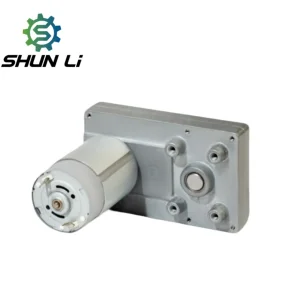
Flat Geared with Magnetic Encoder 12V 24V DC Motors With Gearbox
View Technical Specifications →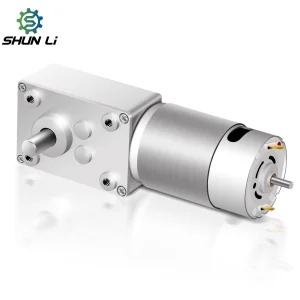
24V Brushed DC Screw Motors Low Power with 555 12V Specifications Permanent Magnet Construction
View Technical Specifications →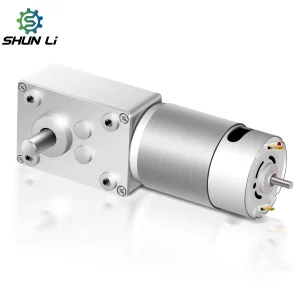
OEM Customized 12v 24 v 2.4w/28.8w Self-locking Function Drive Dc Worm Gear Motor
View Technical Specifications →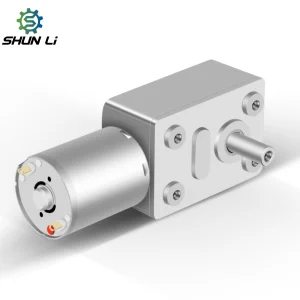
High Torque 46mm 32mm Flat Worm Gearbox 6V 12V 24V Micro Small Dc Worm Gear Motor Low Speed 3rpm 100rpm
View Technical Specifications →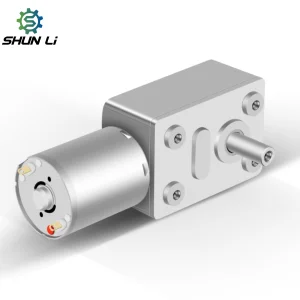
Shunli Custom DC 12V 24VGear Reduction Motor Worm Right Angle Gearbox Small Geared Motor 2-100 RPM Electric Gearbox Reducer
View Technical Specifications →The Core of Precision Motion: Inside Vira Micromotor
At Vira Micromotor, we believe that the trend toward miniaturization shouldn't mean a compromise in power. As a premier manufacturer specializing in high-performance Micro DC Motors, DC Gear Motors, and Brushless DC Motors (BLDC), we have spent twenty years mastering the science of miniature motion control.
From our state-of-the-art, ISO9001-certified manufacturing facility, Vira Micromotor bridges the gap between China’s supply chain efficiency and global technical standards. Our micro-drives are chosen globally by product designers and procurement managers in smart home automation, automotive electronics, medical hardware, and robotics for their exceptional power-to-size ratio, whispering-quiet acoustics, and ultra-long lifespans.
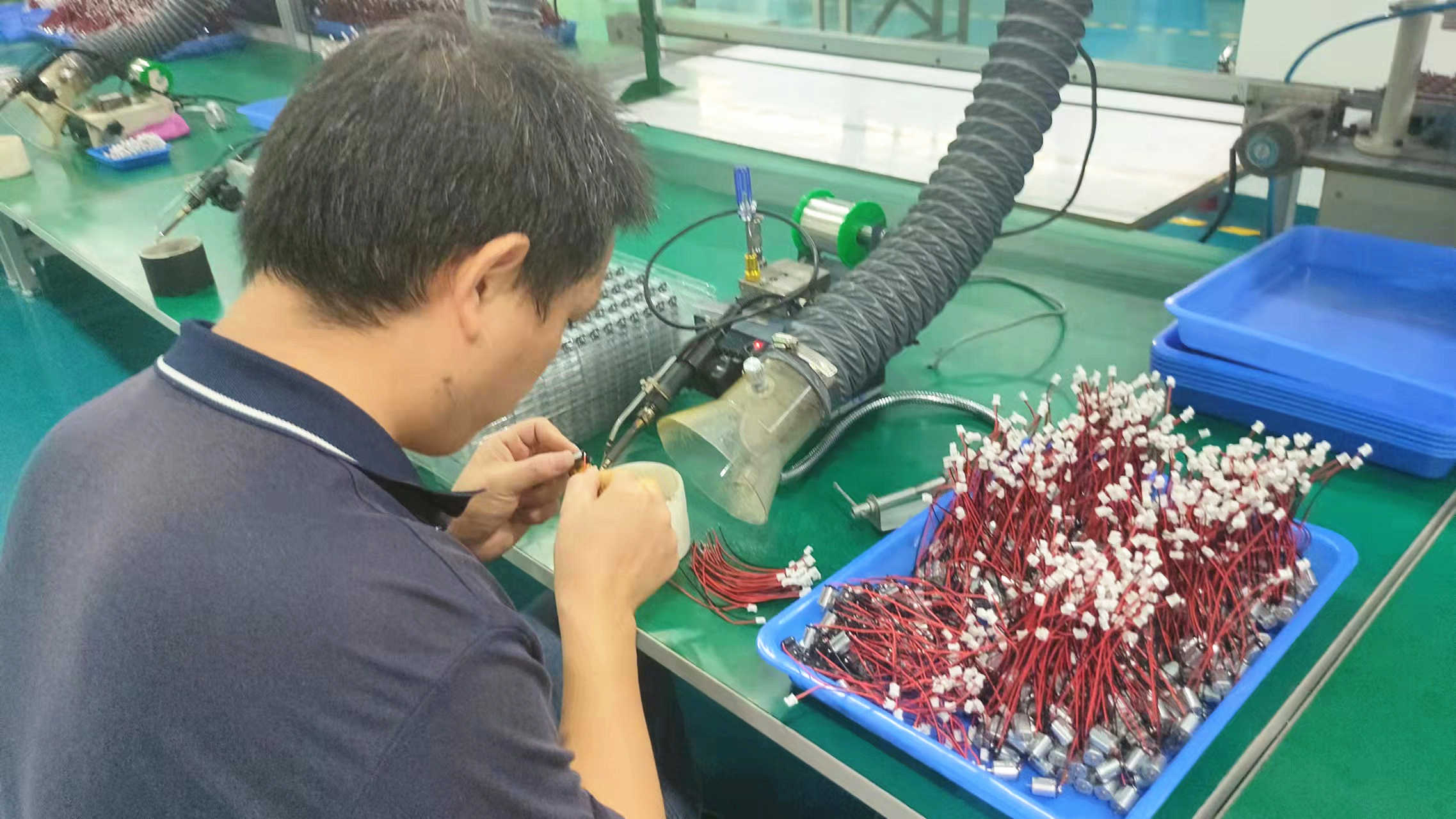
We don’t just stamp out standard components—Vira Micromotor thrives on flexible OEM/ODM custom-engineered solutions. Powered by an elite in-house R&D team holding multiple drive-tech patents, we provide rapid prototyping and seamless technical collaboration. From specific voltage tuning and specialized gear ratios to custom shaft modifications, we engineer the precise Vira Micromotor around which your next innovation will revolve.
Technical Whitepaper: Evolution of Micro Worm Gear Mechanisms
An in-depth analysis of right-angle torque transmission, tribological optimizations, and compliance paradigms in industrial environments.
1. The Physics and Kinematics of Right-Angle Drives
Micro DC Worm Gear Motors are uniquely suited for spatial limits because the input shaft (driven directly by a brushed or brushless rotor) is oriented at 90 degrees relative to the output shaft. Dynamic power transmission is governed by sliding friction along the helix of the worm screw rather than the rolling contact observed in traditional spur gears.
The mechanical reduction ratio ($i$) is calculated directly as:
i = Z_2 / Z_1
where Z_2 is the number of teeth on the worm gear wheel, and Z_1 is the number of starts on the worm shaft. By utilizing single-start configurations, high gear ratios (e.g., 50:1 up to 1000:1) can be packed into miniature spaces, eliminating the need for bulky multi-stage planetary configurations.
2. The Self-Locking Mechanism: Safety and Anti-Backdrive Dynamics
A key differentiator of worm gear design is the static self-locking feature. In medical actuators, automatic doors, and vending dispensing columns, static load holding is mandatory during power-off events. Self-locking is realized when the lead angle ($\gamma$) of the worm helix is smaller than the friction angle ($\phi$) of the mating gear materials:
\gamma < \arctan(\mu_{static})
This prevents dynamic back-driving (where torque applied to the output shaft rotates the motor). It removes the requirement for mechanical brakes, decreasing component footprint, control circuitry complexity, and overall manufacturing cost.
3. Global Purchasing trends & Engineering Demands
Global sourcing metrics for automotive components, home security systems, and banking terminals (ATMs) require extreme structural resilience. Procurement managers prioritize high performance across critical metrics:
- Acoustic Containment: Systems operating under 40 dB(A) are required in smart healthcare applications. Vira Micromotor targets quiet operations using helical-cut gear geometries and custom damping polymers.
- High Starting Torque: Minimizing startup stall currents in high-inertia setups.
- Environmental Protection: IP-rated sealing (up to IP67) for outdoor industrial actuators and parking systems.
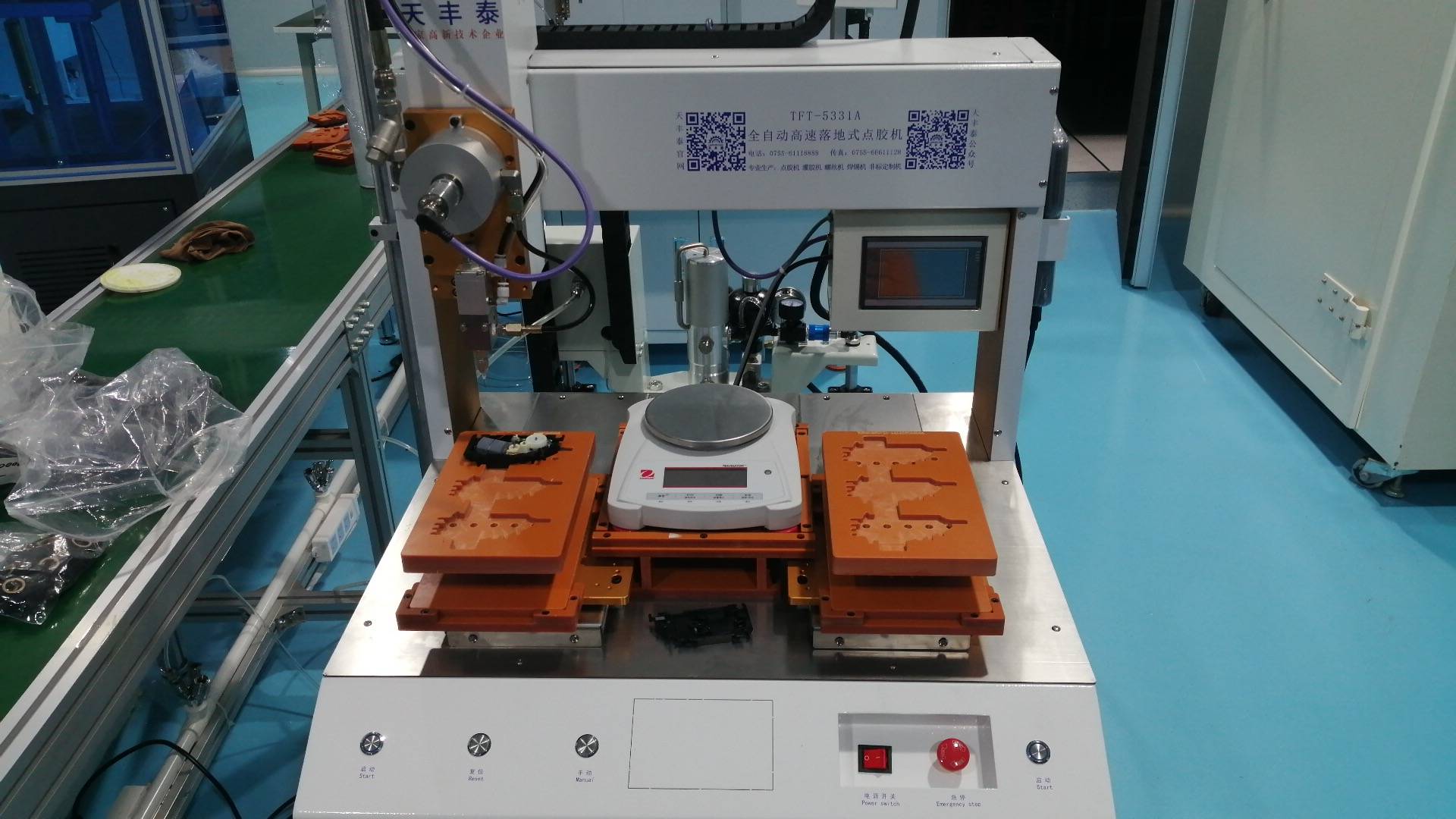
Industrial Production Workflow
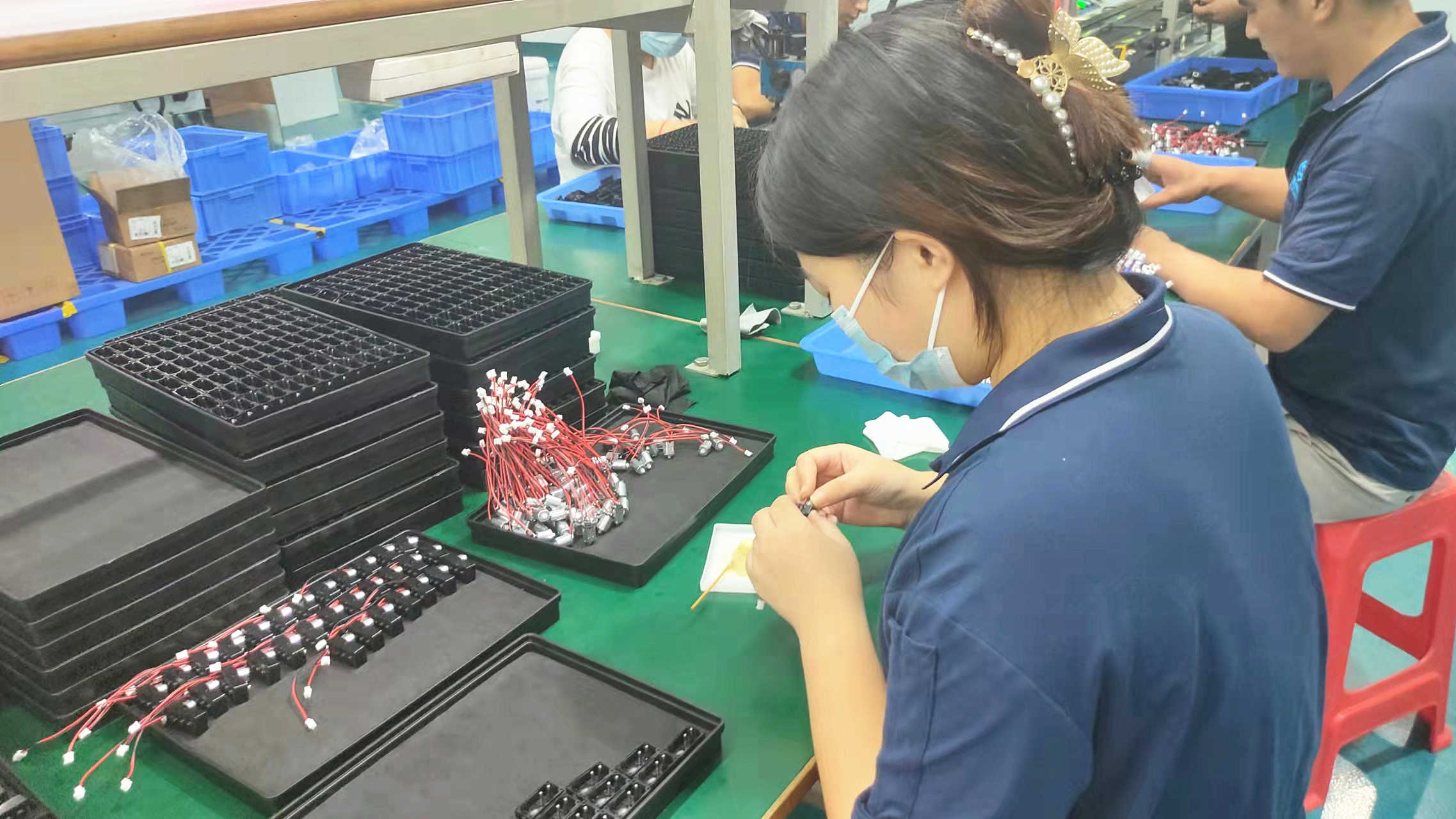
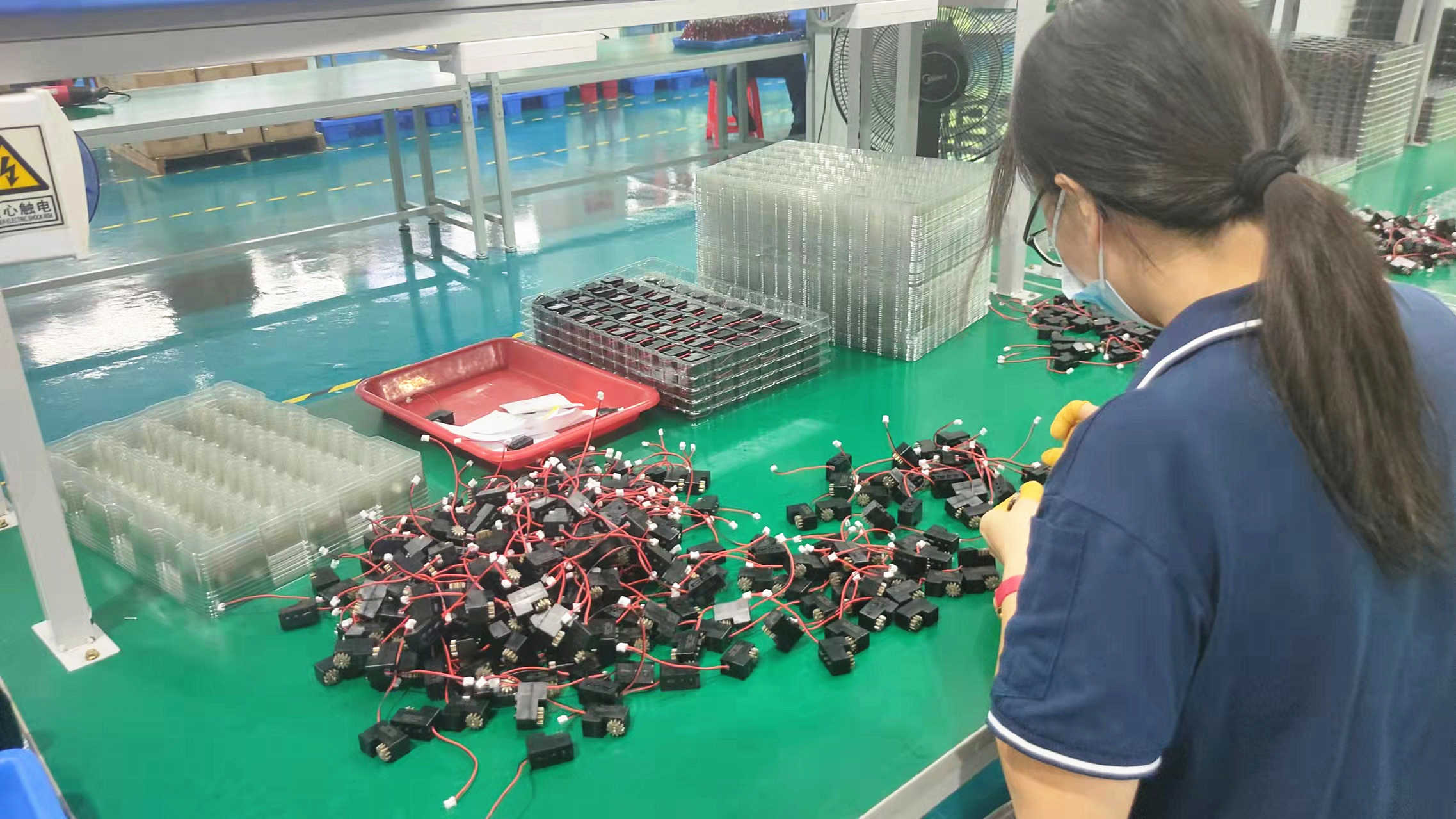
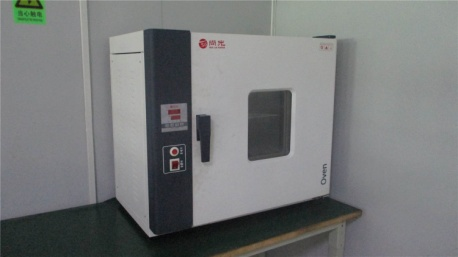
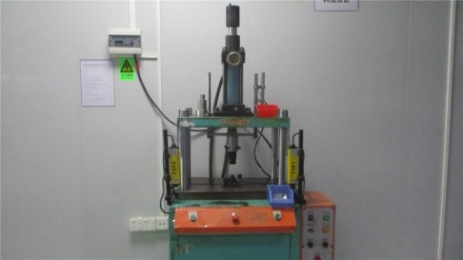
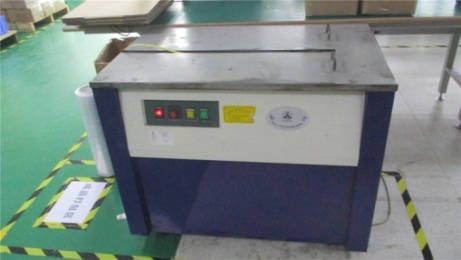
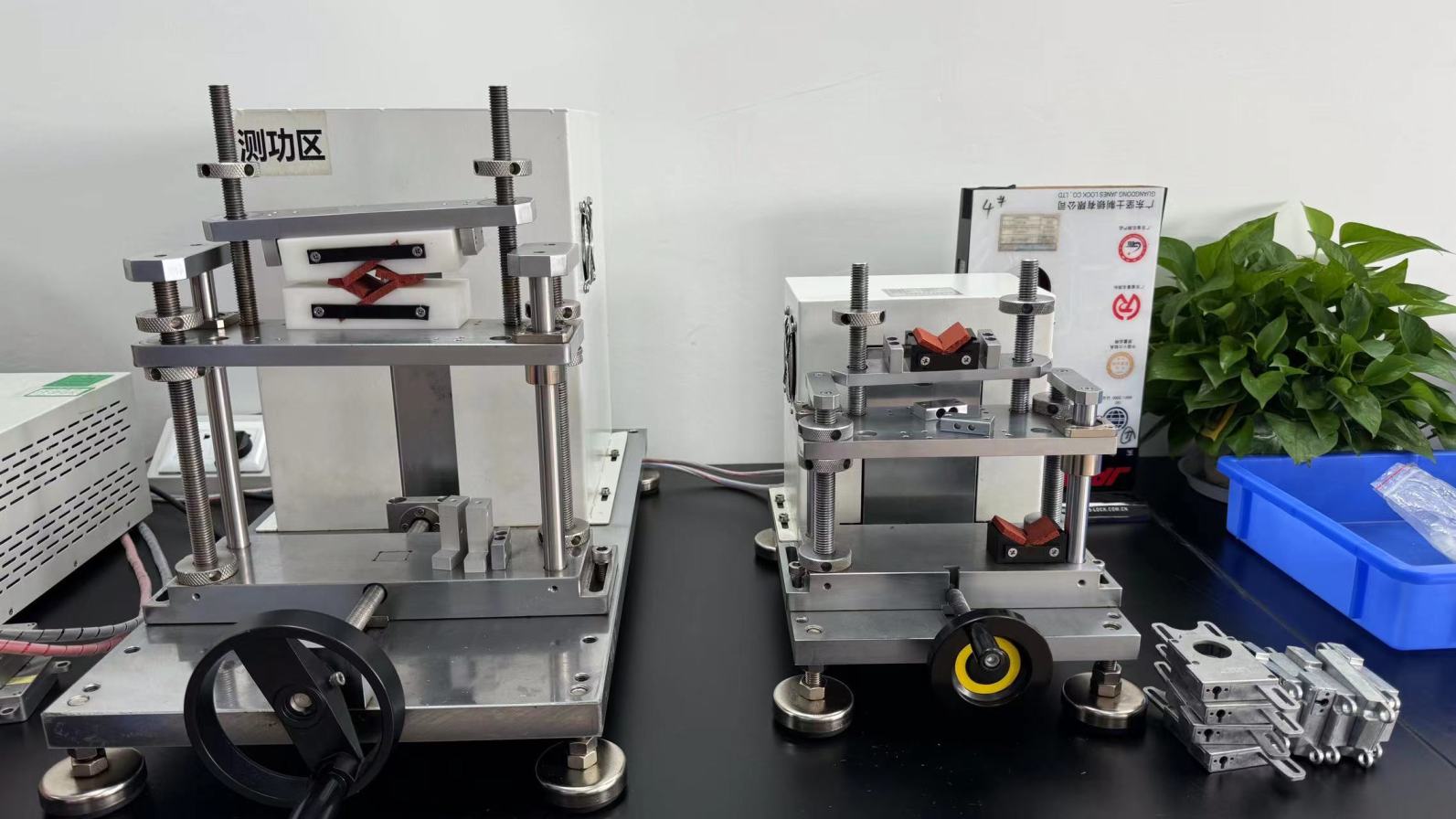
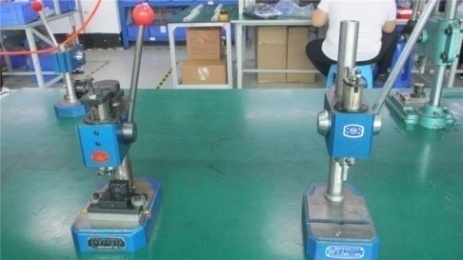
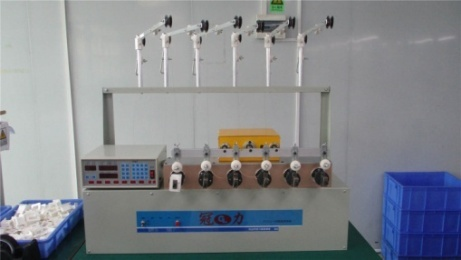
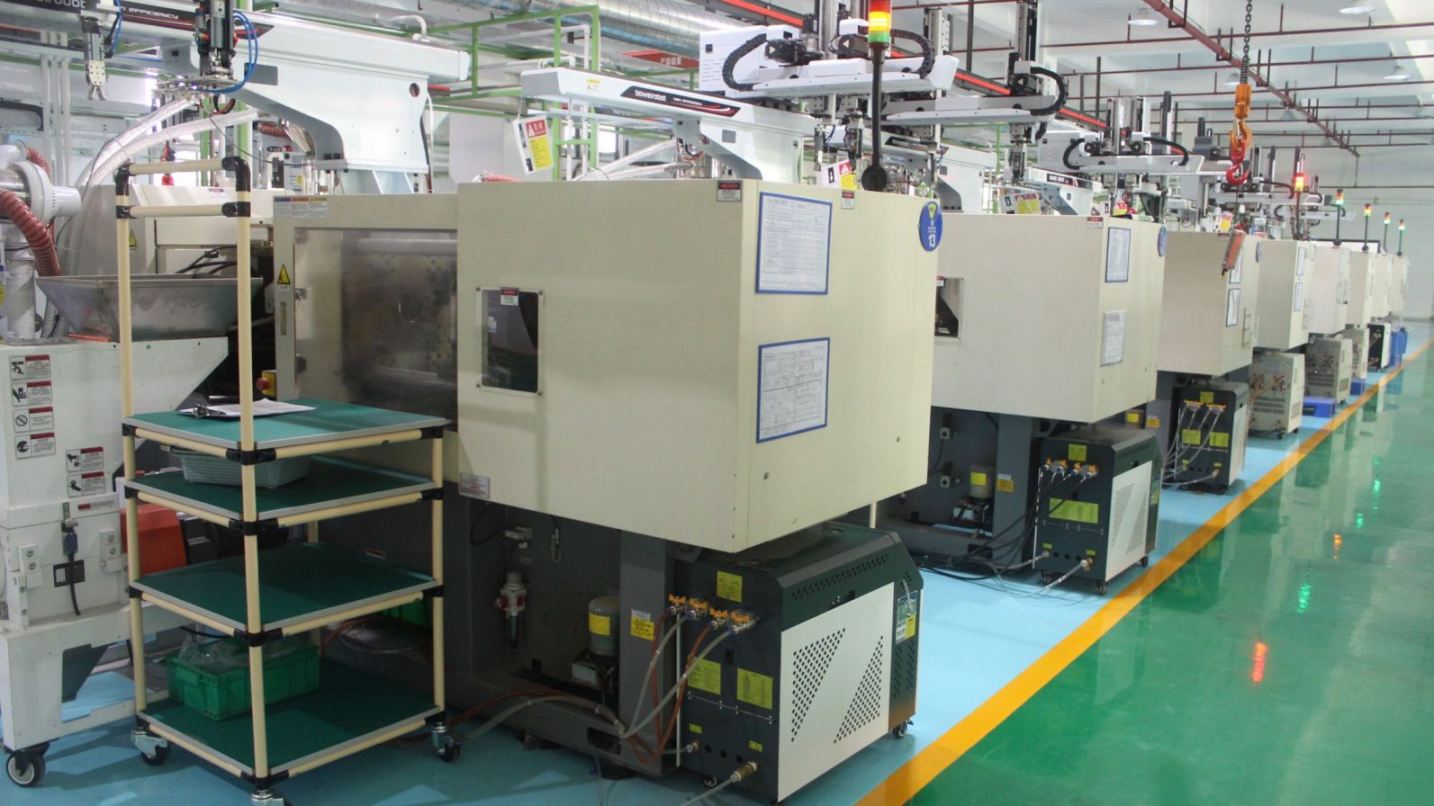
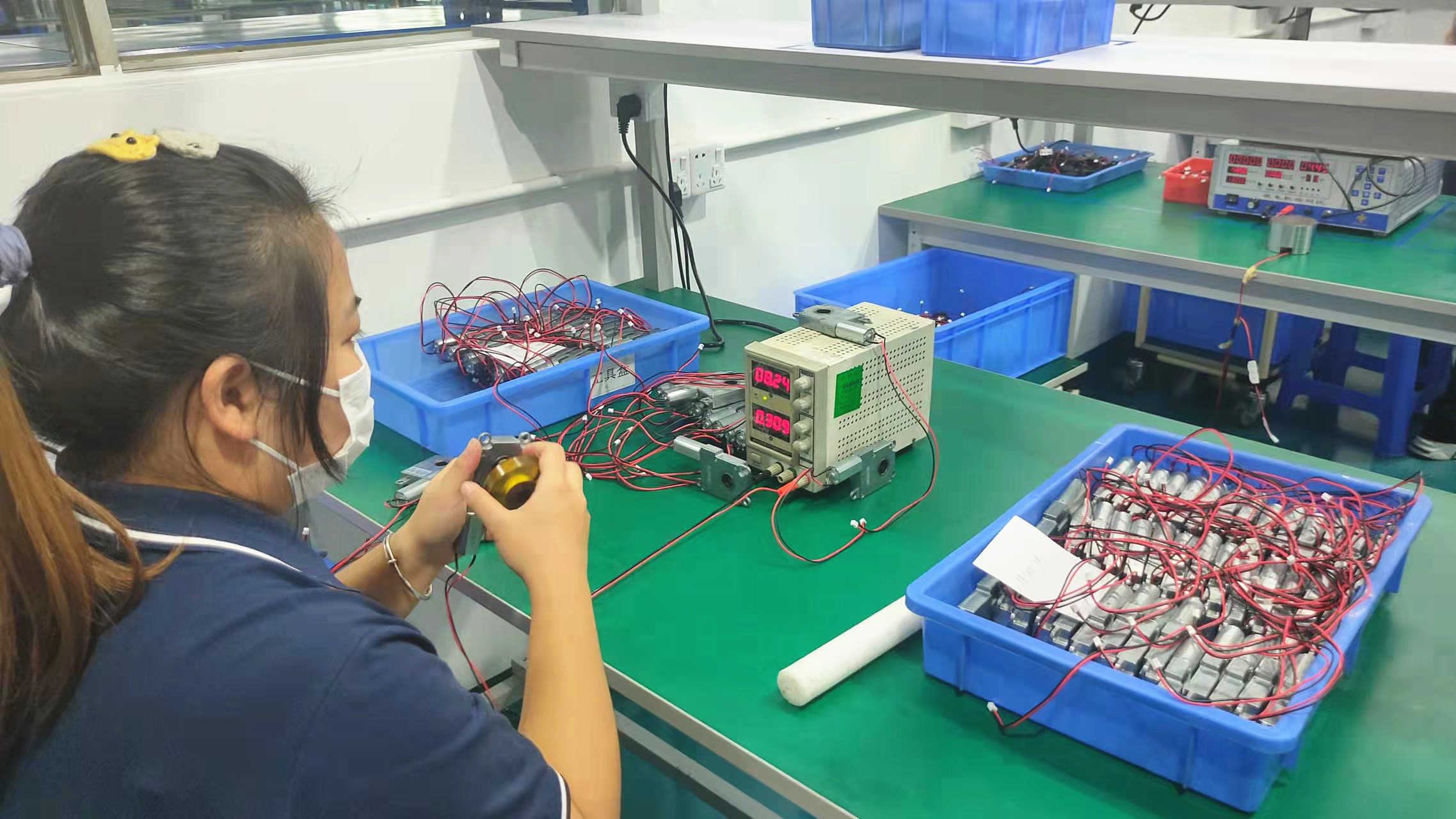
From initial copper winding to precision gear matching and final functional verification, our workflow ensures quality at every stage.
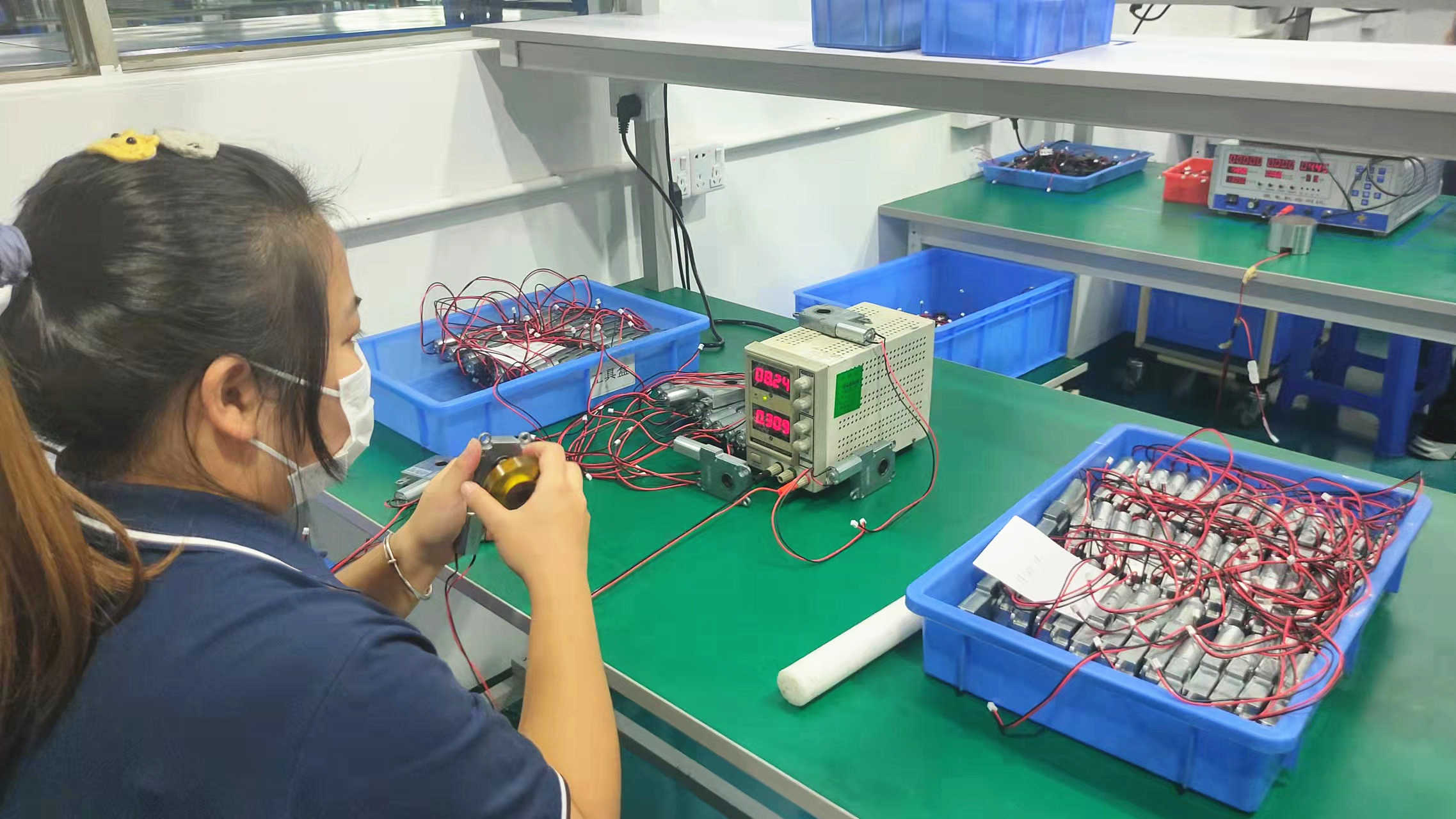

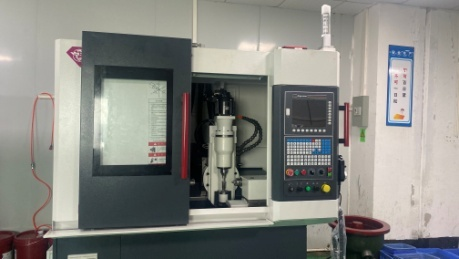
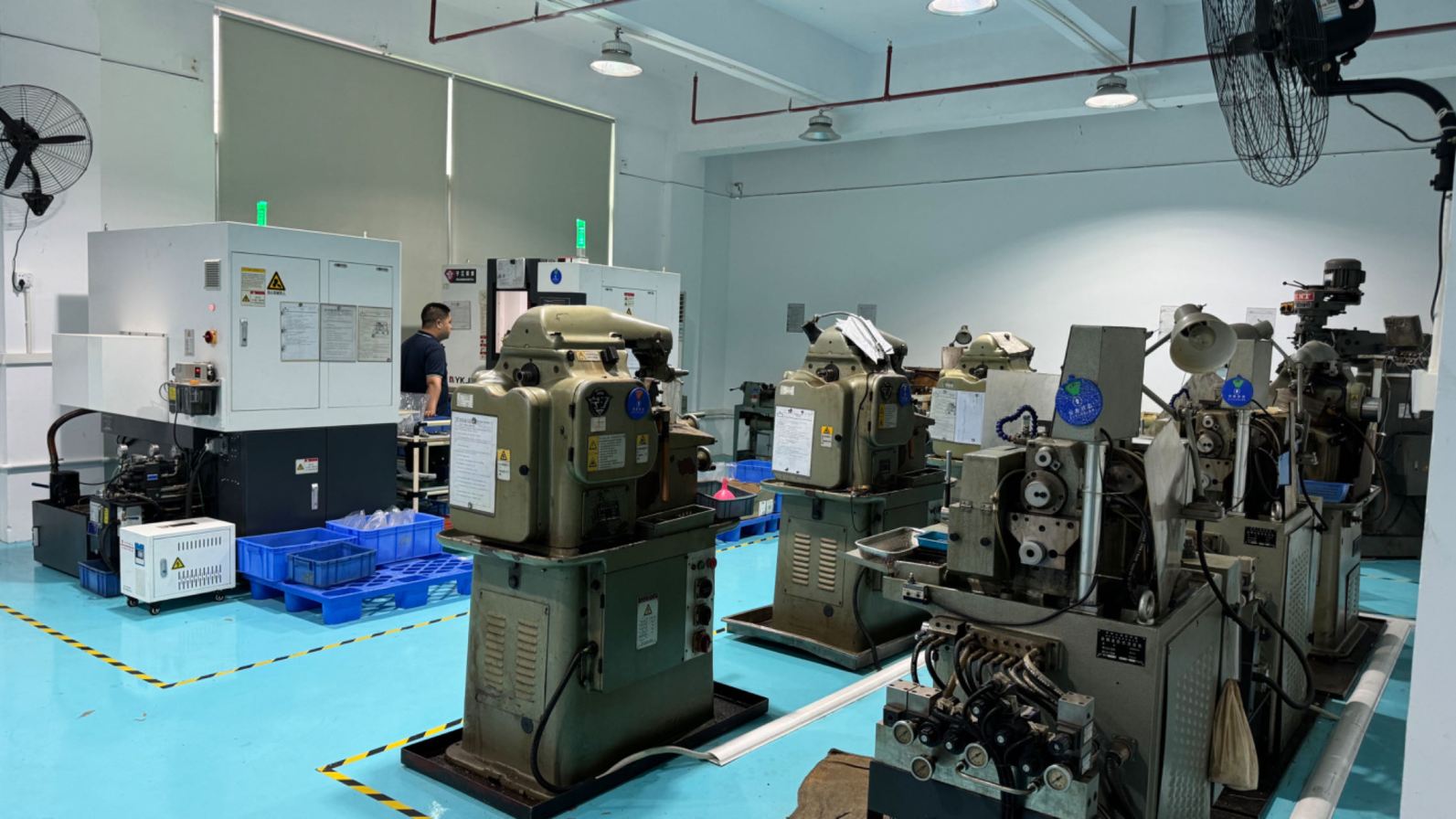
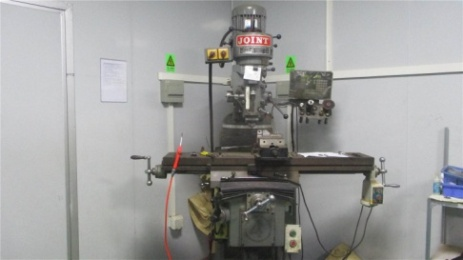
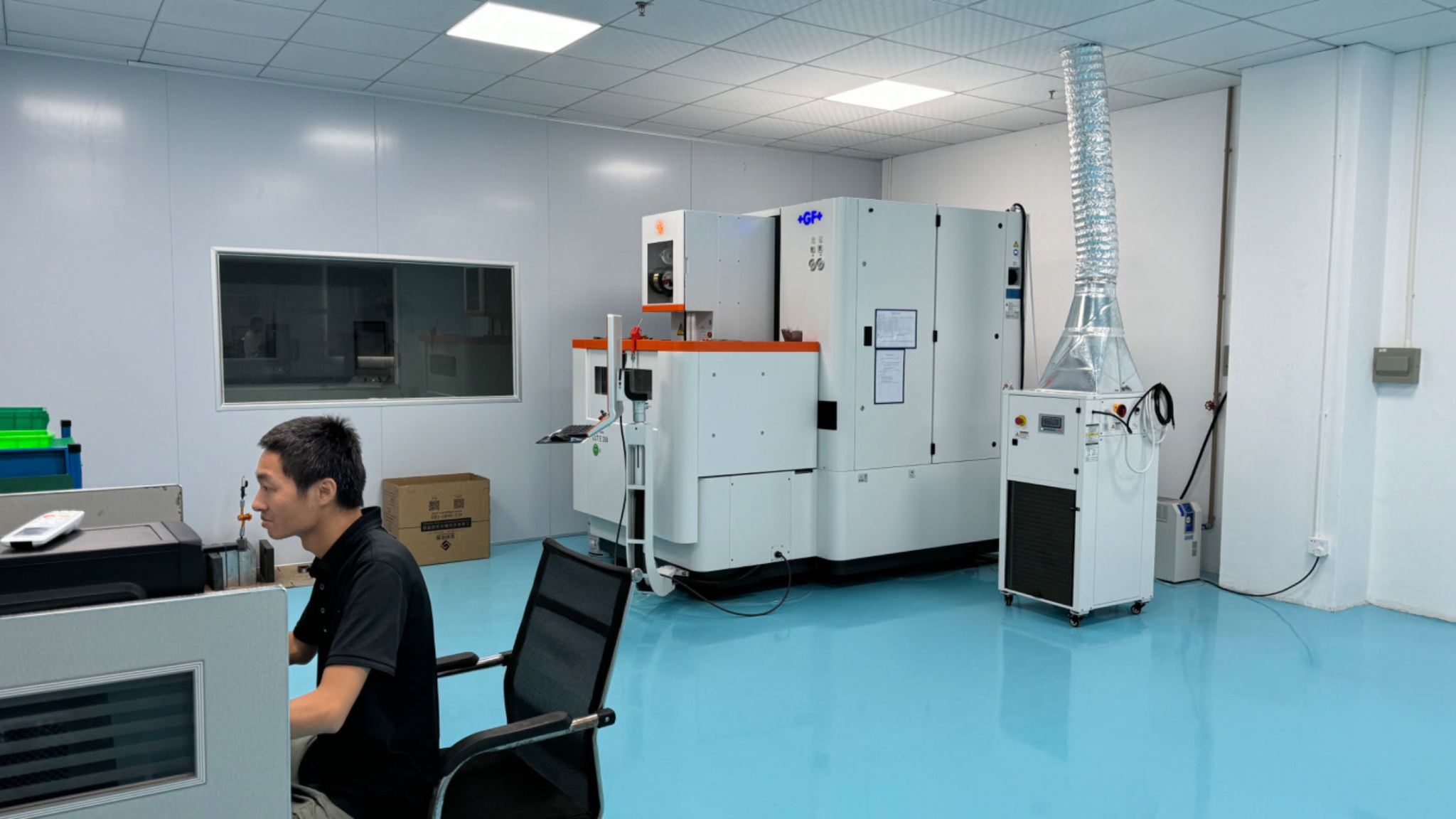
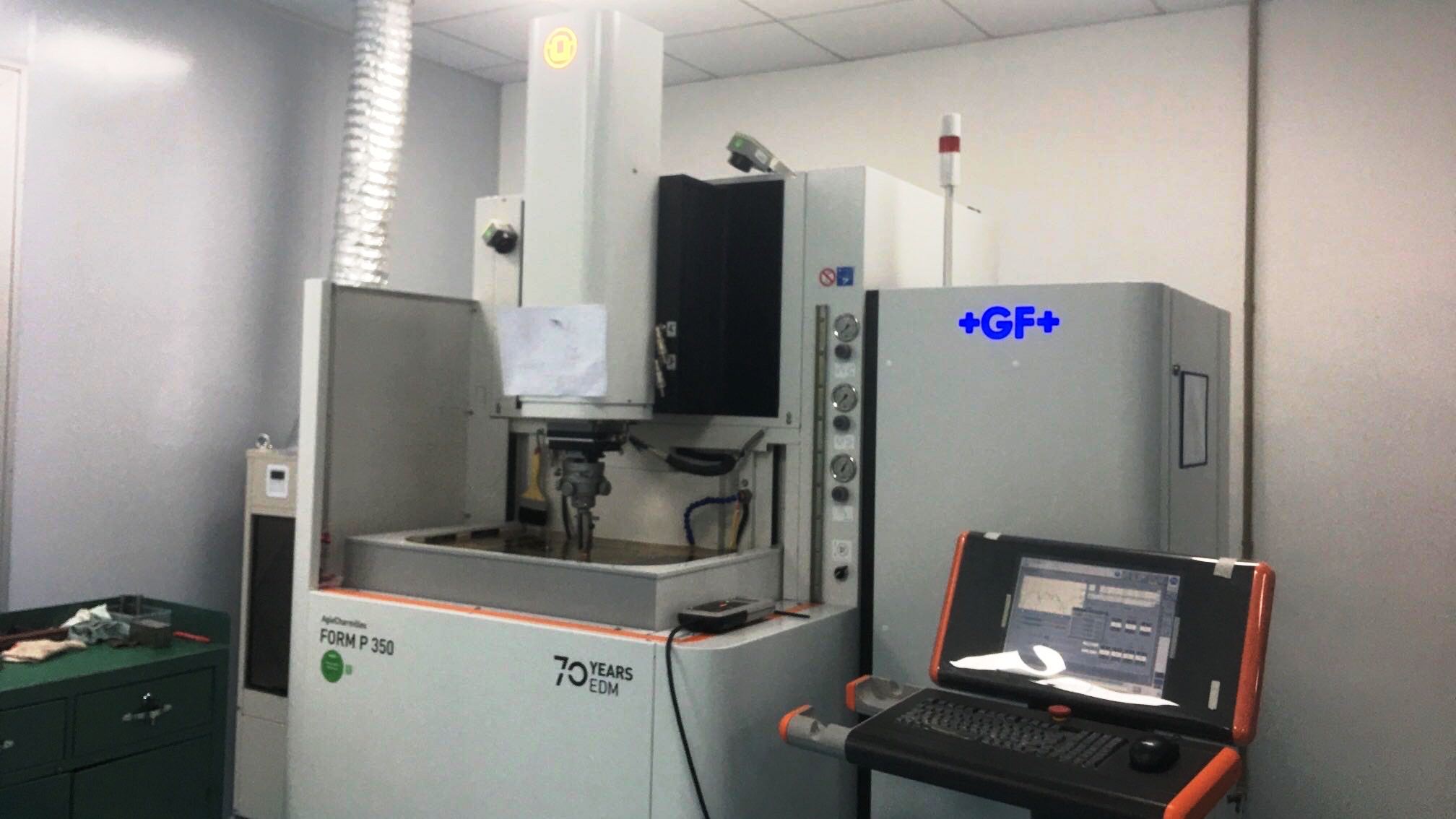
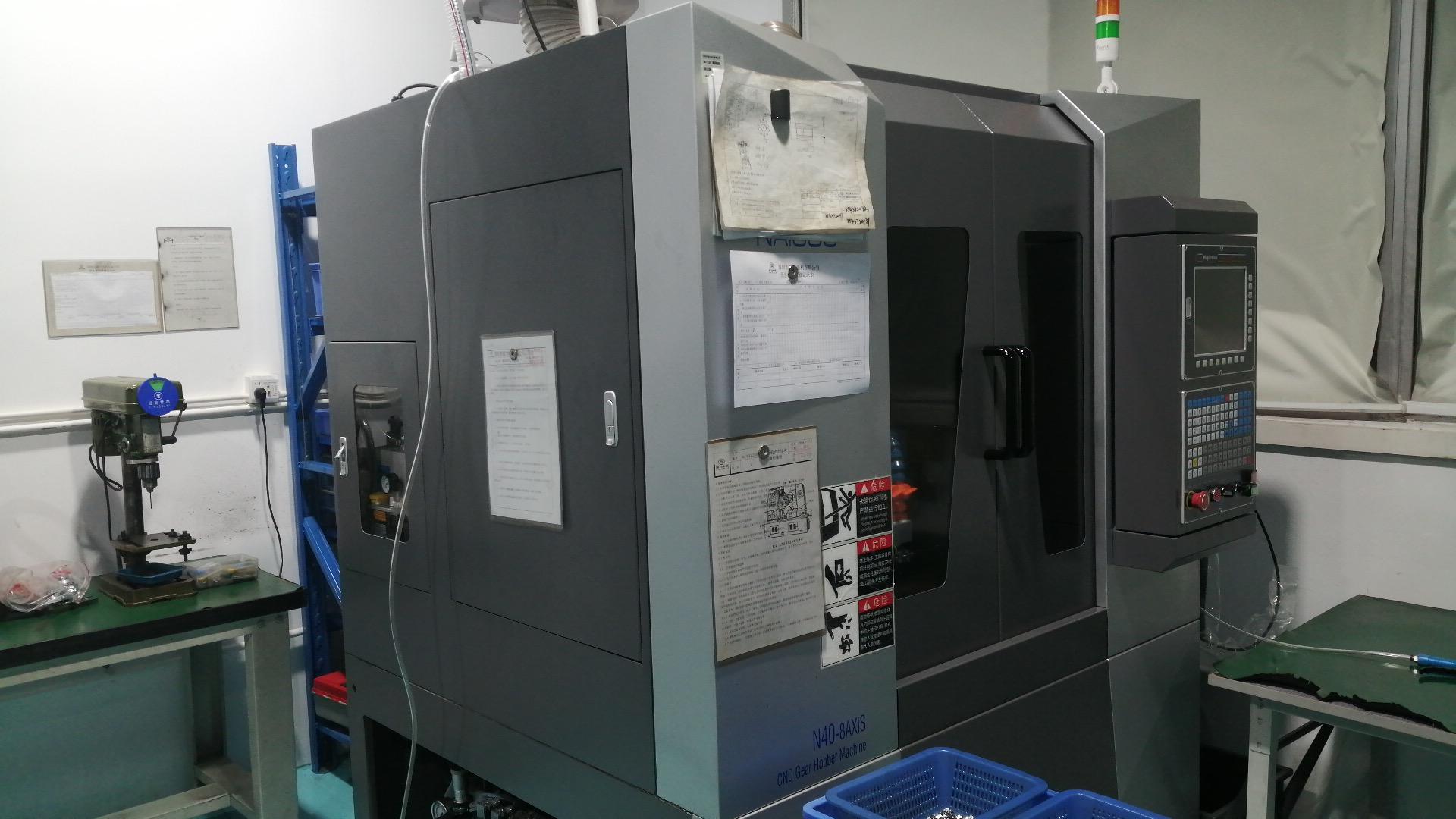
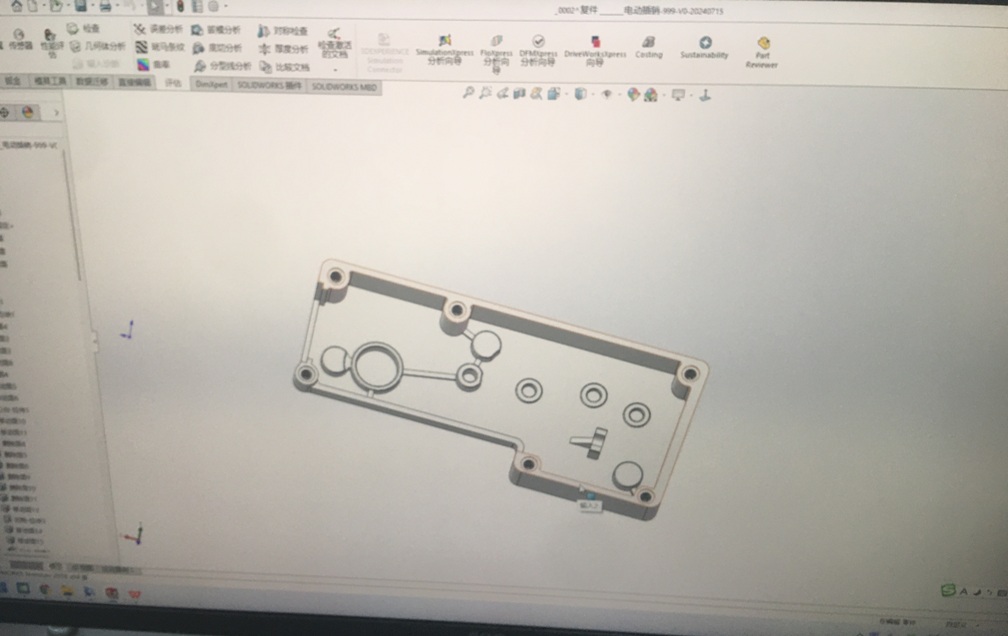
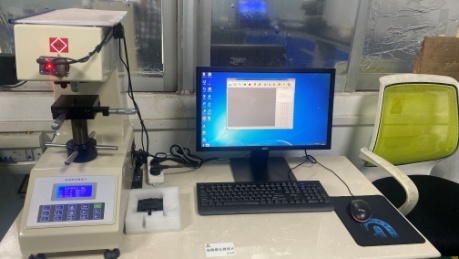
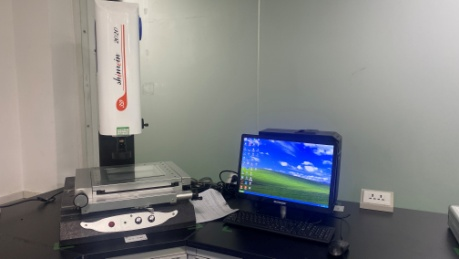
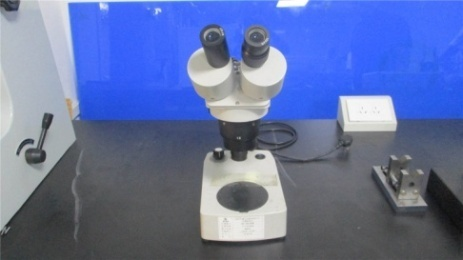
Precision Machine & Fabrications
We invest in high-tolerance manufacturing tools to achieve micron-level accuracy for every batch of worm gears.
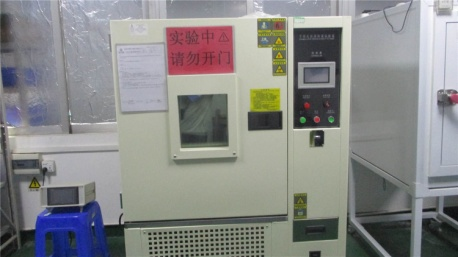
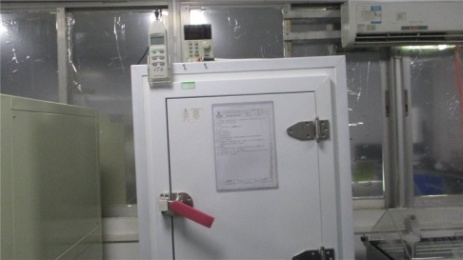
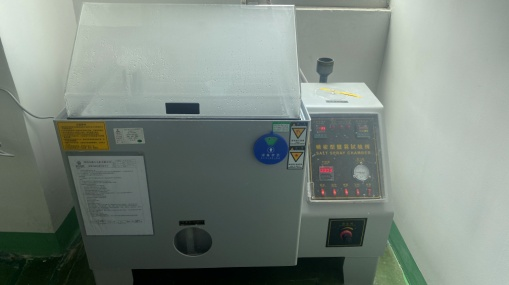
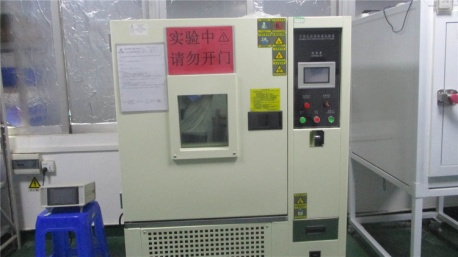
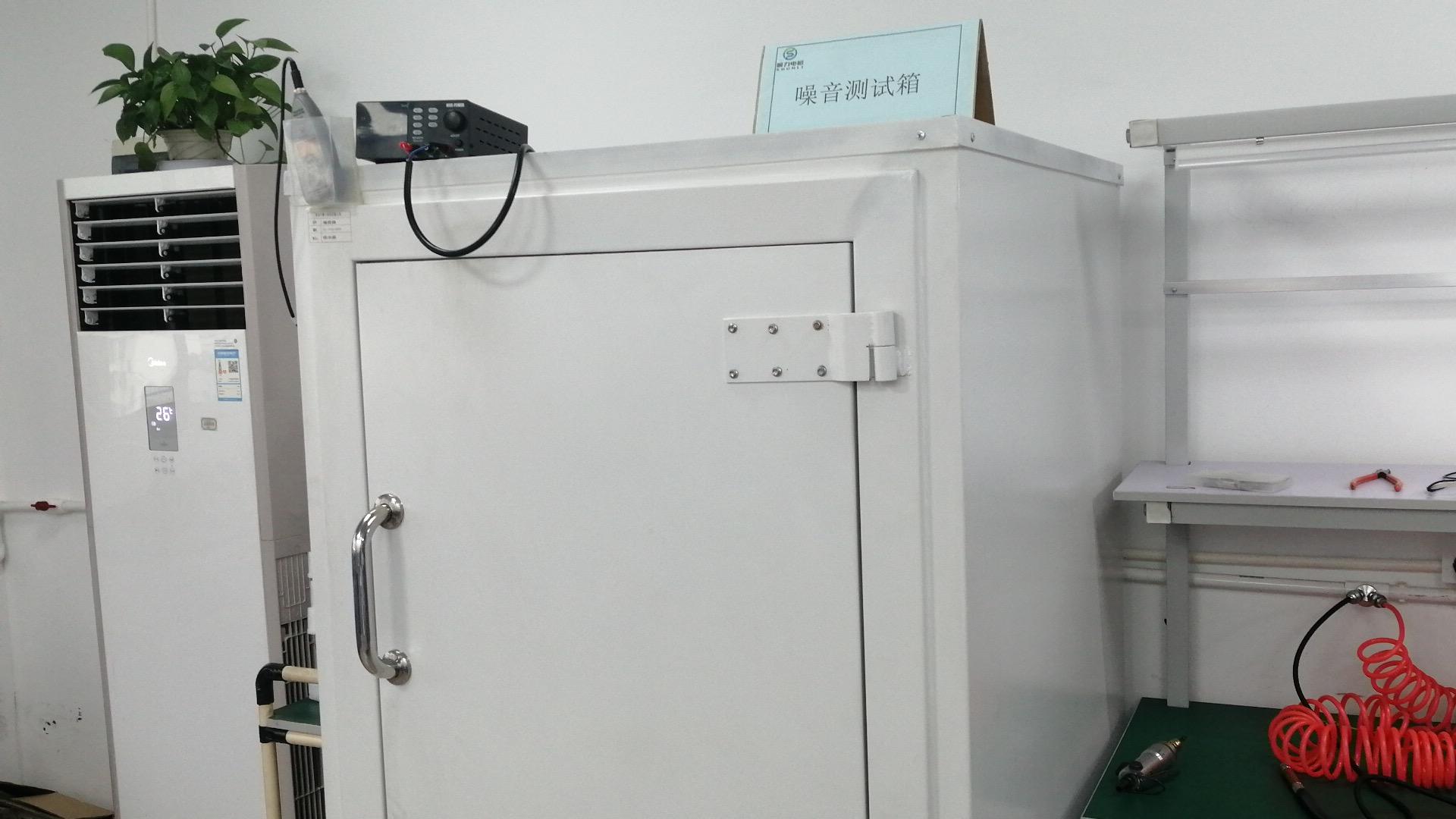
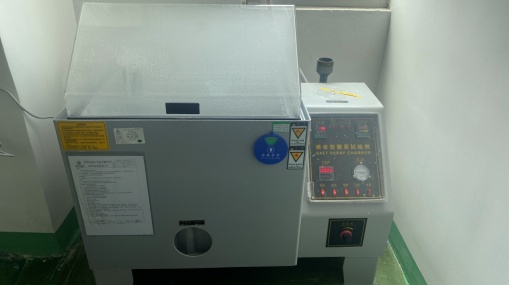
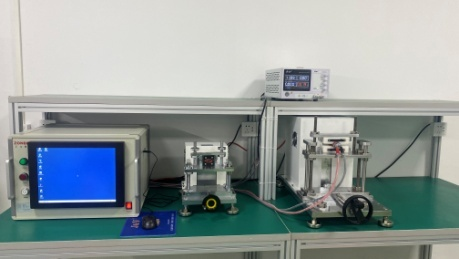
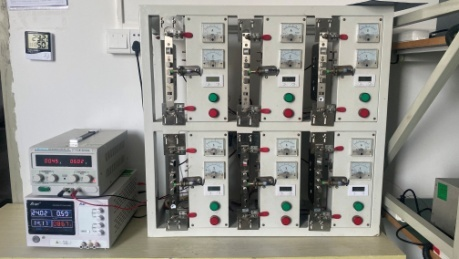
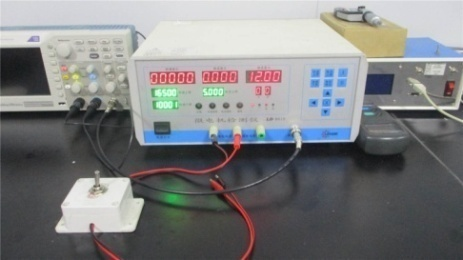
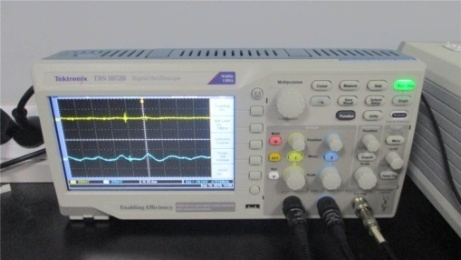
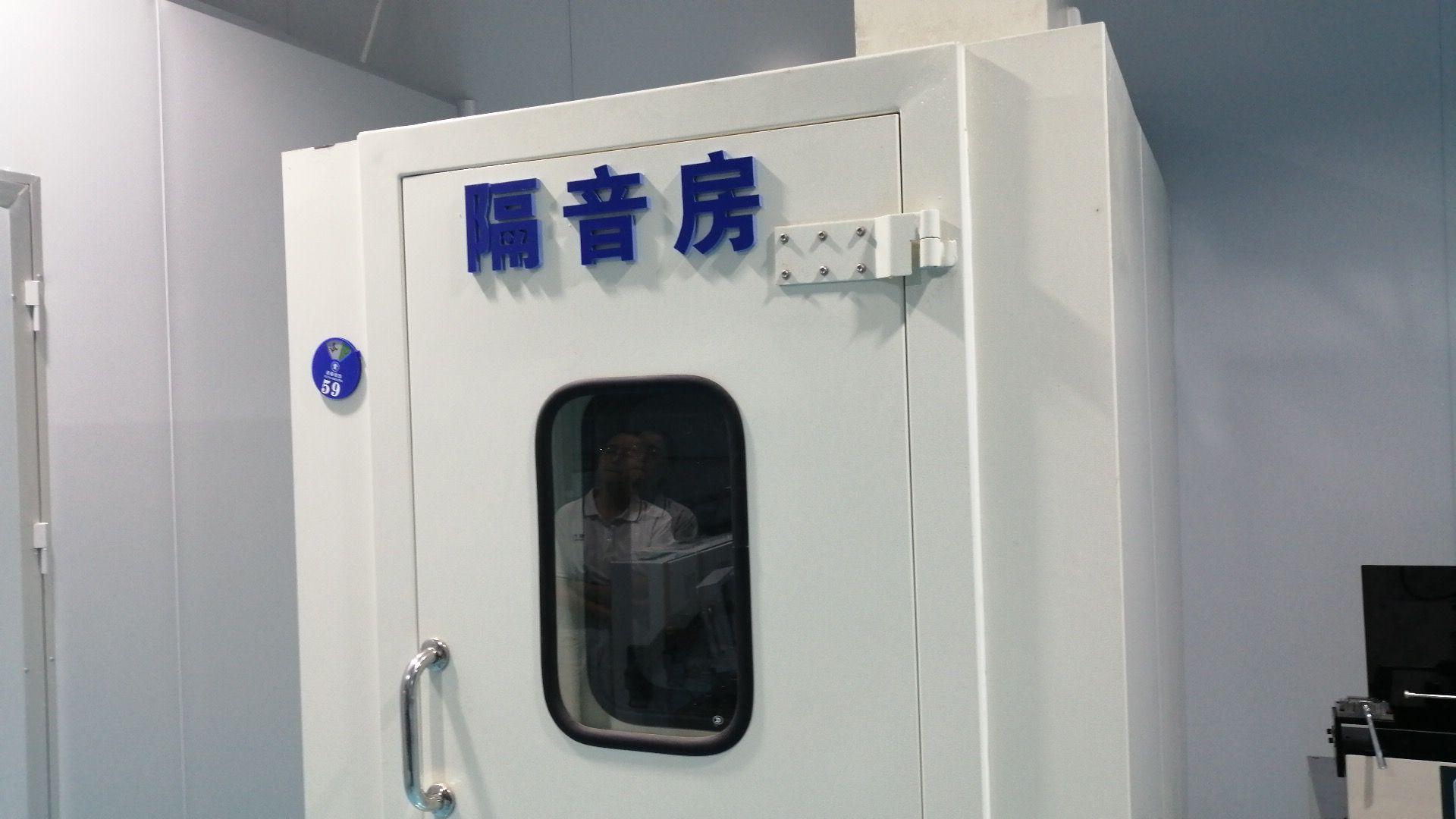
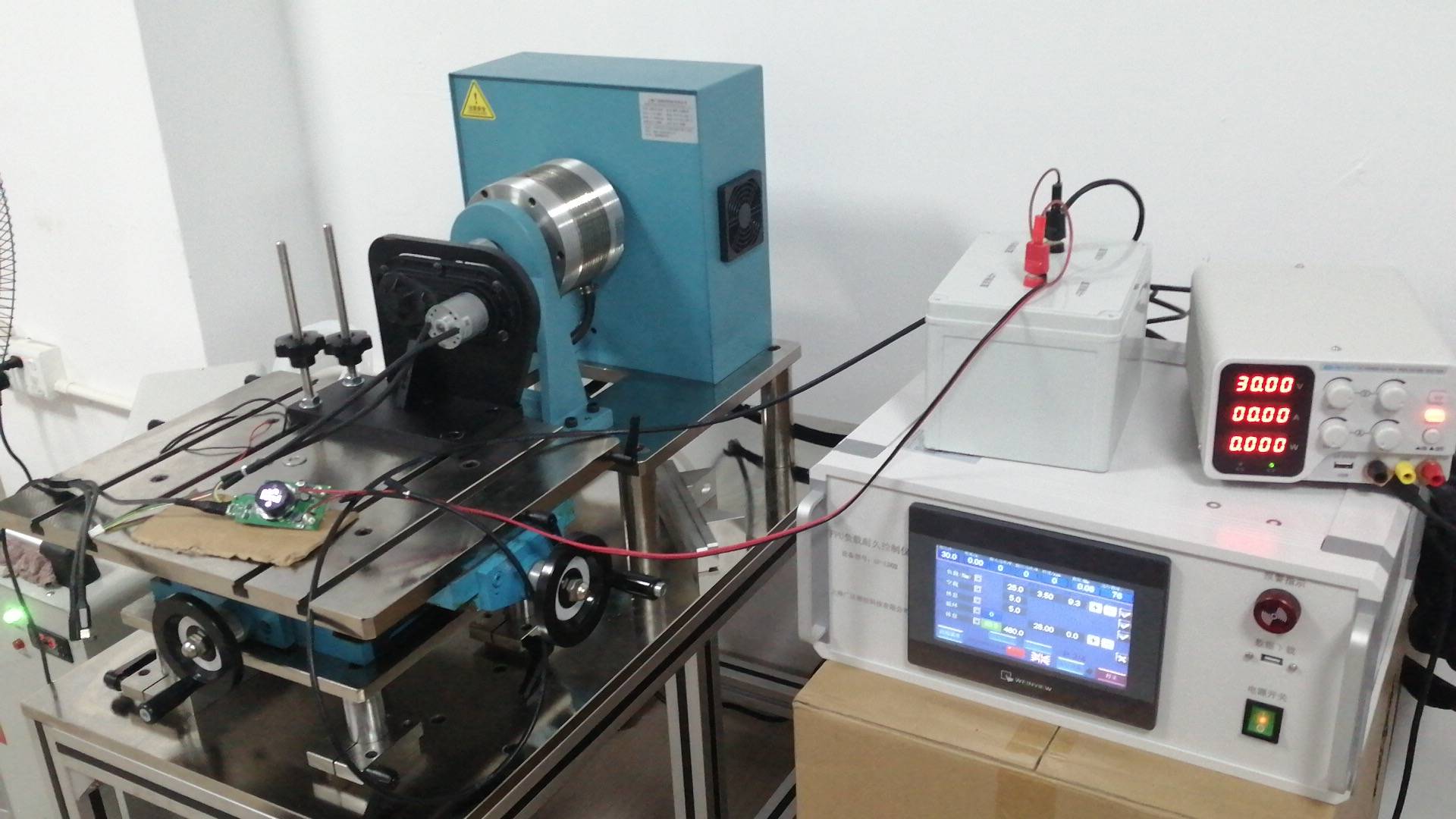
State-of-the-Art Quality Testing Center
Every dynamic parameter is verified, ensuring performance consistency and zero-defect integration for your application.
Technical Roadmap & Industry Outlook
How shifting automation requirements are redefining miniature motor architectures over the next decade.
Transition to Brushless DC (BLDC) Worm Systems
While brushed DC motors remain highly cost-effective, applications demanding long operational life and maintenance-free cycles are shifting to Brushless DC (BLDC) topologies. Integrating BLDC motors with worm gearboxes eliminates brush wear, mitigates EMI issues, and permits higher continuous rotational speeds prior to reduction.
High-Resolution Feedback and Closed-Loop Control
Modern smart logistics (such as AGVs and robotic sorting units) depend on precise positioning. Integrated magnetic or optical encoders, mounted on the rear motor shaft, output quadrature feedback signals. This enables exact position and velocity tracking, mitigating the mechanical backlash inherent in physical gear trains.
Tribological Material Science Innovation
Typical worm gear setups match a steel worm screw with a bronze gear wheel. To lower costs and reduce noise in light-load applications, engineers increasingly turn to advanced performance thermoplastics (such as POM, PEEK, and carbon-fiber filled nylons). These materials allow quiet operation and run without external lubrication.
Technical FAQ: Design & Sourcing Questions Answered
Expert engineering insights regarding the specification, implementation, and customization of right-angle micro motor systems.
High-Torque Custom Configurations
Explore our specialized wholesale products, custom-engineered for applications requiring high torque and low rotational speeds.
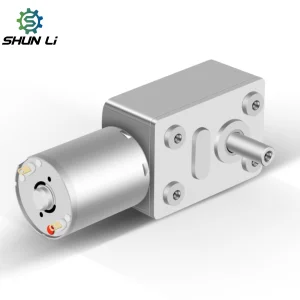
Wholesale 12V DC Motor JGY-370 6V Micro Worm Gear Motor Engine 24V Electric Motor Reversed High Torque Reducer Self-lock 12 Volt
View Technical Specifications →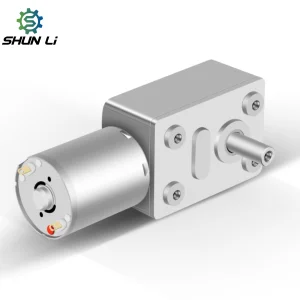
12v/24v/36v High Torque Dc Worm Gear Reducer Motor with Encoder or Brake
View Technical Specifications →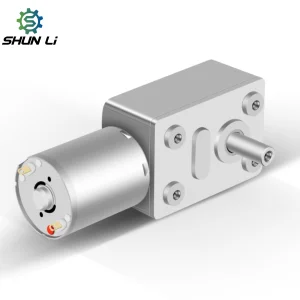
Low Noise 12v Volt 370 Electric Worm Dc Motor with Torque 2 nm 30 Rpm for Sewing Machine
View Technical Specifications →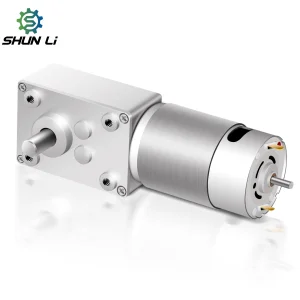
Shunli Custom Dc Screw Motors 24v 12v 85rpm Gear Brush Gear Motor Low Power High Torque 90 Degree Worm Gear Motor
View Technical Specifications →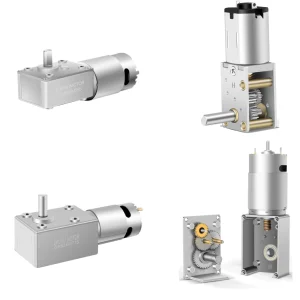
12mm 2.5v 3v 6v 12v 10 RPM 15 RPM 1 KG.CM Helical Dc Worm Gear Motor Can Match Encoder for 3D Printing Pen
View Technical Specifications →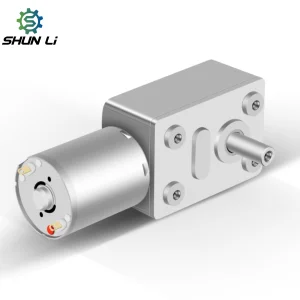
Shunli Customizable 12v Dc Worm Gear Motor 370 With Torque 2Nm 30Rpm 60Rpm for Sewing Machine
View Technical Specifications →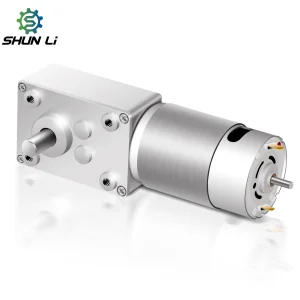
Shunli OEM Customized 24v Dc Electric Motor Worm Geared Motor 3.5~6.5kgf.cm High Torque Shaft 12v Motor Rotating Table Door
View Technical Specifications →