Poland Commercial-Grade Smart Lock Motors
High-torque micro drives optimized for European mortise standards and rigorous Polish security regulations.
1. The Evolving Smart Lock Industry in Poland: Business and Industrial Overview
Poland has rapidly established itself as one of Europe’s premier manufacturing and logistics hubs, prompting massive growth in the commercial construction, modern warehousing, and high-tech residential sectors. In cities such as Warsaw, Kraków, and Gdańsk, the integration of IoT-enabled building security systems and smart residential door locks has transitioned from a luxury feature to standard design practice. This domestic shift, combined with Poland's position as a major exporter of windows and doors (Stolarka otworowa) to the wider European Union, has driven exponential demand for high-reliability components, specifically the micro DC gear motors that serve as the mechanical heart of smart lock systems.
For Polish lock manufacturers and exporters supplying European markets, the selection of the core actuator—the micro motor—is a critical engineering decision. The Polish market presents unique challenges: harsh seasonal temperature variations (demanding operational integrity from -25°C in deep winter to +35°C in summer), strict acoustics regulations for residential buildings, and the strict mechanical durability requirements mandated by European lock classification standards such as EN 14846 and EN 179/1125.
Information Gain Insight: The Polish door lock manufacturing sector is highly integrated into the German, French, and Scandinavian supply chains. A motor supplier must not only offer competitive pricing but must provide comprehensive documentation detailing torque curve profiles under temperature extremes, gear wear characteristics over 200,000 cycles, and full RoHS compliance.
2. Localized Application Scenarios & Engineering Demands
Smart locks are deployed across diverse environments in Poland, each placing distinct physical and electromechanical demands on the micro DC gear motor:
- Residential Smart Cylinders & Mortise Locks: For retrofit smart locks installed in historic Polish apartments or modern condos in Wrocław, space is extremely restricted. Motors must feature diameters as small as 10mm to 12mm while providing sufficient starting torque to actuate multi-point locking bolts. Energy efficiency is key, as these systems rely on standard AA or Lithium batteries for a target lifespan of 12 to 24 months.
- Heavy-Duty Commercial Access Control: Used in corporate offices and medical centers in Warsaw. These locks see thousands of cycles per week. Here, durability and continuous duty cycles are paramount. Custom brushless motors (BLDC) or high-durability precious-metal brushed motors with planetary gearboxes are specified to ensure zero failure rates over years of service.
- Logistics Centers & Industrial Smart Padlocks: Poland is a key logistics hub for Central Europe. Smart locks on shipping containers, distribution center doors, and high-security lockers are subjected to extreme humidity, vibration, and dust exposure. The gearmotors must operate reliably in sealed, IP67-rated enclosures, maintaining high torque output even when internal temperatures drop below zero.
3. Technical Anatomy of High-Performance Lock Motors
The performance of a smart lock relies heavily on its gear ratio, motor winding configuration, and gear materials. Lock designers must balance torque output with current draw and gear noise.
At Vira Micromotor (incorporating Shunli motor technologies), we design and customize micro motors to address these parameters:
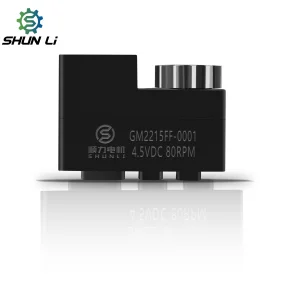
- Voltage Flexibility (1.5V - 12V DC): Our motors can be wound for specific operating voltages. Low-voltage variants (3V and 4.5V) are optimized for battery-operated residential locks, minimizing standby and peak currents to protect driver electronics.
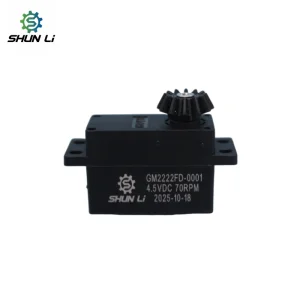
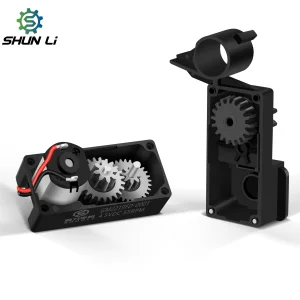
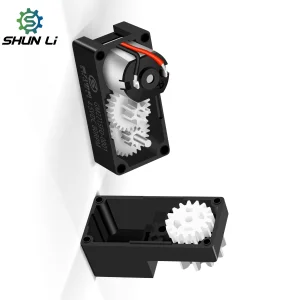
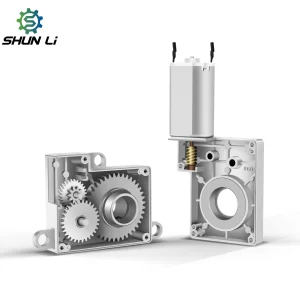
- High-Torque Gearbox Engineering: Incorporating precision spur and planetary gearboxes, our micro-drives achieve static and dynamic torque values up to 3KG.CM. This high torque is vital for overcoming friction in warped wooden doors or tight mortise alignments.
- Material Metallurgy and Noise Attenuation: Noise control is critical in residential locks. By utilizing a hybrid gear assembly featuring high-grade POM plastic gears for the high-speed first stage (minimizing mechanical hum) and sintered metal or CNC-machined steel gears for the high-torque output stage, we ensure smooth operation with decibel levels kept below 40dB.
Require Custom Technical Integration?
Our R&D team can customize gear ratios, shaft profiles, and torque curves specifically to match your existing lock chassis and target battery footprint.
Send Inquiry Now4. Quality-Driven Manufacturing & Testing Framework
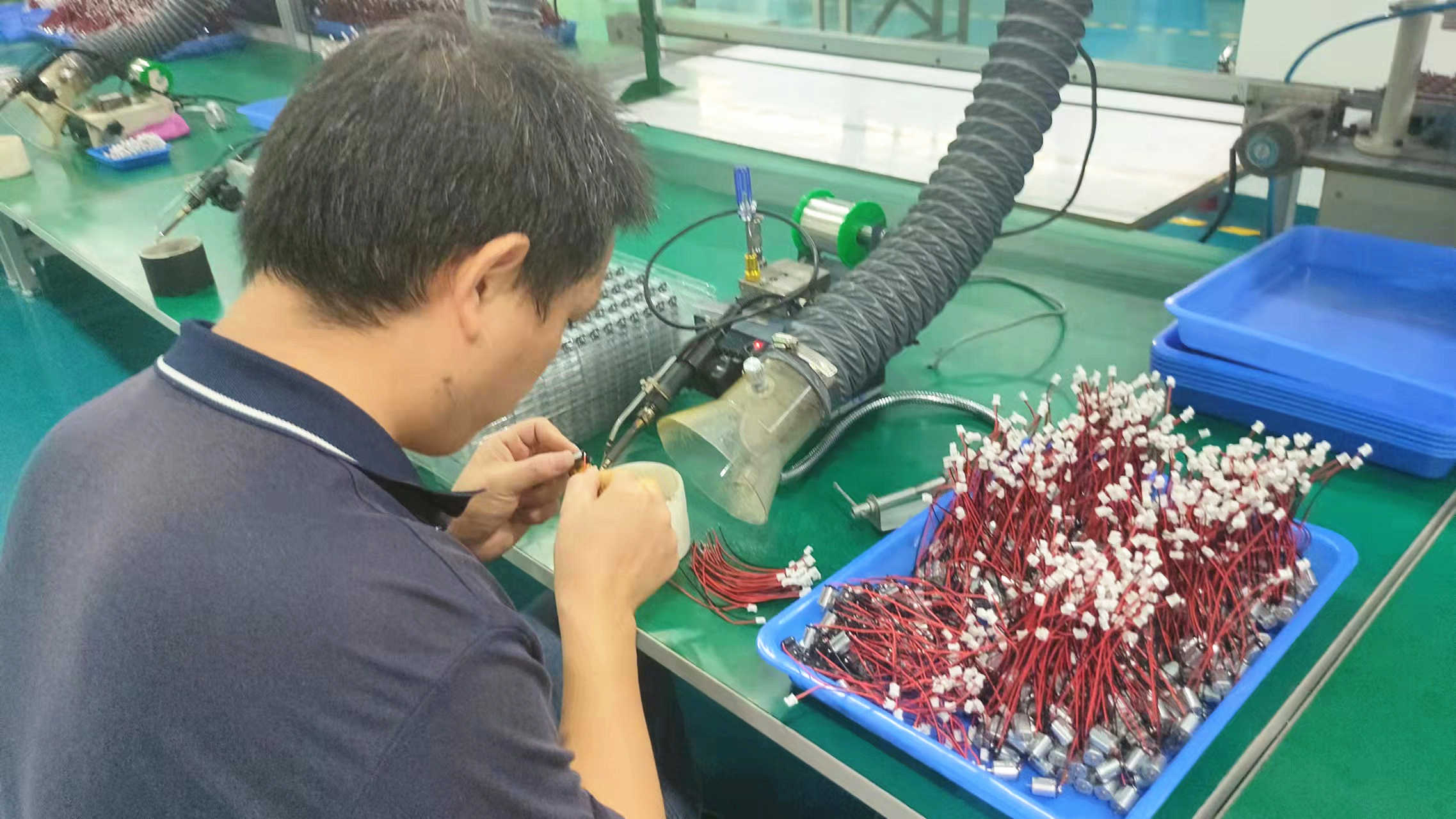
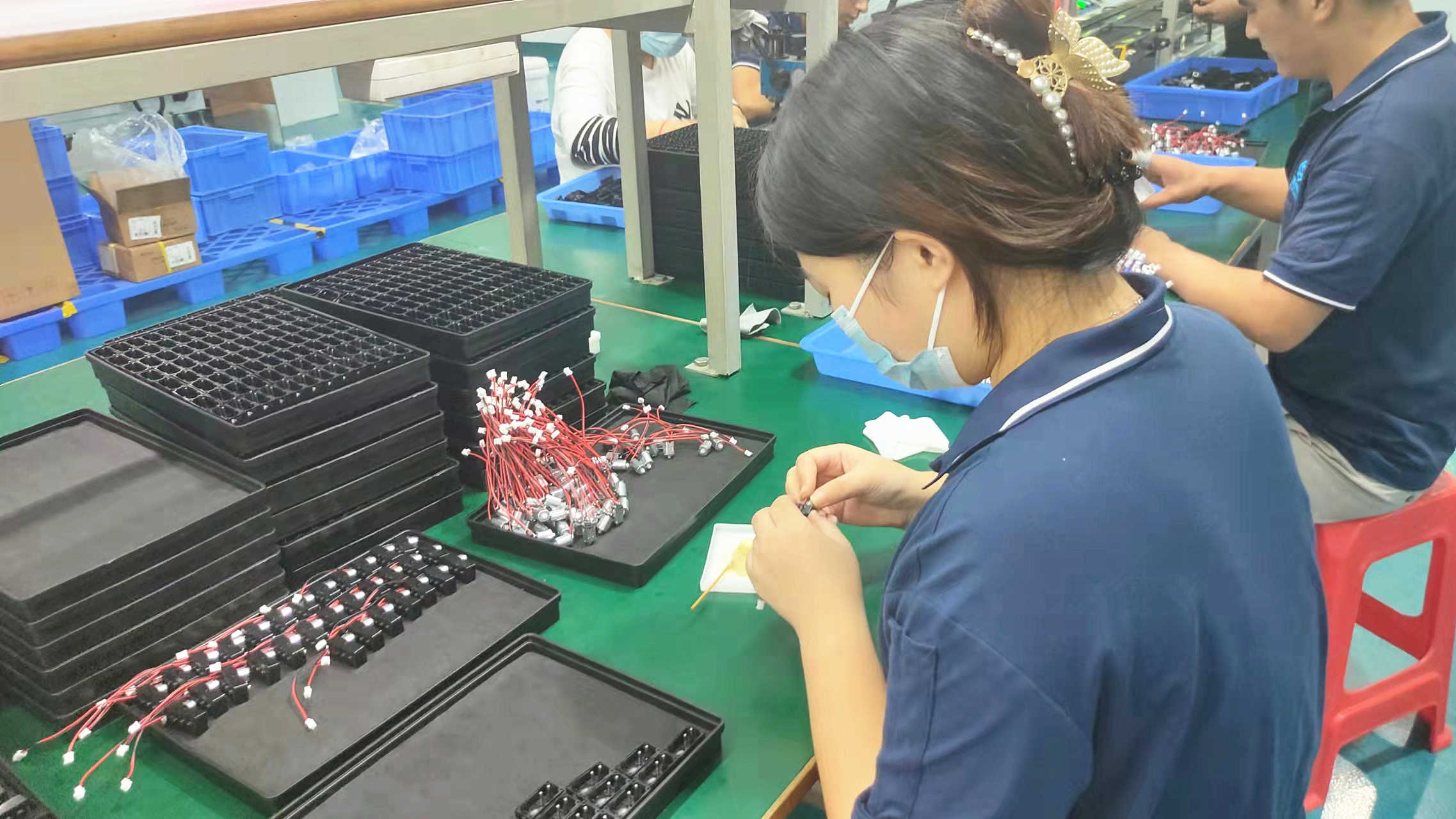
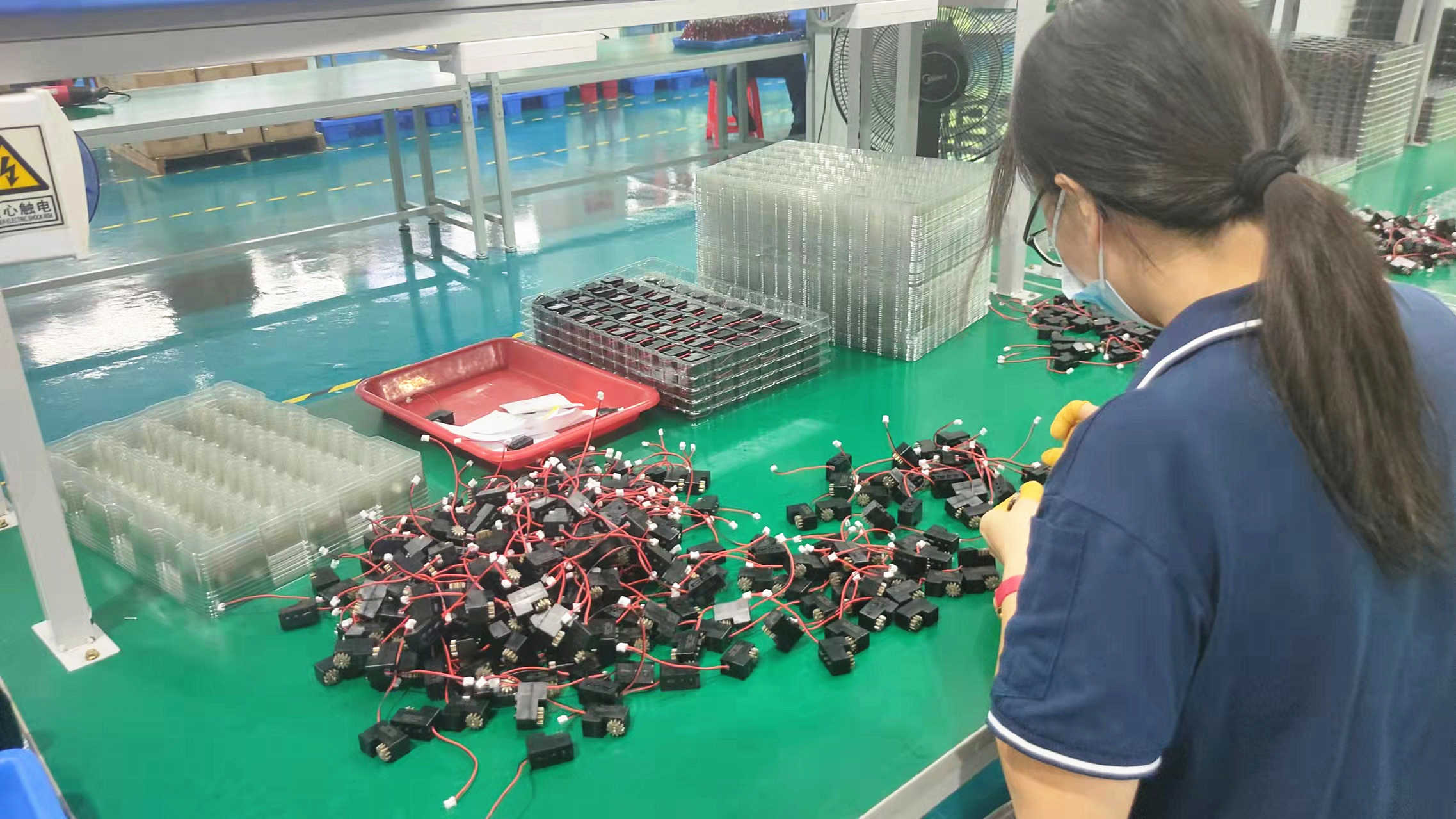
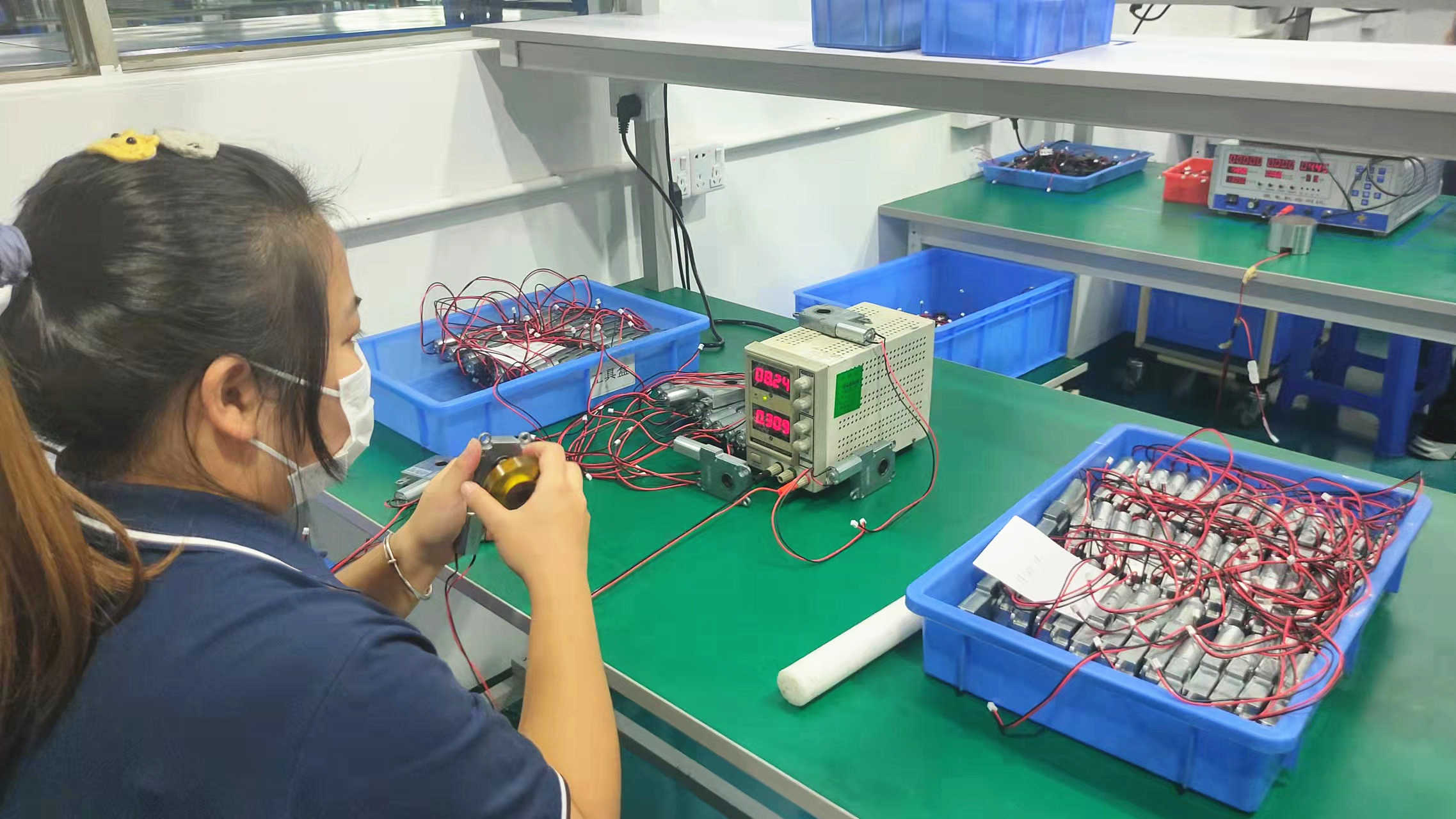
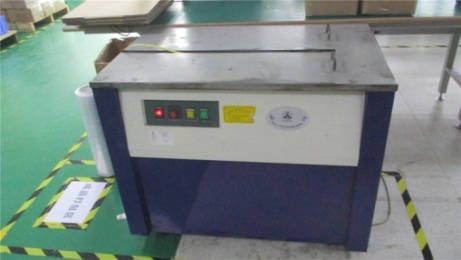
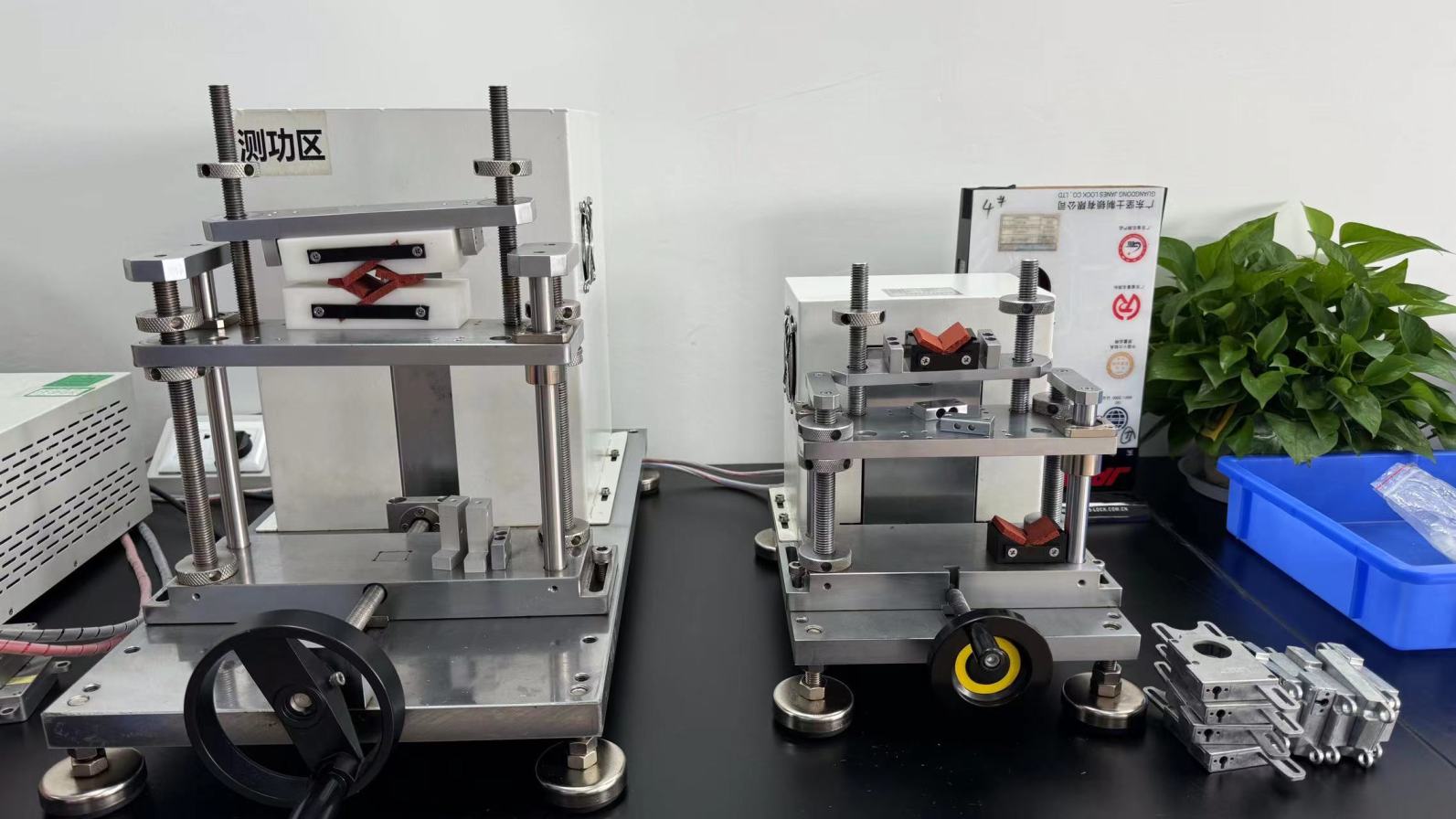
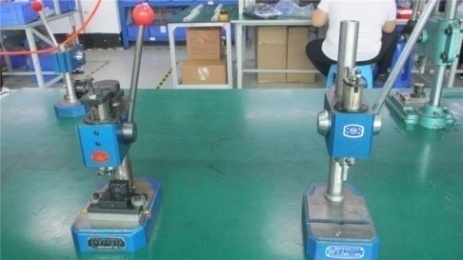
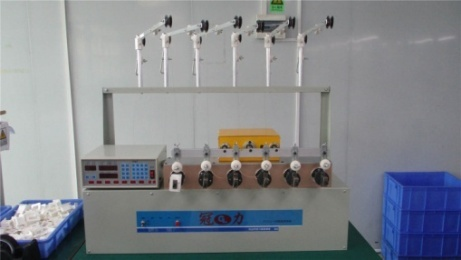
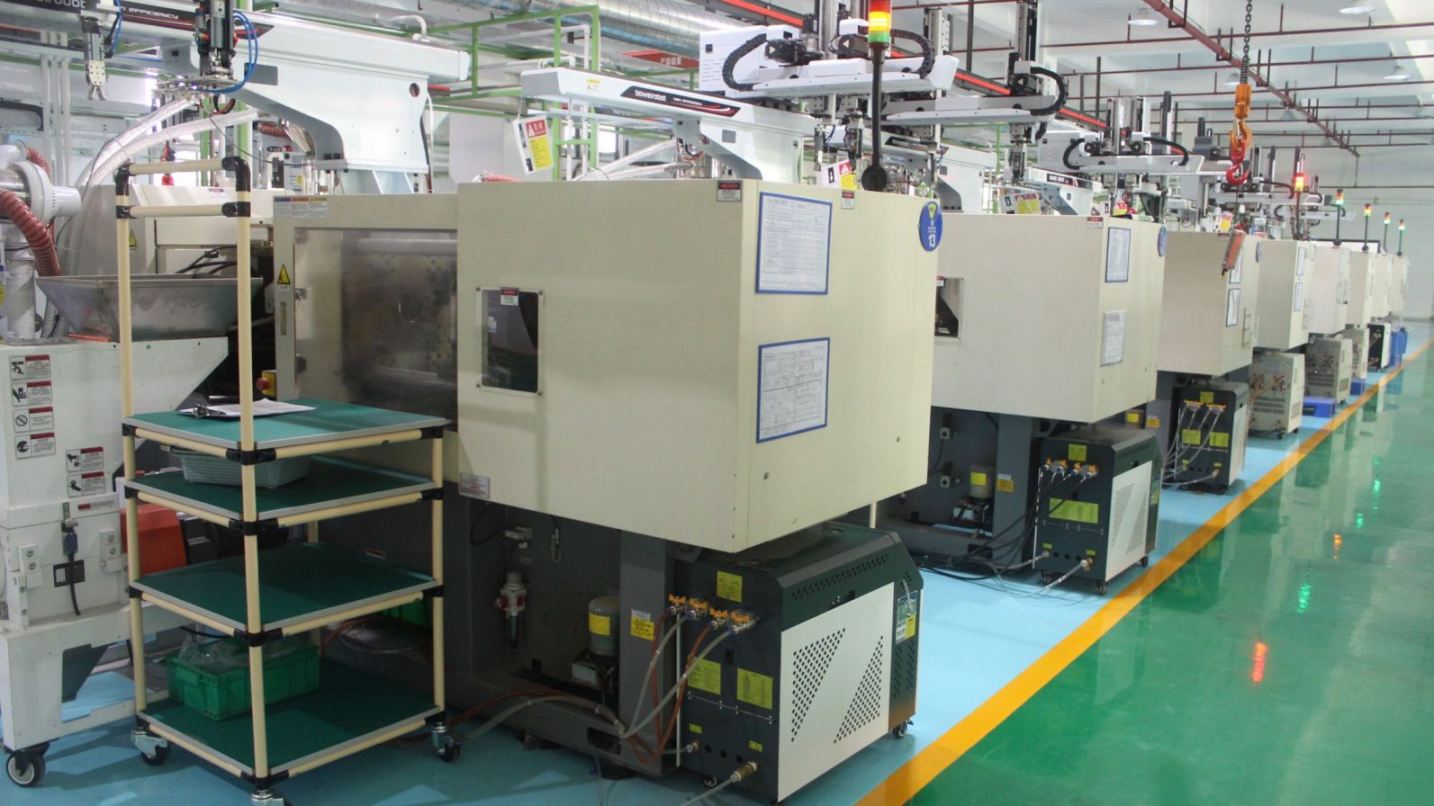
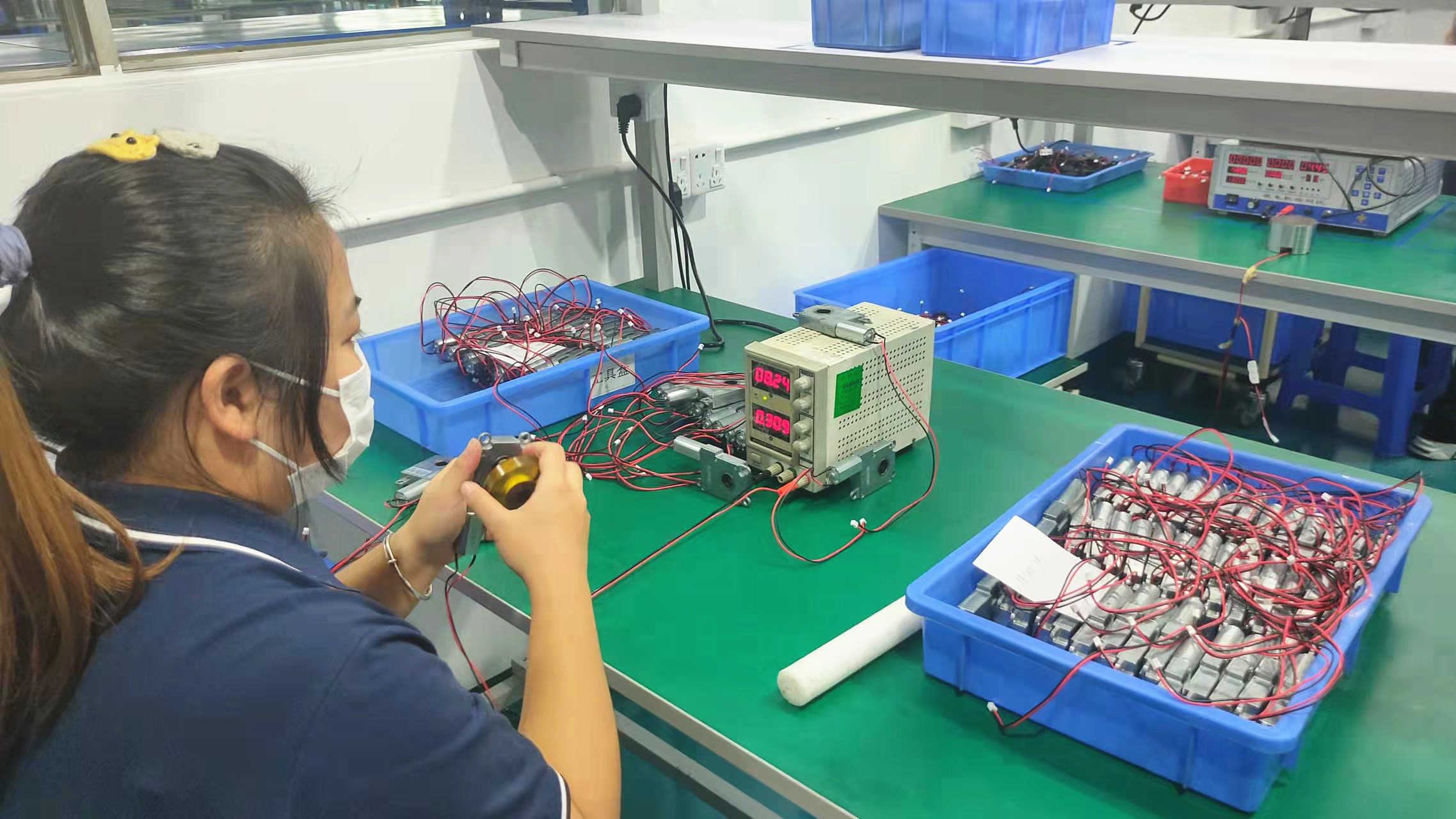
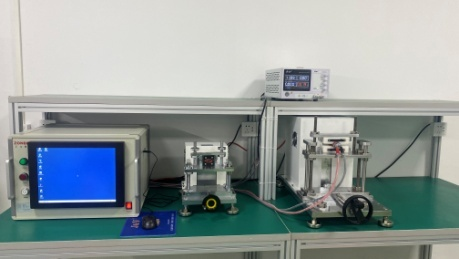
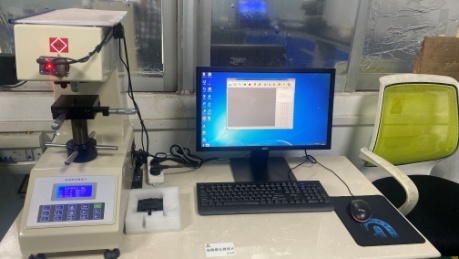
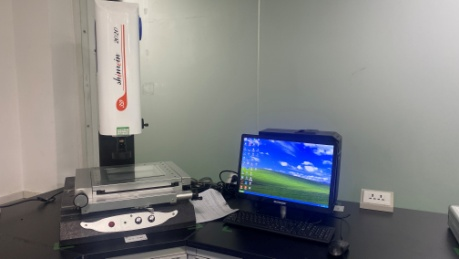
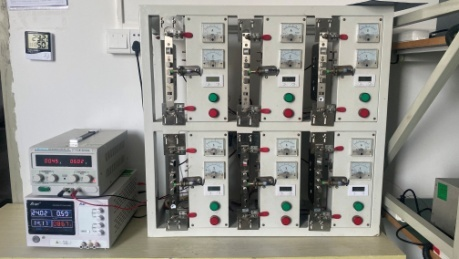
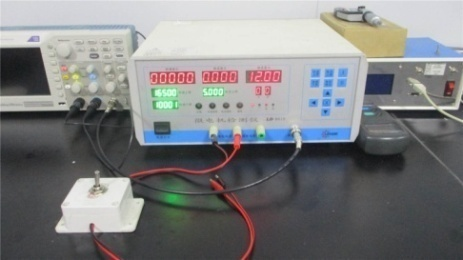
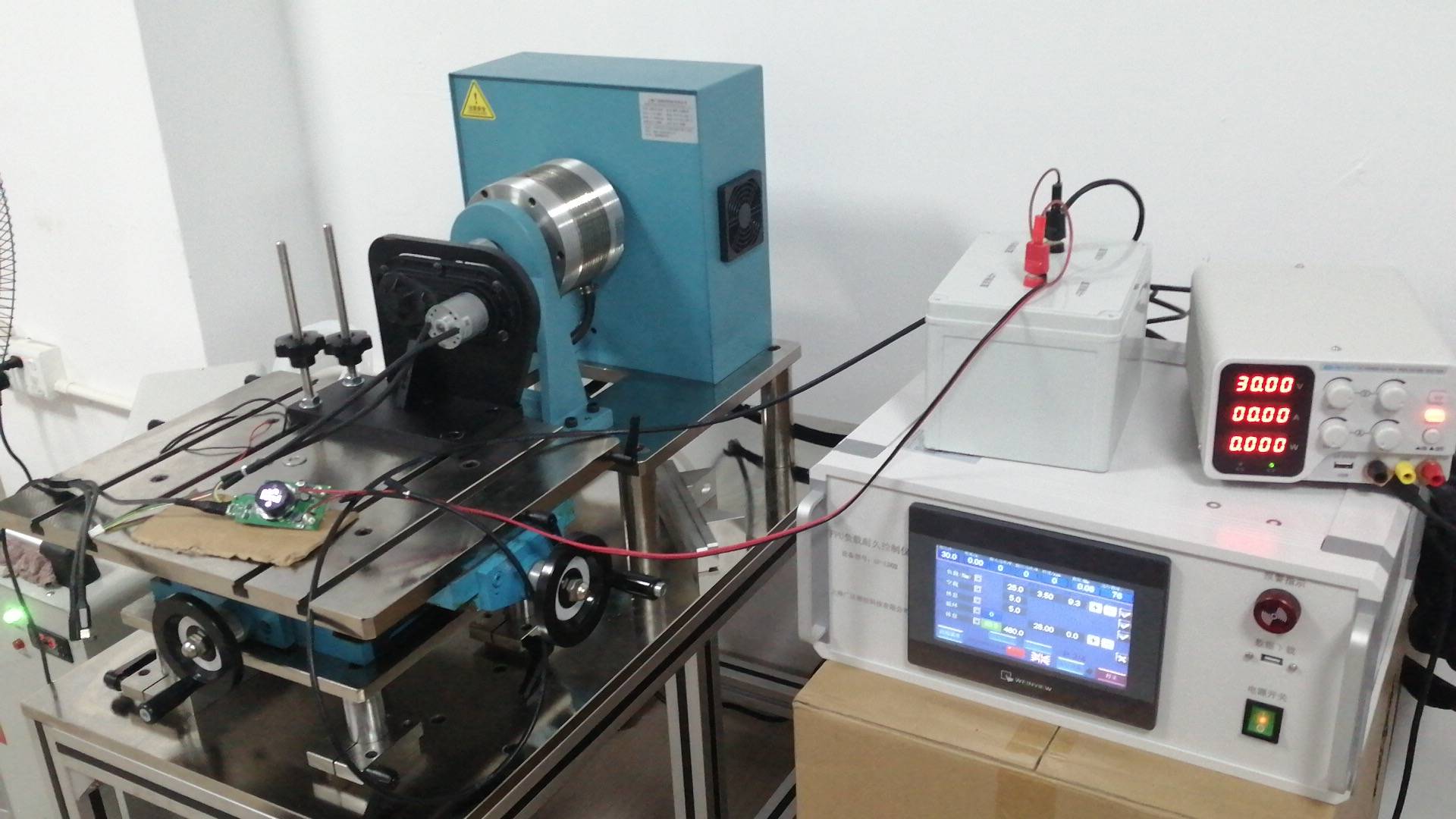
To maintain consistent quality for export to European markets, every stage of production at Vira Micromotor's ISO9001-certified facility is carefully monitored. The layout below details the path of our manufacturing process, ensuring each micro DC gear motor conforms to strict quality control limits before packaging.
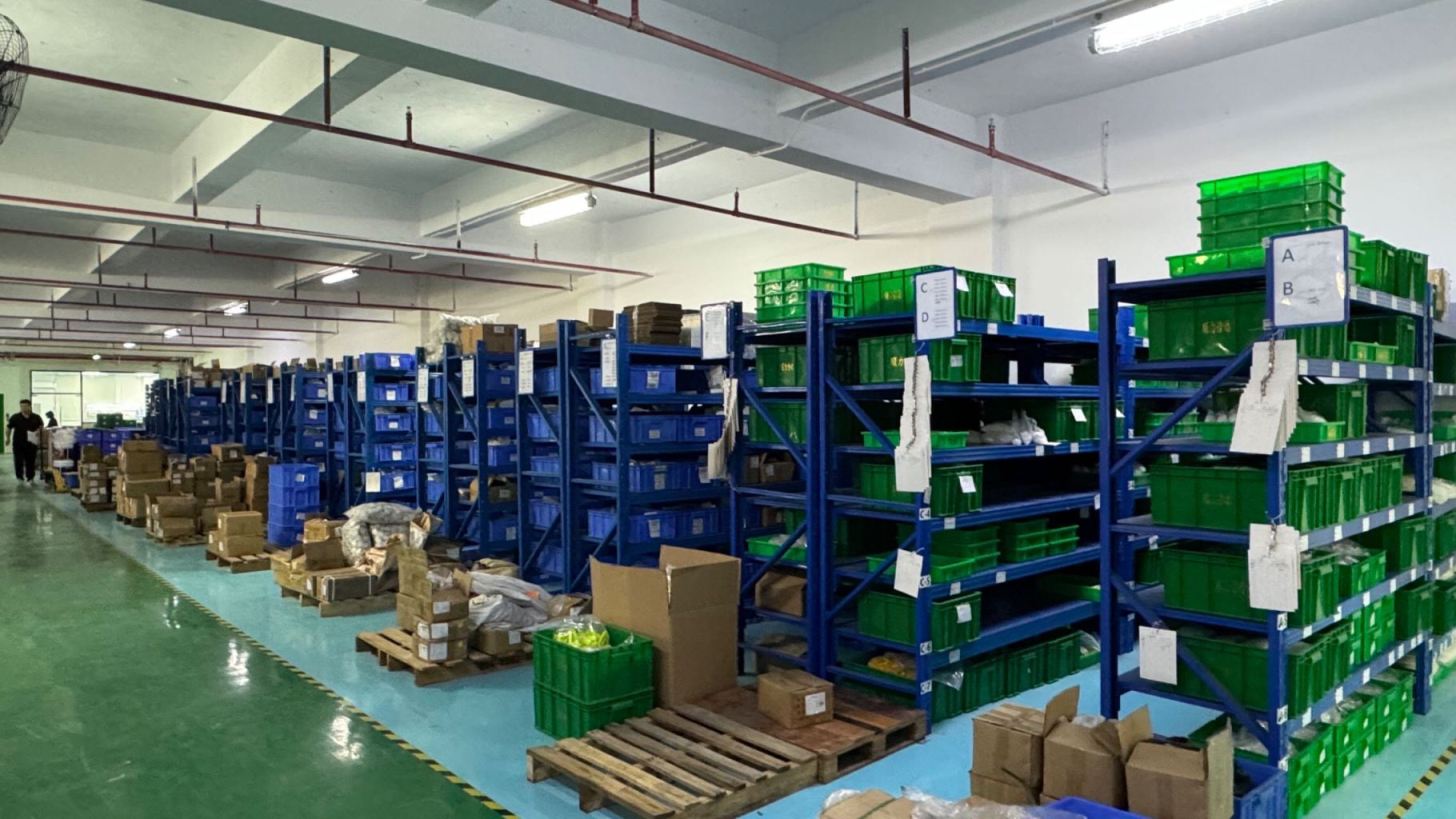
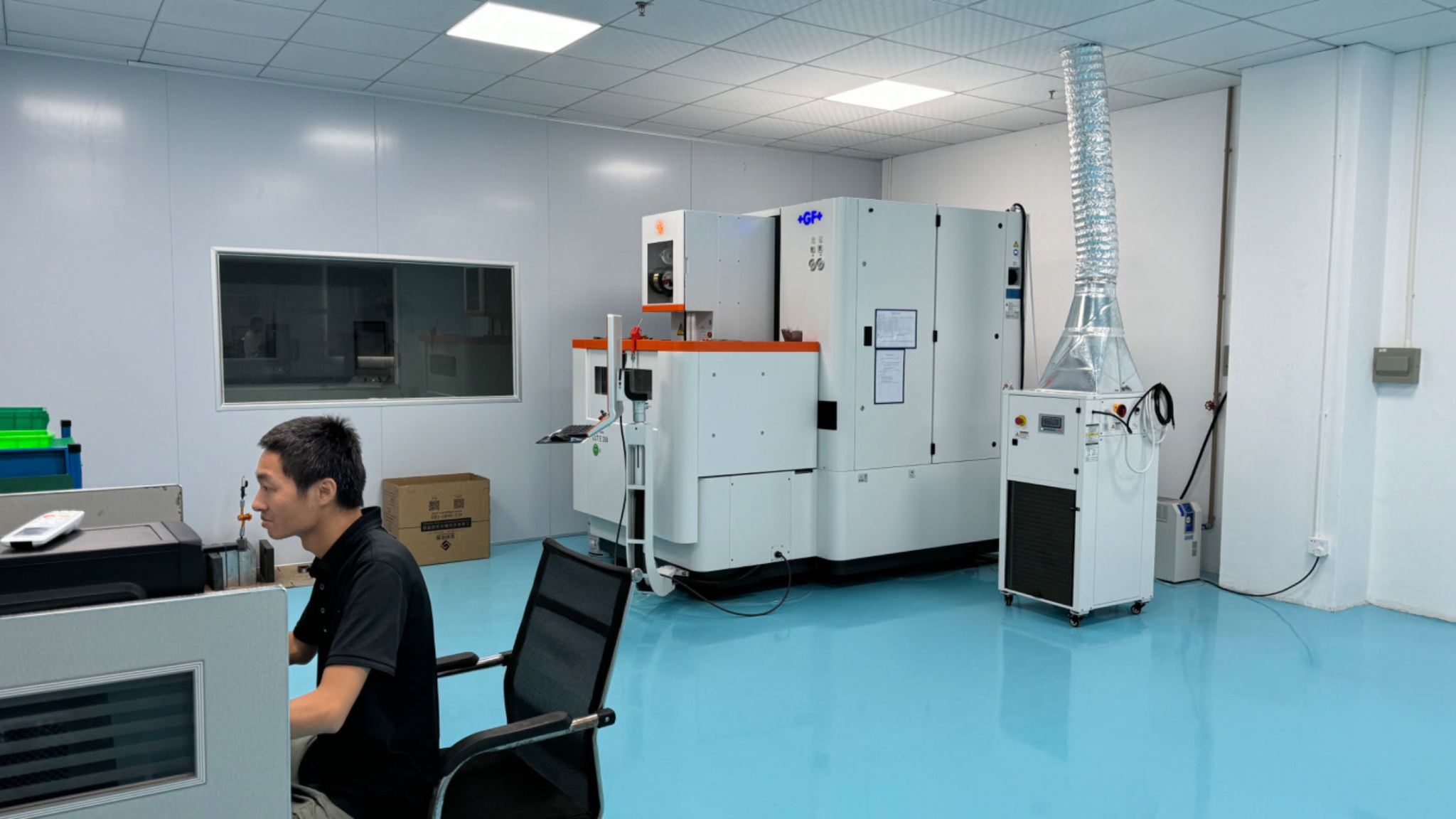
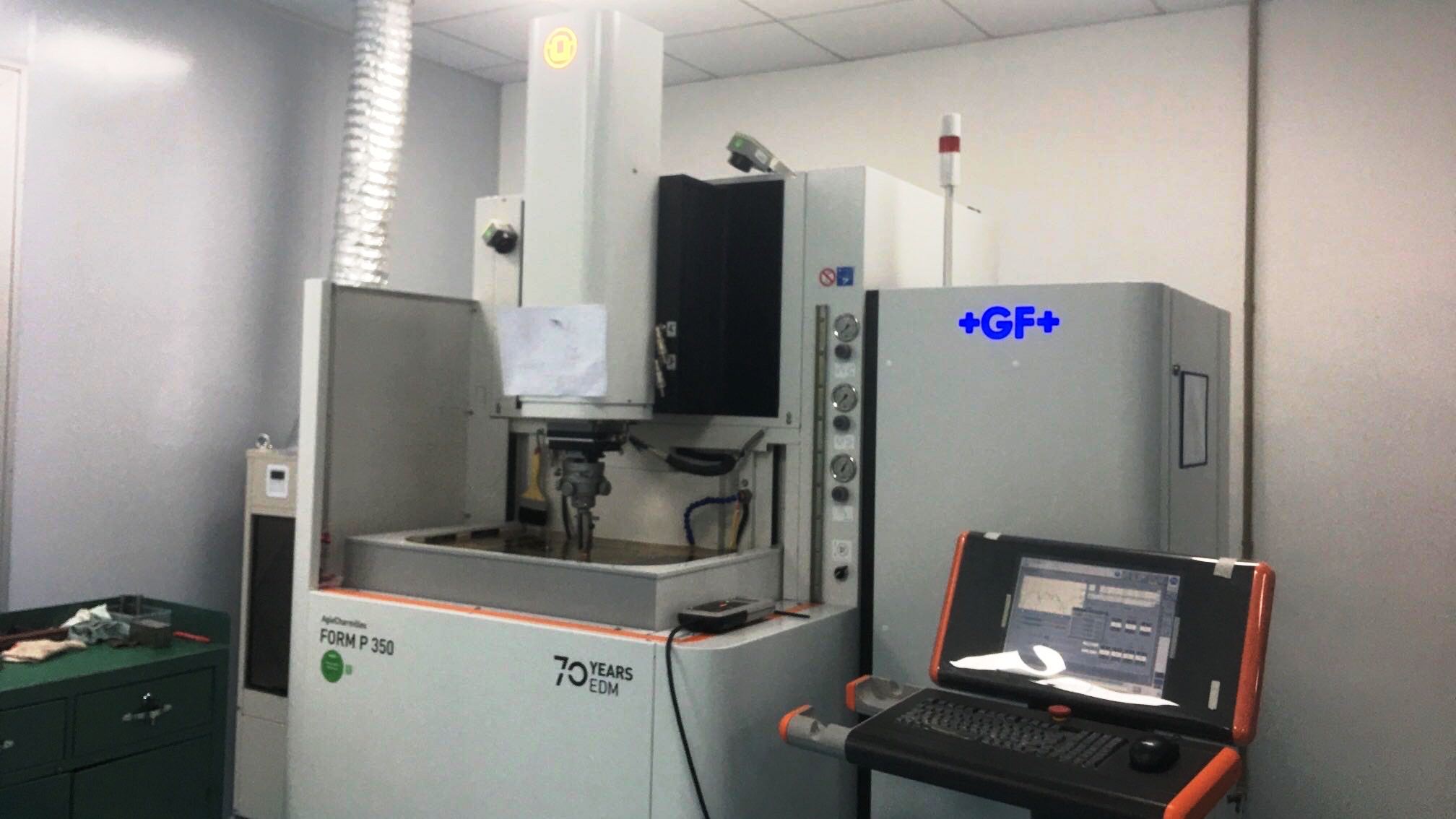
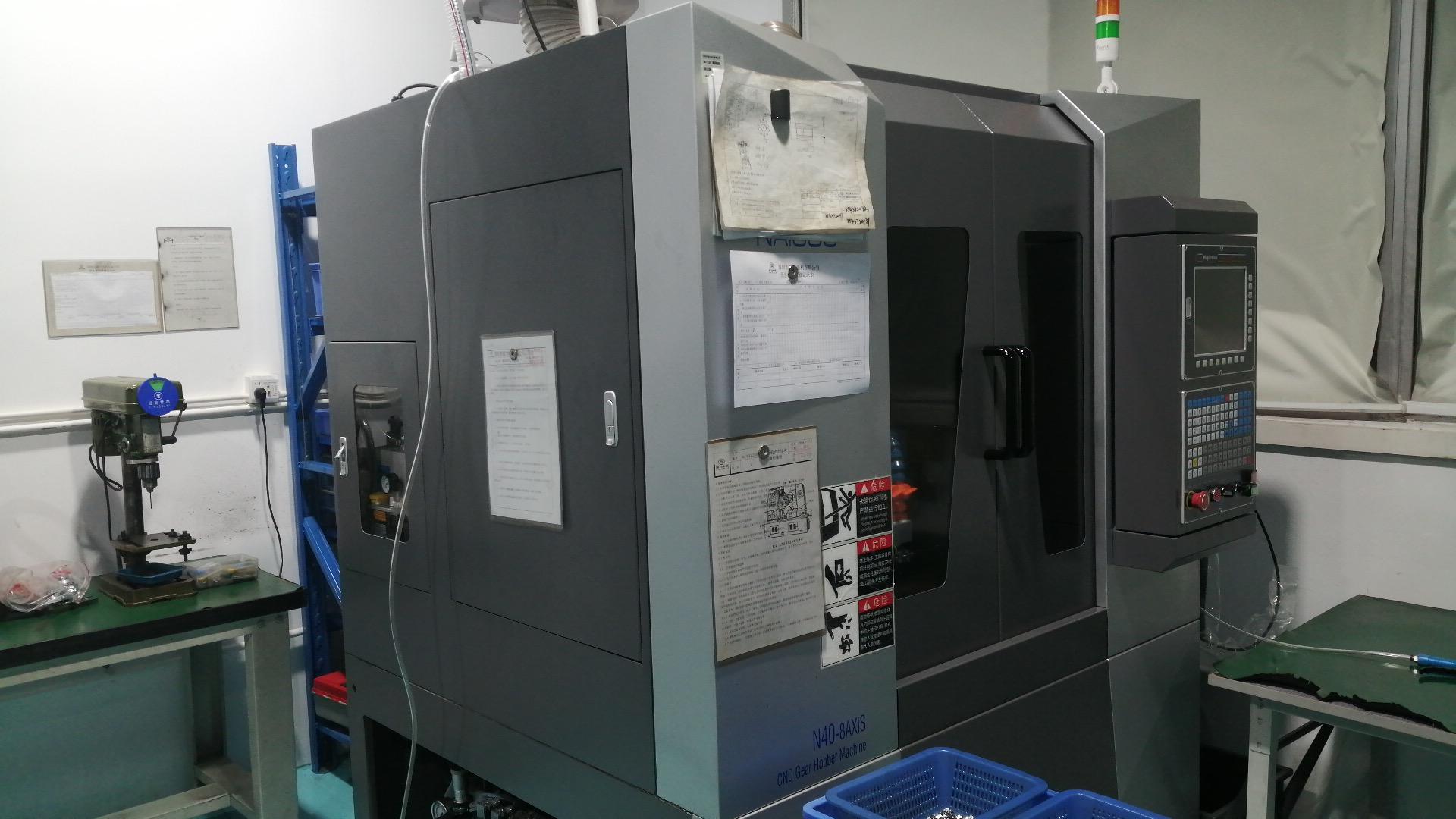
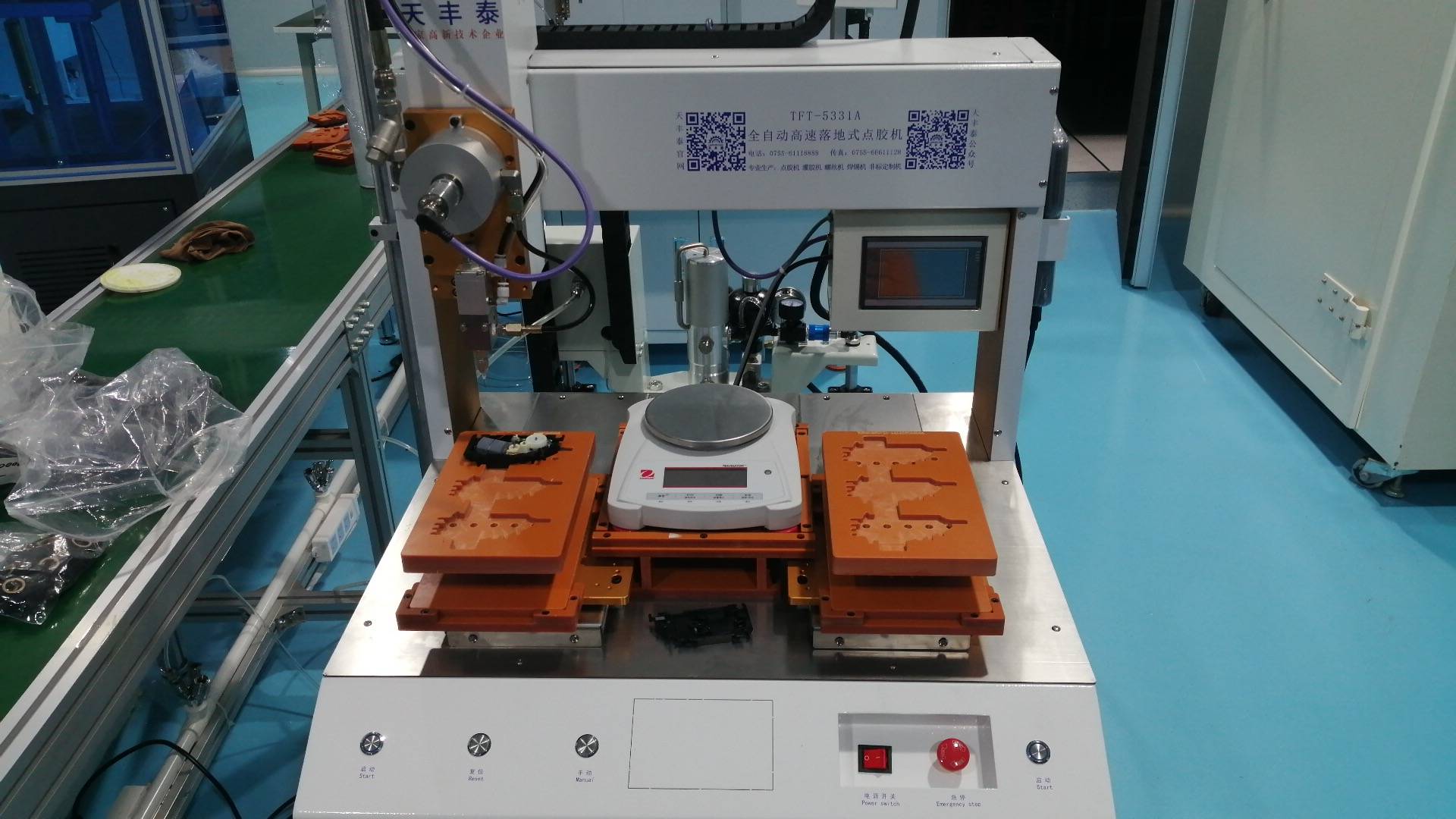
High-Precision CNC Machining and QA Machinery
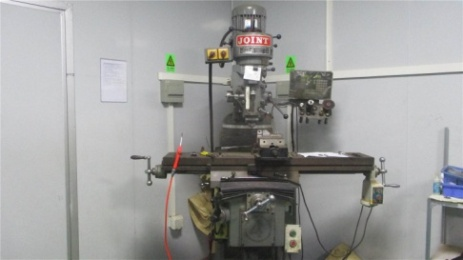
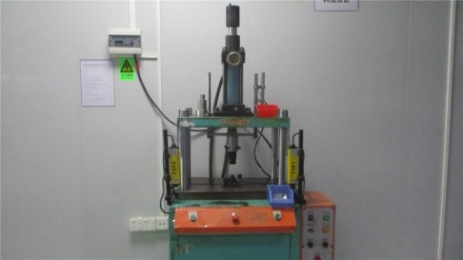
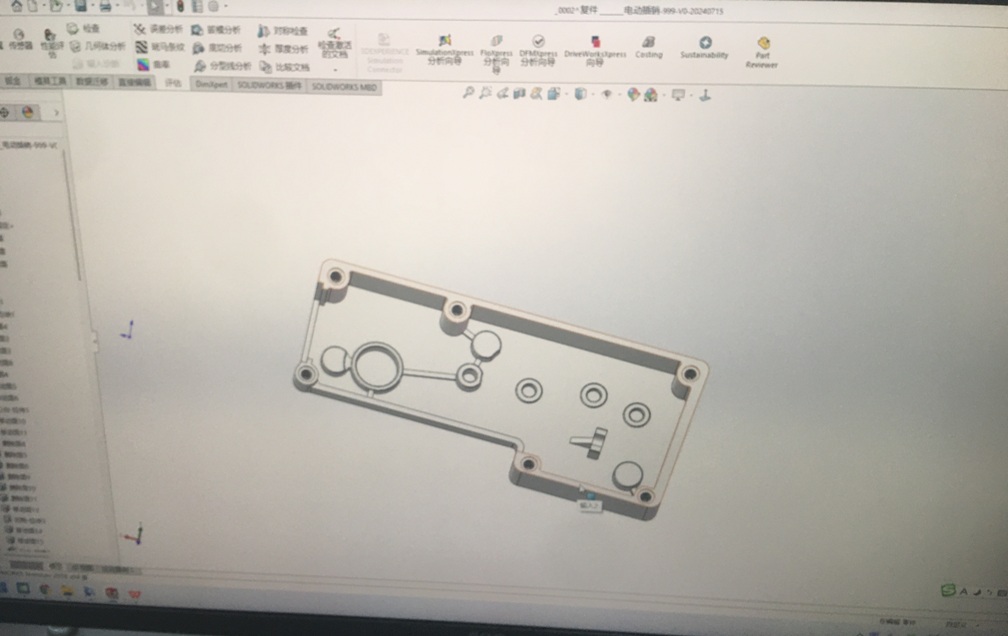
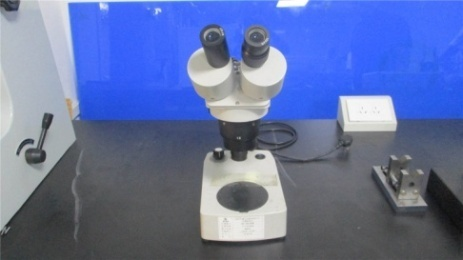
High-performance gear motors require micro-level precision. In smart locks, gear teeth profile errors of just a few microns can lead to increased backlash, binding, and elevated acoustic noise. Vira Micromotor employs world-class CNC tooling and inspection hardware, including specialized equipment from NINGJIANG MACHINE TOOL, slow-feeding NC wire-cut machinery, and automated gear riveting lines, to achieve these tolerances.
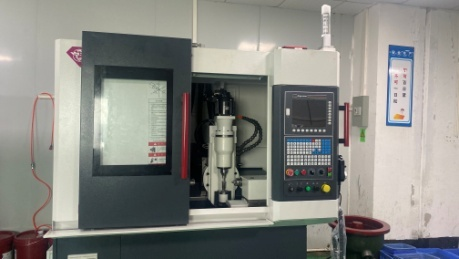
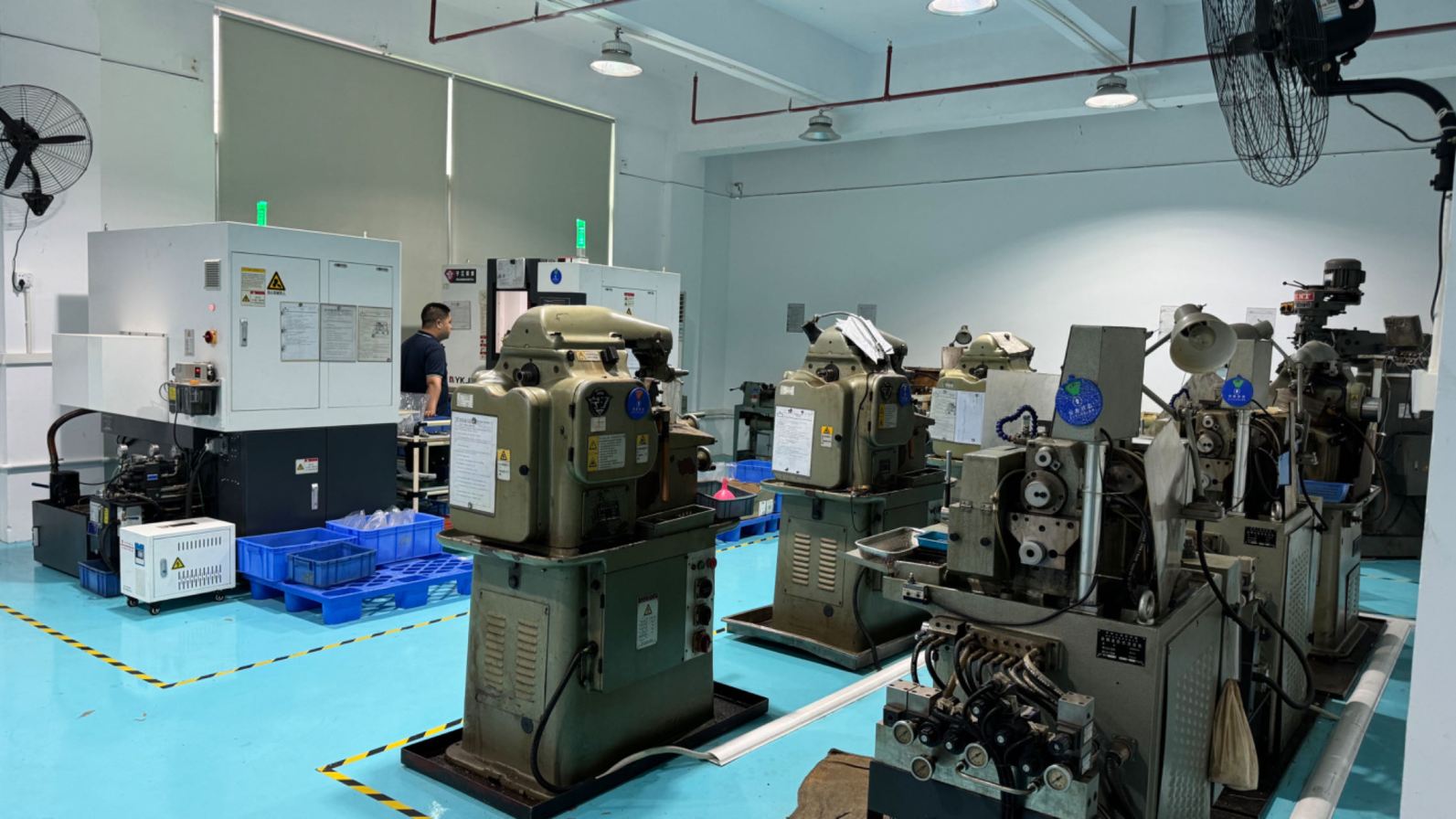
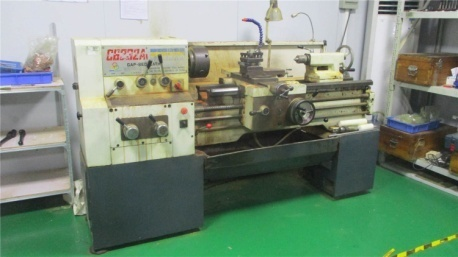
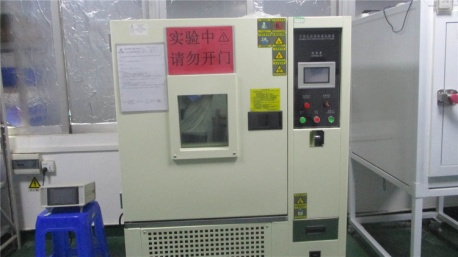
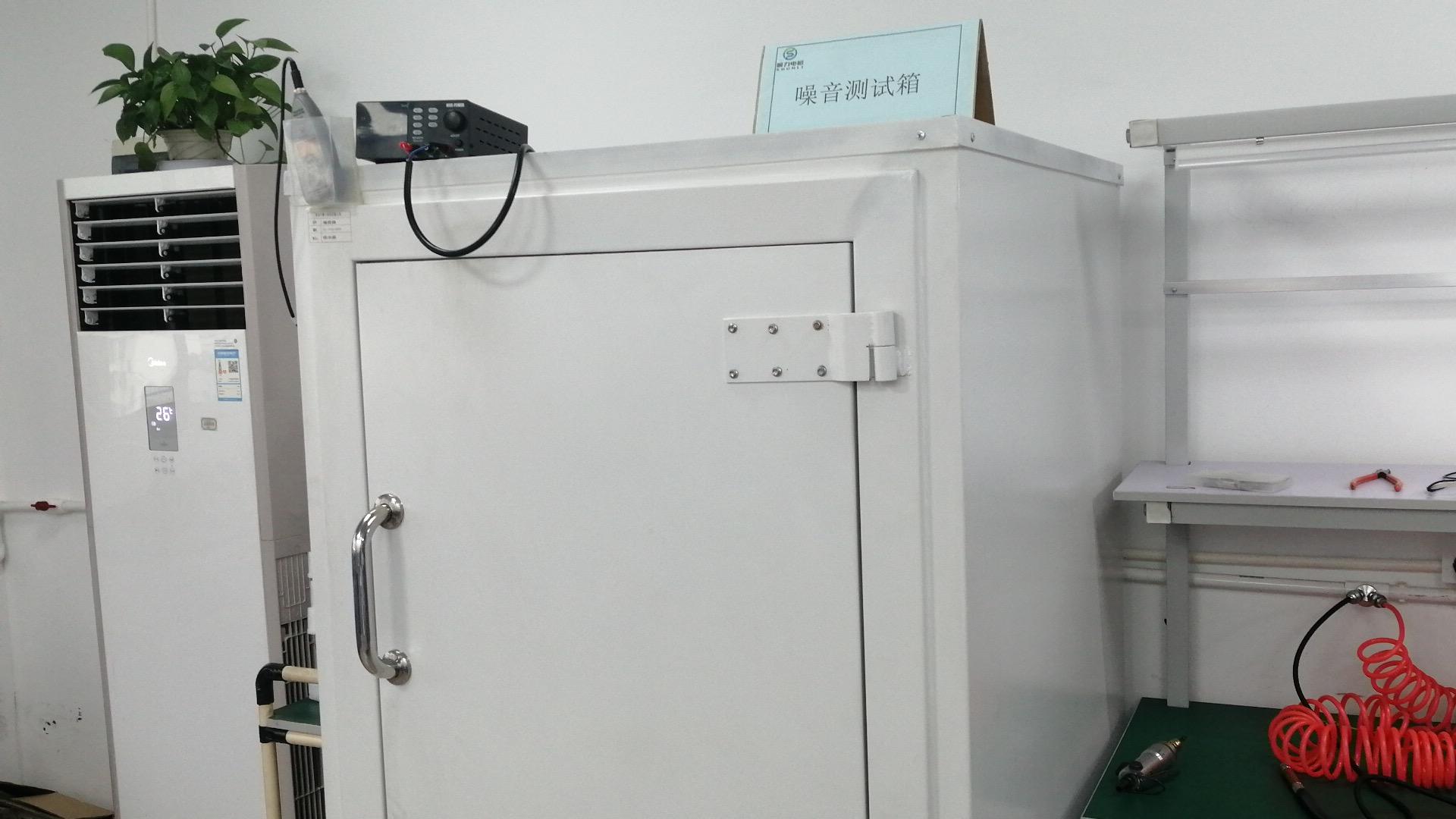
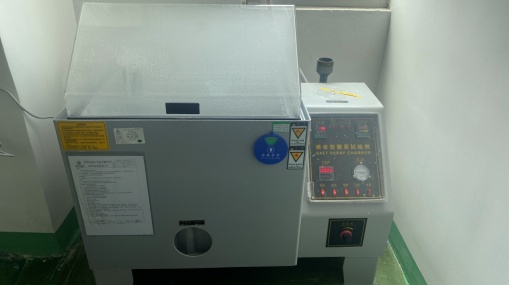
Environmental Simulation and Advanced QA Protocols
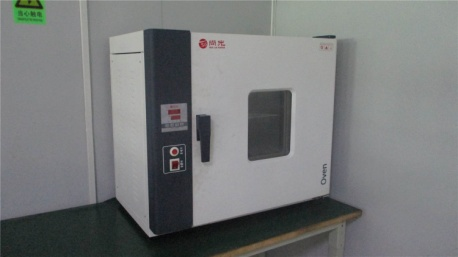
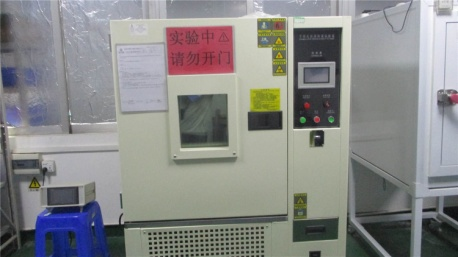
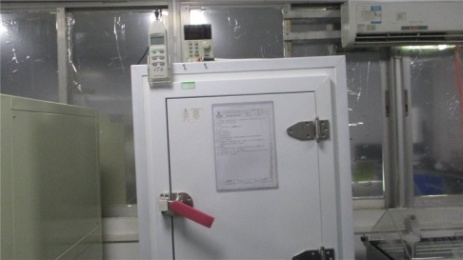
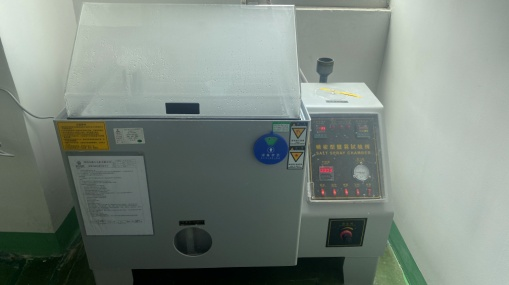
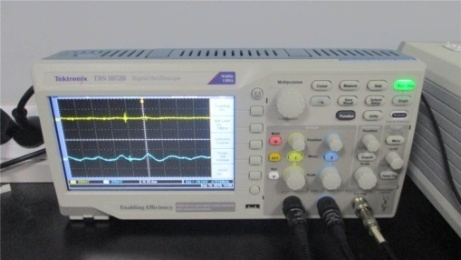
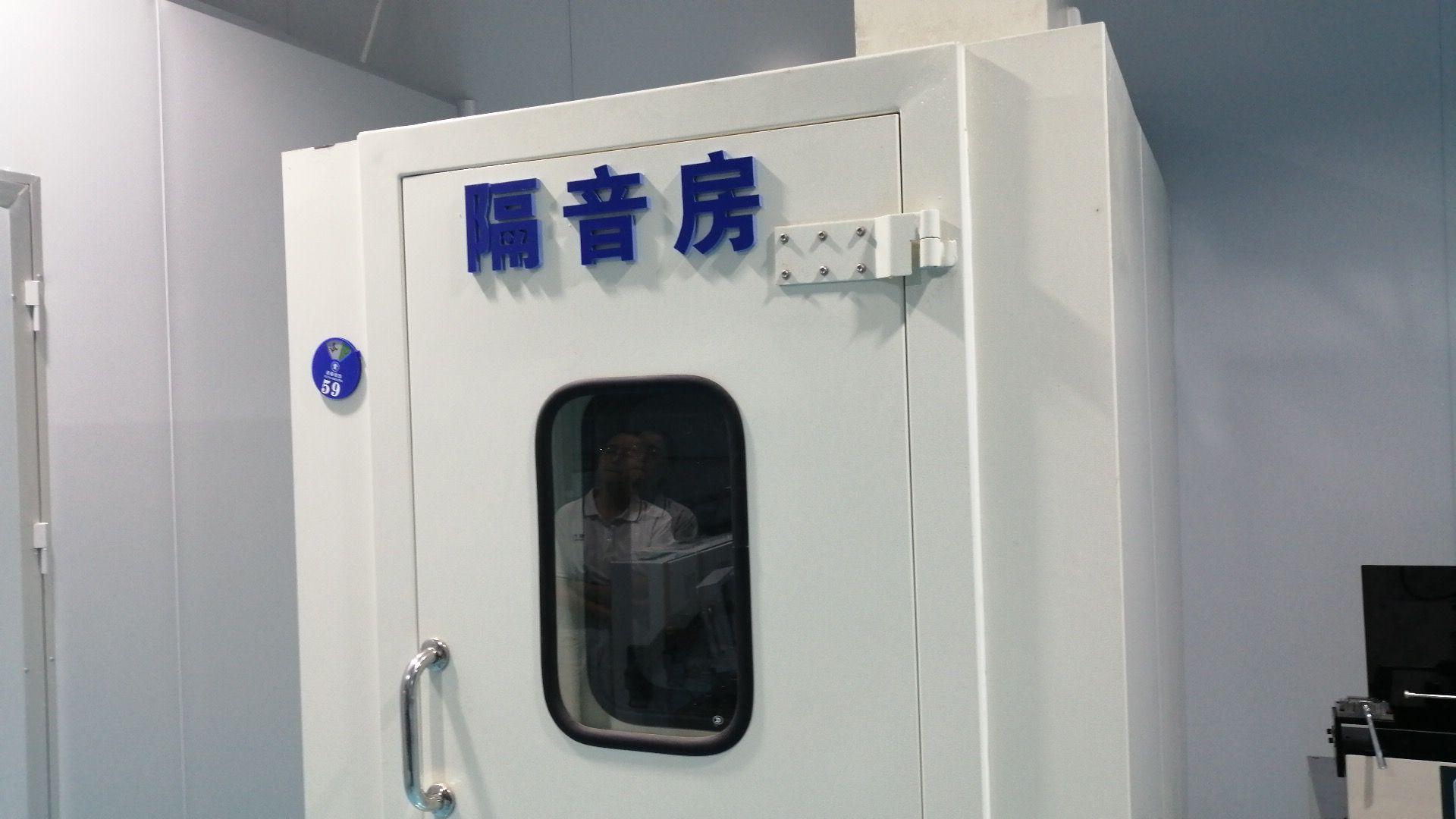
Poland's temperate climate exhibits seasonal temperature changes. We test our gear motors under simulated conditions inside environmental chambers, ensuring they maintain required torque parameters. We also utilize salt spray testers for marine/coastal applications, soundproof rooms for acoustic testing, and dynamometers to measure mechanical efficiency.
5. Global Supply Chain Resilience: The Chinese Factory Advantage
For Polish hardware manufacturers (Stolarka otworowa) competing globally, supply chain resilience is a core competitive factor. Sourcing micro-drives directly from our Chinese manufacturing facility provides a balanced combination of flexibility, cost control, and rapid adaptation:
- Integrated Production Ecosystem: Our facility manages all production stages in-house, from injection molding of plastic gears to high-speed winding and gear hobbing. This integration reduces production cycle times and allows for rapid delivery to European ports.
- OEM/ODM Customization: We offer custom engineering solutions, tailoring shafts (D-cuts, knurling, keyways), lead wires, connectors, and mounting plates to minimize integration time on your assembly lines.
- Regulatory and Compliance Support: All shipments include complete documentation, including material test certificates, CE reports, RoHS declarations, and REACH registration forms. This ensures compliance when importing components into Poland and exporting finished products across the EU.
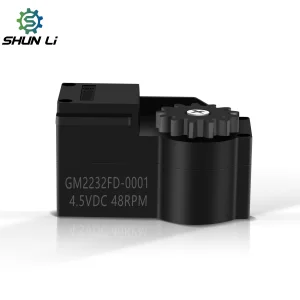
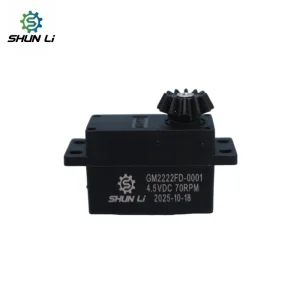
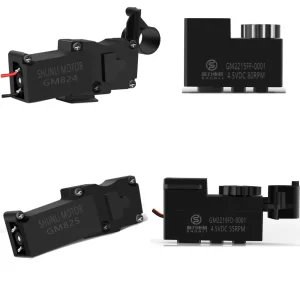
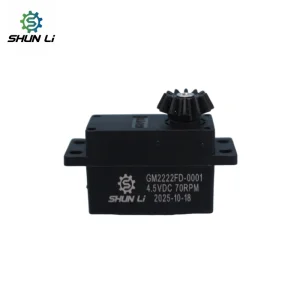
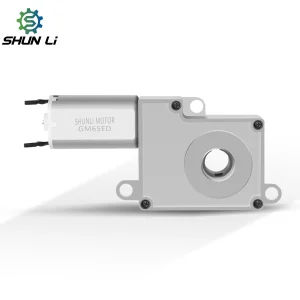
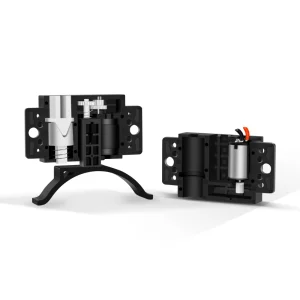
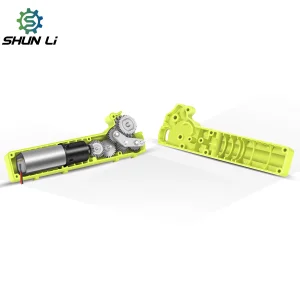
Poland Residential & Commercial Smart Lock Motors
Explore our technical range, engineered for low noise, high start torque, and durability.
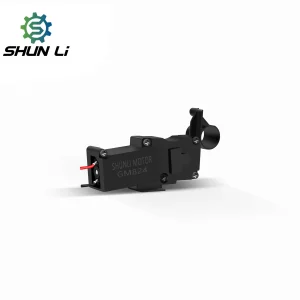
Poland Specialty Security System Motors
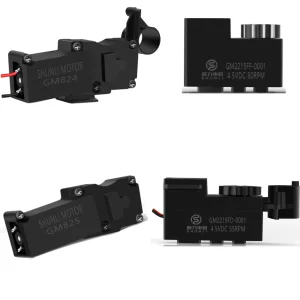
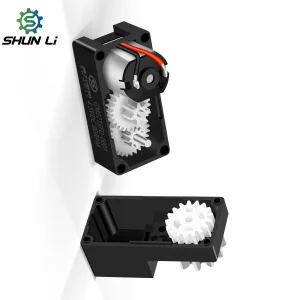
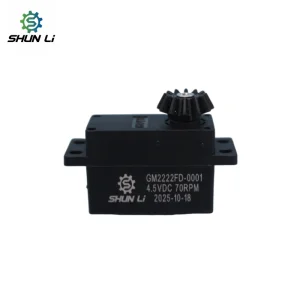
Patented designs and low-speed, high-force lock motors ideal for safety escape doors and panic devices.
6. Technical Roadmap & Future Trends in Smart Lock Actuators
The smart lock industry is shifting toward more integrated, smaller, and efficient drive systems. Hardware engineers in Poland should consider these emerging technical trends:
From PMDC Brushed Motors to BLDC (Brushless) Technology
Brushed DC motors are common in residential applications due to their simple control requirements and cost-effectiveness. However, commercial locks and high-security infrastructure are increasingly adopting brushless DC (BLDC) motors. BLDC motors eliminate physical brush wear, extending the motor's operational lifetime, reducing electrical noise, and providing high efficiency. This is highly suitable for high-traffic access control systems where downtime must be minimized.
Sensor Integration for Real-Time Feedback
Modern smart locks increasingly require precise positioning of the lock bolt. By integrating magnetic Hall-effect sensors or optical encoders directly onto the motor's back shaft, lock microcontrollers can track motor rotation down to a fraction of a degree. This real-time feedback allows the system to detect jams, warn of unlatched doors, and adjust torque output to match resistance, preventing motor strain and gear wear.
Compact Planetary Gearboxes
In space-constrained designs like smart cylinder inserts, traditional spur gearboxes may not fit. Coaxial planetary gearboxes distribute the torque load across multiple planet gears, providing high torque density in a compact cylindrical profile. This allows lock manufacturers to build secure mechanisms within standard European cylinder dimensions.
SEO Value-Add: By choosing Vira Micromotor, you gain access to an established manufacturer with an in-house engineering team capable of customizing these technologies. We provide complete 3D CAD models, material specifications, and rapid prototyping services to align with your product development cycles.
Technical FAQ: Motor Design for Access Control
Answers to common engineering questions regarding the selection and integration of smart lock micro-motors.
Connect with Our Engineering Team
We assist with sample evaluation, custom shaft modifications, and production planning for lock manufacturing projects in Poland.
Send Inquiry Now