Korean Standard Smart Lock Gear Motors
Engineered for high starting torque, ultra-low operating currents, and silent mechanical operation.
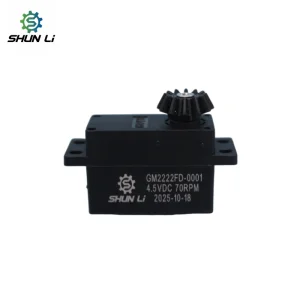
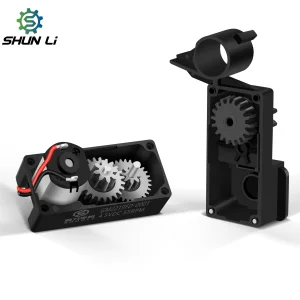
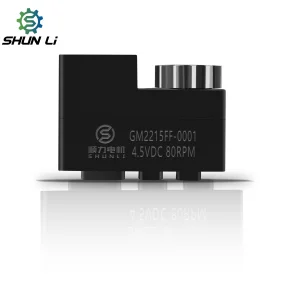
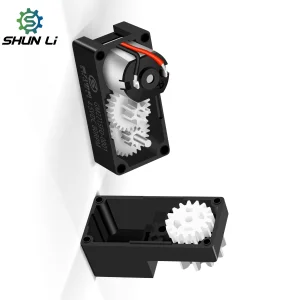
The Core of Precision Motion: Inside Vira Micromotor
At Vira Micromotor, we believe that the trend toward miniaturization shouldn't mean a compromise in power. As a premier manufacturer specializing in high-performance Micro DC Motors, DC Gear Motors, and Brushless DC Motors (BLDC), we have spent twenty years mastering the science of miniature motion control.
From our state-of-the-art, ISO9001-certified manufacturing facility, Vira Micromotor bridges the gap between China’s supply chain efficiency and global technical standards. Our micro-drives are chosen globally by product designers and procurement managers in smart home automation, automotive electronics, medical hardware, and robotics for their exceptional power-to-size ratio, whispering-quiet acoustics, and ultra-long lifespans.
We don’t just stamp out standard components—Vira Micromotor thrives on flexible OEM/ODM custom-engineered solutions. Powered by an elite in-house R&D team holding multiple drive-tech patents, we provide rapid prototyping and seamless technical collaboration. From specific voltage tuning and specialized gear ratios to custom shaft modifications, we engineer the precise Vira Micromotor around which your next innovation will revolve.
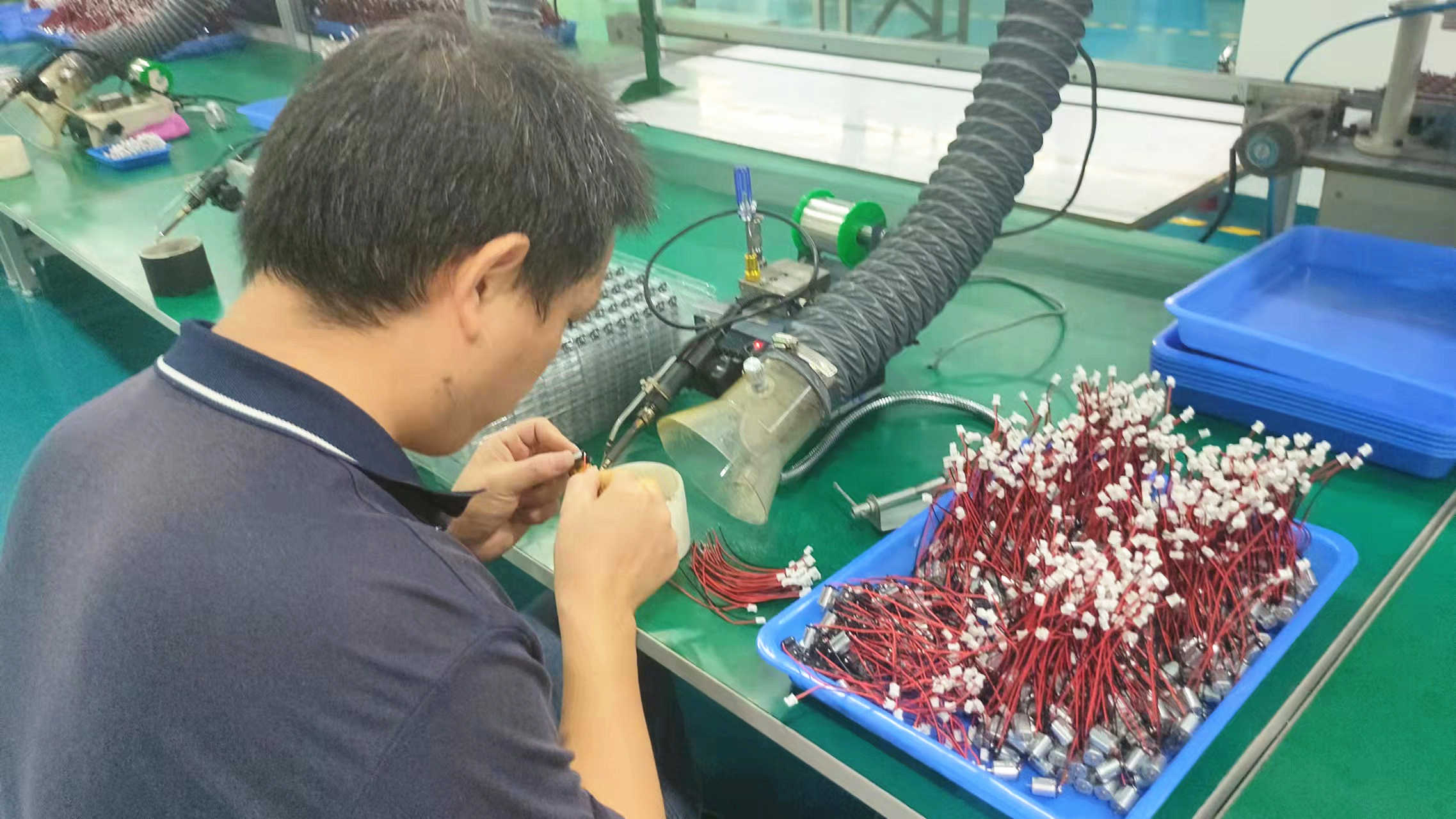
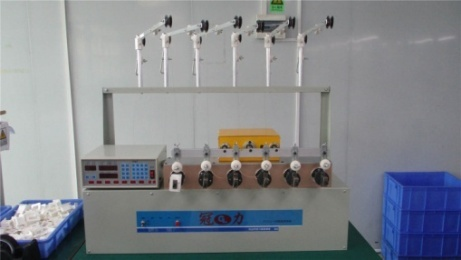
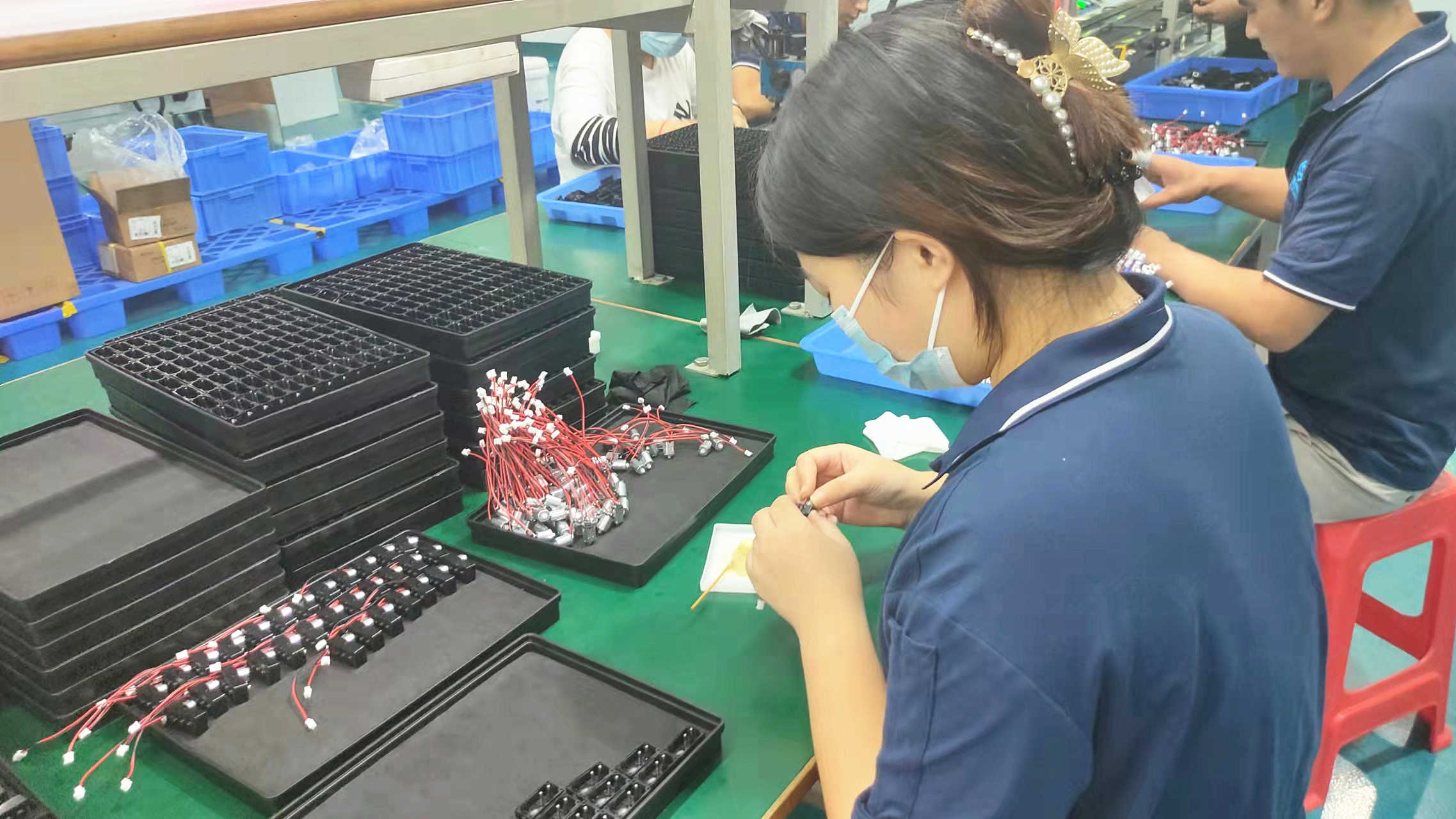 Soldering
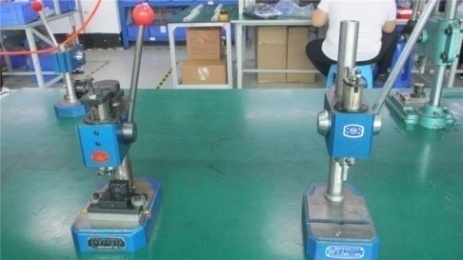
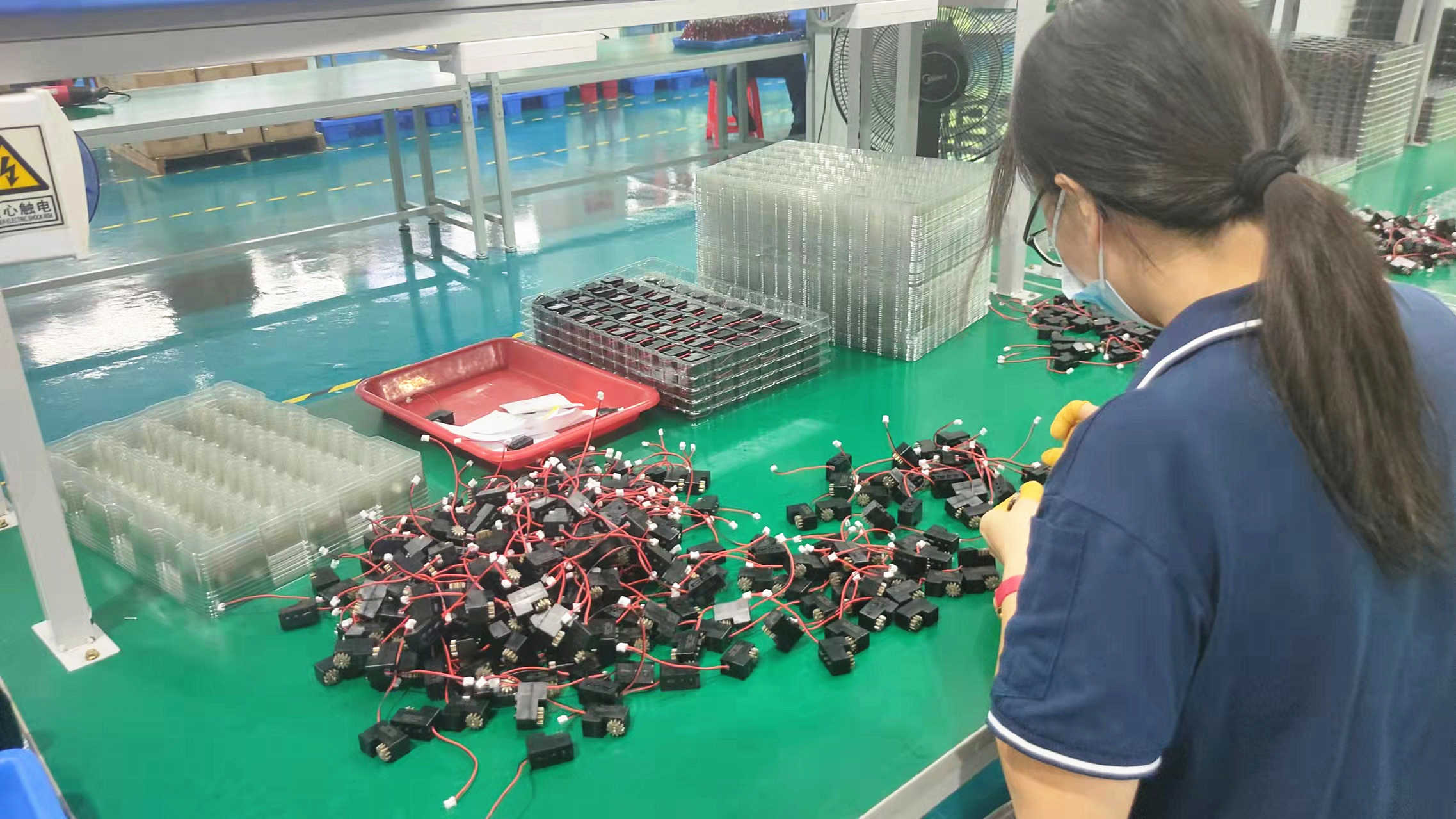 Assembling
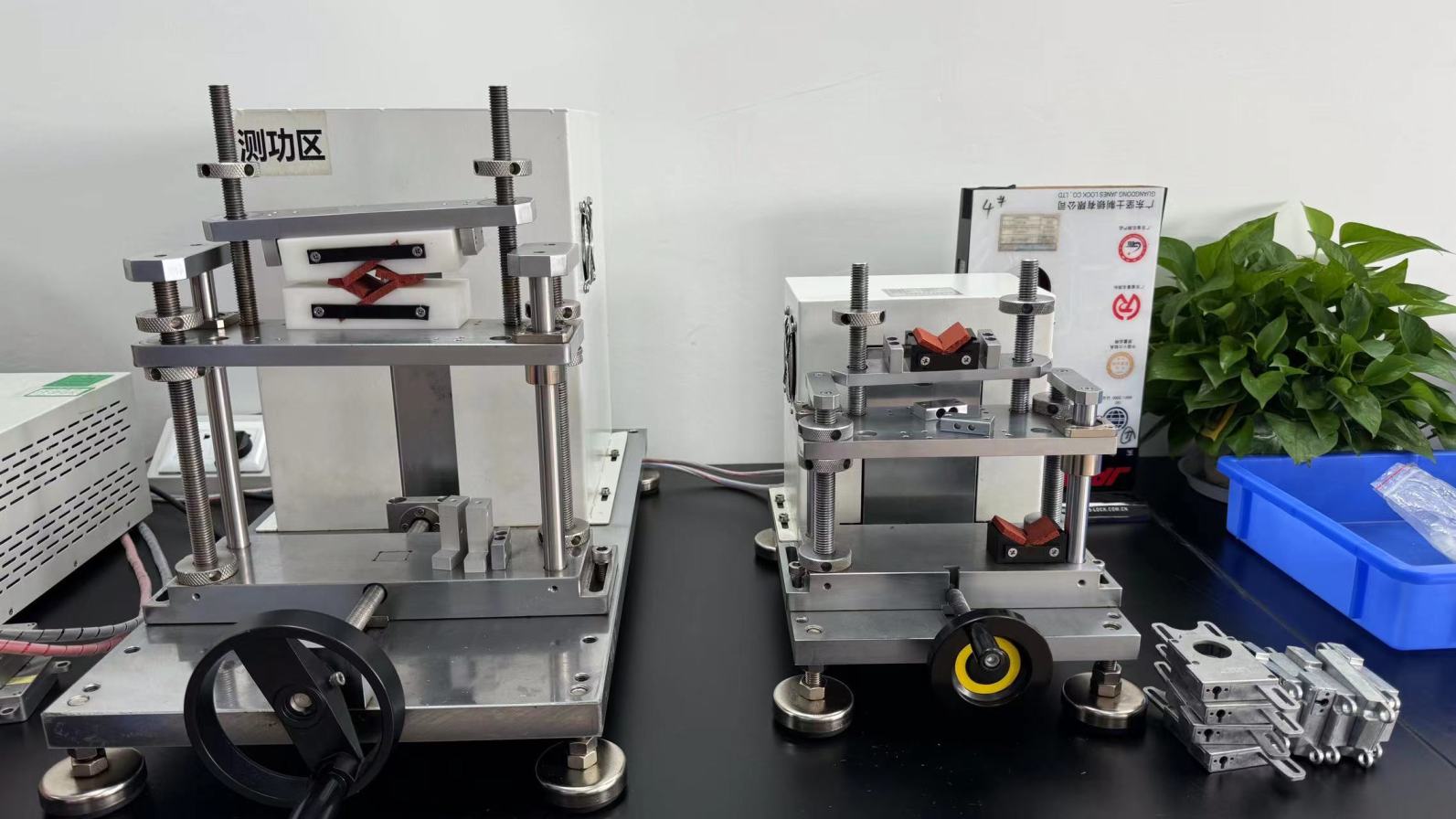
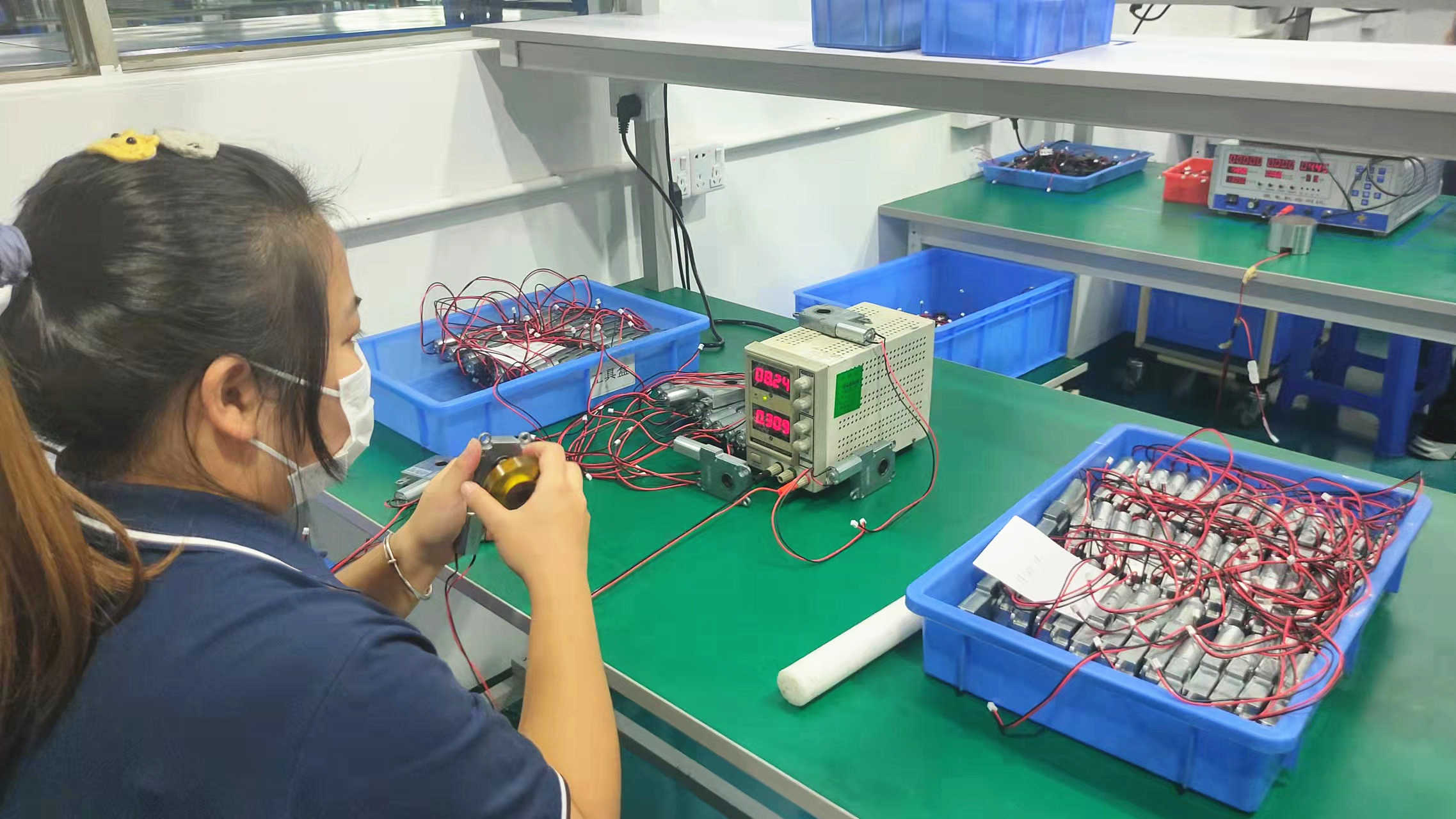 Testing
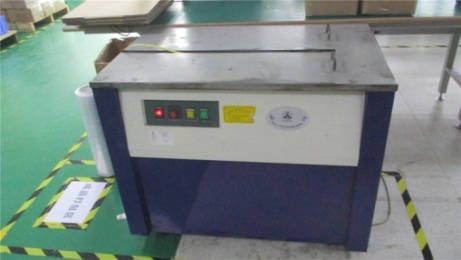
 Packing
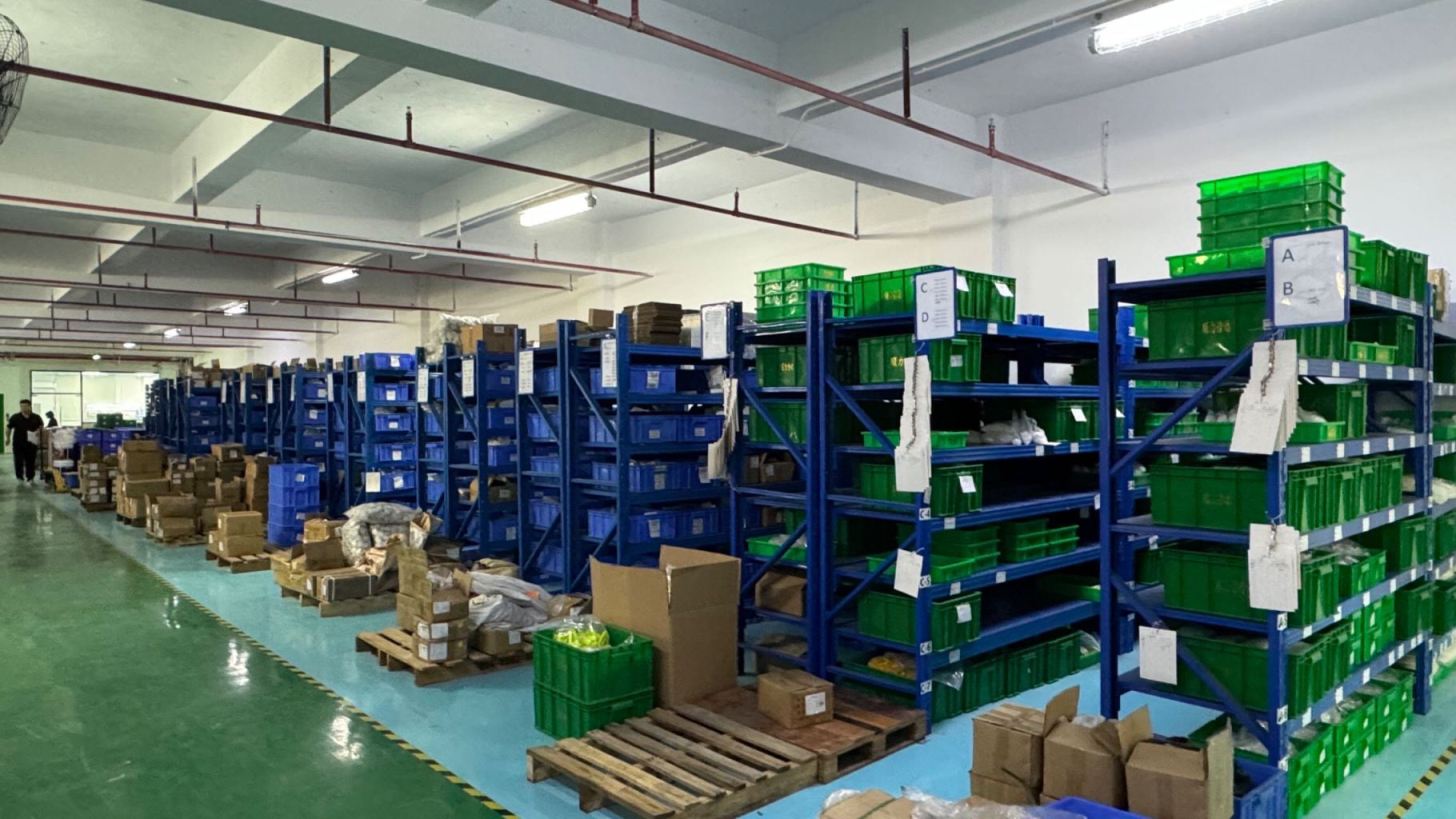
 Storage
South Korean Digital Door Lock Market Analysis
Understanding the unique requirements of the world's most advanced smart lock market.
High Market Penetration & Residential Demands
South Korea boasts one of the highest smart door lock penetration rates globally, exceeding 85% in urban apartment complexes. The market demand for digital lock actuators is governed by continuous usage cycles, rapid lock-to-unlock responsiveness, and zero tolerances for motor failures. The prevalent mortise locking systems in Korean households require small-scale but high-torque motors to turn heavy lock bolts reliably.
Extreme Environmental Resilience (-20°C to 60°C)
Unlike standard indoor applications, South Korean door locks must endure extreme climate fluctuations. From freezing winters in Gangwon-do where temperatures drop to -20°C, to hot and humid summers, the lock motor lubricant and gear materials must resist structural warping or viscosity shifts. Vira Micromotor uses low-temperature grease and reinforced engineering plastics to prevent cracking and binding.
Push-Pull Lock Drive Trends
Modern Korean locking designs focus heavily on "Push-Pull" systems rather than rotating lever handles. Push-pull locks require linear clutch engagement powered by electric micro-geared motors. These motors must deliver high initial starting torque within milliseconds to disengage the clutch before mechanical wear takes place, demanding high current density inside compact housing designs.
Silent Operation Protocols
Korean multi-family high-rise residential properties place strict limits on structural vibration and noise. A loud locking hum late at night can lead to structural sound transmission. Designing motors with optimized gear meshes, carbon brushes, and noise-damping copper alloy commutators keeps operating sound levels below 45 decibels, maintaining complete residential comfort.
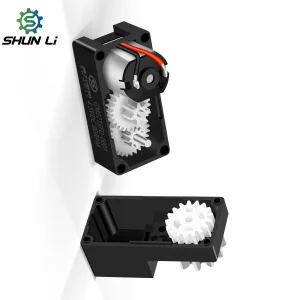
Patented & High-Torque Custom Motors
Tailored configuration solutions optimized for battery-powered lock operation.
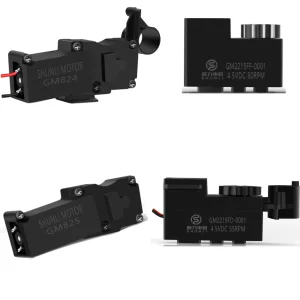
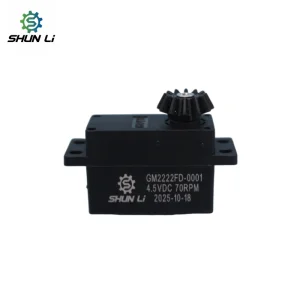
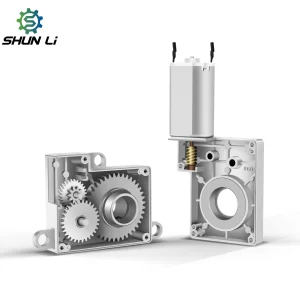
Macro Industry Solutions for Korean Door Hardware
To establish competitive advantages, Korean smart lock manufacturers demand high "Information Gain" regarding the components they source. The actuation assembly is the single most critical structural failure point in an electronic deadbolt or push-pull lock mortise. Below is how Vira Micromotor addresses structural engineering challenges:
1. Low-Voltage & Stable Starting Torque ProfileSmart locks rely on dry cell batteries (typically 4x or 8x AA alkaline, delivering 6V down to a low-voltage drop of 3V or 4.5V over time). Vira Micromotor’s custom armatures are wound to deliver peak torque output even during low battery warnings. Our 3V to 4.5V custom winding profiles guarantee the locking mechanism actuates reliably before a battery replacement warning triggers.
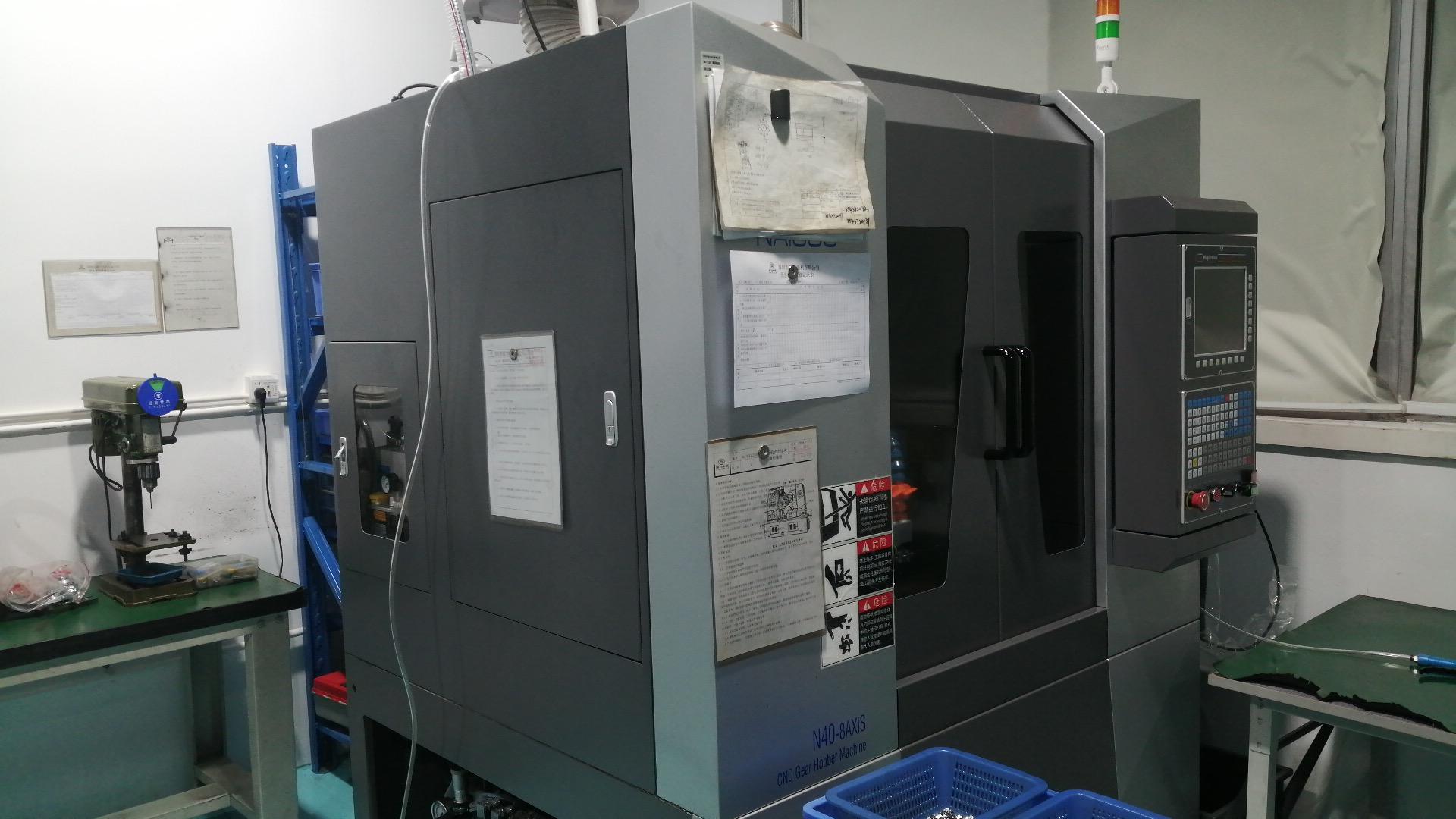
2. Precision Backlash Control in Small Geared MotorsIn high-security locking systems, mechanical slop or backlash in the gearbox results in inaccurate deadbolt positioning. Vira uses micro hobbing equipment to cut ultra-precise gear teeth, holding gear backlash tolerances within 3 degrees. This level of control prevents jamming issues when the lock engages the strike plate.
3. Sintered Bronze Bearings and Metal Gear ConfigurationsMany competitor products utilize standard plastic gears to cut costs, which warp under physical force or rapid temperature swings. Vira Micromotor designs locks with dual configurations: plastic gears for silent low-stress stages, paired with heavy-duty metal sintered gears for high-impact outputs, providing durability that passes the 100,000-cycle test.
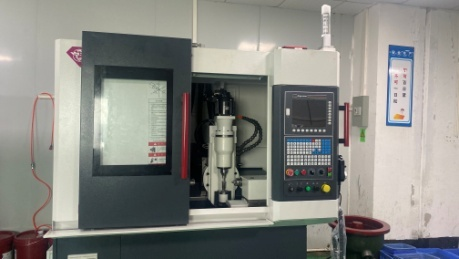
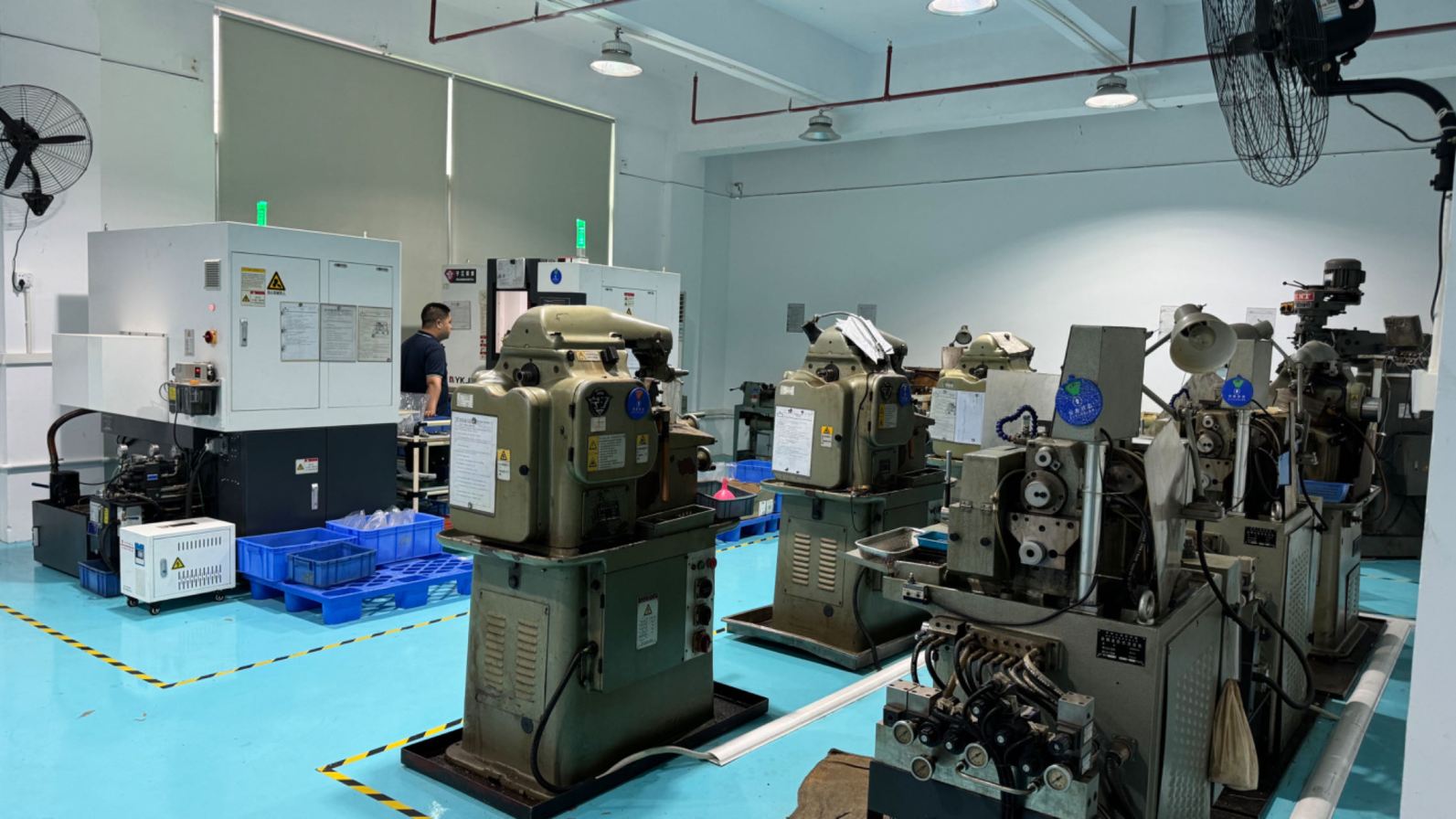
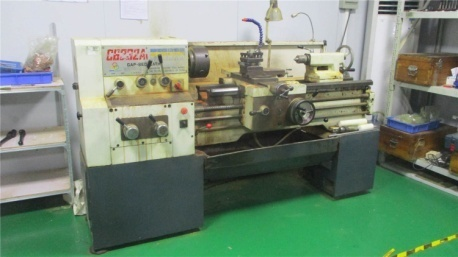
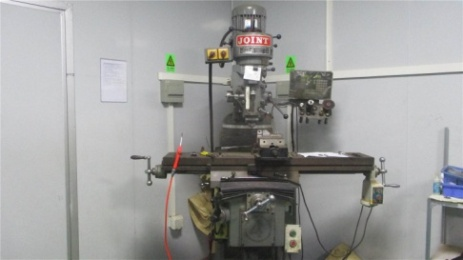
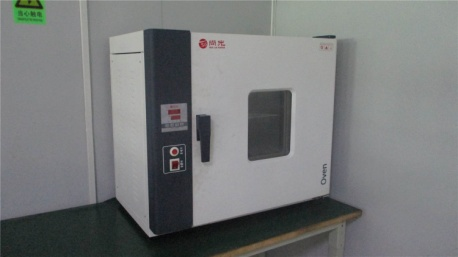
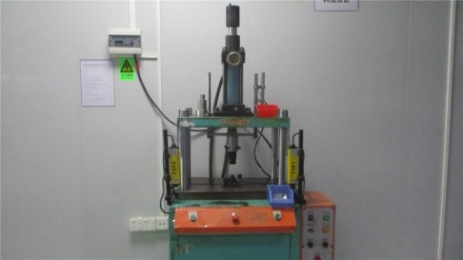
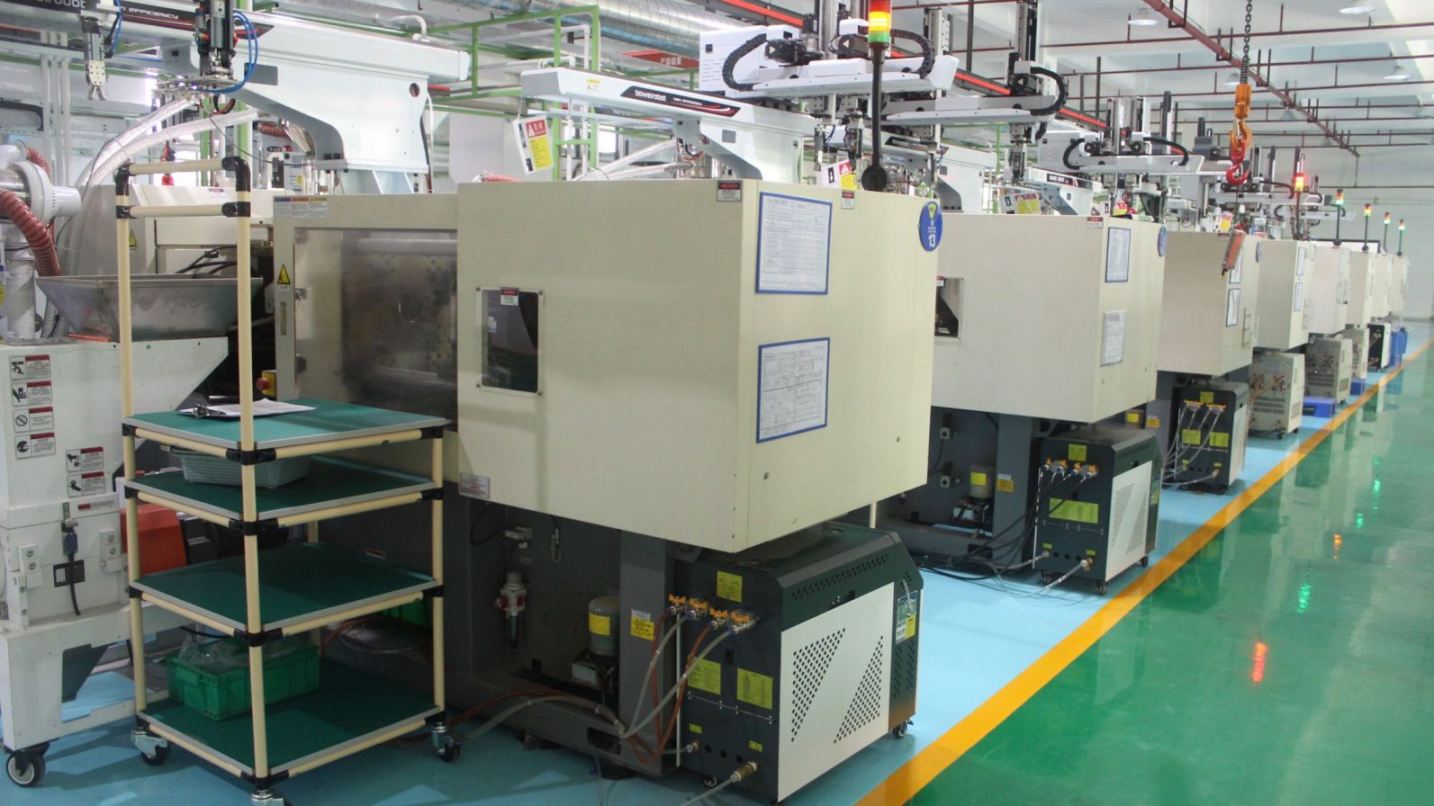
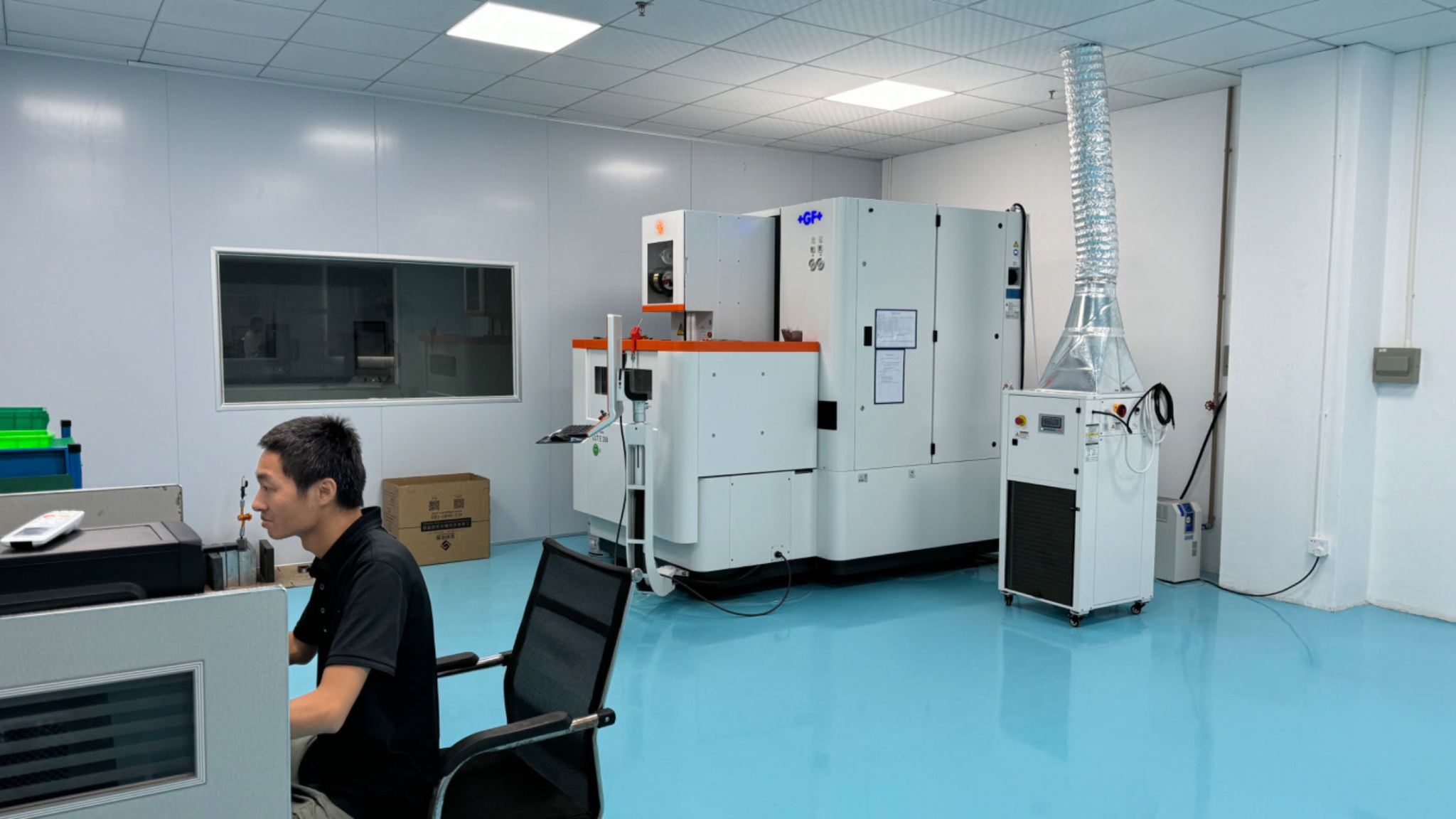
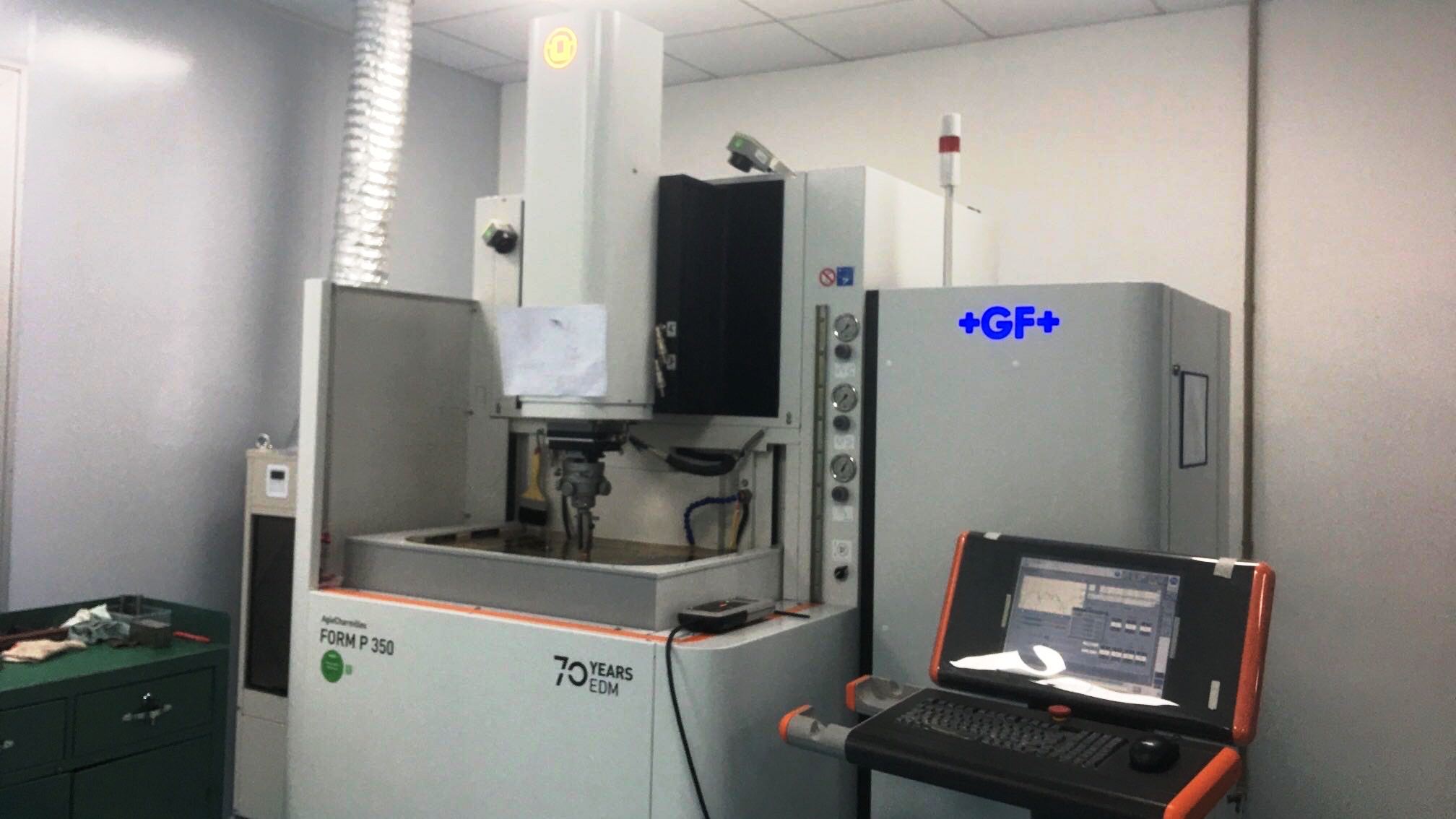
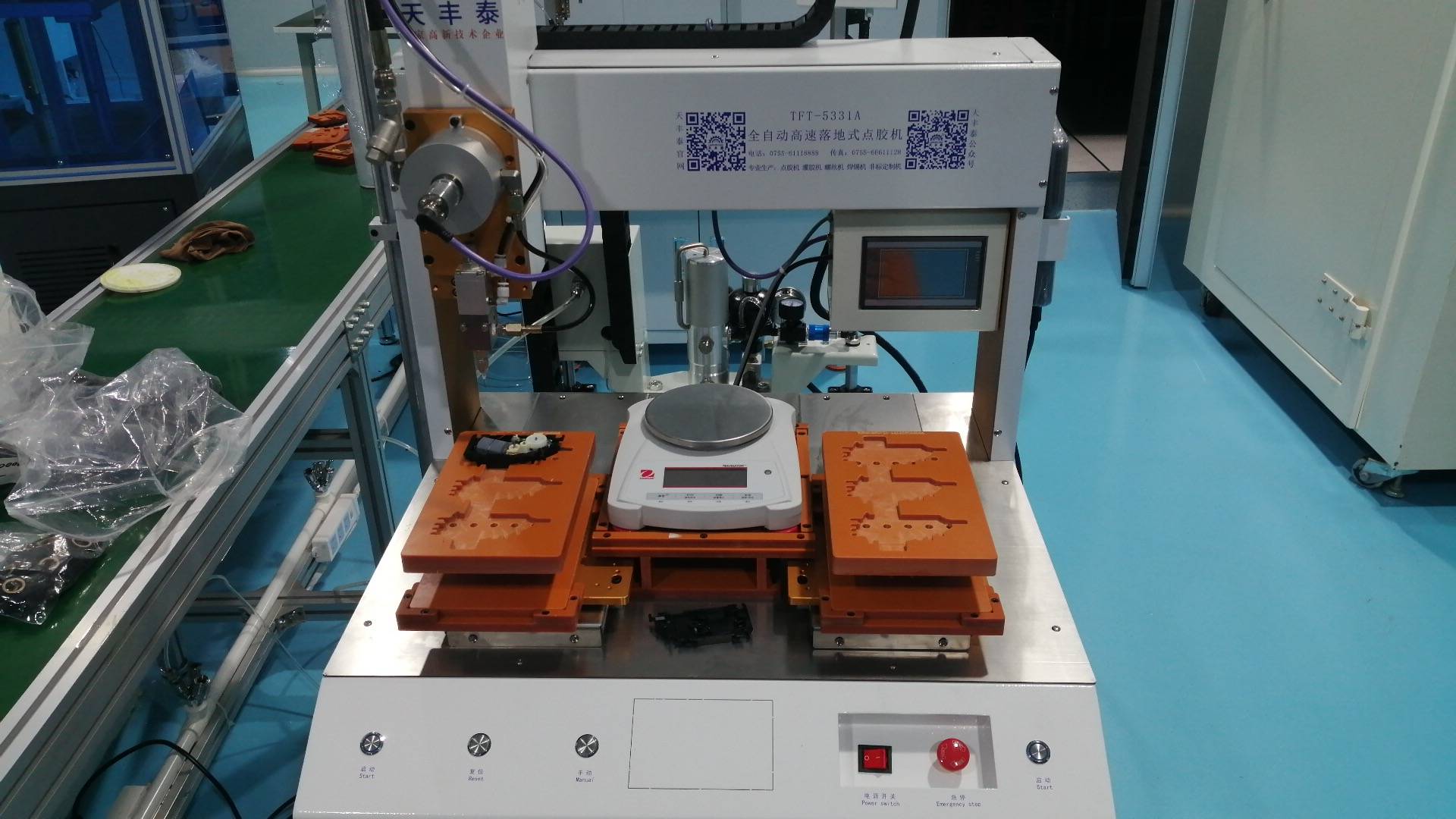
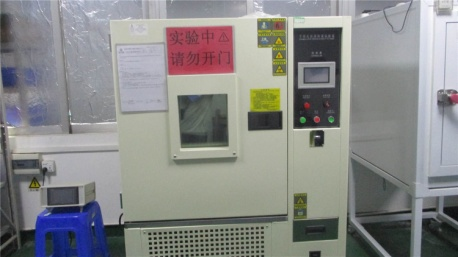
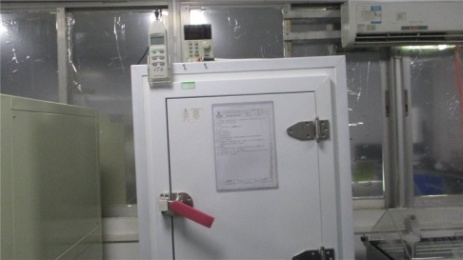
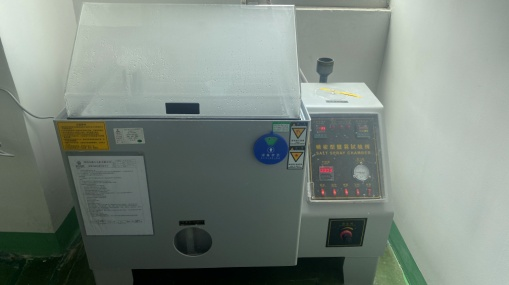
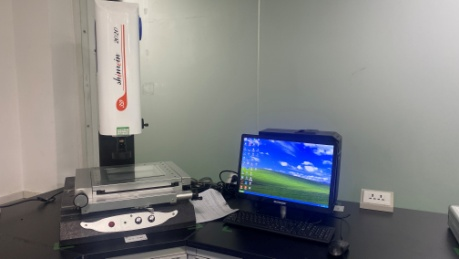
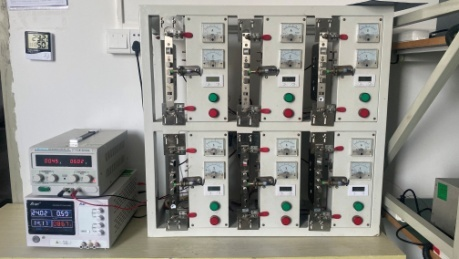
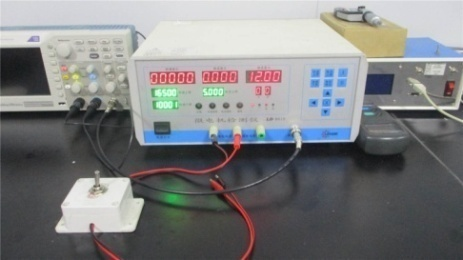
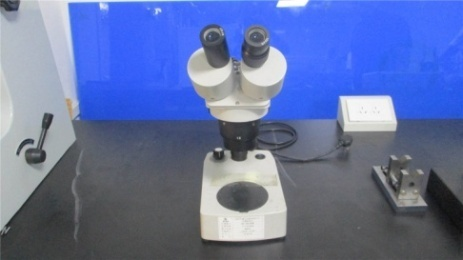
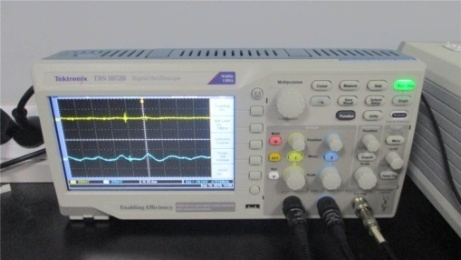
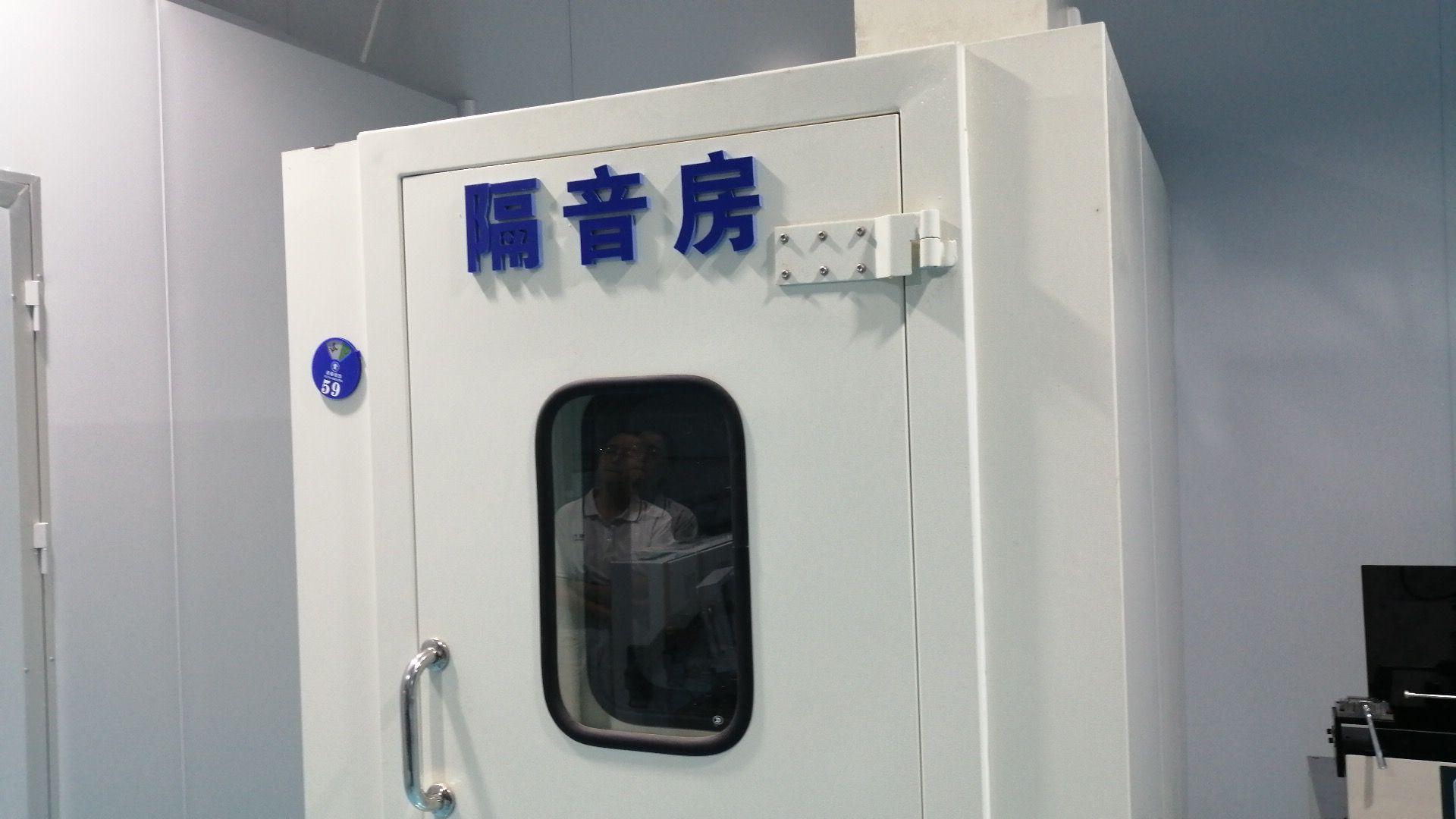
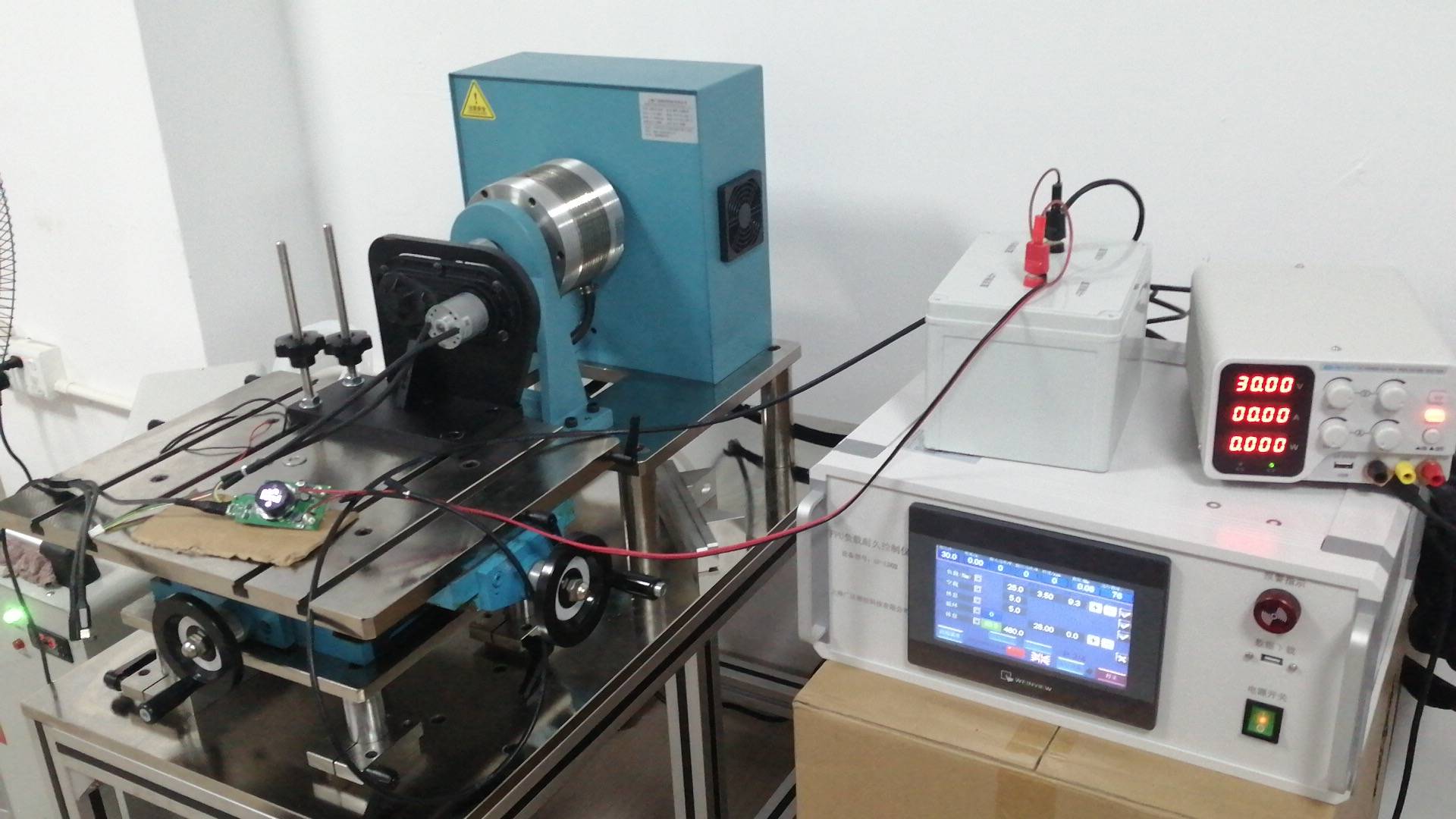
Our R&D Lab & Production Machinery Portfolio
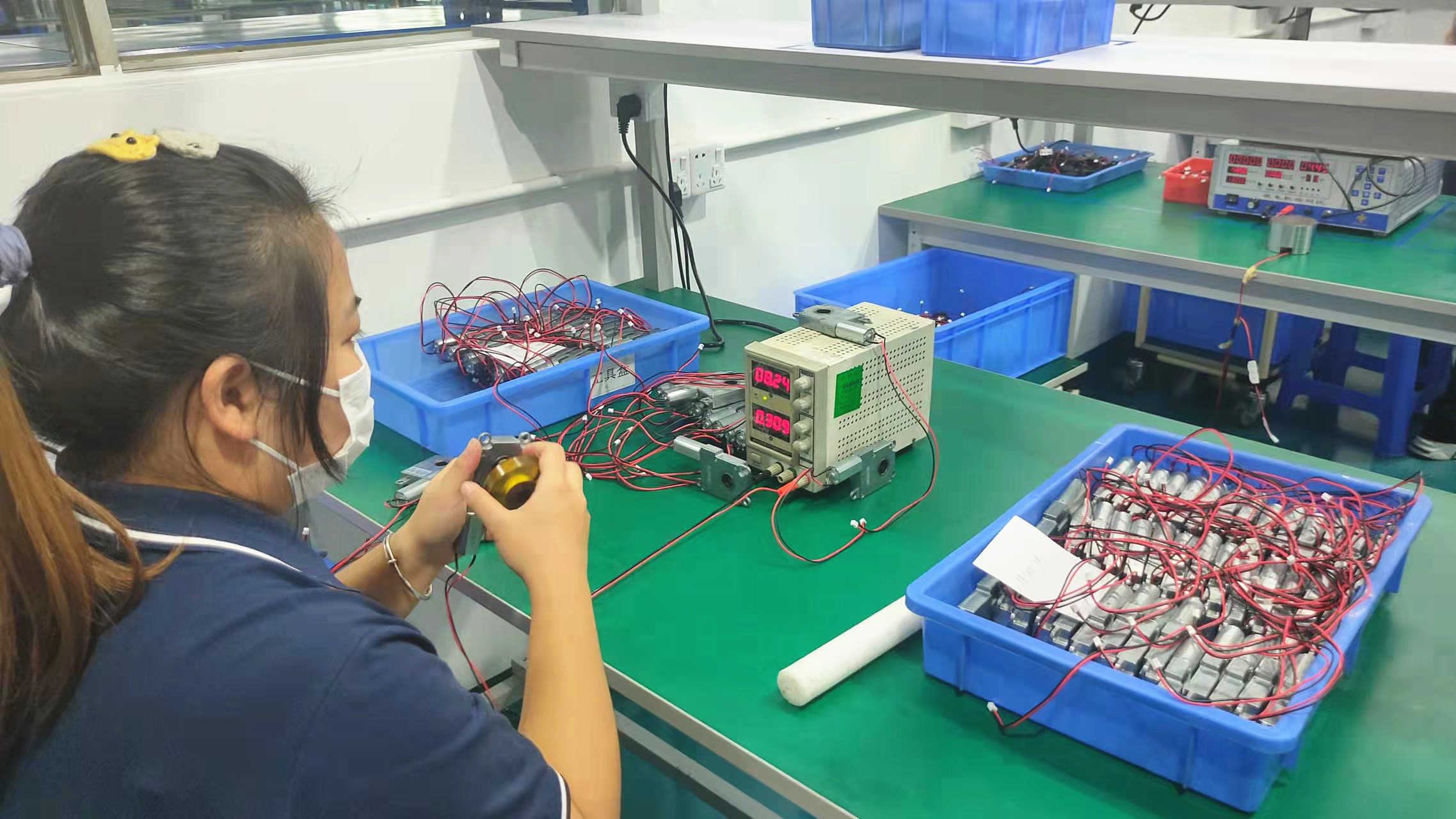
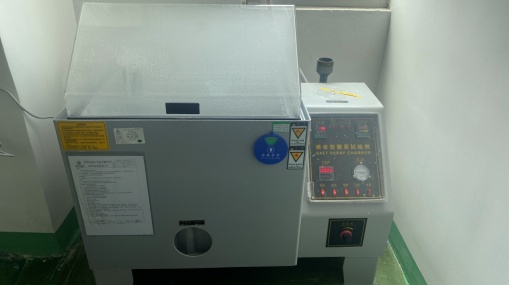
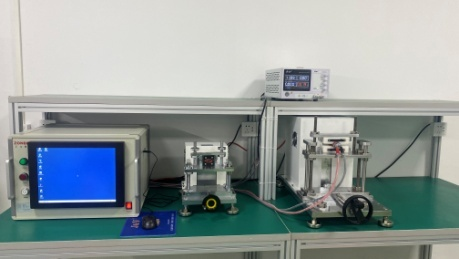
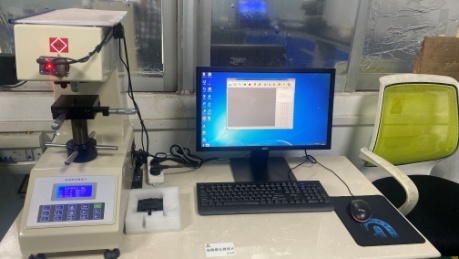
A look at the professional engineering, lathe processing, and testing machinery inside Vira Micromotor.
Localization Support & KC Compliance
Accelerating design processes for Korean hardware engineers in Pangyo and beyond.
KC (Korea Certification) Support
Korean electronic products require mandatory KC mark registration. Motor electromagnetic compatibility (EMC) is a crucial test criteria. Vira Micromotor structures the carbon brushed assemblies with built-in varistors and capacitors (ring varistors or choke coils) to suppress electrical noise at the source, smoothing out the KC compliance path for security OEMs.
RoHS & REACH Compliance
South Korea enforces ecological and chemical restrictions similar to European directives. Vira guarantees that all gearboxes, oils, and motor wires are completely lead-free, cadmium-free, and comply with REACH and RoHS standards, protecting your products from supply-chain regulatory holdups.
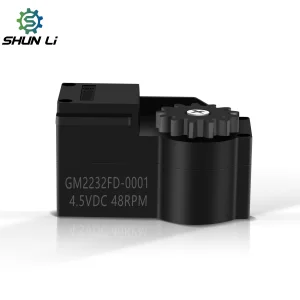
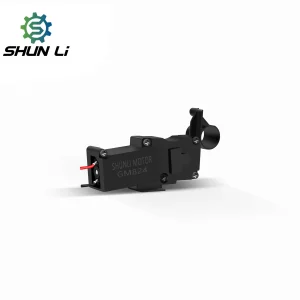
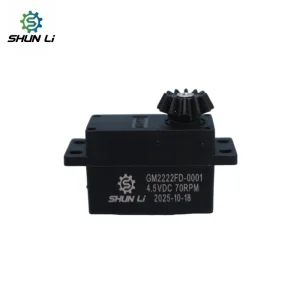
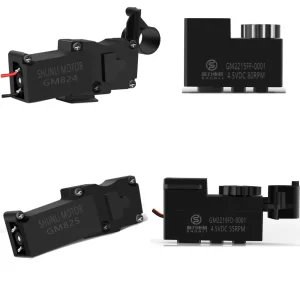
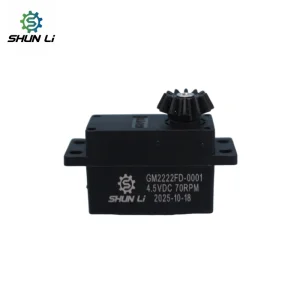
Complete Lock Motor Portfolio
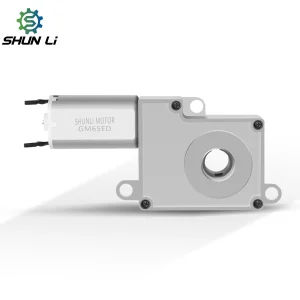
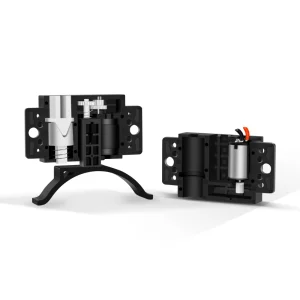
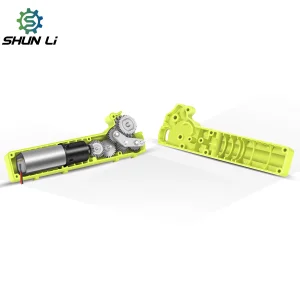
A selection of micro-drive components optimized for various commercial and industrial security applications.
Technical Roadmap & Future Outlook
Our long-term developmental vision for electric locking drive modules.
Moving Towards Brushless & Smart Drive Integrations
The global security landscape is shifting towards longer lifespans, higher system integrations, and ultra-high reliability. The conventional brushed DC motor remains the workhorse for residential locking systems, but high-end IoT and industrial locking systems are driving design upgrades.
Transition to Brushless DC (BLDC) SystemsIn highly secure bank vaults, critical server racks, and data center security gates, lock actuators need to function millions of times without maintenance. Vira is actively developing mini-BLDC planetary geared lock motors that eliminate brush wear, cut electromagnetic interference down to zero, and provide closed-loop control over rotational speed.
Ultra-Low Standby Currents and Integrated EncodersThe next generation of smart home locks will require integrated position feedback to alert users when a lock is not fully engaged (e.g., due to door misalignment). We are embedding magnetic encoders directly onto the motor shafts. These encoders draw negligible sleep currents, ensuring battery life is unaffected while delivering real-time positioning feedback.
Technical FAQ: Lock Actuation Micro-Motors
Answers to frequent technical inquiries submitted by digital lock engineers.
Q1: How does Vira Micromotor ensure high starting torque at low battery voltage?
We design specialized low-resistance armatures and use high-energy NdFeB (Neodymium) permanent magnets. This ensures that even when battery voltage drops from 6V down to 3V or 4.5V, the motor delivers enough torque to overcome physical resistance or deadbolt friction.
Q2: What materials are used inside the gears to balance noise and durability?
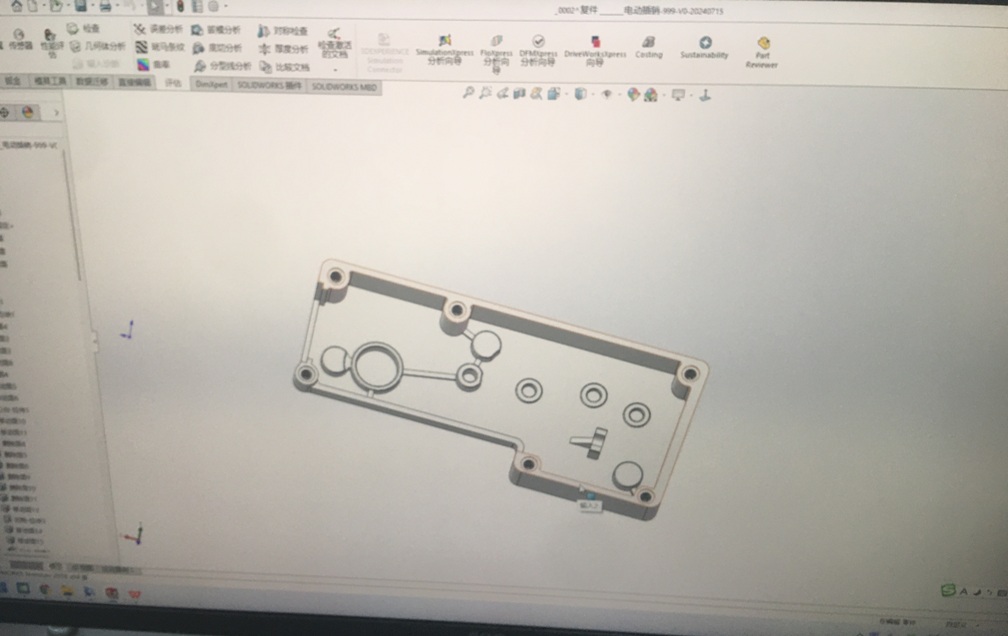
We typically build hybrid gear trains. The high-speed first-stage gears are molded from high-performance engineering POM plastics to reduce noise. The high-torque output-stage gears are made from sintered structural metal alloys to ensure durability and prevent gear stripping.
Q3: Can you supply motors that operate reliably in South Korean winter conditions?
Yes. We use specialized synthetic lubricants rated down to -40°C. This prevents grease freezing or thickening, ensuring the motor operates smoothly in extreme cold.
Q4: How long does the customization process take for a custom shaft or gear ratio?
Typically, design drawings and dynamic simulations take 3–5 working days. Once approved, functional 3D-printed or machined custom prototypes are ready within 15–20 days for customer evaluation.