Industrial Significance of Micro Motion Components in Greater Nagoya
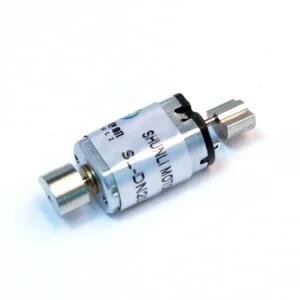
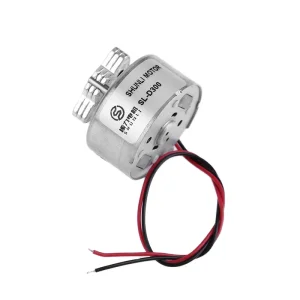
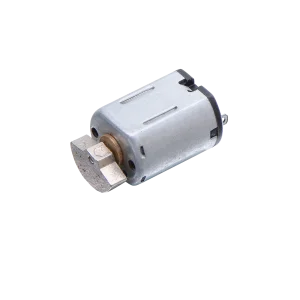
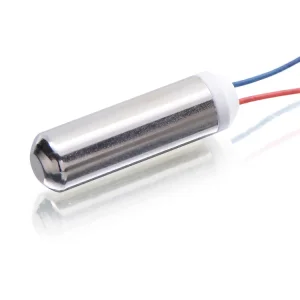
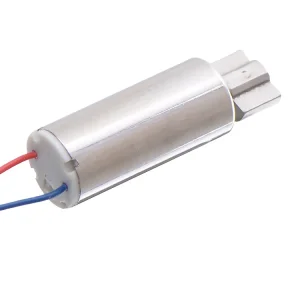
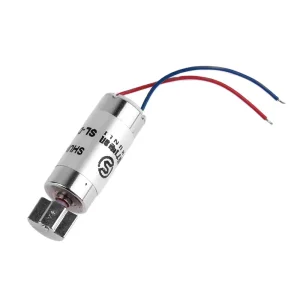
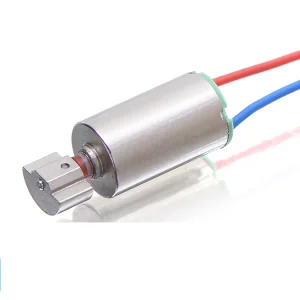
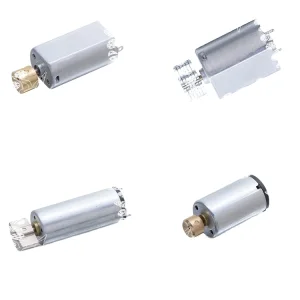
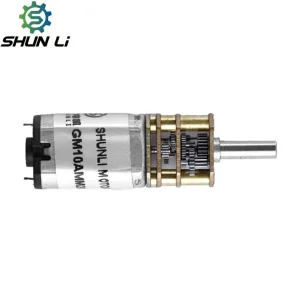
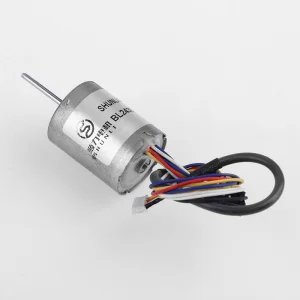
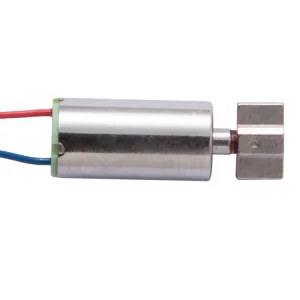
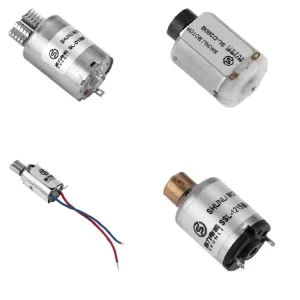
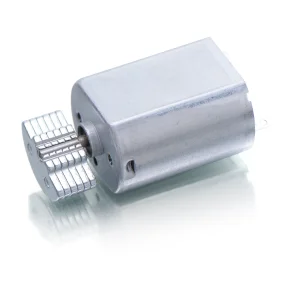
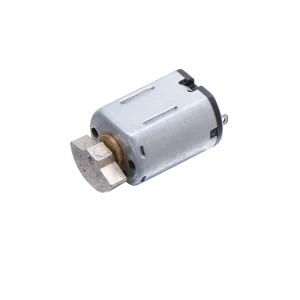
The Chubu region, with Nagoya at its industrial heart, represents the engineering engine of Japan. It accounts for a massive share of the nation's automotive assembly, aerospace research, and machine tool production. As the global supply chain transitions toward smart cabins, autonomous vehicle driver-assistance alerts (ADAS), and integrated medical devices, the demand for ultra-reliable micro haptic components has surged. The DC micro vibration motor is no longer just a toy component; it is now critical haptic interface hardware.
“Precision is not merely an engineering tolerance; in Nagoya’s supply chain, it is the boundary between consumer satisfaction and mechanical failure. Micro drives must operate under harsh conditions while providing identical, repeatable vibrational frequencies.”
The Convergence of Automotive and Robotics Clusters
Nagoya is historically celebrated for manufacturing heritage (Monozukuri). Engineering bureaus here demand extreme performance metrics: low electromagnetic interference (EMI), ultra-low start currents, and high power-to-size density. From feedback actuators in high-end vehicle infotainment knobs to tactile alarms in surgical telemetry monitors, DC vibration motors must fit into tighter enclosures without sacrificing G-force output.
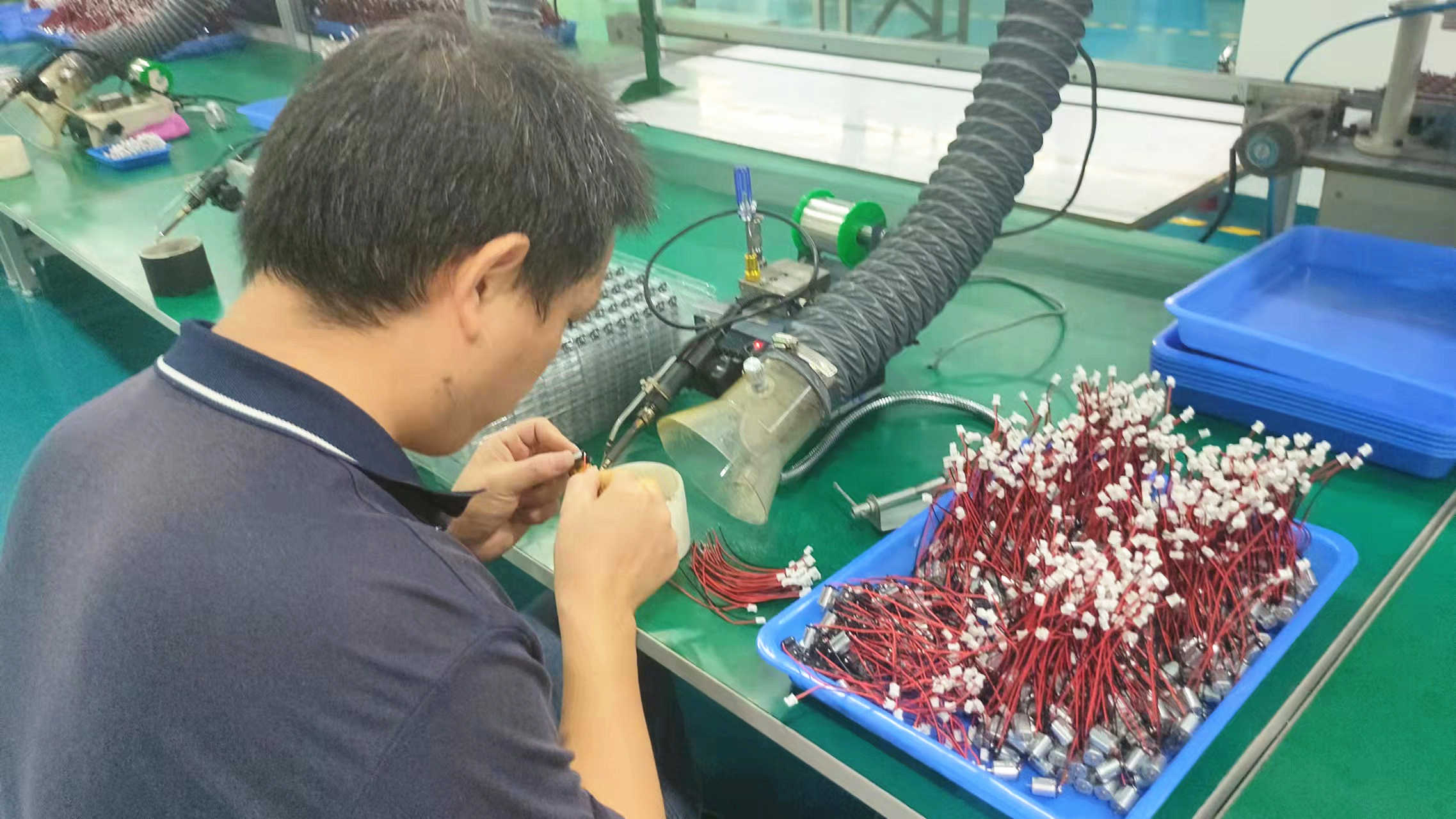
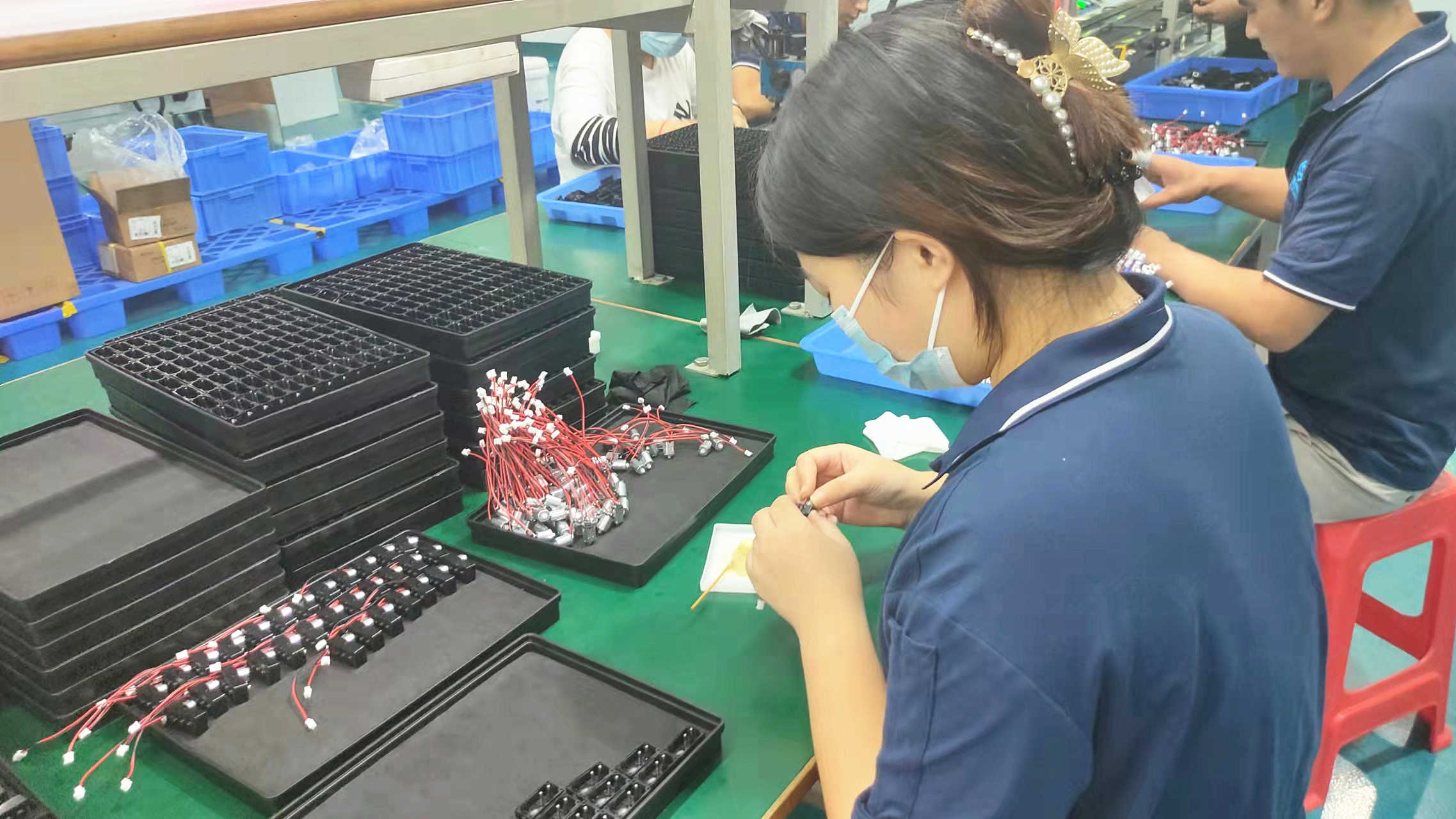
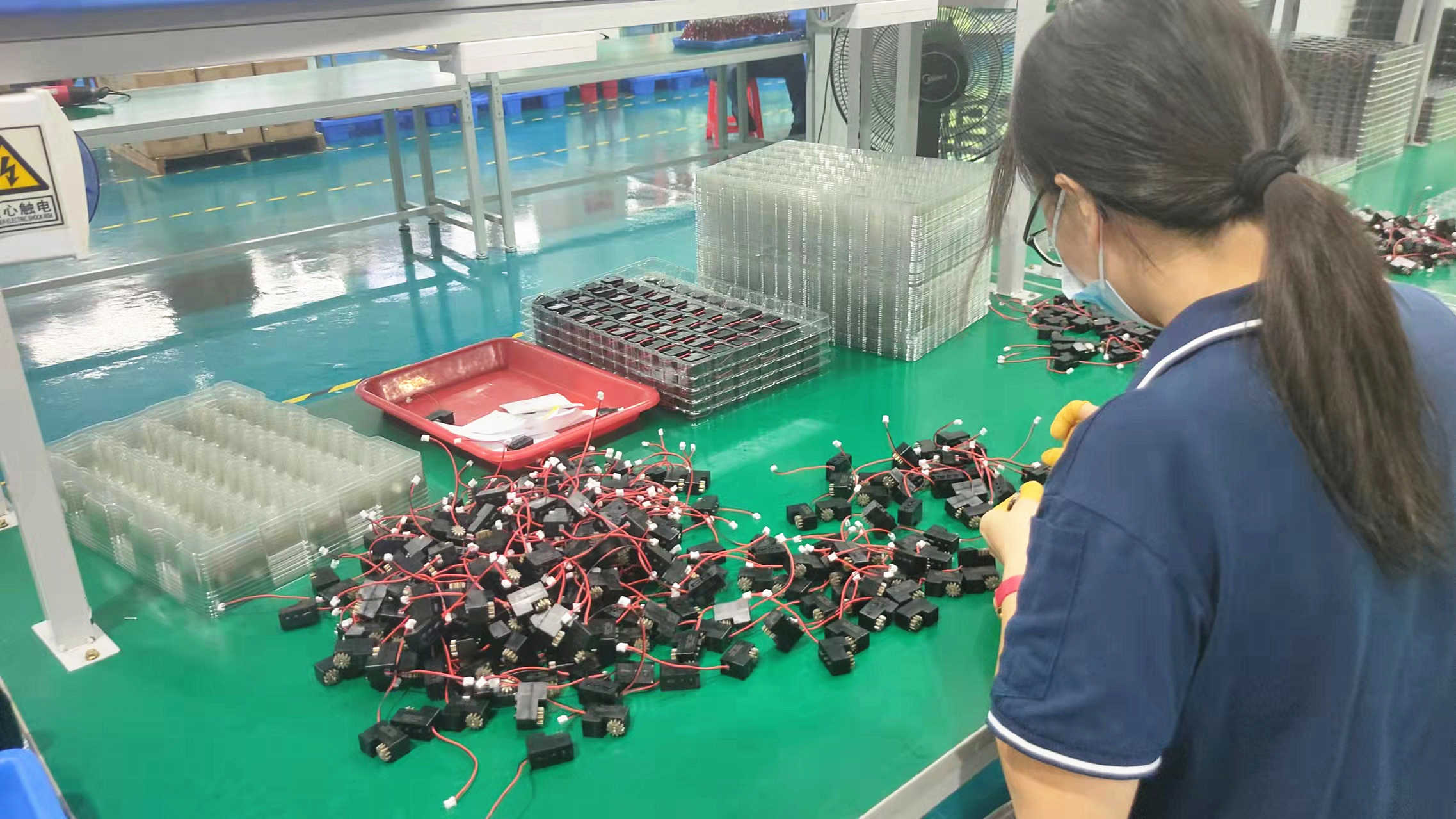
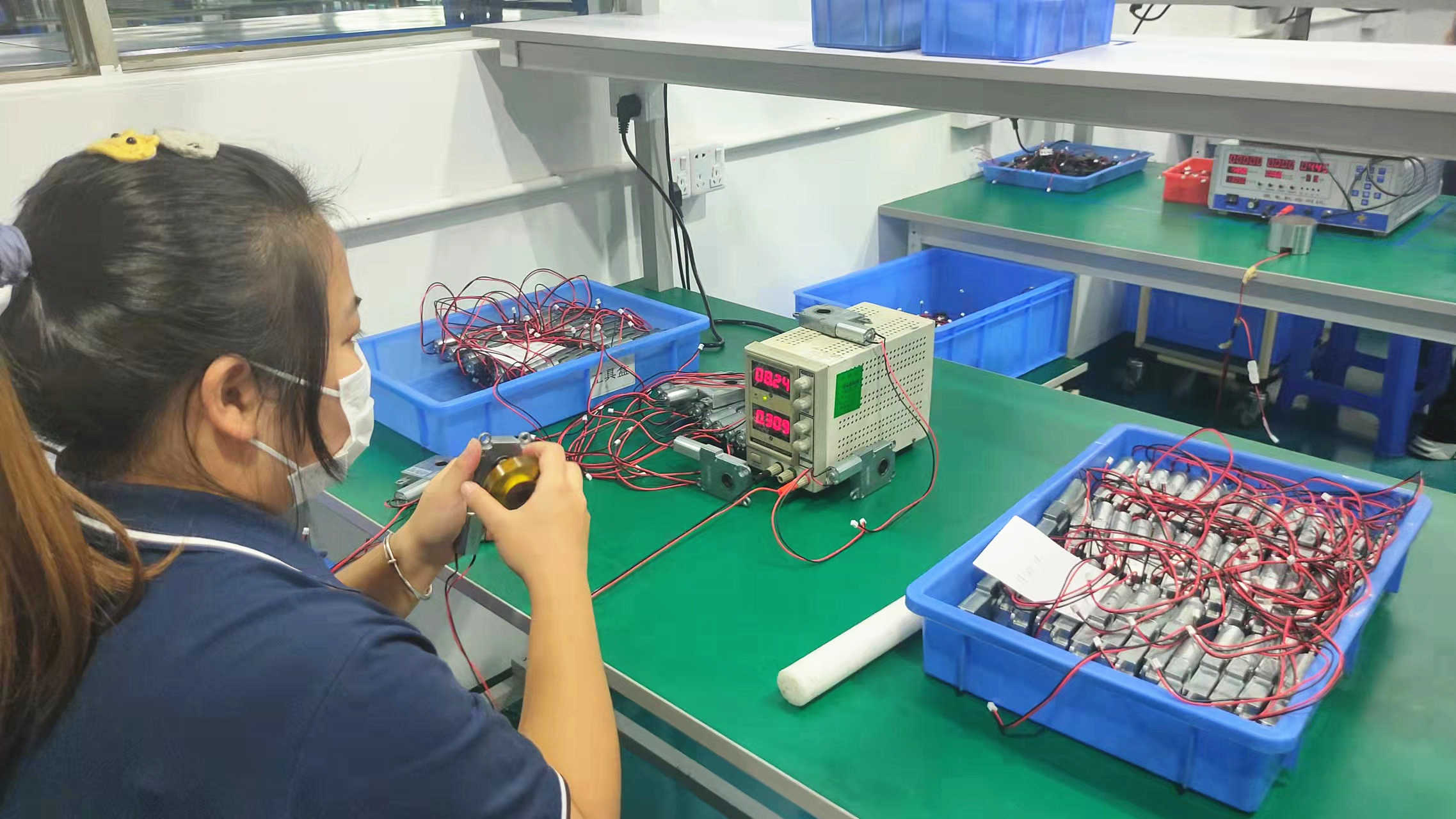
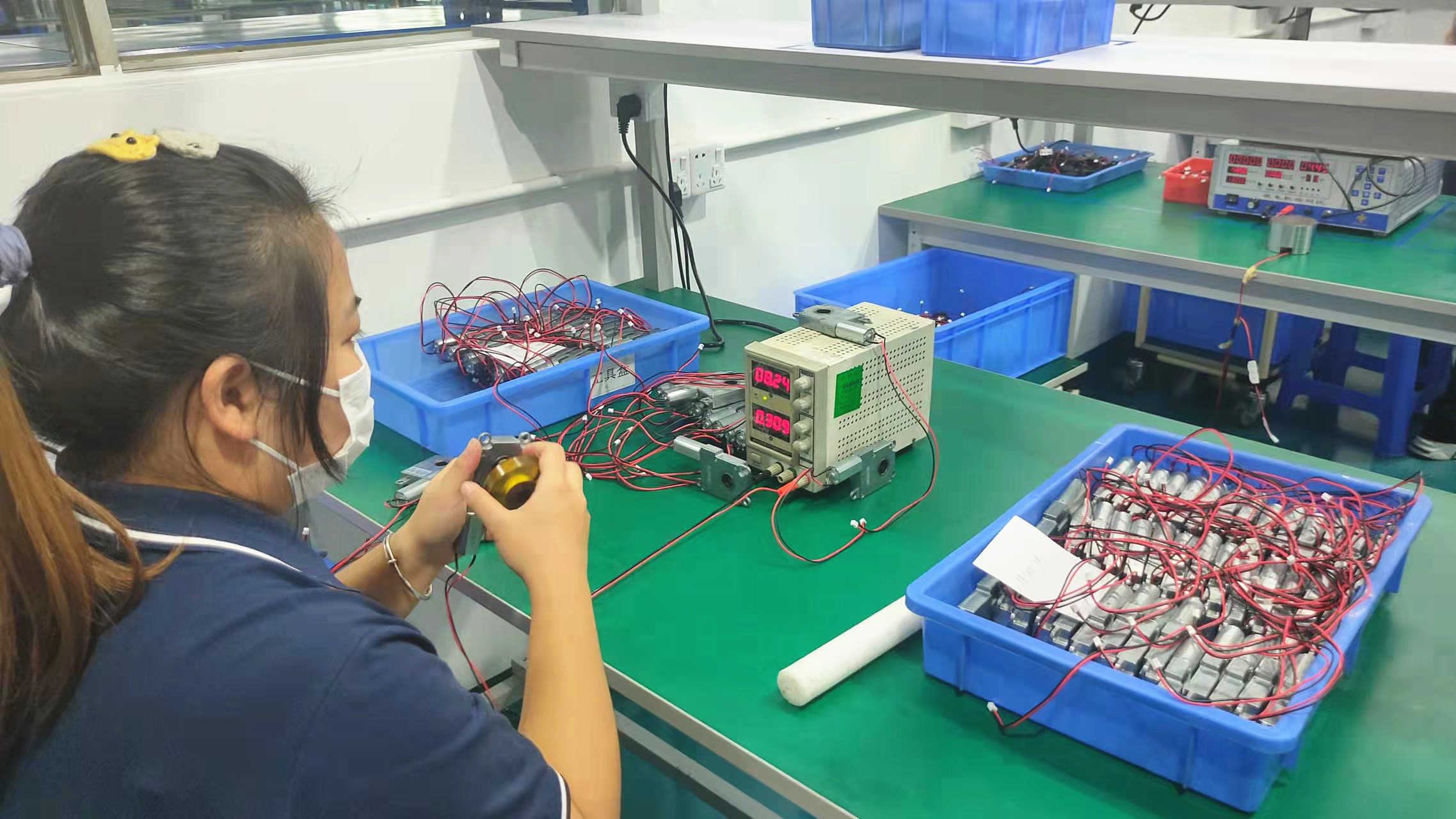
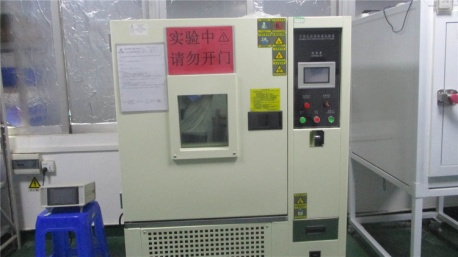
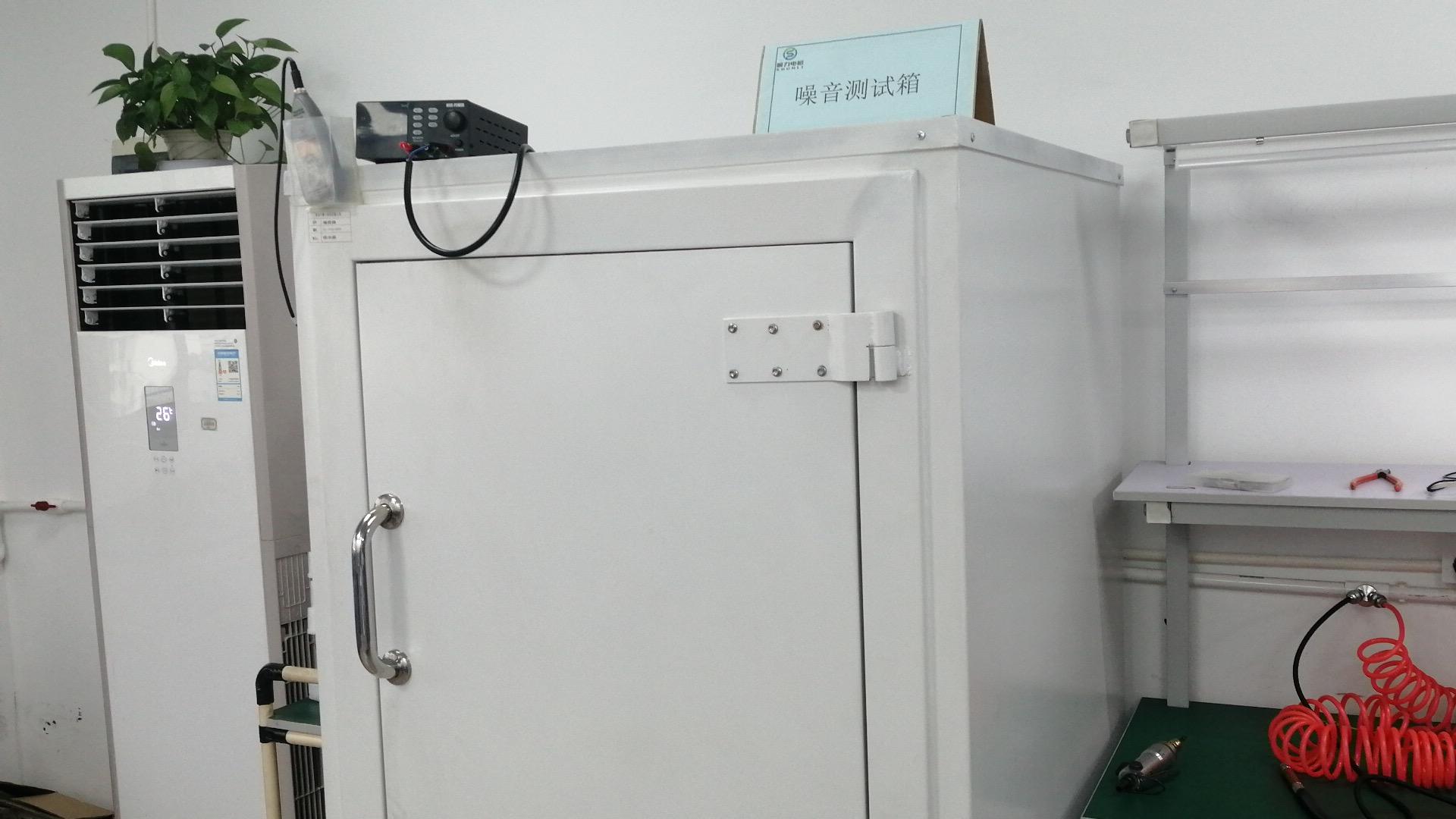
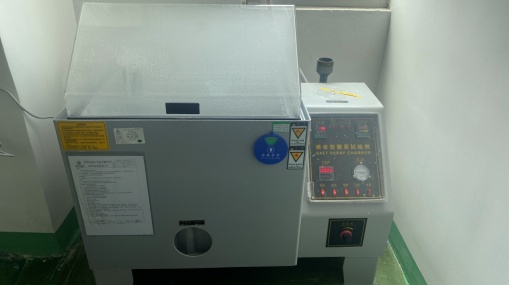
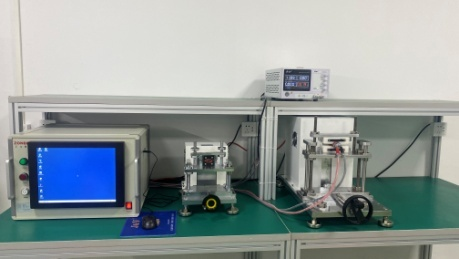
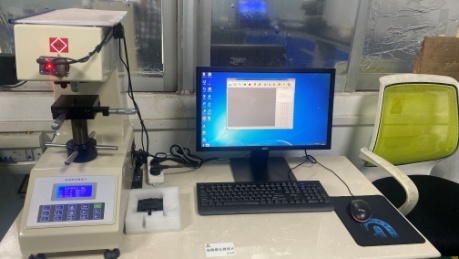
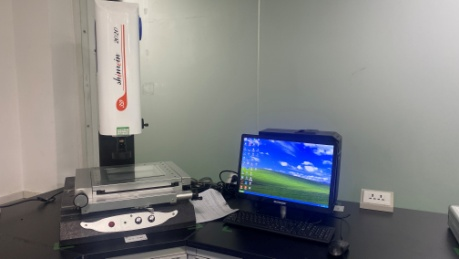
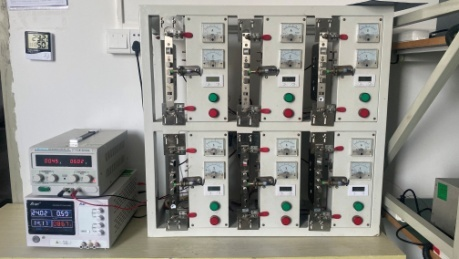
This is where modern micro-manufacturing steps in. Operating at the intersection of cost-efficiency and Japanese industrial standards, Vira Micromotor bridges high-volume production with tight dimensional tolerances. Every batch is certified under ISO9001 quality systems, ensuring it meets the expectations of international purchasing managers.