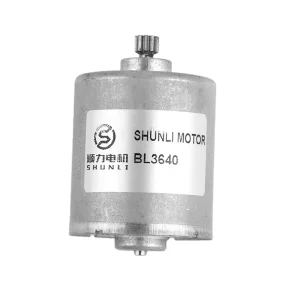
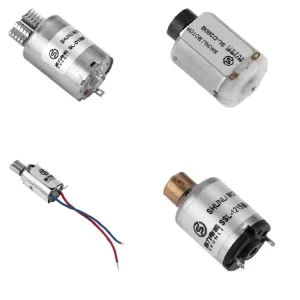
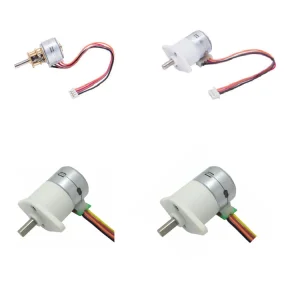
Premium Electromagnetic Drives & Gear Motors
Explore our cutting-edge micro-drive units engineering maximum output torque with minimal spatial footprint.
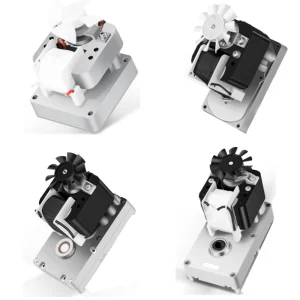
The Core of Precision Motion: Inside Vira Micromotor
At Vira Micromotor, we believe that the trend toward miniaturization shouldn't mean a compromise in power. As a premier manufacturer specializing in high-performance Micro DC Motors, DC Gear Motors, and Brushless DC Motors (BLDC), we have spent twenty years mastering the science of miniature motion control.
From our state-of-the-art, ISO9001-certified manufacturing facility, Vira Micromotor bridges the gap between China’s supply chain efficiency and global technical standards. Our micro-drives are chosen globally by product designers and procurement managers in smart home automation, automotive electronics, medical hardware, and robotics for their exceptional power-to-size ratio, whispering-quiet acoustics, and ultra-long lifespans.
We don’t just stamp out standard components—Vira Micromotor thrives on flexible OEM/ODM custom-engineered solutions. Powered by an elite in-house R&D team holding multiple drive-tech patents, we provide rapid prototyping and seamless technical collaboration. From specific voltage tuning and specialized gear ratios to custom shaft modifications, we engineer the precise Vira Micromotor around which your next innovation will revolve.
Unrivaled Advantages of Chinese Industrial Motor Factories
How the synergy of industrial ecosystems, advanced materials, and automated production optimizes your supply chain.
Integrated Supply Chain
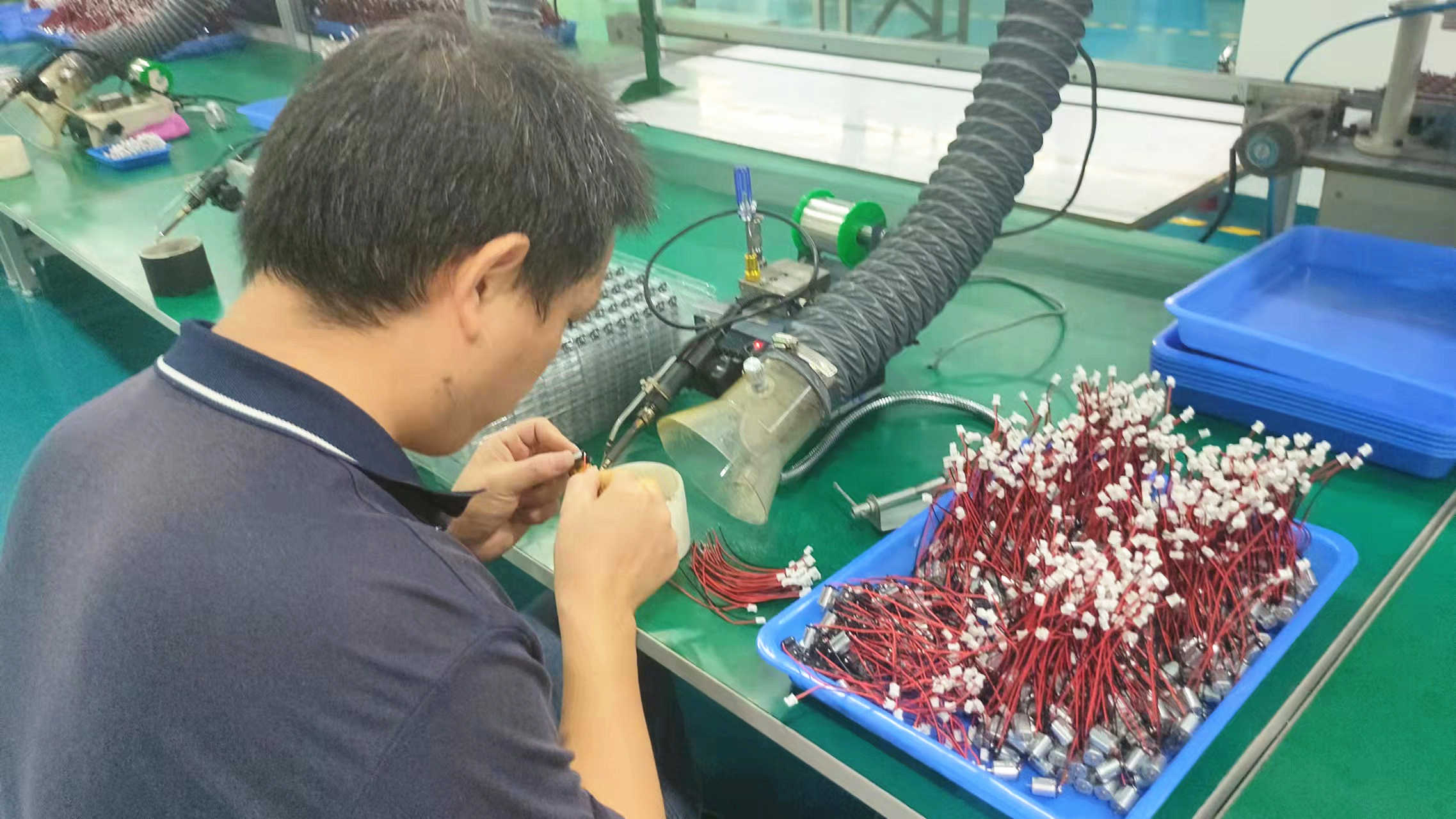
China is home to the world's most complete electromagnetic component ecosystem. From high-grade NdFeB (Neodymium Iron Boron) permanent magnets mined and processed locally, to copper windings with high copper-fill coefficients, all strategic raw materials are sourced within a 100-kilometer radius, drastically reducing lead times.
Advanced Automation & Scalability
Modern Chinese motor factories utilize advanced automatic winding, precision armature balancing, and computerized assembly stations. This high degree of automation ensures mechanical consistency (reducing parts per million failure rates) while offering the agility to scale production from small pilot batches to millions of units.
Rapid Design & Prototyping
Leveraging 3D finite element analysis (FEA) and swift electromagnetic simulation tools, Chinese engineering teams can turn customized shaft configurations, custom gearing modules, and specific winding configurations from CAD models to functional physical samples in as little as 10 to 14 working days.
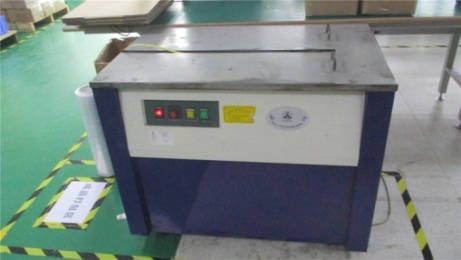
Standardized Production Journey
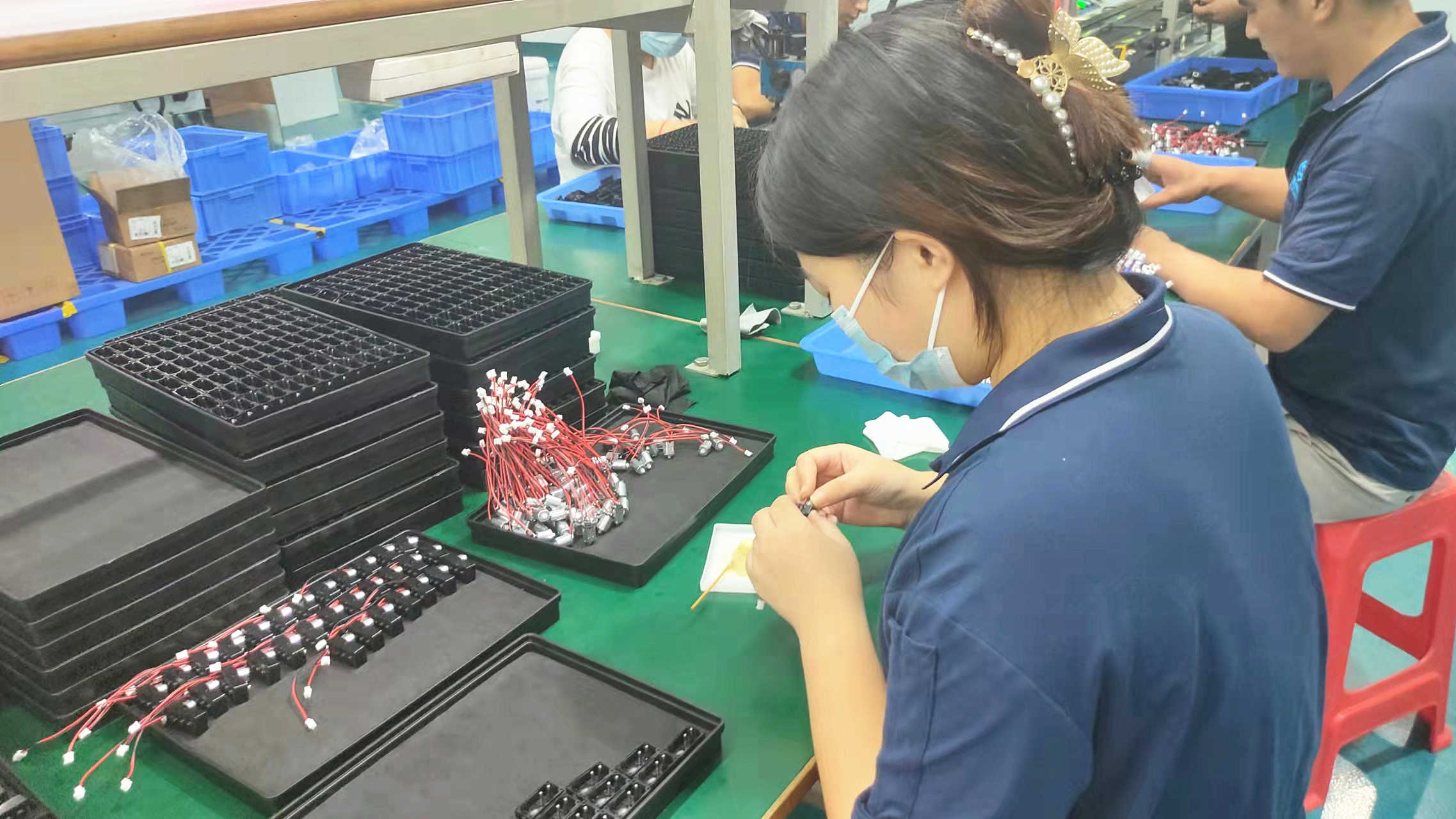
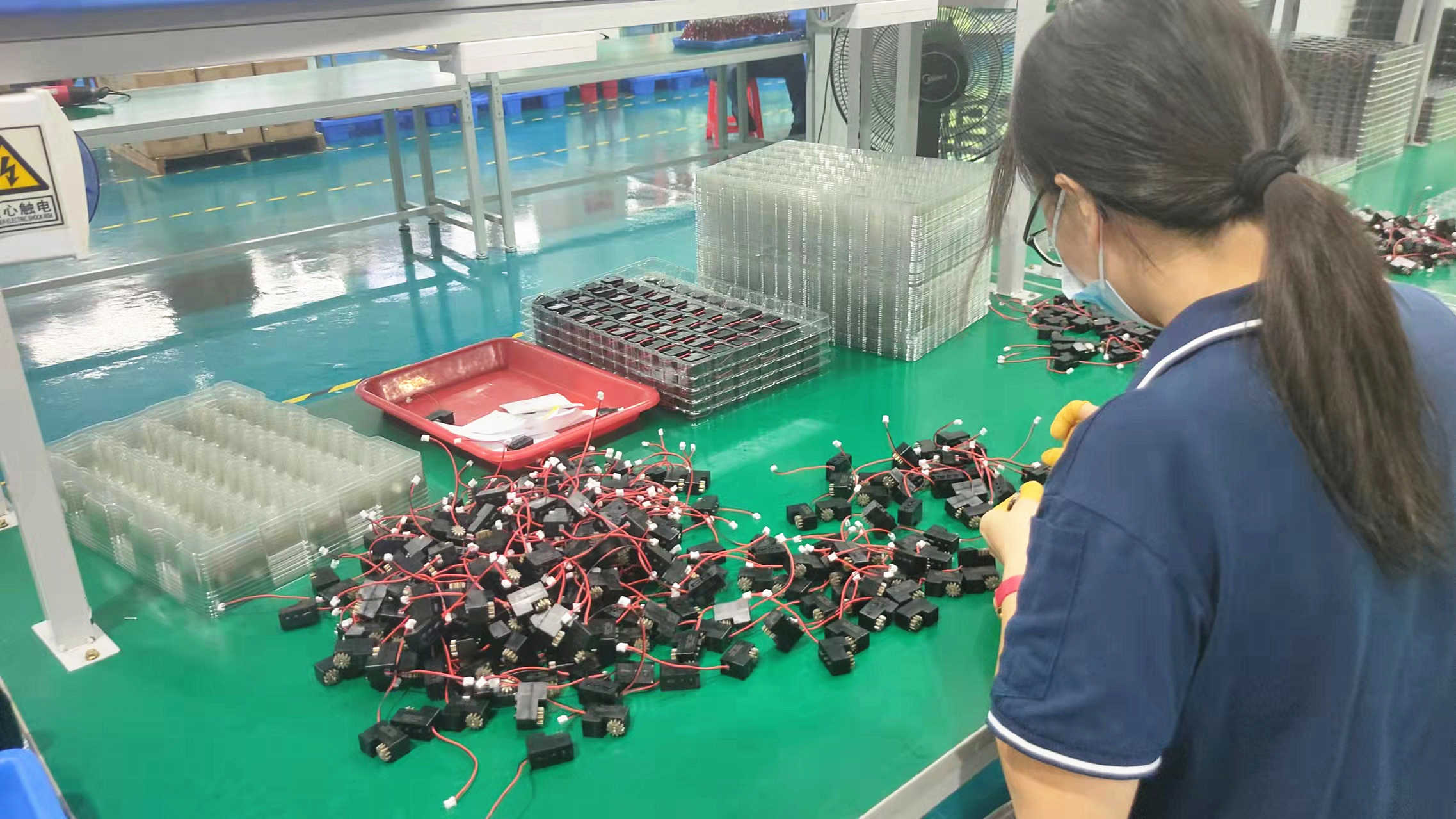
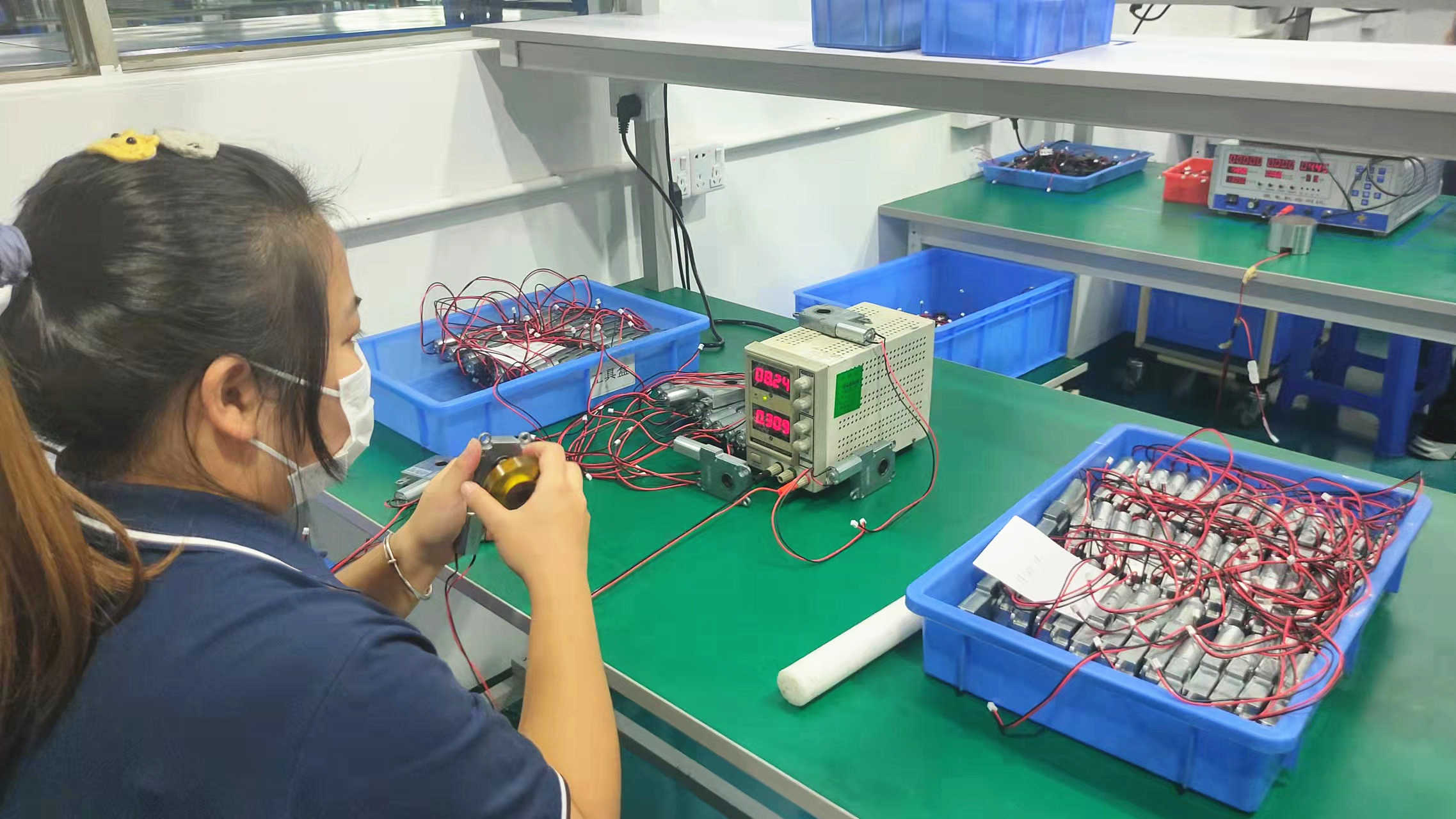
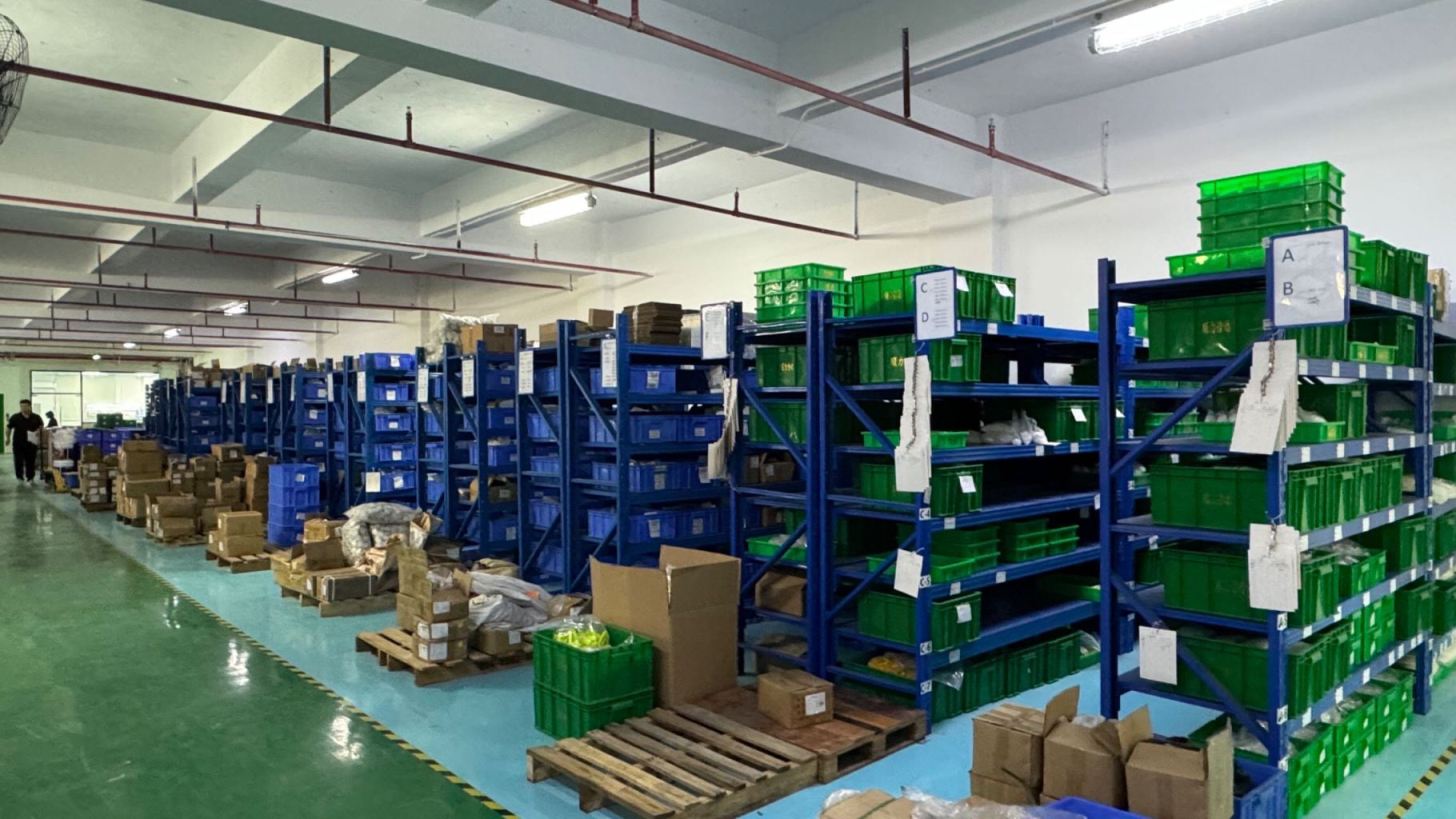
Every micro-drive undergoes rigorous structured staging to guarantee mechanical alignment and electrical integrity.
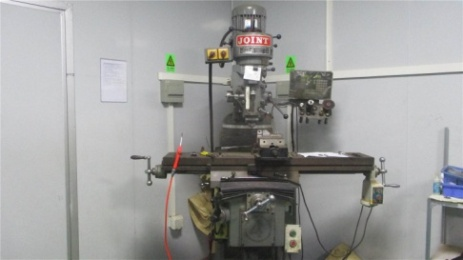
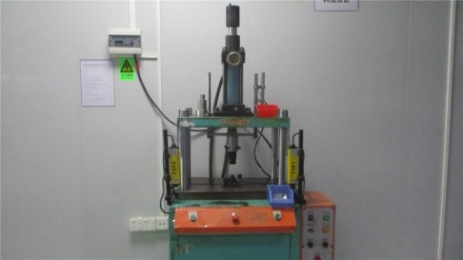
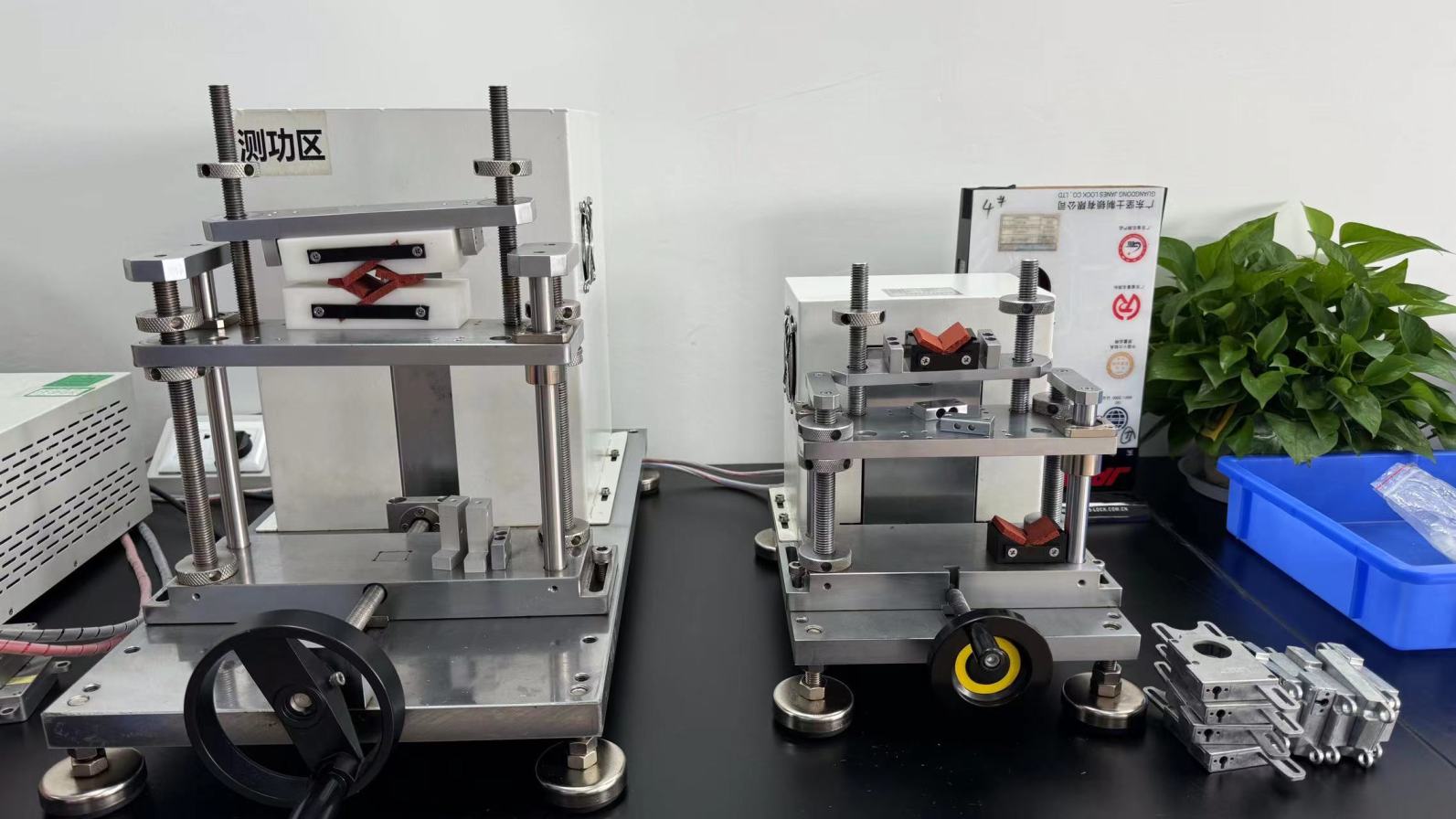
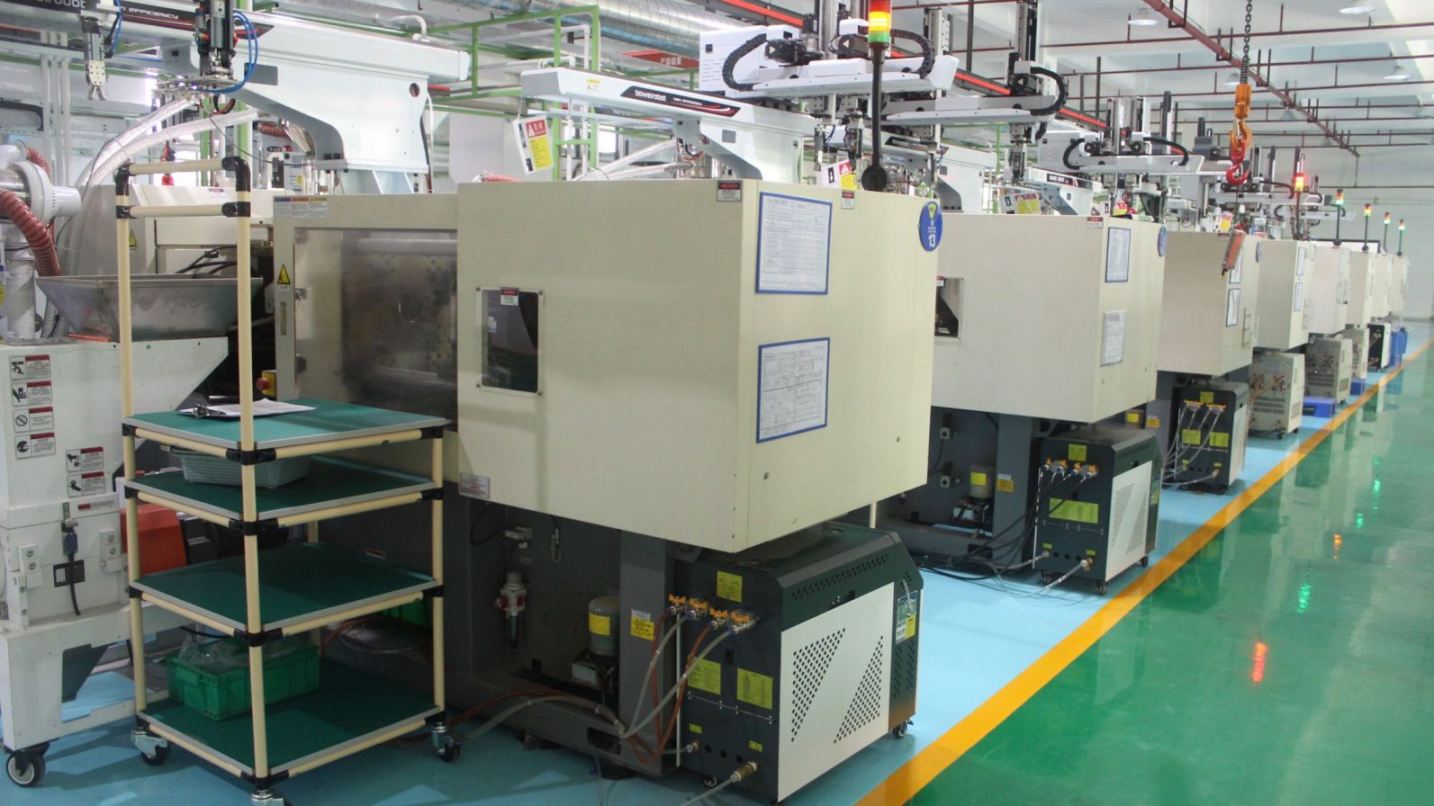
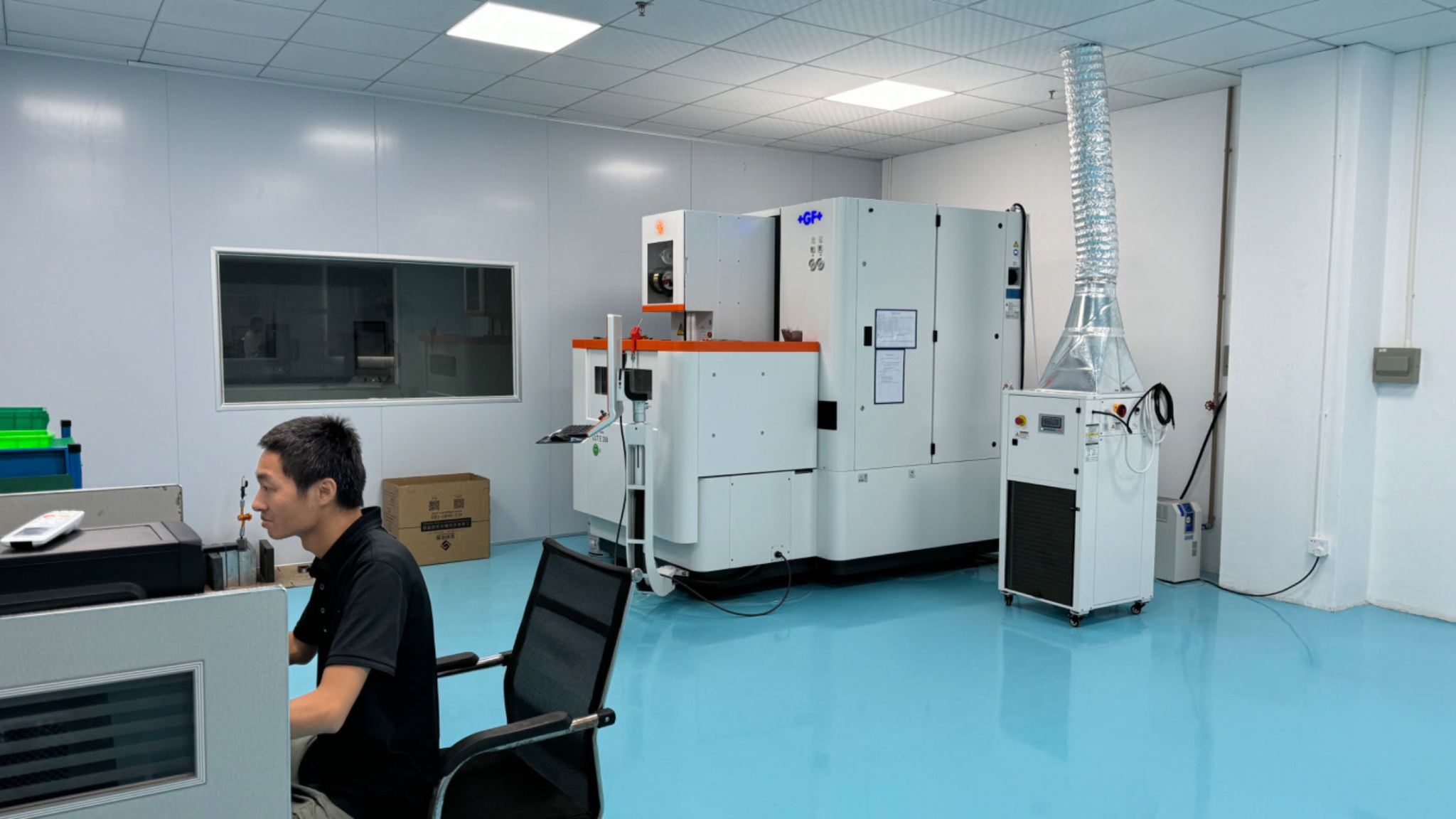
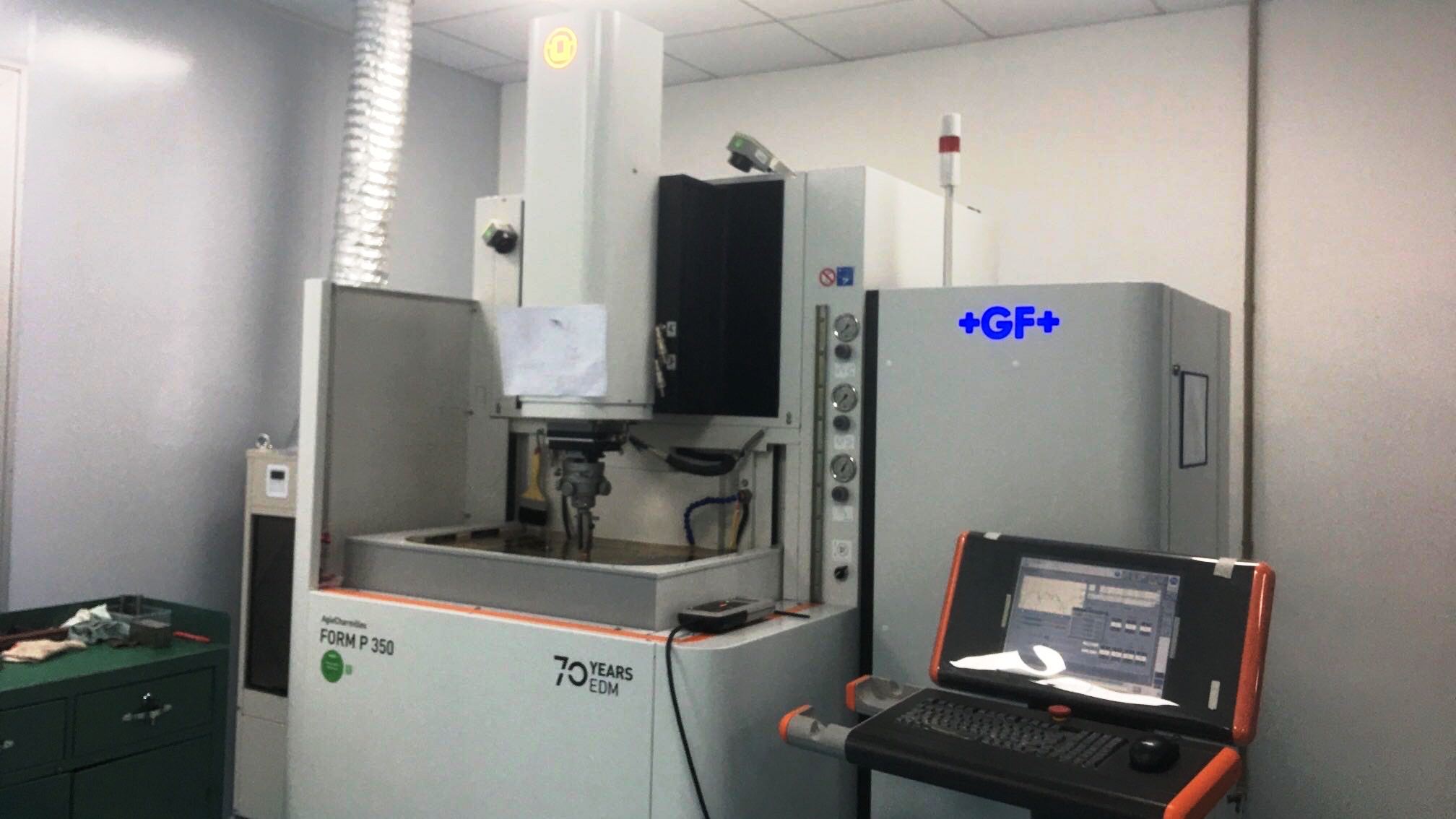
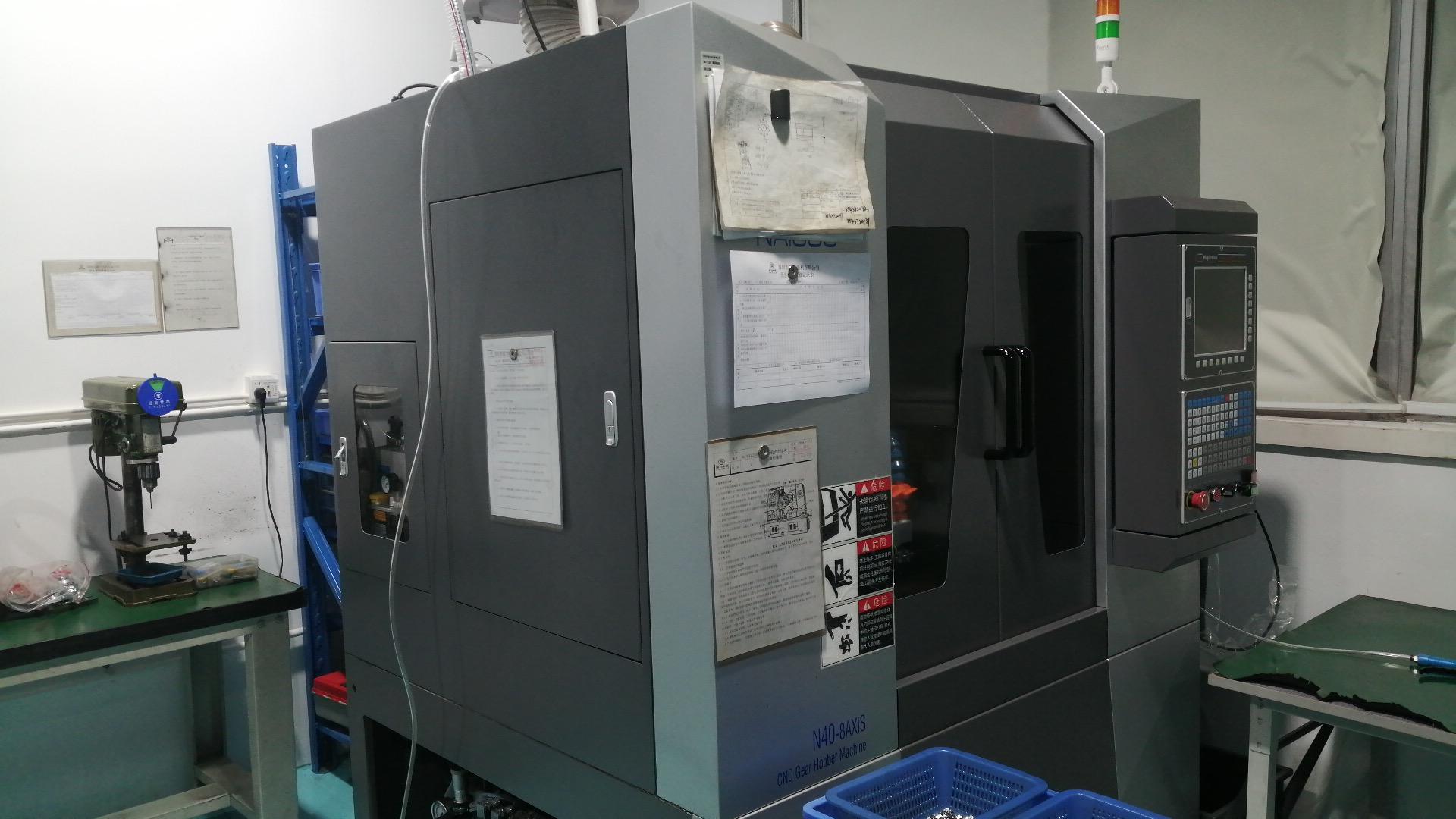
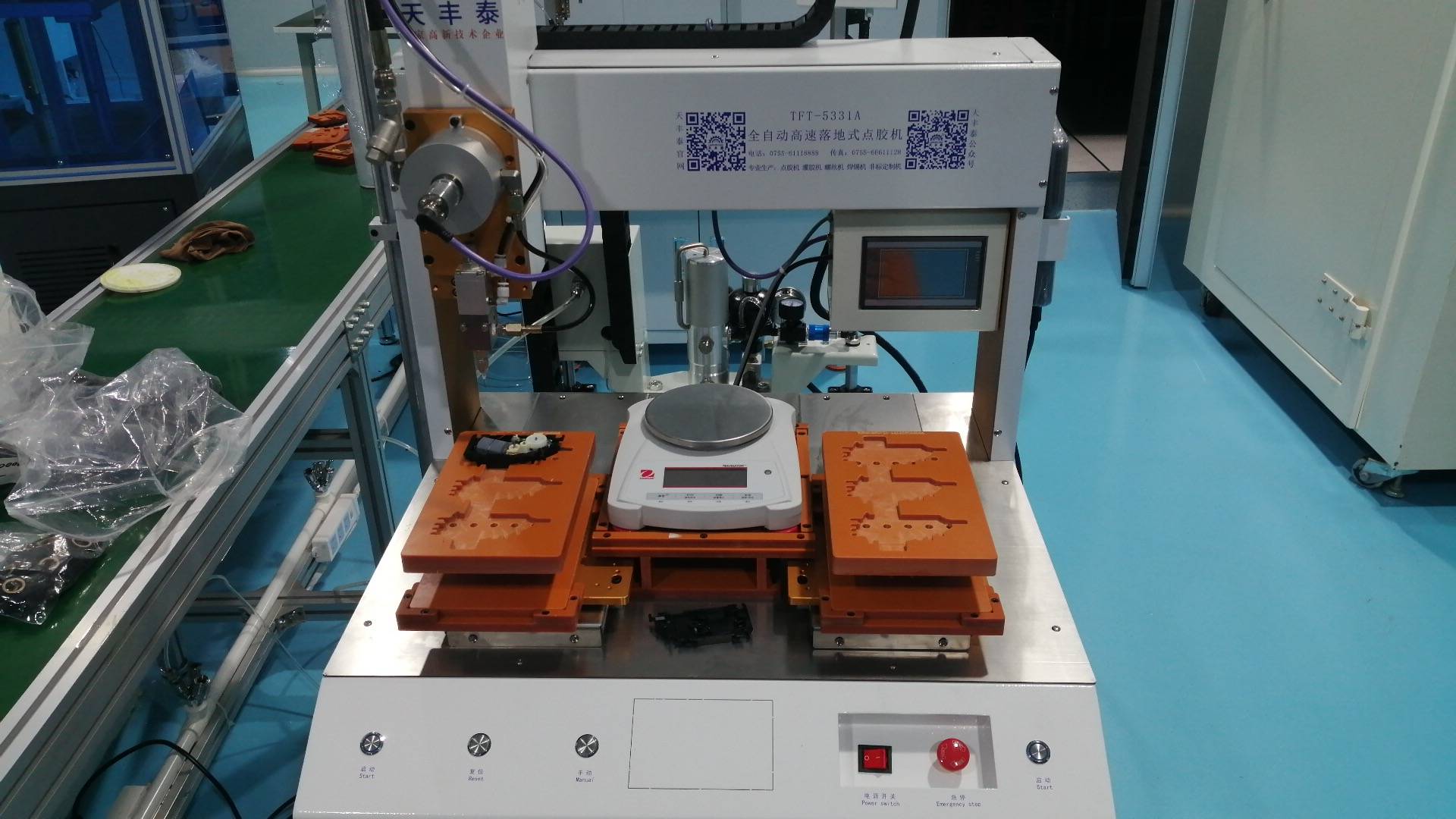
Precision Tooling & Machining Infrastructure
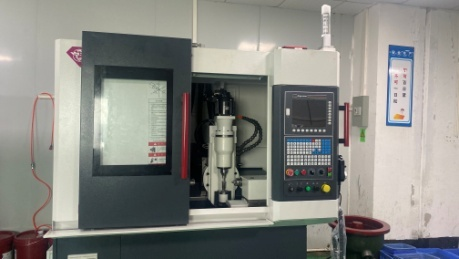
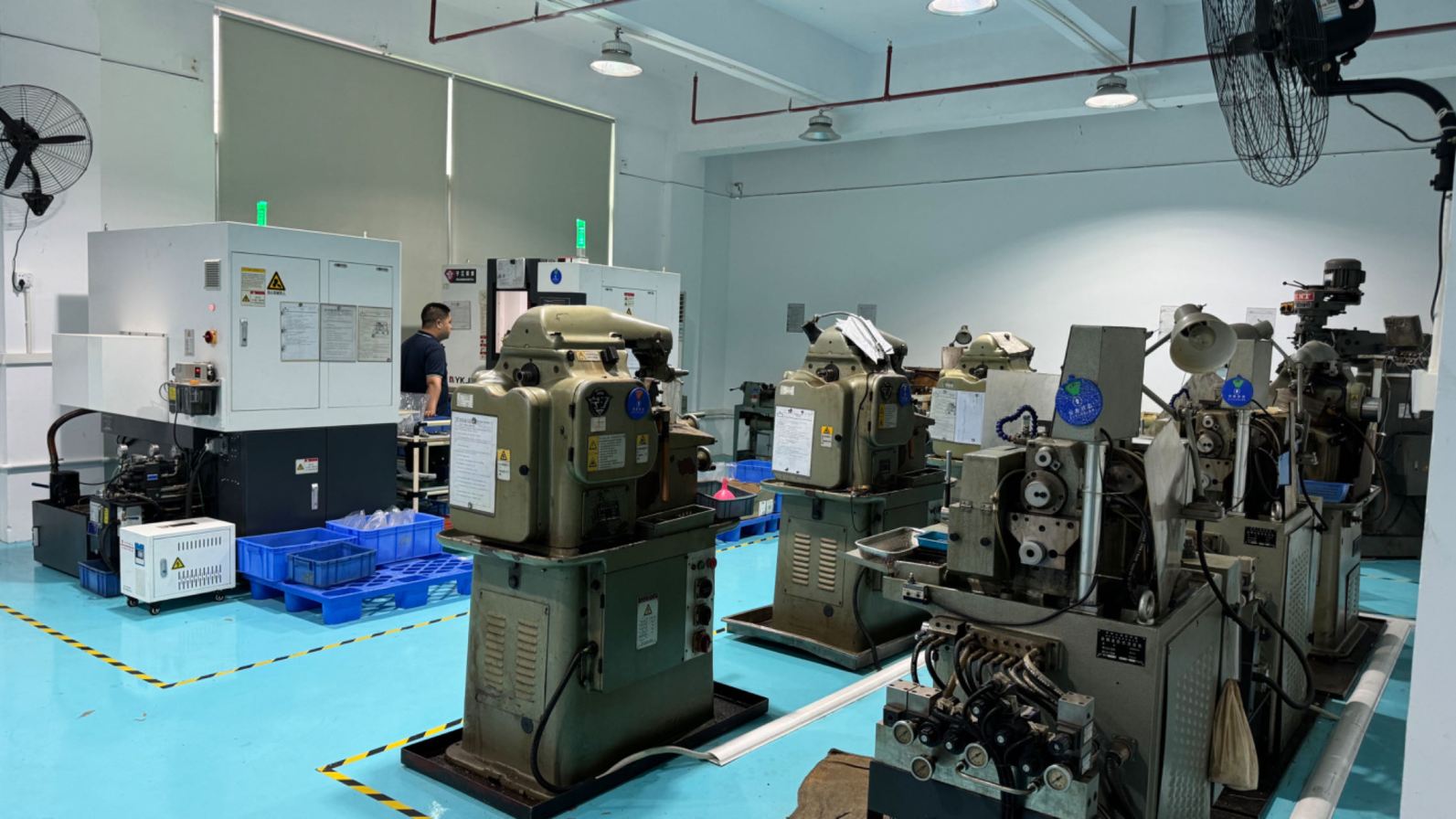
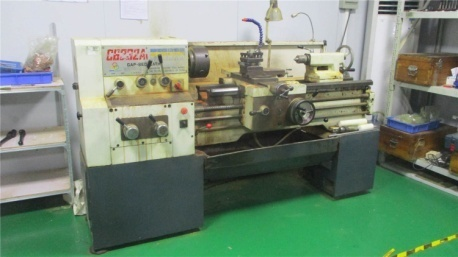
Our workshop houses high-precision tooling systems to fabricate complex internal gears, shafts, and robust motor housings.
Global Industrial Motor Industry Trends (2024–2030)
Unlocking energy efficiency, miniaturization, and intelligence in mechanical actuation systems.
High Efficiency (IE4 & IE5 Standards)
Global regulatory bodies are mandating energy-efficiency milestones to reduce carbon footprints. Modern motor topologies utilize optimized magnetic configurations and premium electrical steels to minimize iron and copper losses, pushing performance envelopes to Ultra-Premium Efficiency (IE5) ratings.
Smart Sensors & IoT Condition Monitoring
Integrating MEMS temperature sensors and accelerometers directly within the motor housing is becoming standard practice. This feeds real-time vibrational and thermal telemetry back to control hubs, facilitating predictive maintenance cycles and minimizing unexpected downtime.
Transition to Brushless DC (BLDC) Systems
Applications are rapidly transitioning from traditional brushed DC motors to Brushless DC (BLDC) systems. The removal of mechanical brushes eliminates frictional degradation, drastically dampens electromagnetic interference (EMI), and enhances the operating lifespan of the motor by up to 5 times.
Localized Application Scenarios & Macro Solutions
How precision miniature drives power the infrastructure of our day-to-day smart environments.
🏥 Medical Hardware & Surgical Equipment
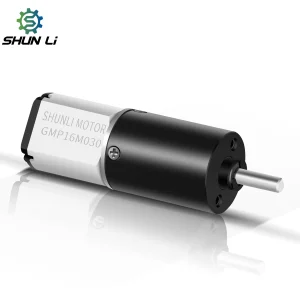
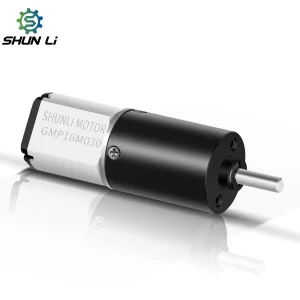
In high-speed surgical drills, orthopedic bone saws, and automated medication dosing pumps, micro-drive components must guarantee pinpoint accuracy and extremely low vibration. High-torque 16mm planetary gear reducers coupled with brushless commutation ensure surgeons maintain complete physical control with minimal tool weight.
🚗 Automotive Subsystems & ADAS
Modern vehicles contain dozens of micro-actuators responsible for electronic throttle valves, steering wheel feedback mechanisms, smart headlight positioning, and electronic parking brakes. These systems require high thermal tolerance (-40°C to 125°C) and robust permanent magnets to withstand shock and continuous road vibration.
🏠 Smart Home & Building Automation
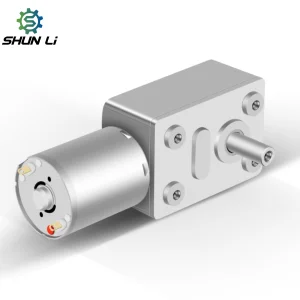
From smart locks and motorized blinds to robot vacuums and automated coffee vending systems, consumer convenience relies on silent, high-torque micro DC motors. The integration of compact worm-gear setups allows motors to hold position under load without consuming power (self-locking functionality).
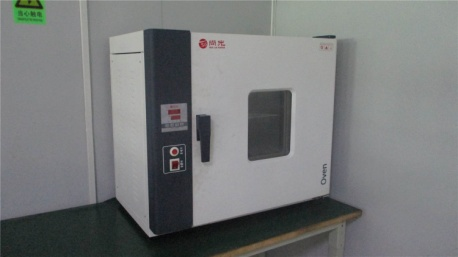
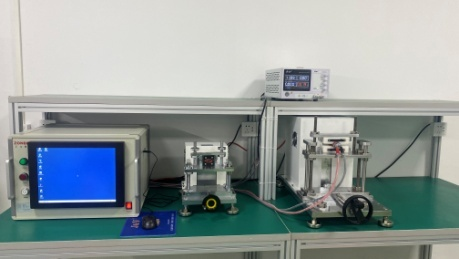
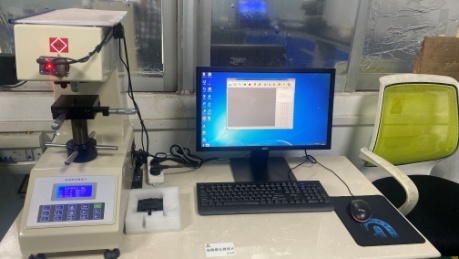
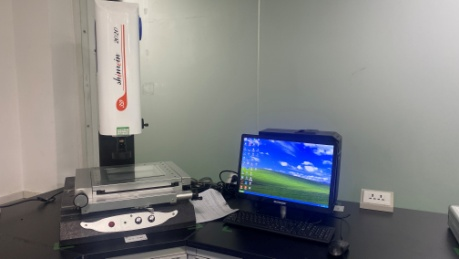
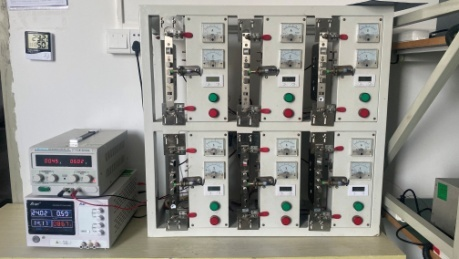
Advanced Design & Quality Verification Laboratory
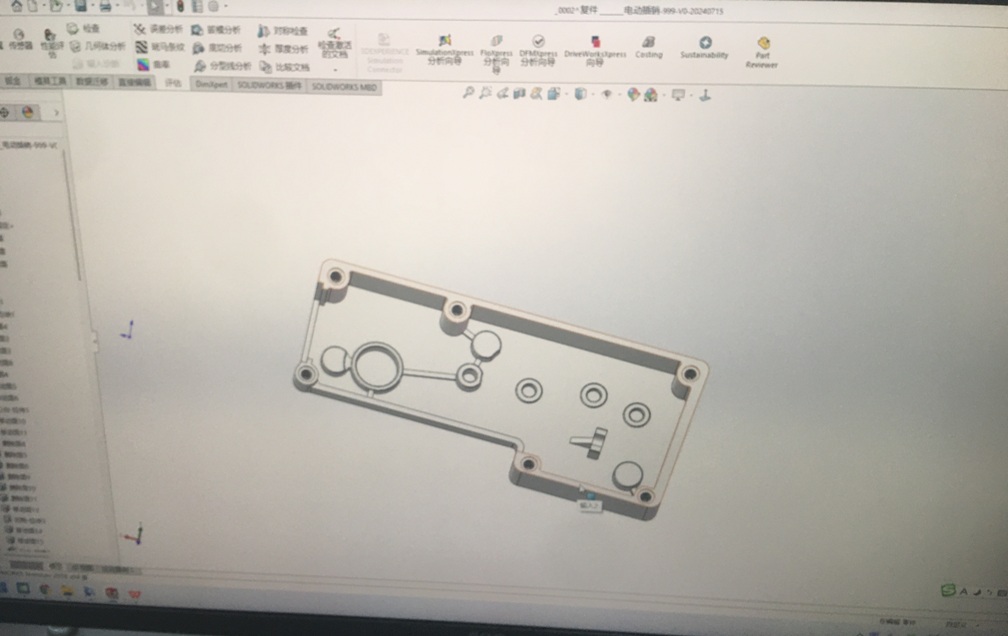
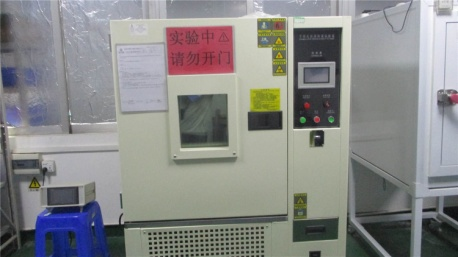
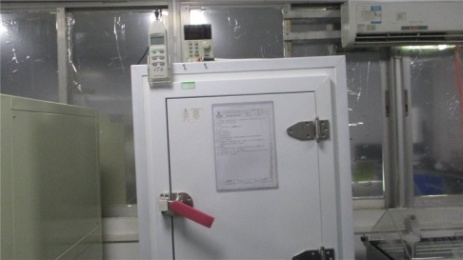
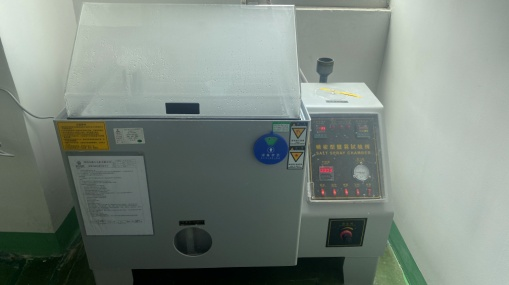
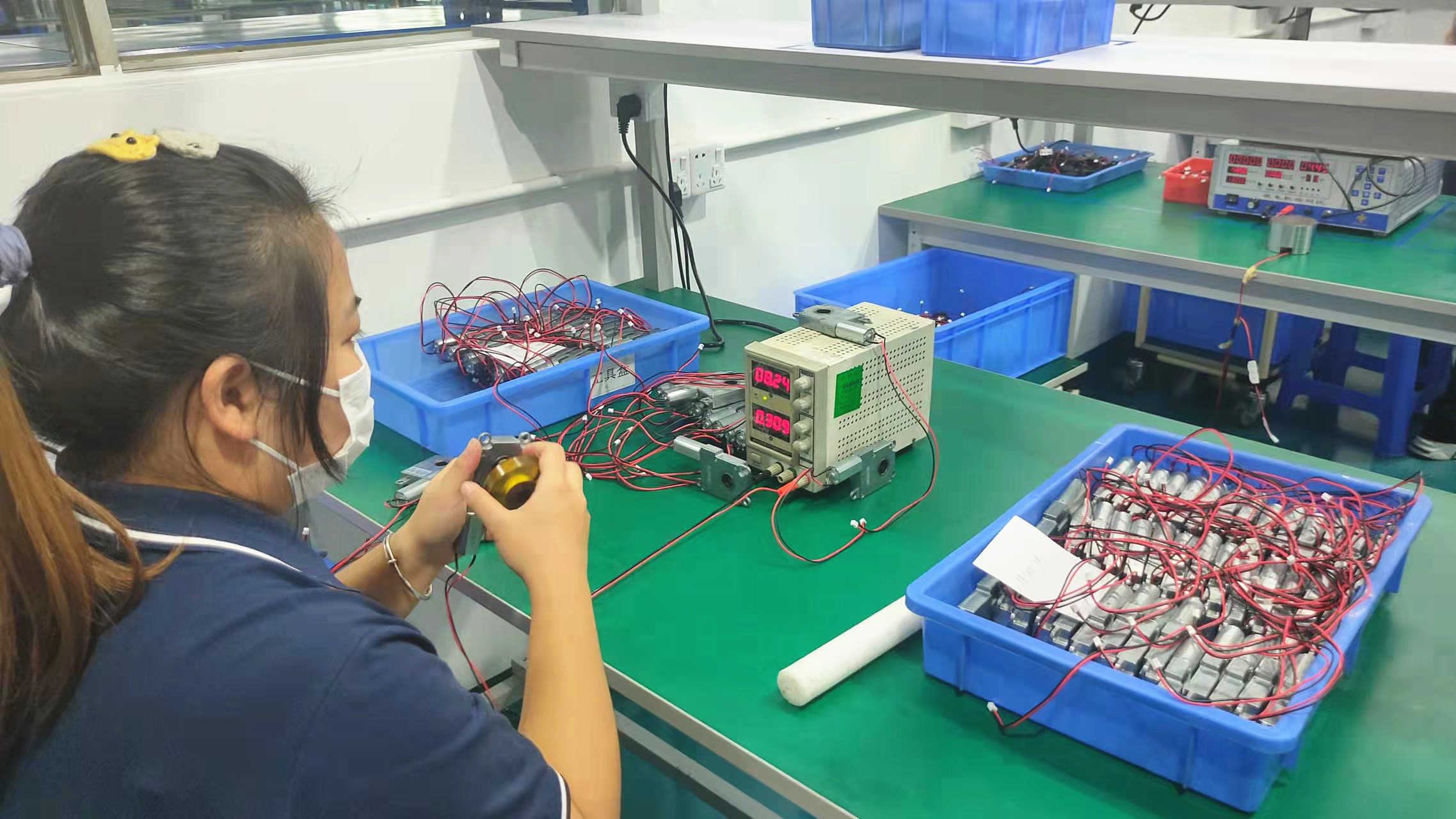
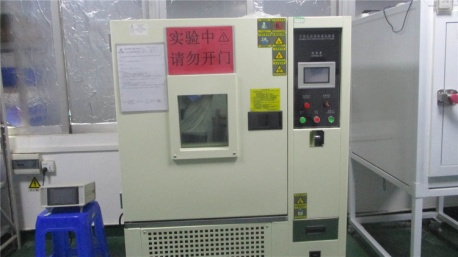
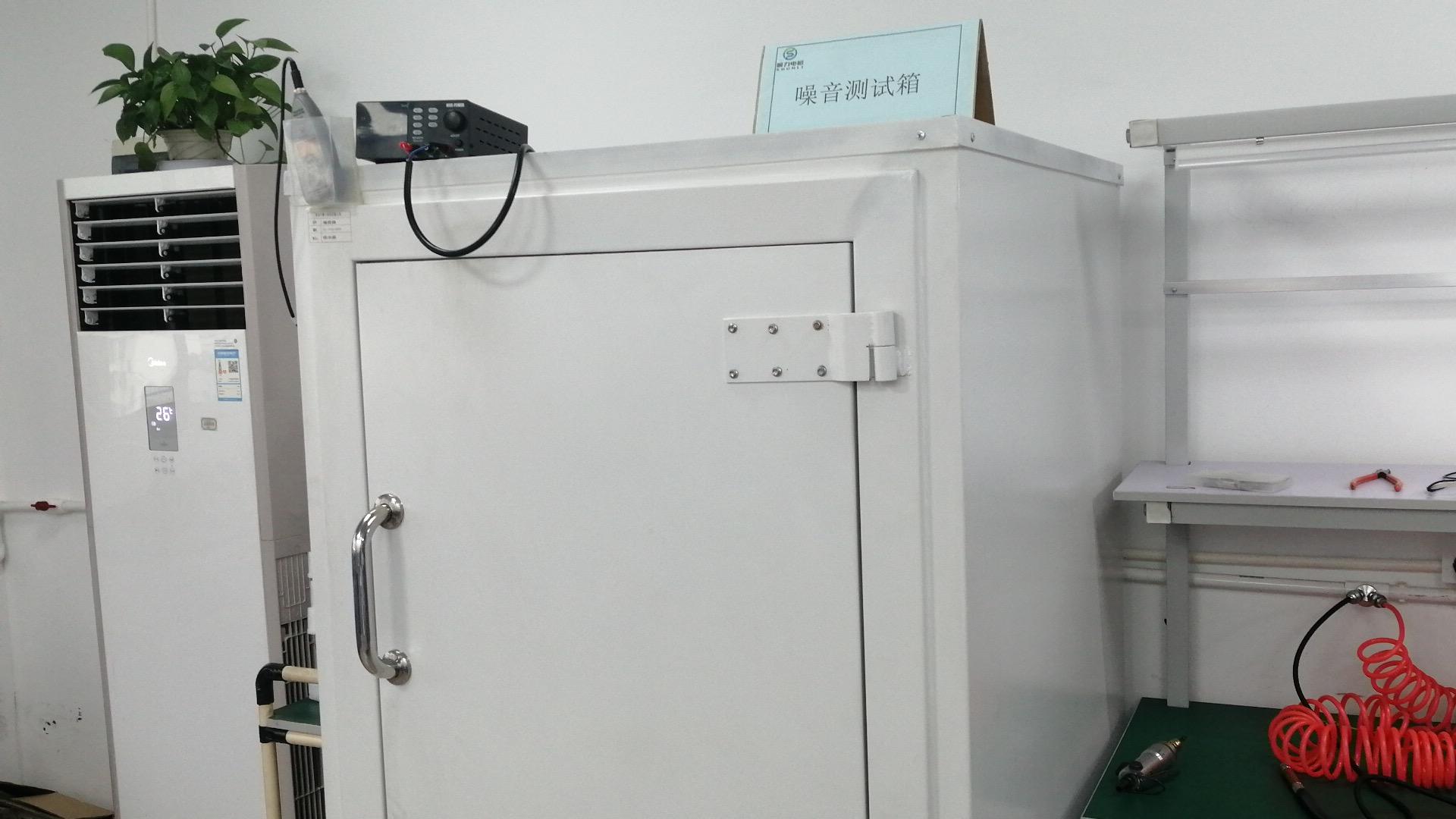
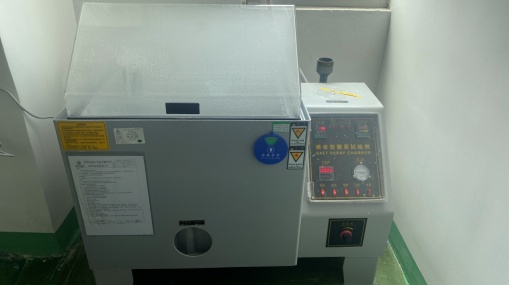
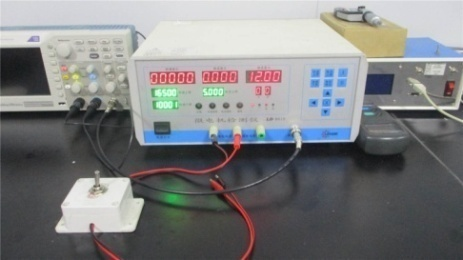
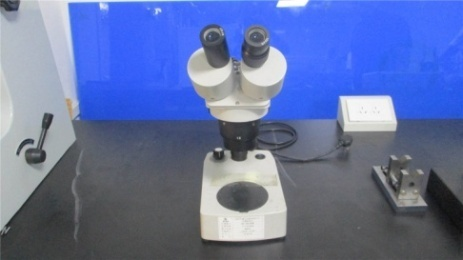
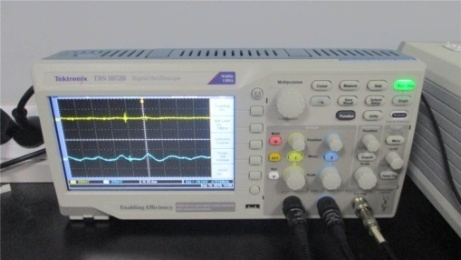
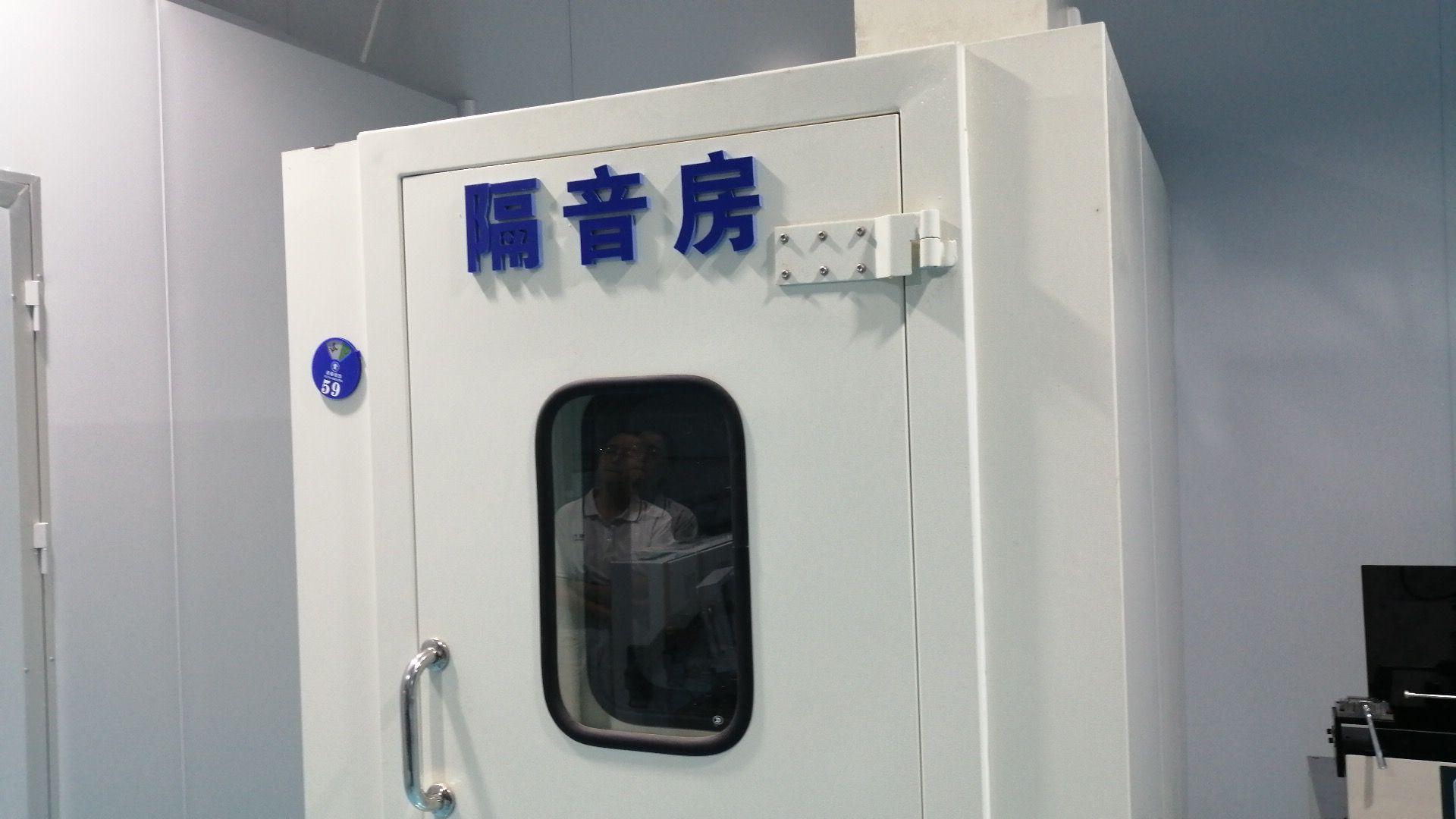
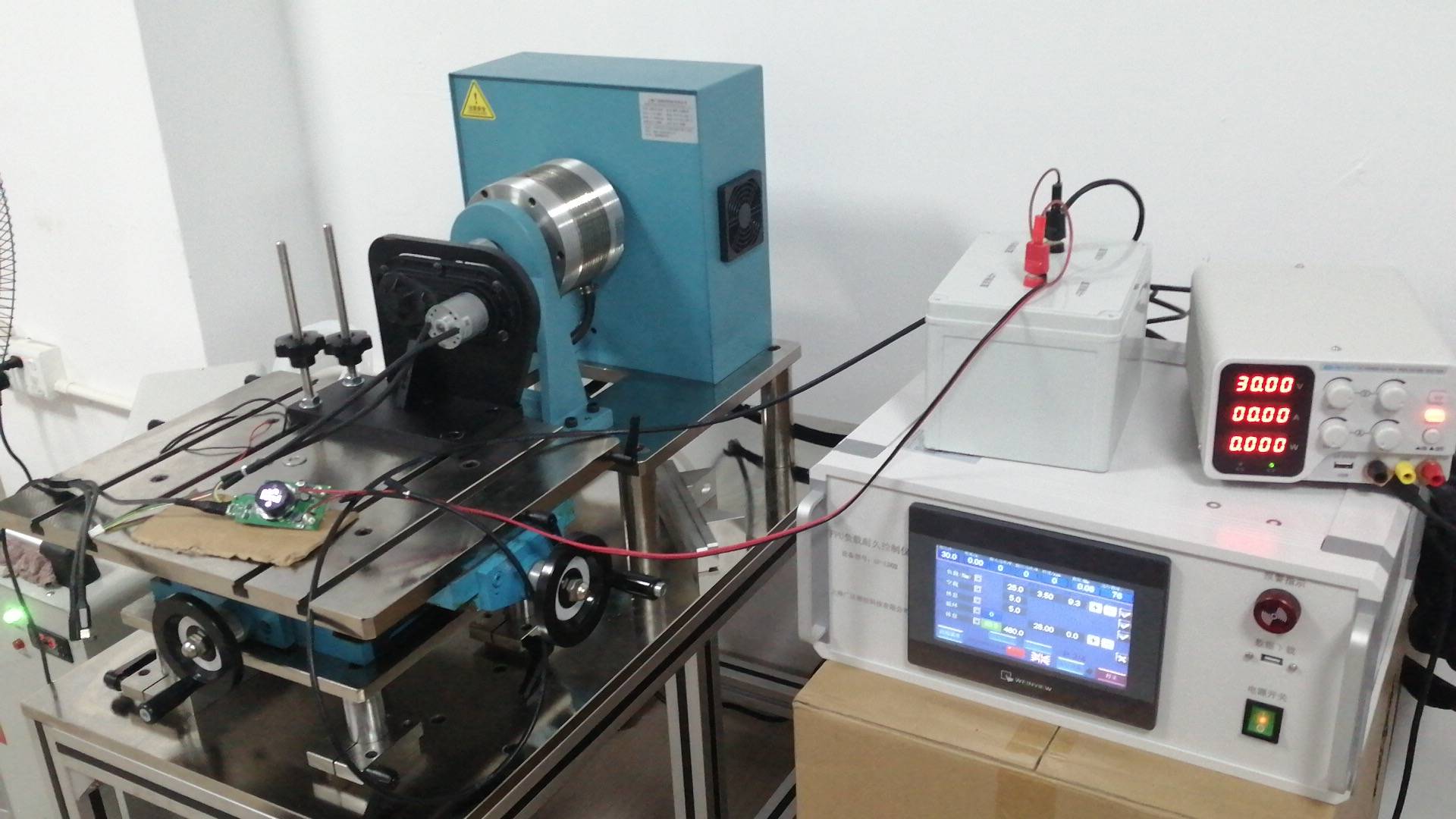
We deploy precise inspection devices to run structural, thermal, acoustical, and lifetime fatigue stress analysis on our motors.
Global Procurement Guide: Selecting the Right Industrial Motor Supplier
Maximize your ROI and minimize operational risks by adhering to these critical technical metrics.
1. Regulatory Compliance & Quality Auditing
Ensure the supplier holds active certifications such as CE, RoHS, UL, and ISO9001. If designing for the automotive industry, IATF16949 compliance is non-negotiable. Always request detailed reports on environmental limits, chemical composition, and hazardous material exclusion.
2. Dimensional Consistency & Concentricity Specs
For high-precision applications like robotics and surgical instruments, shaft runout (eccentricity) and concentricity must be strictly measured in micrometers. Variations in mechanical dimensions lead to accelerated gear wear, elevated acoustics, and eventual mechanical failure.
3. Comprehensive Dynamometer Load Testing
Verify that your manufacturing partner tests motors under dynamic load loads, plotting curves for speed, current, efficiency, and torque output. Understanding the thermal rise curve of the windings under the continuous duty cycle is essential to predict the realistic lifespan of the assembly.
Frequently Asked Questions (FAQ)
Technical answers to common engineering and sourcing questions on micro DC drives and gear motors.
What are the primary differences between Brushed and Brushless DC motors in industrial applications?
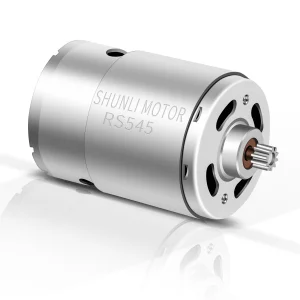
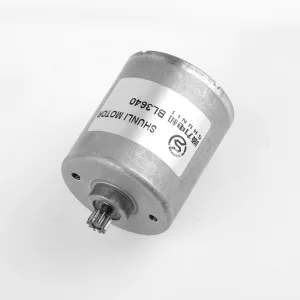
Brushed DC motors are cost-effective, simple to control, and offer high initial torque, but their carbon brushes experience friction, causing mechanical wear and electrical noise. Brushless DC (BLDC) motors eliminate brushes, employing an electronic controller to switch current. This leads to higher efficiencies, reduced noise, virtually no maintenance, and a significantly longer operation life.
How does a planetary gear reducer compare to a spur or worm gearbox?
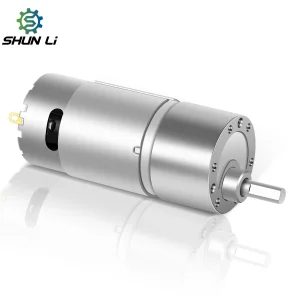
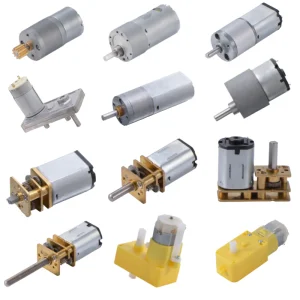
Planetary gearboxes distribute torque evenly across multiple planet gears, delivering high torque density and exceptional radial load capacity within a compact diameter. Spur gearboxes are simpler and quieter at lower speeds but have lower torque capacity. Worm gearboxes offer high reduction ratios and self-locking characteristics but suffer from lower mechanical efficiency due to friction.
Why is magnetic circuit optimization crucial for miniature DC motors?
Optimizing the magnetic circuit (using Finite Element Analysis to analyze flux lines) allows engineers to maximize the utilization of permanent magnets. This reduces the cogging torque (irregularity in rotation), increases the torque-per-watt efficiency, and prevents saturation in the rotor lamination stacks, allowing for smaller, lighter motor designs.
How does winding resistance impact motor performance and thermal limits?
Winding resistance (determined by copper wire gauge and turn count) dictates the current draw at a given voltage. Lower resistance allows higher current and greater torque output, but leads to increased Joule heating (I²R loss). Motor designers must balance resistance to ensure peak torque is achieved without exceeding the thermal limits of the wire insulation class (typically Class B, F, or H).
Can Vira Micromotor provide custom shafts, gear ratios, and mounting flanges?
Yes. Our engineering division specialize in custom-engineered solutions. We routinely adjust shaft lengths, add flat D-cuts, machine keyways, design custom mounting plates, and match specific planetary or worm gear ratios to satisfy unique torque, speed, and spatial parameters.
What QA steps are carried out in your testing chambers?
We deploy programmable temperature and humidity chambers to verify motor operation under extreme environmental conditions. Salt spray chambers evaluate corrosion resistance of metal surfaces and plating. Noise testing chambers ensure the acoustical profile remains below requested decibel limits, and dynamometers capture precise speed-torque-efficiency curves.
What are shaded-pole AC motors, and where are they typically deployed?
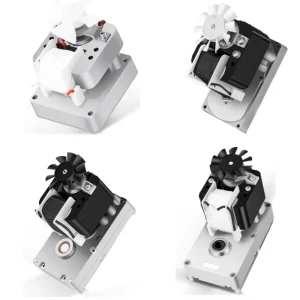
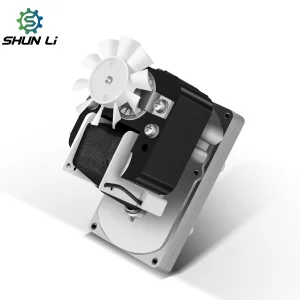
Shaded-pole AC motors are a type of single-phase induction motor characterized by low starting torque and low cost. They are highly reliable for low-power applications like cooling fans, oven air circulators, and microwave turntables where complex speed controls are not required.
How do you mitigate electromagnetic interference (EMI) in brushed micro motors?
To suppress the EMI spark discharge created between the brushes and commutator, we can integrate internal capacitors, varistors, or metal-oxide varistors (MOVs) directly into the motor end-cap assembly. External LC filters can also be integrated into the wire harness design.
What is the lead time for custom motor prototyping and volume manufacturing?
Standard design modifications (such as shaft length and cable assemblies) typically require 10 to 14 business days for functional prototypes. Major tooling modifications (like custom gearboxes) take 4 to 6 weeks. Mass production cycles are generally completed within 25 to 35 days, depending on material scheduling and total order volume.
Do you offer RoHS and REACH compliant motors?
Absolutely. All raw components, including structural alloys, copper coils, magnetic compounds, wire insulation coatings, and lubricants, are fully compliant with RoHS and REACH regulations, ensuring safe and unhindered entry into the North American and European markets.
Advanced Micro Electric Motors & Actuators
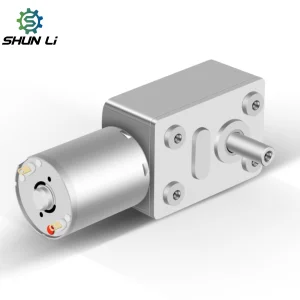
Discover our specialized range of high-rpm DC motors, micro-steppers, and robust worm gear reducers.