Featured Precision Gear & Torque Motors
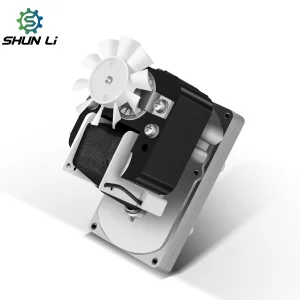
Shunli Customized High Quality Electric High Torque Single Phase Speed Controller Ac Reductor Gear Motor for Treadmill
View Details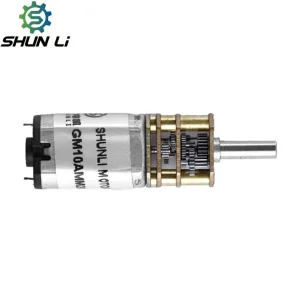
10MM 15 Rpm Low RPM Permanent Magnet Generator 3V 6V 12V Brush Commutation DC Gear Motor for Home Appliance Use
View Details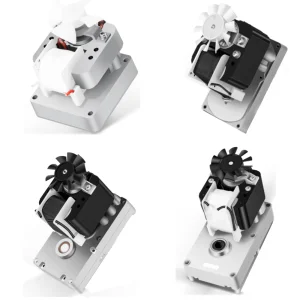
High Quality 230v Ac Motor Wholesale Shaded Pole Motor 230v Ac Motor for Oven
View Details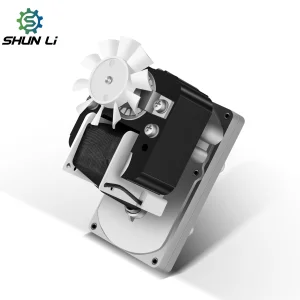
Shunli Motor 1.5RPM 4-5.5RPM 60RPM 100RPM 22N.m High Torque 100V-200V 220V 240V AC BBQ Gear Grill Shaded Pole Motor 50HZ/60HZ
View Details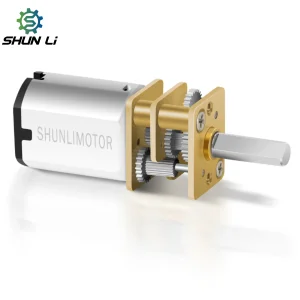
Dc gear Motor 12v 500 Rpm 3mm Dual Shaft Mini Metal Gear Motor
View Details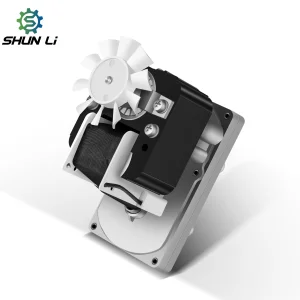
Ac Motors High Quality Single-phase Good Price 220v Ac Shaded Gear Pole Motor for Fan Motor/oven
View Details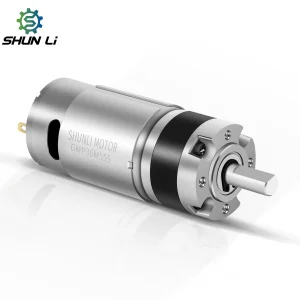
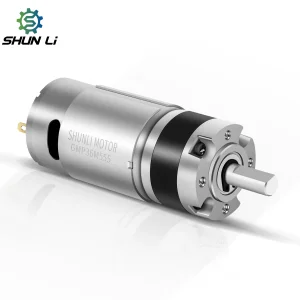
Shunli 12v 24v Dc Gear Motor Planetary Dc Geared Motor 12v 30kgcm Torque
View Details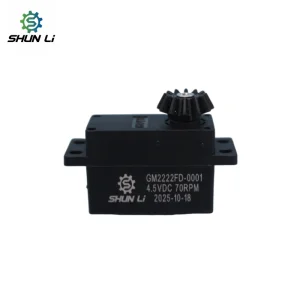
4.5v Dc Gear Patent Motor for Electric Lock Low Rpm 60rpm Shunli Permanent Magnet Brush Customized 30-100RPM
View DetailsThe Core of Precision Motion: Inside Vira Micromotor
At Vira Micromotor, we believe that the trend toward miniaturization shouldn't mean a compromise in power. As a premier manufacturer specializing in high-performance Micro DC Motors, DC Gear Motors, and Brushless DC Motors (BLDC), we have spent twenty years mastering the science of miniature motion control.
From our state-of-the-art, ISO9001-certified manufacturing facility, Vira Micromotor bridges the gap between China’s supply chain efficiency and global technical standards. Our micro-drives are chosen globally by product designers and procurement managers in smart home automation, automotive electronics, medical hardware, and robotics for their exceptional power-to-size ratio, whispering-quiet acoustics, and ultra-long lifespans.
We don’t just stamp out standard components—Vira Micromotor thrives on flexible OEM/ODM custom-engineered solutions. Powered by an elite in-house R&D team holding multiple drive-tech patents, we provide rapid prototyping and seamless technical collaboration. From specific voltage tuning and specialized gear ratios to custom shaft modifications, we engineer the precise Vira Micromotor around which your next innovation will revolve.
Understanding Torque Motor Physics: Optimization for High-Density Micro Drives
Torque motors represent a specialized category of electromagnetic rotary actuators designed to operate effectively at low speeds, or even under locked-rotor (stall) conditions, while delivering high torque levels. In conventional micro motors, torque is generally sacrificing speed via planetary or spur gearboxes. However, direct-drive torque motor configurations focus on maximizing the rotor-to-stator air-gap radius, integrating permanent magnet configurations (often Neodymium Iron Boron, or NdFeB) to yield maximum torque density ($K_t$).
Key Performance Metrics in Torque Motor Engineering:
Cogging Torque Reduction
Minimizing the magnetic attraction between stator teeth and rotor permanent magnets is critical. Our engineering division implements skewed slot geometries and precise magnetic pole layout configurations to reduce torque ripple to less than 1.5%.
Thermal Performance & Stall Control
At continuous stall torque, heat dissipation becomes critical. The utilization of high-temperature Class H insulated magnet wire (up to 180°C) coupled with high-thermal-conductivity encapsulation ensures winding integrity under load.
Planetary Reduction Efficiency
Where direct-drive space is restricted, custom micro planetary gearboxes are integrated. Our gear hobbing tolerances reach AGMA Class 10+, minimizing transmission backlash and maximizing overall drivetrain efficiency.
For smart lock mechanisms, medical injection systems, and automotive actuators, the spatial volume is constrained. Therefore, mechanical designers must optimize the motor's speed-torque curve. Vira Micromotor’s custom winding designs allow engineers to balance current draw, stall torque, and rated speed for precise control, preventing premature battery depletion in wireless installations.
Standard Operating Procedures: Our Core Production Pipeline
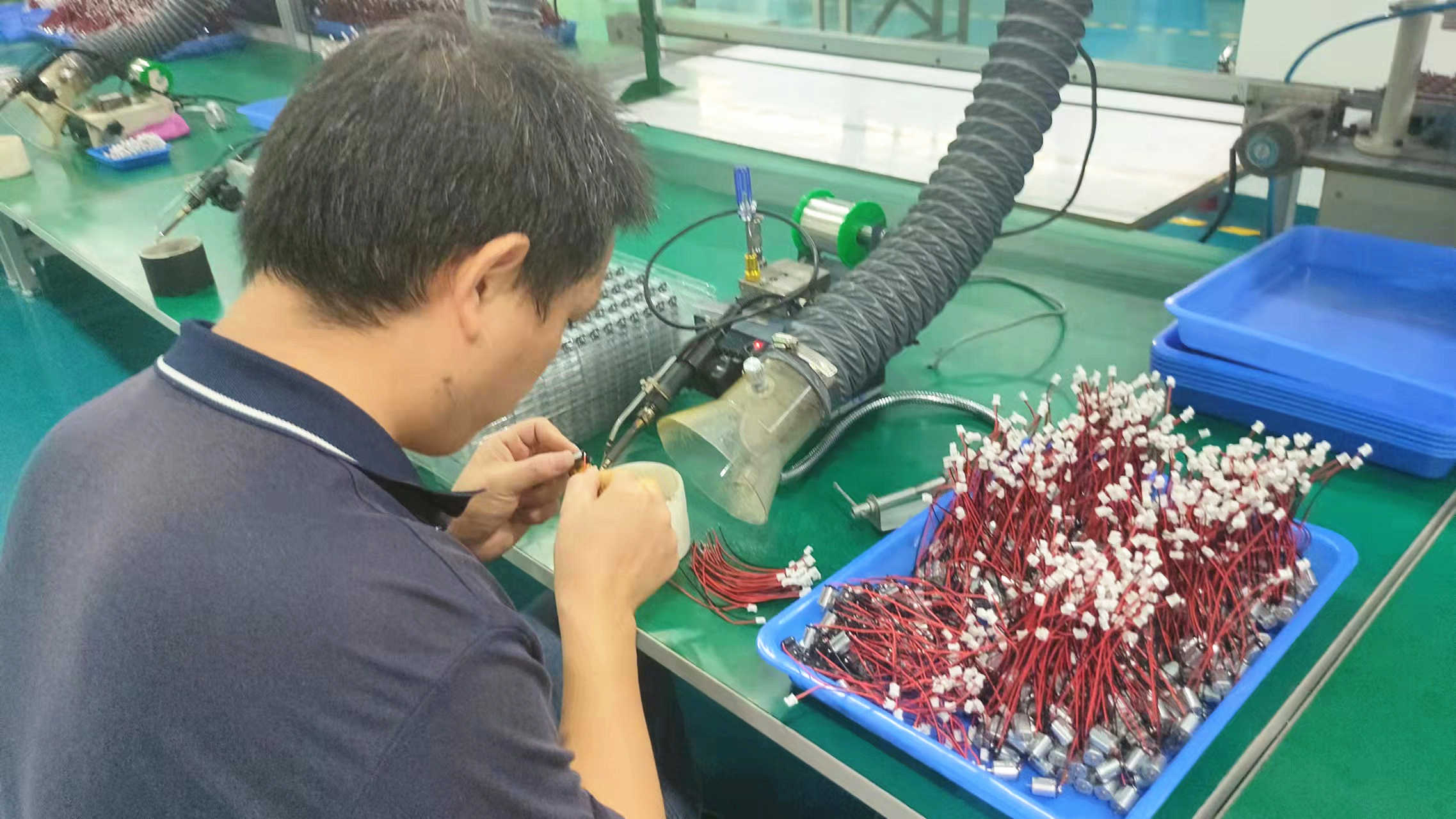
Ensuring reliable batches of custom micro DC gear motors requires precision at every production stage. Here is a breakdown of our main production line steps.
1. Soldering
Precise commutator and lead wire connection using temperature-monitored stations to avoid thermal stress on motor components.
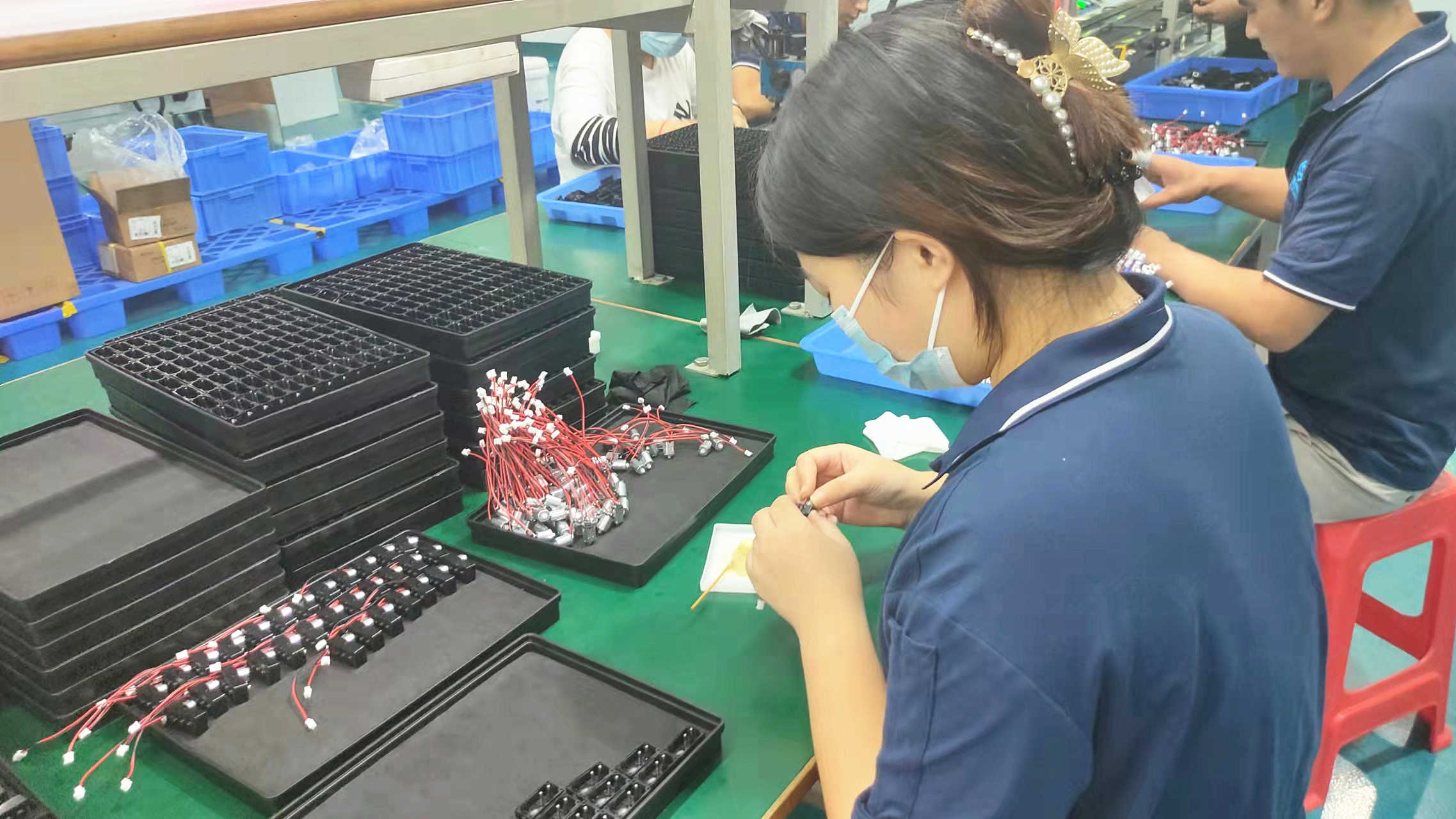
2. Assembling
Integration of rotor, stator, magnets, and gear train under clean-room conditions to minimize internal friction and particulate wear.
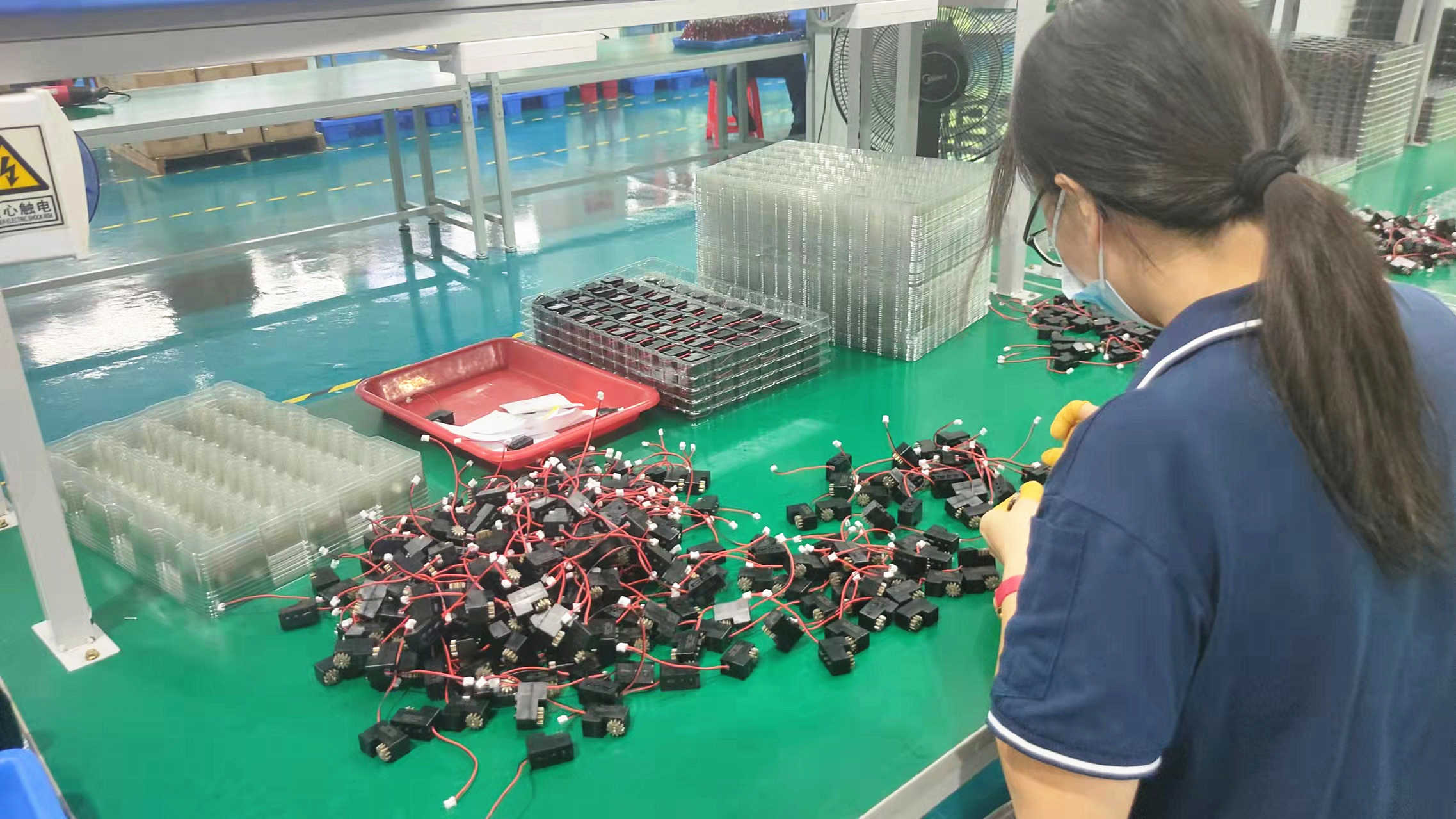
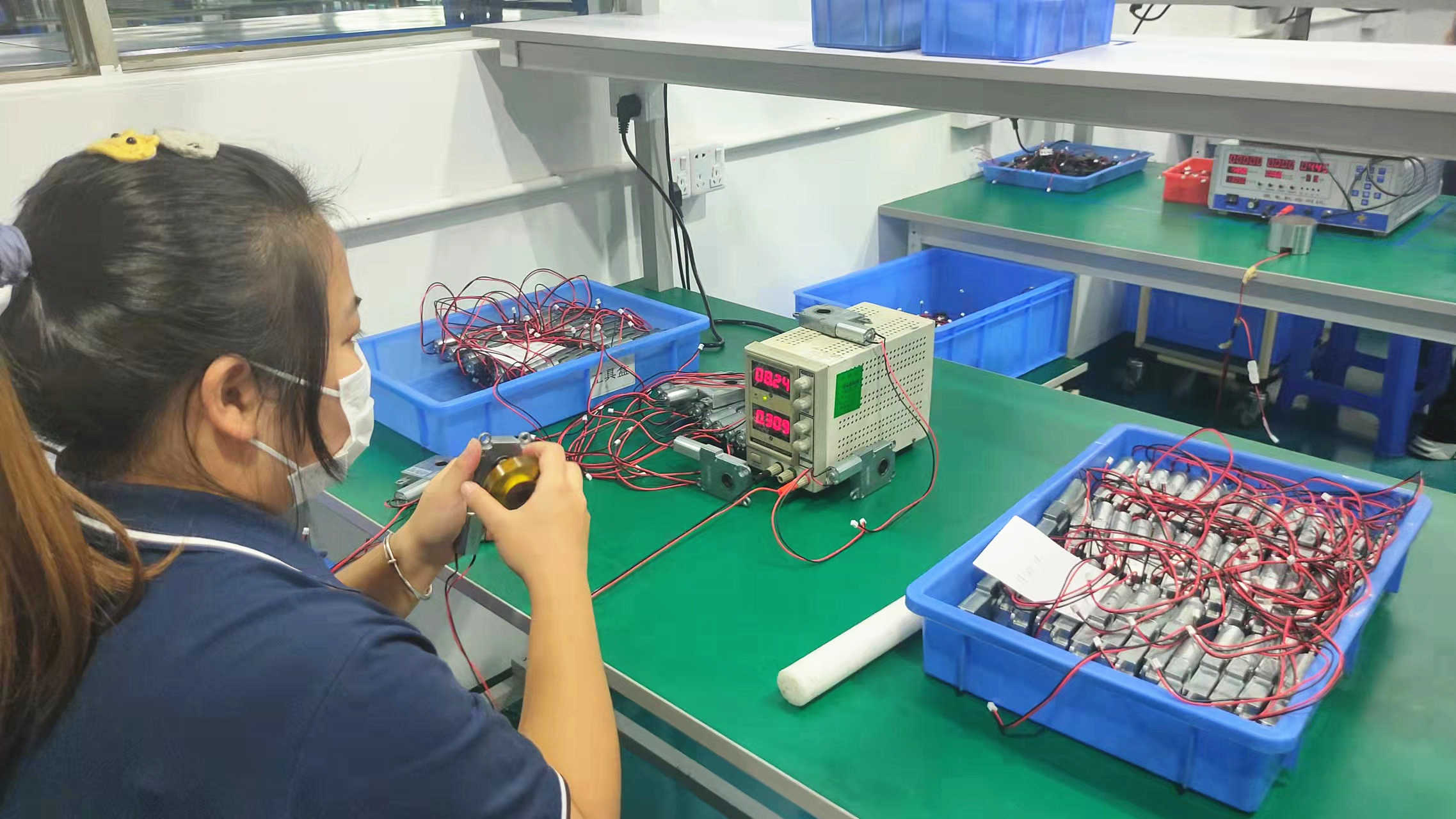
3. Testing
Real-time verification of electrical parameters including start voltage, stall current, speed, and acoustic output levels.
4. Packing
Custom anti-static tray packaging design that shields sensitive gearshafts from mechanical shock during transit.
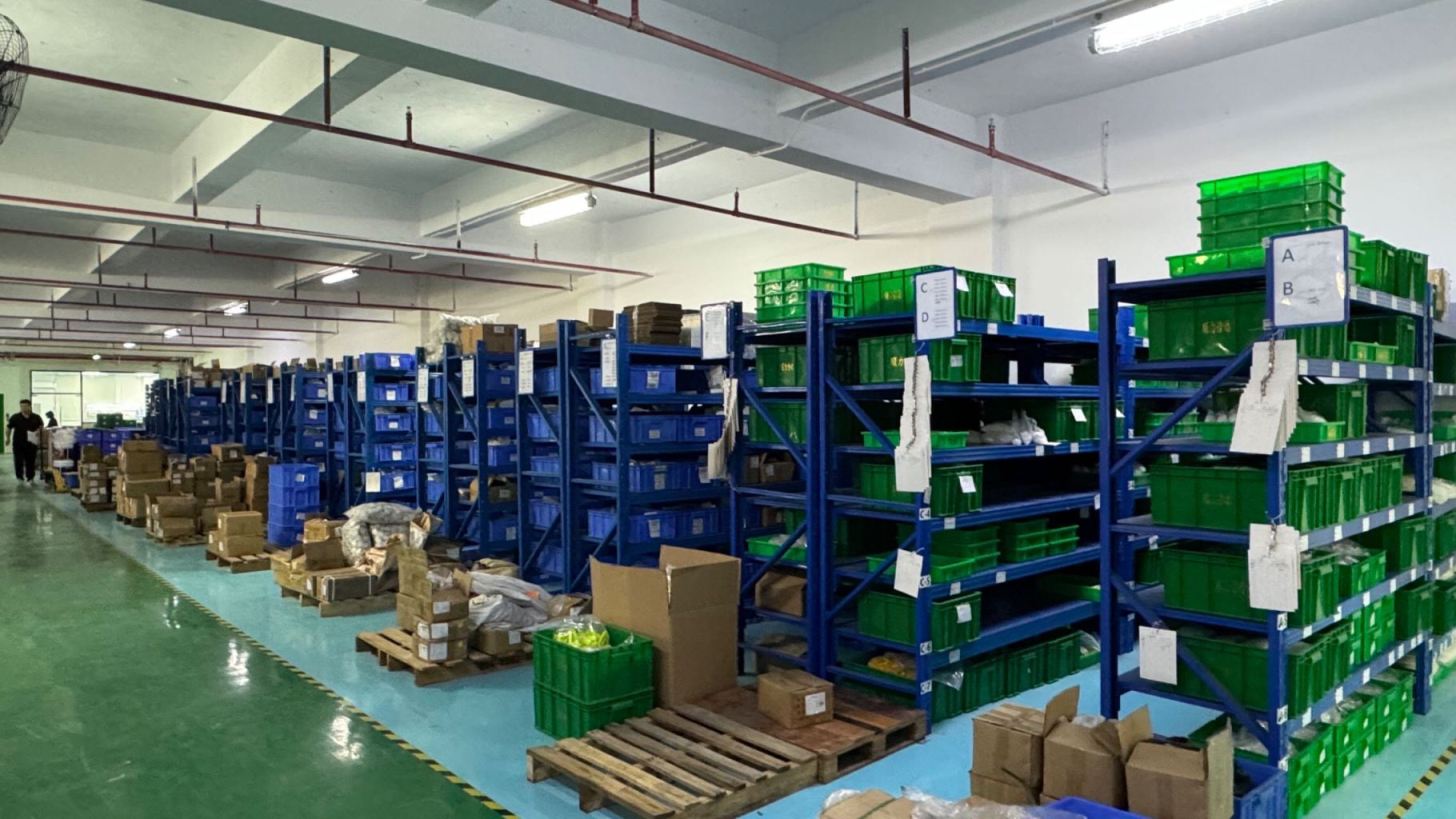
5. Storage
Temperature and humidity controlled warehousing protecting iron cores and gear surfaces from oxidization before shipment.
China Factory Supply Chain & Strategic Sourcing Advantages
Procuring high-quality micro motors requires a balance between cost optimization, mechanical quality, and lead-time stability. Partnering with a China-based, vertically-integrated supplier like Vira Micromotor offers structural benefits:
Raw Material Proximity
China controls over 70% of the world's rare earth magnet production. By operating directly inside the supply ecosystem, we source high-coercivity NdFeB magnets at stable prices, shielding our global partners from drastic price volatility in the bill of materials (BOM).
Vertical Production Setup
Our facility handles everything in-house: from automated wire winding and gear hobbing to plastic injection molding and casing design. This vertical integration cuts out markups from middle-tier subcontractors, ensuring cost savings and reliable quality control.
Prototyping & Scale
Our engineering facility supports rapid tooling and functional sample delivery within 7 to 15 business days. Once approved, our semi-automated assembly lines scale up smoothly, accommodating high-volume orders with consistent precision.
Advanced Processing Machinery & Tooling Assets
Vira Micromotor maintains high dimensional tolerances using modern tooling. Our production equipment includes:
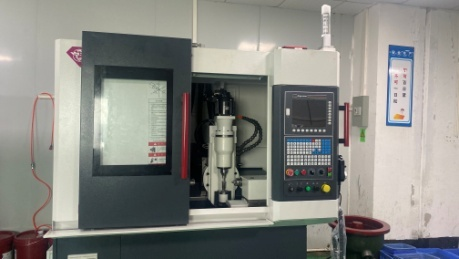
NINGJIANG MACHINE TOOL
High-precision CNC lathe centers optimized for micro shaft fabrication with tolerances down to the micron level.
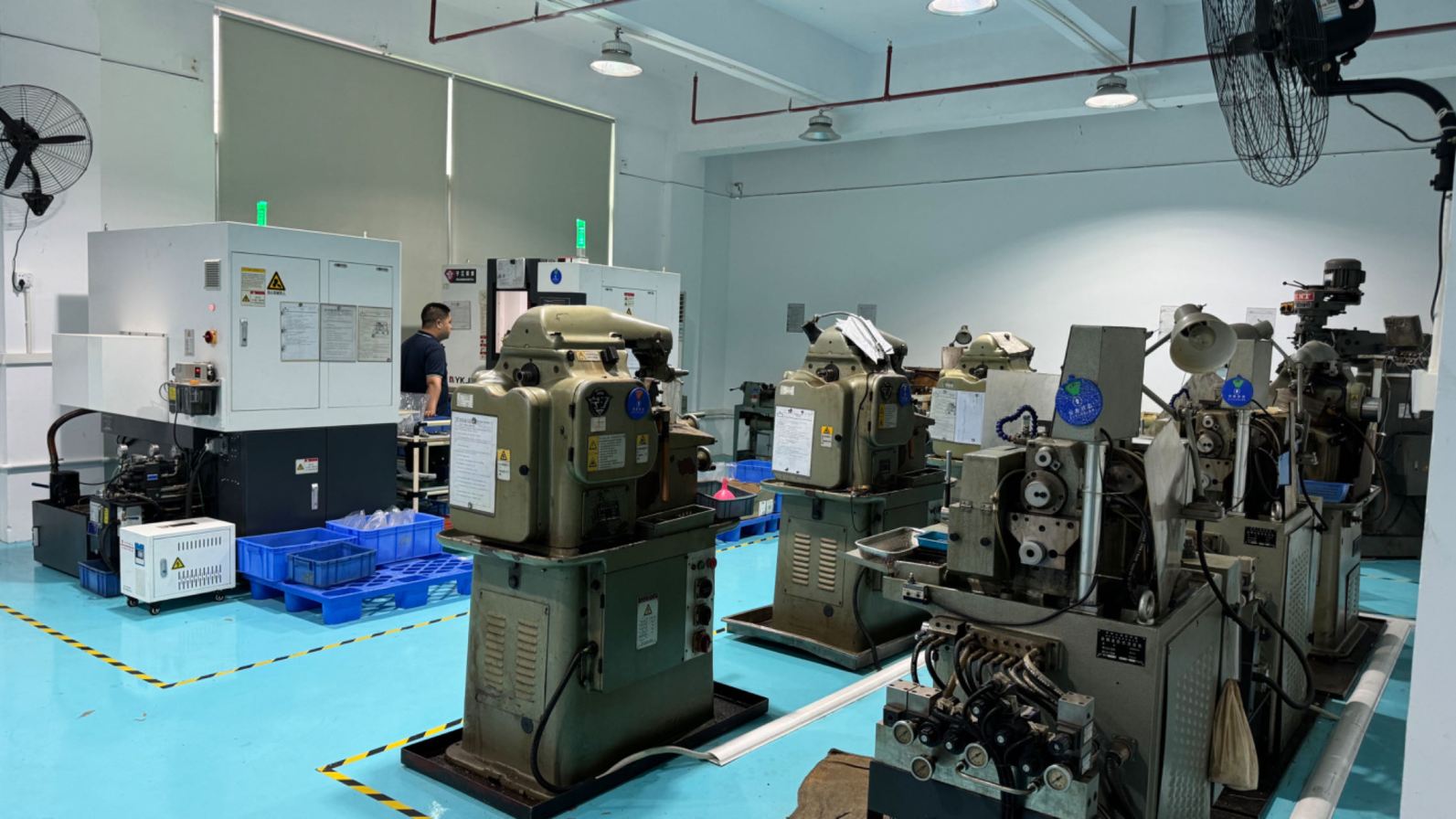
Gear Hobbing Machine
Horizontal precision gear cut system delivering gear tooth geometry and quiet operational acoustics.
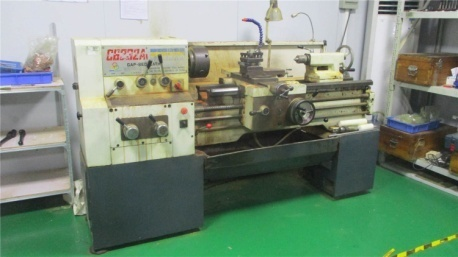
Precision Lathe Machine
Used for final turning of rotor stacks to ensure concentricity and minimize air-gap variation.
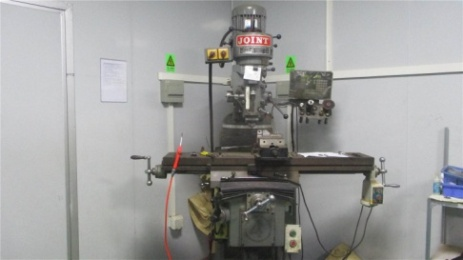
Milling Machine
Milling of custom bracket profiles and keyways for tailored mounting brackets and housings.
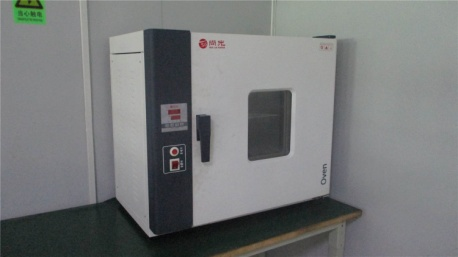
Curing Drying Oven
Thermal chamber for solidifying insulating varnishes, sealing coils against humidity and debris.
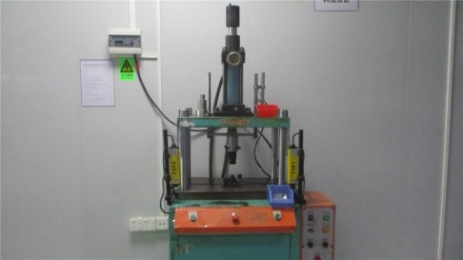
Automatic Gear Riveter
Applies uniform mechanical clamping force for high-precision pinion and shaft attachment.
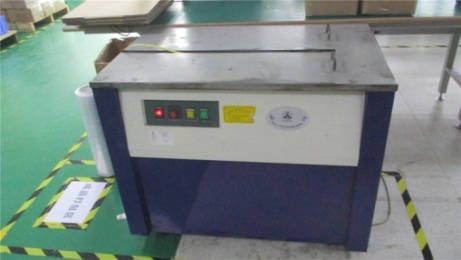
Automated Packing Machine
Ensures secure, moisture-resistant sealing of export boxes to protect units during sea freight.
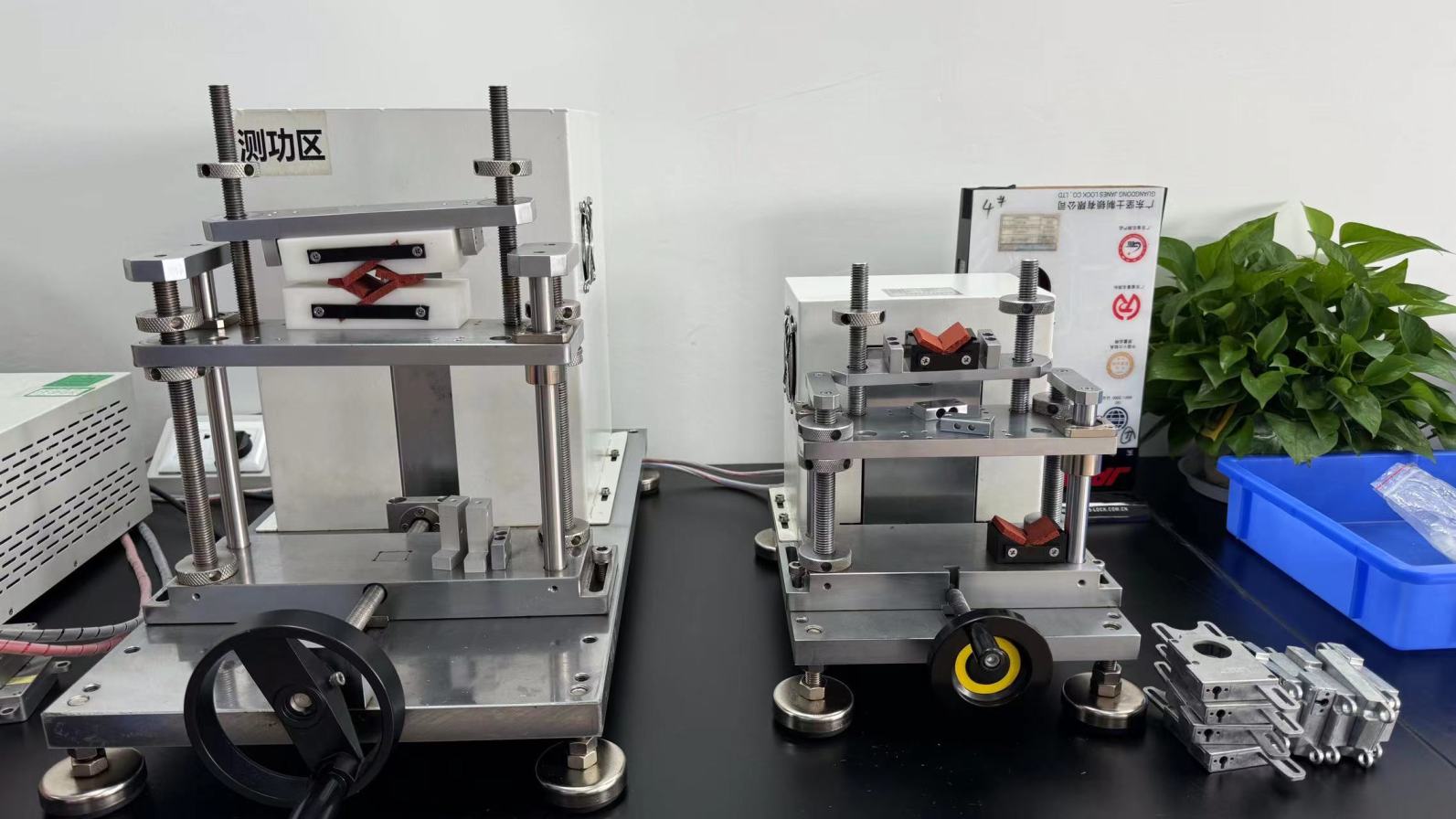
Pneumatic Press
Automated component insertion for press-fit bearings and gear housings, reducing assembly errors.
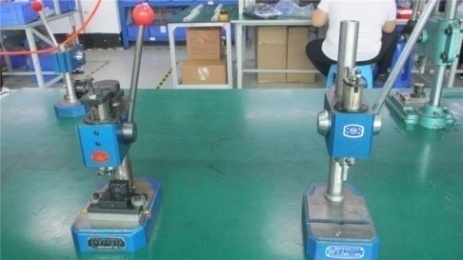
Manual Press Station
Provides control for low-volume specialty runs and delicate prototyping assemblies.
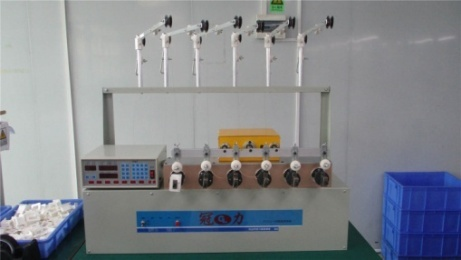
CNC Wire Winder
Programmed layer winding for copper coils, maximizing the copper fill factor in tight slot spaces.
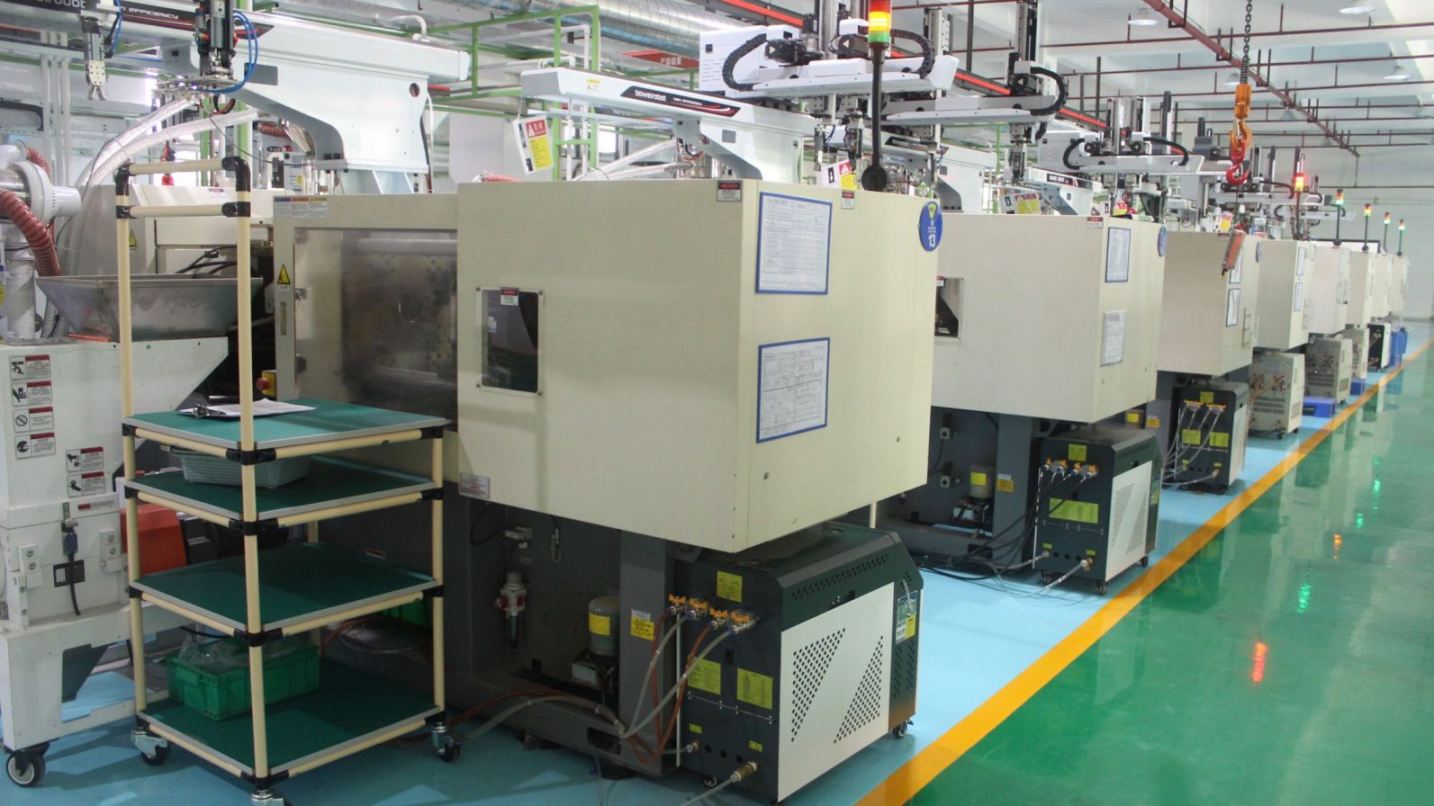
Injection Molding Machine
Molds high-strength plastic gears, end-caps, and internal insulators for balanced insulation.
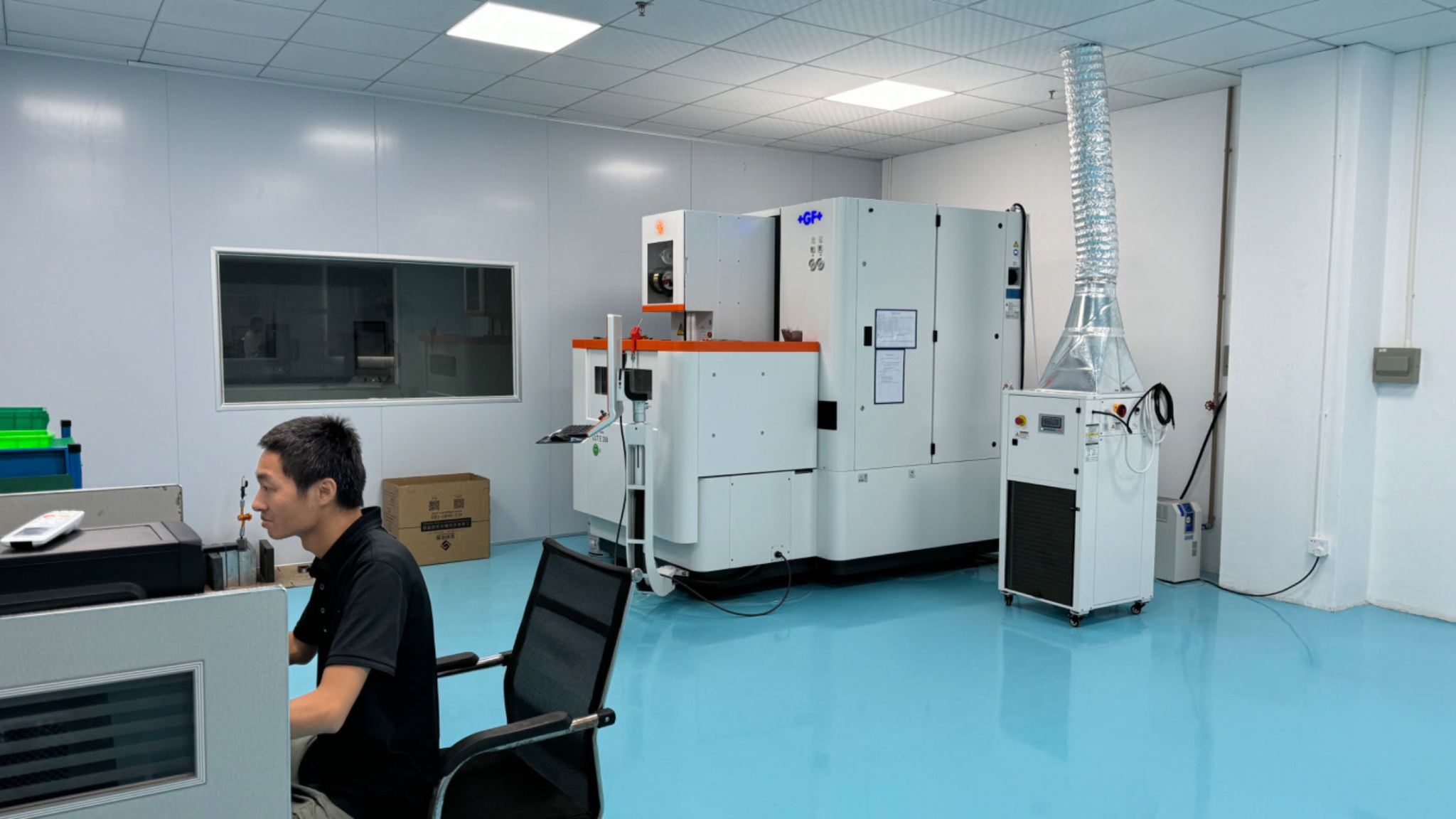
Slow-Feeding NC Wire-Cut
Electrical discharge machining (EDM) for shaping complex extrusion dies and press molds.
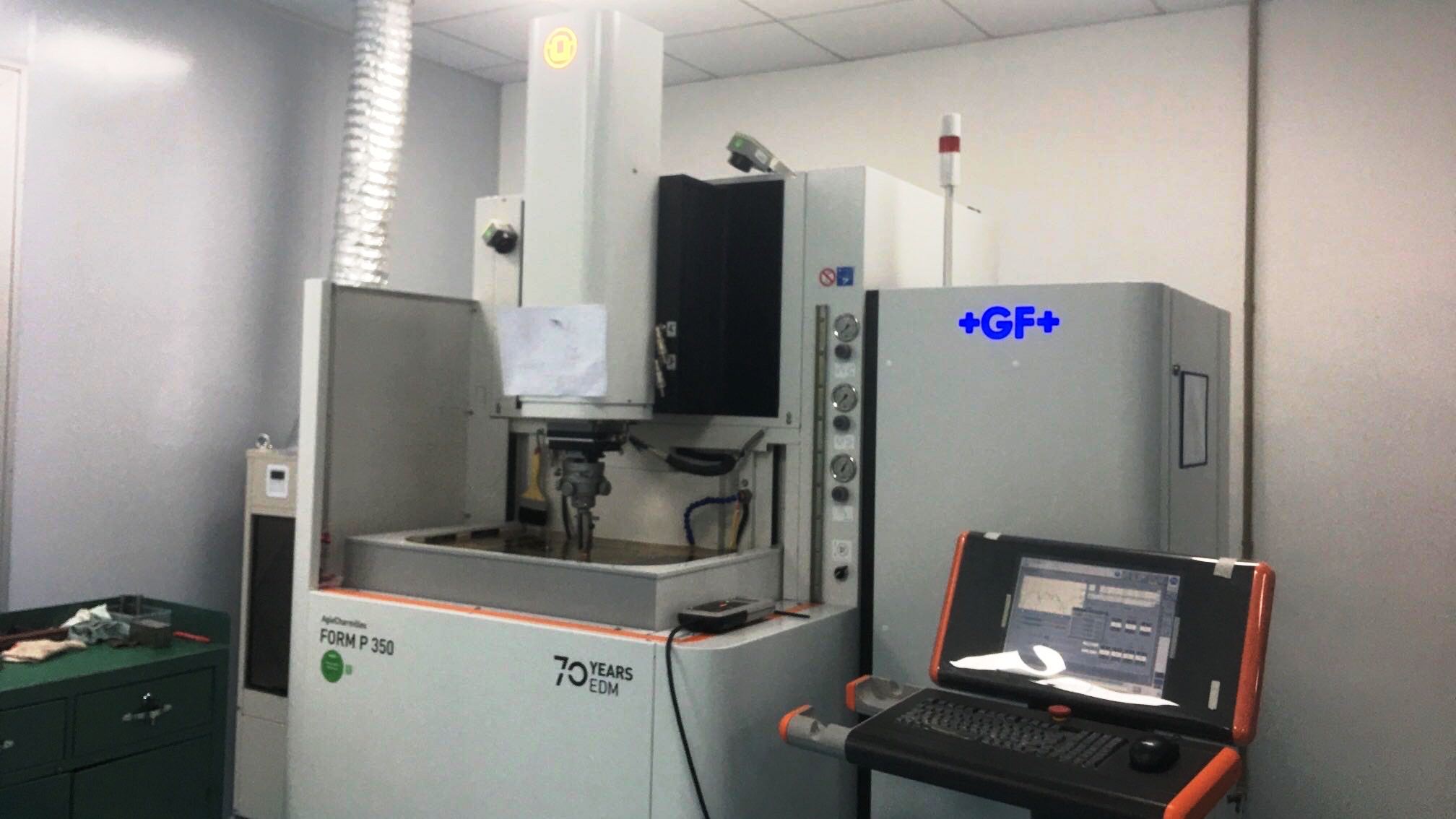
Die-Sinking EDM
Used for creating complex internal shapes in metal molds that are difficult to cut using standard milling.
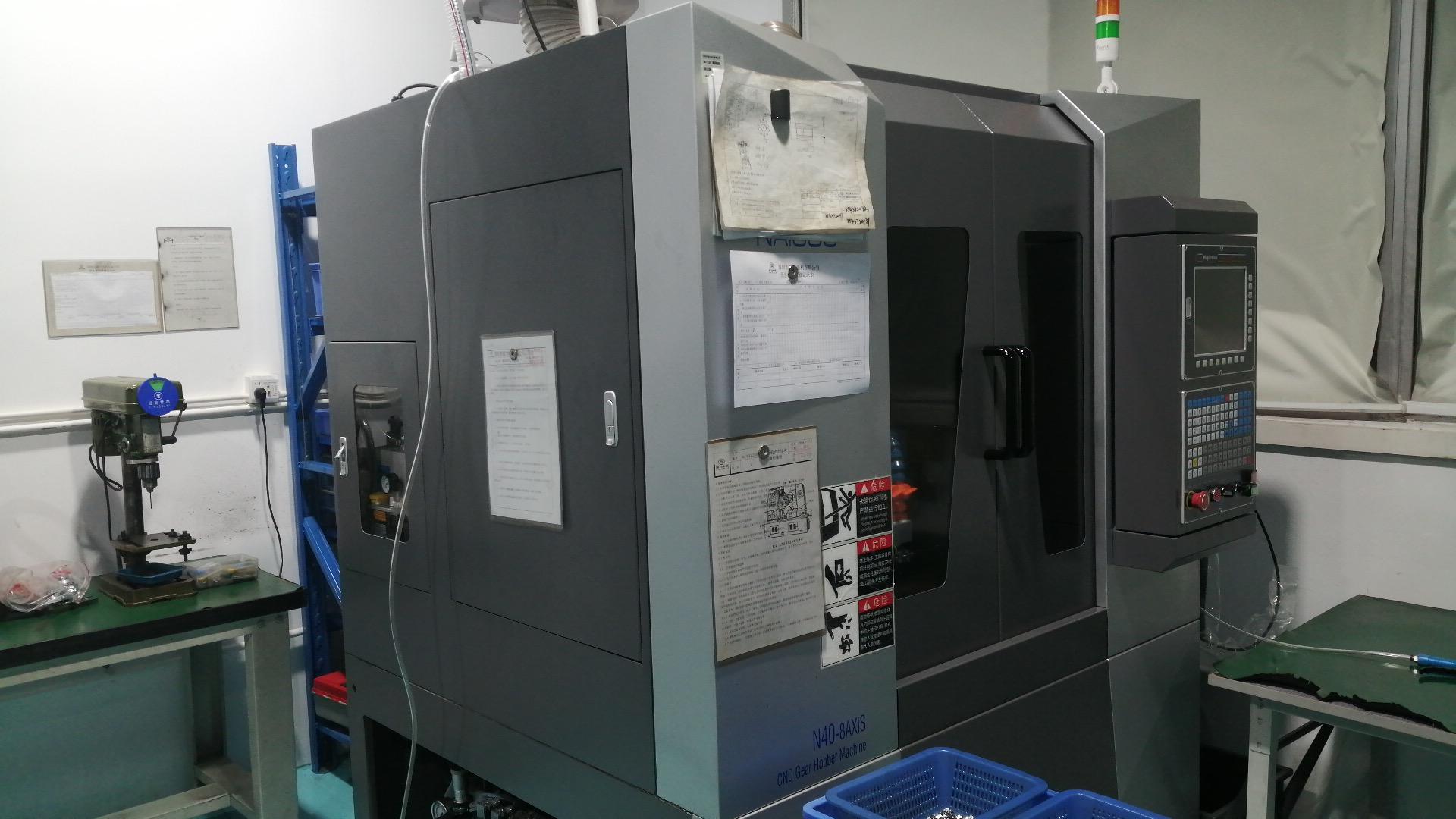
Gear Hobber (Standard)
For fabricating brass, steel, and high-polymer micro pinions and spur gears.
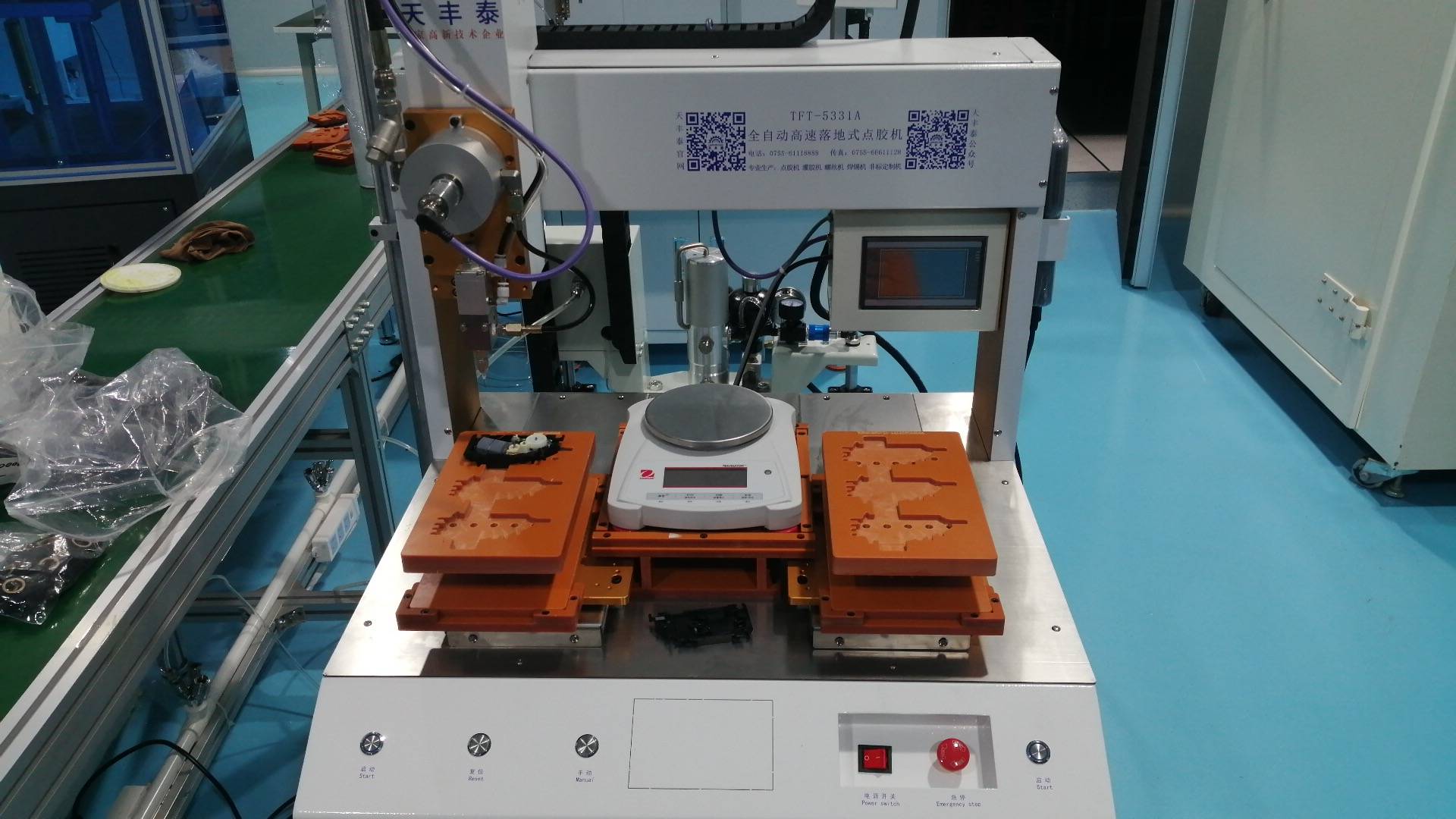
Precision Glue Dispenser
Applies adhesives precisely to secure structural magnets and lock shaft-to-rotor interfaces.
Quality Control Infrastructure & Testing Laboratories
Reliability is essential in micro drives. Every motor design undergoes testing in our QC facility to verify performance parameters:
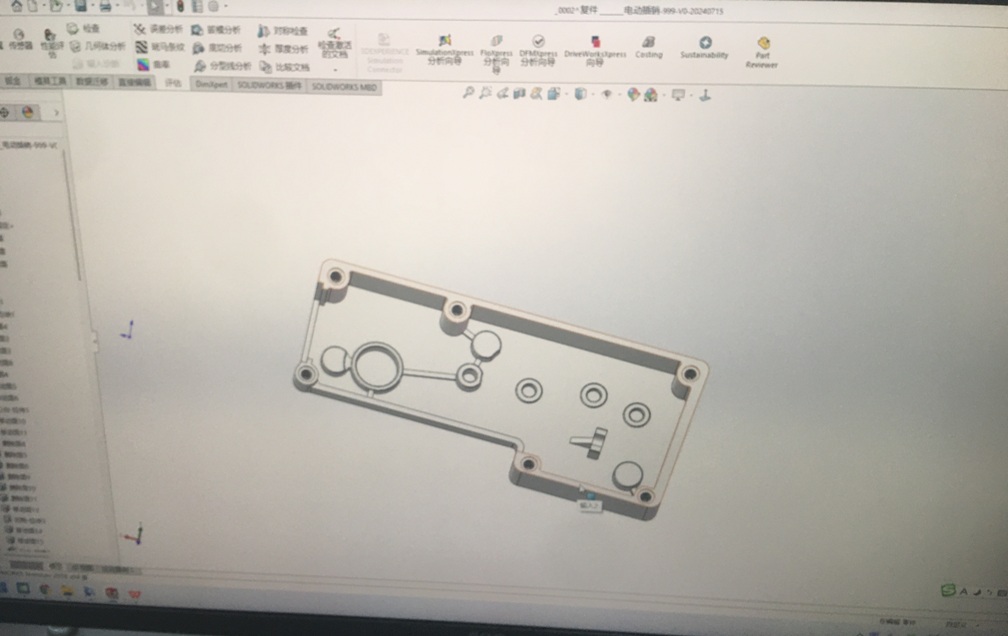
CAD & Magnetic Simulation Design
We use finite element analysis (FEA) to optimize magnetic circuits, ensuring magnetic flux layout before physical prototyping.
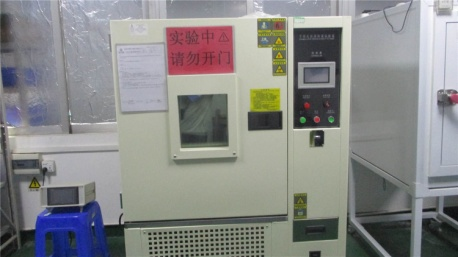
Temp & Humidity Chamber
Exposes motors to temperature extremes (-40°C to 150°C) and variable humidity to verify operation in harsh environments.
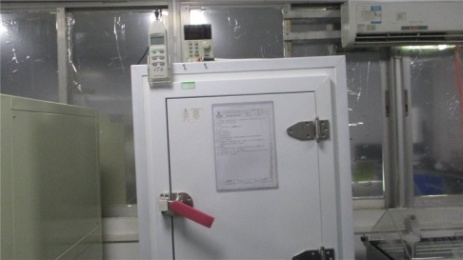
Acoustic Testing Chamber
Measures operational noise levels down to 25dB, keeping gear whine within thresholds for medical and smart home systems.
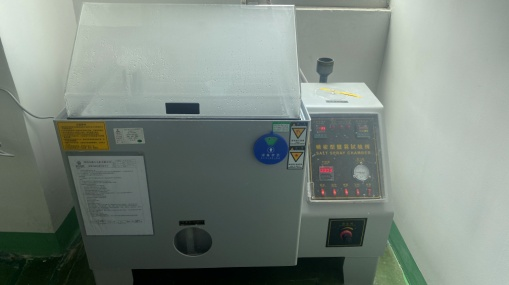
Salt Spray Tester
Evaluates corrosion resistance of metal casings and output shafts, validating design integrity for maritime and automotive applications.
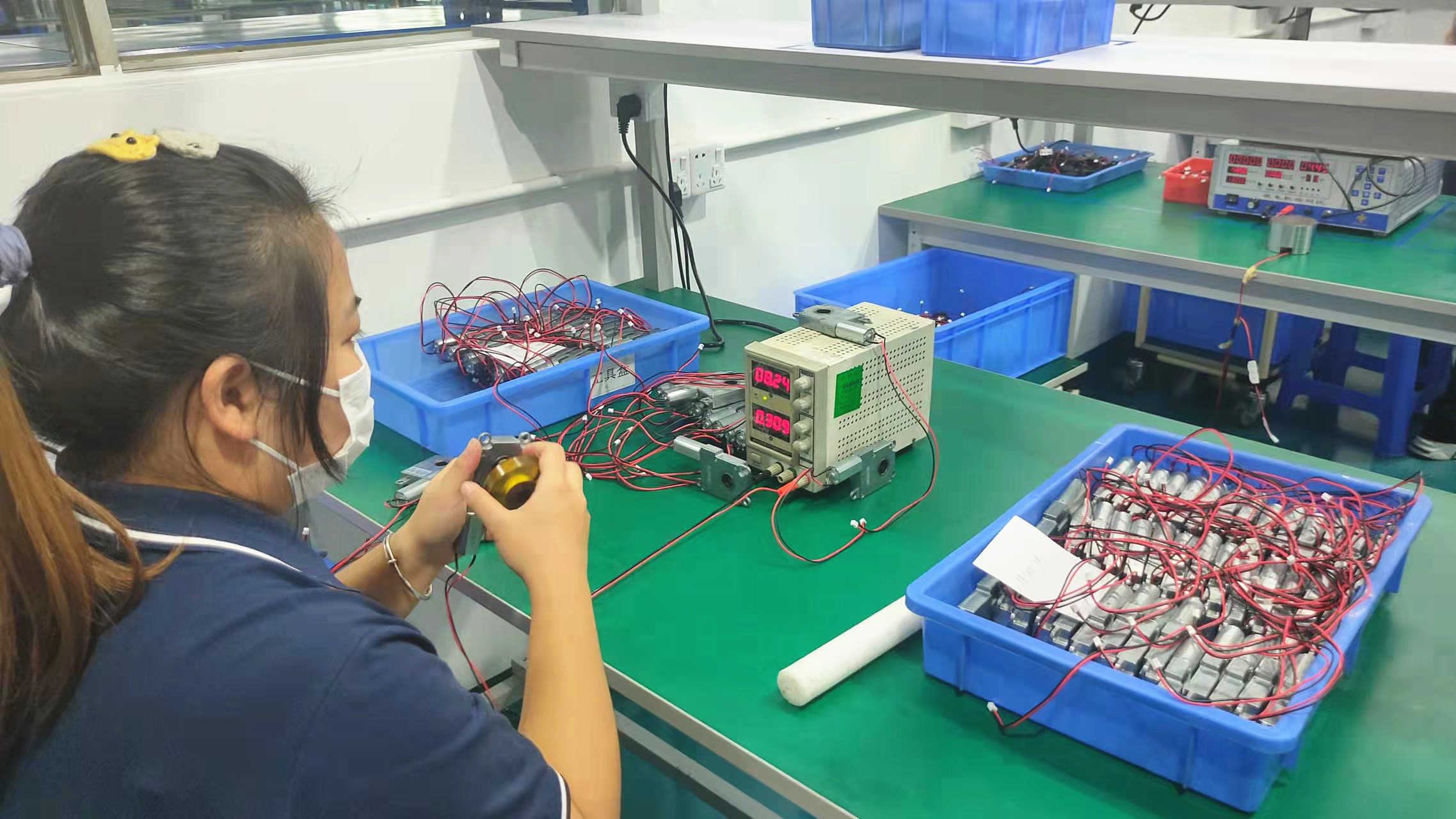
QC Visual & Dimensional Verification
Automated optical measurement systems ensure dimensions match blueprints before final shipment.
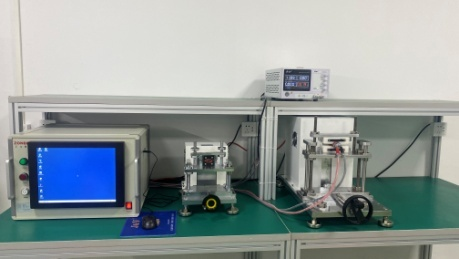
Hysteresis Dynamometer
Plotted torque-speed-efficiency curves identify optimal operational parameters and stall torque limits.
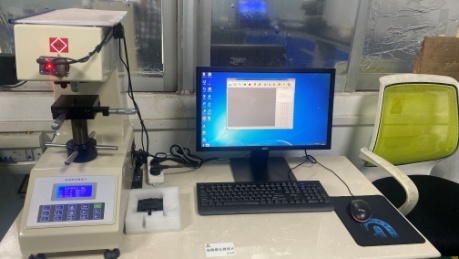
Hardness Tester
Verifies gear surface tempering, confirming the steel meets durability specifications for torque transfer.
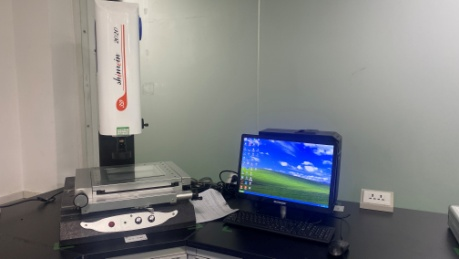
Video Measuring Instrument
Allows non-contact measurement of micro-components to verify dimensional tolerances.
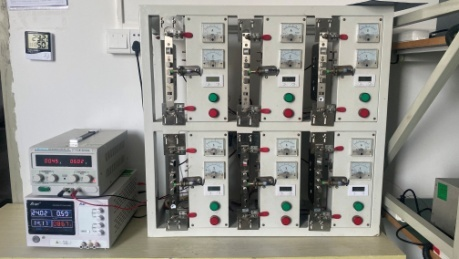
Dynamic Aging Shelf
Motors undergo extended runtime testing under load to confirm durability, bearing wear resistance, and long-term stability.
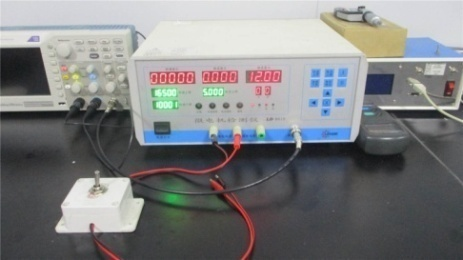
Integrated Motor Test Bench
Tests electric properties (back-EMF, coil resistance, and insulation breakdown) to ensure electrical safety.
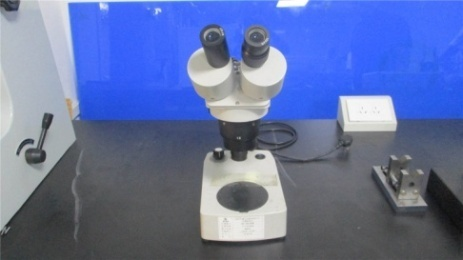
Metallurgical Microscope
Provides magnification of commutator finishes and gear contacts to identify microscopic surface defects.
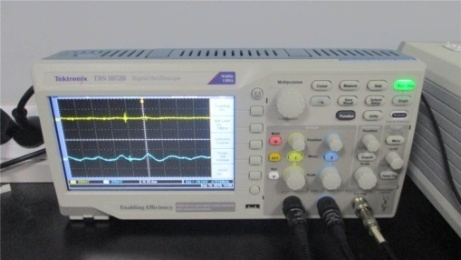
Digital Oscilloscope
Analyzes motor commutation wave structures, electrical noise, and driver control responses.
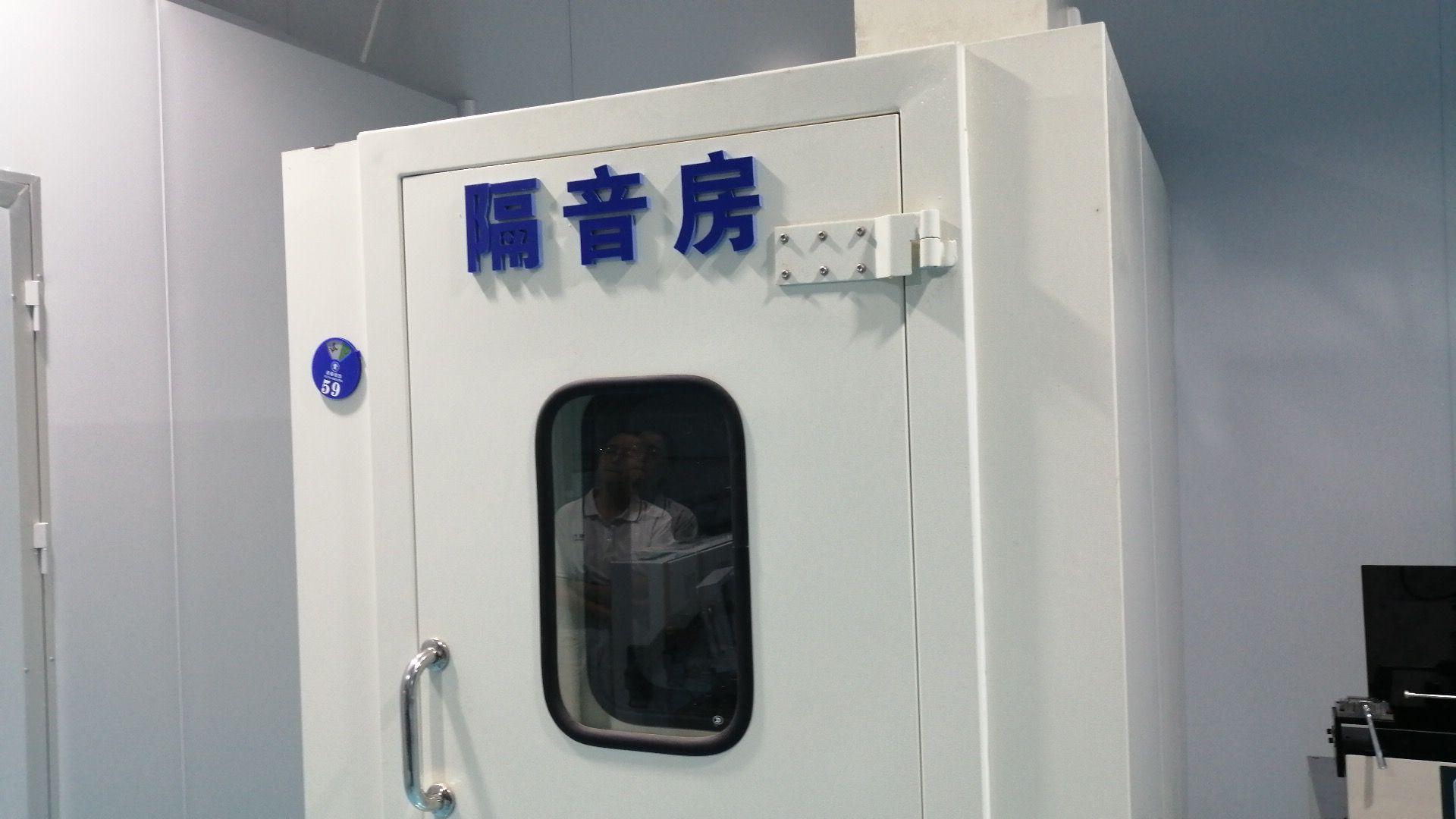
Echo-Free Soundproof Room
Isolated chamber for verifying acoustic signatures under load, minimizing ambient noise interference during testing.
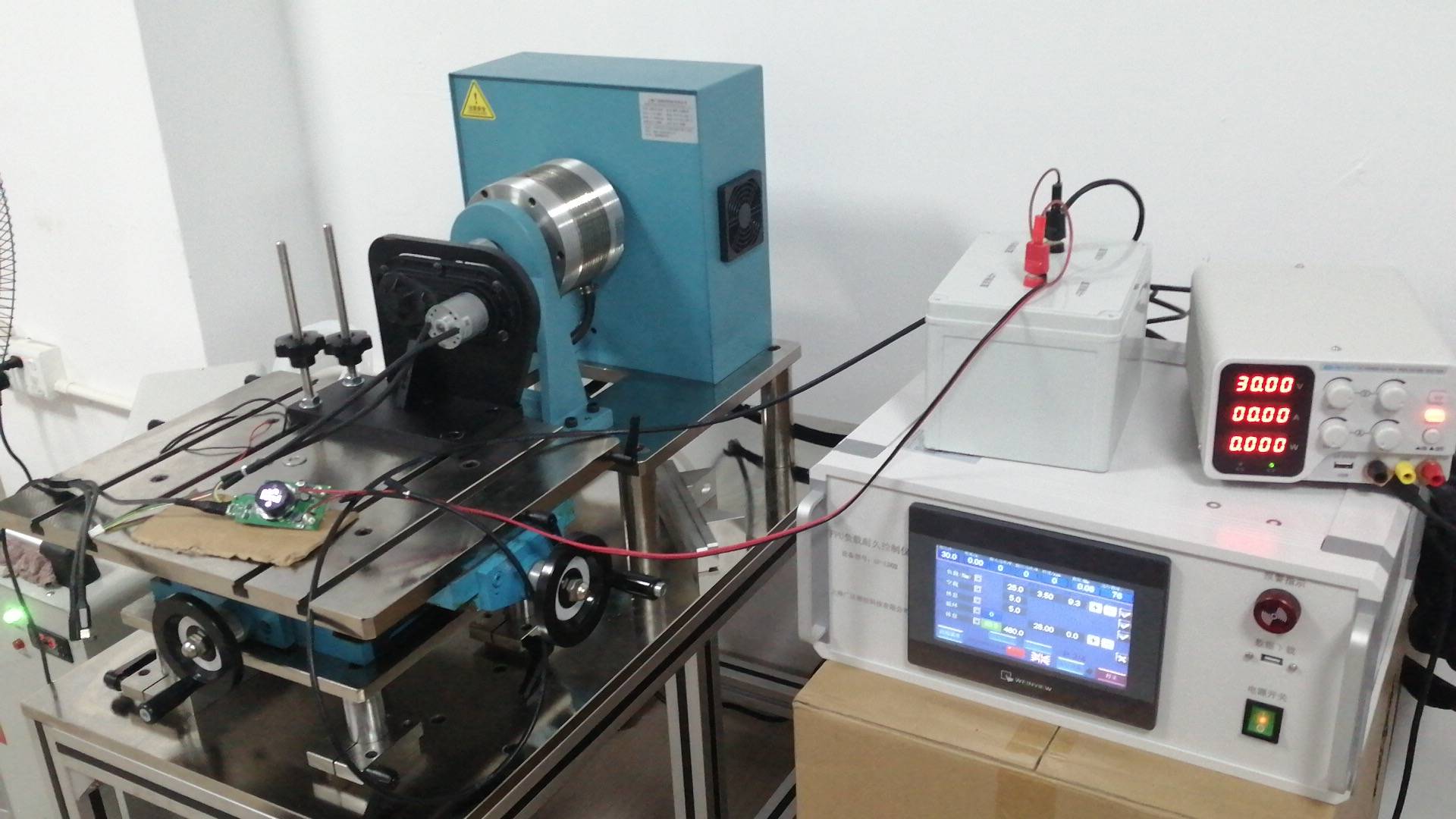
Magnetic Field Analyzer
Measures magnetic field distribution on the rotor to ensure balanced torque and smooth rotation.
Global Technical Integration & Regulatory Compliance
Industrial and consumer electronics manufacturers must meet strict international standards before launching products. Vira Micromotor supports you with technical compliance resources:
Regulatory Compliance
All materials are documented for compliance with CE, RoHS, and REACH. We ensure our components align with target environmental and safety standards, helping prevent delays during border customs clearance.
EMI/EMC Shielding
Brushed DC drives can generate electromagnetic interference (EMI). We offer optional capacitors, varistors, and metal shielding to suppress electrical noise, helping your end device pass FCC and CE EMC audits.
Engineering Support
We provide direct communication channels between your development team and our motor design engineers. We assist with mechanical integration, custom wire harness assembly, and controller matching.
OEM/ODM Torque Motor Procurement: Common Technical Inquiries
Review answers to key design and sourcing questions regarding custom micro drives:
1. What is the main structural difference between a standard micro DC motor and a direct-drive torque motor?
Standard micro DC motors are wound to run at high RPMs, requiring a gearbox to deliver high torque. A direct-drive torque motor is designed with more magnetic poles and specialized winding coils, allowing it to produce high torque at low speeds—or even stall continuously—without needing mechanical gears. This reduces backlash, increases system response, and operates with less noise.
2. How does Vira Micromotor address heat buildup under locked-rotor (stall) conditions?
Stall conditions generate heat within the stator windings. We use high-grade Class H magnet wire (rated up to 180°C), thermal-conductive epoxy encapsulation, and optimized magnetic paths to minimize current draw. This protects the coils from thermal breakdown and degradation during operation.
3. Can you customize the shaft profile, connector pins, and gear ratios?
Yes. Our OEM/ODM service specializes in custom configurations. We can modify shaft profiles (including D-cut, splines, or threaded ends), integrate customized wire harnesses and connectors, and adjust reduction gearboxes to match your torque and speed requirements.
4. What is the typical lead time for custom prototype samples?
Standard modifications (such as shaft length or winding adjustments) generally take 7 to 10 working days. Custom castings or complex gear designs require approximately 15 to 25 days, which includes CAD verification, tool fabrication, sample assembly, and lab testing.
5. How does Vira Micromotor manage acoustic noise levels for medical and home automation applications?
We analyze noise sources in our acoustic chamber. We reduce vibration and operational noise by optimizing gear tooth engagement (using helical gears or polymer materials), balancing the rotor, and selecting precision bearings.
All Specialized Micro & Gear Drives
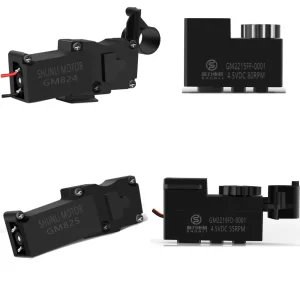
4.5v DC Motor with Gearbox,dc Gear Motor for Door Lock
View Details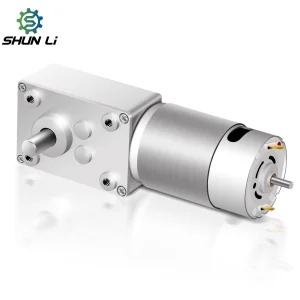
24V Brushed DC Screw Motors Low Power with 555 12V Specifications Permanent Magnet Construction
View Details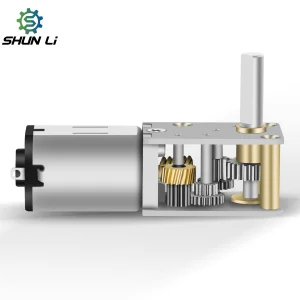
90 Degree Gearbox N20 5v Micro Dc Worm Gear Motor N20 Geared Motor with Worm Gearbox 6v 12v Worm Geared Motor
View Details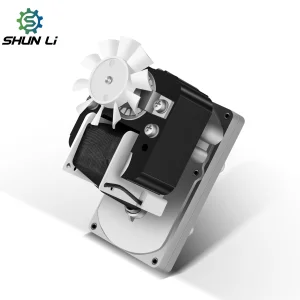
China Factory Low Price Single-phase Shaded Pole Motor Ac Gear Motor Mg-yj61 Asynchronous Motor
View Details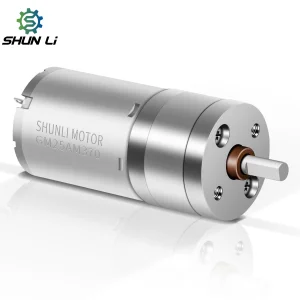
Shunli 12v Dc Gear Motor CE Home Appliance and Vacuum Cleaner 12v 24v 100 Rpm Brush Dc Gear Motor
View Details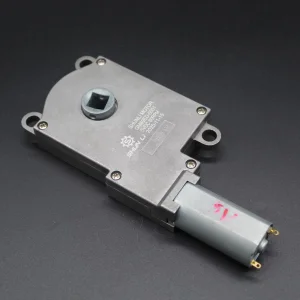
Shunli Dc Gear Motor 3V 6V 12V 1.4-1.6A 90RPM Automatic Lock Body Motor Smart Lock
View Details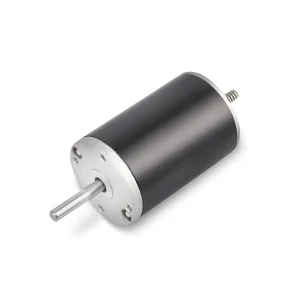
Electric Pmdc 12v Dc Motor 63ZYT High Torque Big Power 3000rpm Micro Motor Shunli Motor Permanent Magnet 48w IE 1
View Details