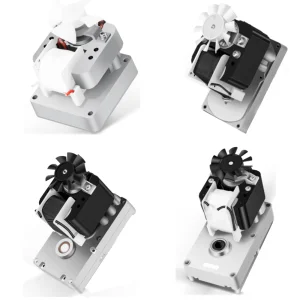
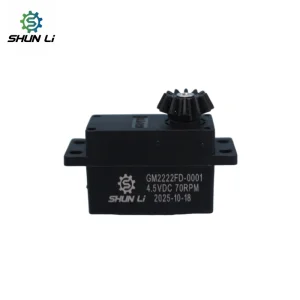
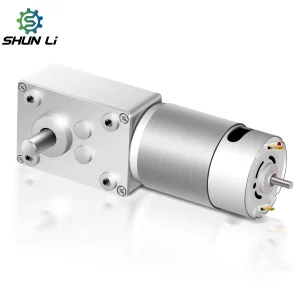
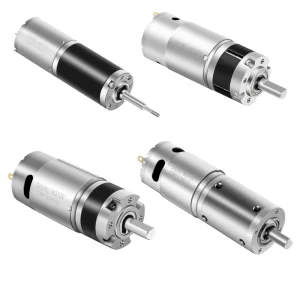
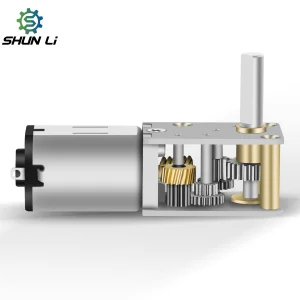
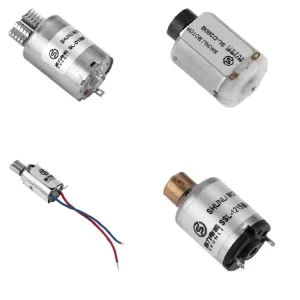
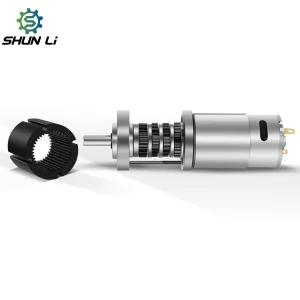
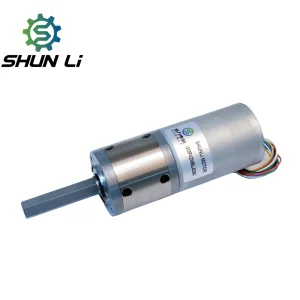
Featured Miniature DC & Gear Motor Models
Engineered for high power-to-size ratios, whispering-quiet acoustics, and high reliability.
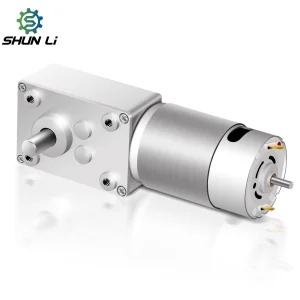
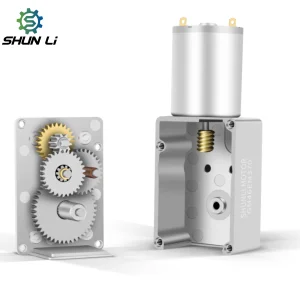
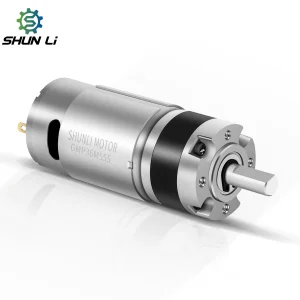
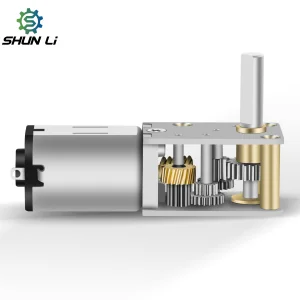
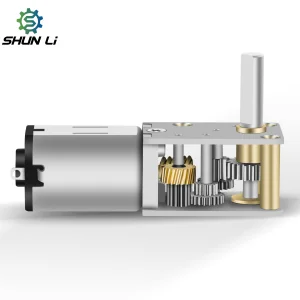
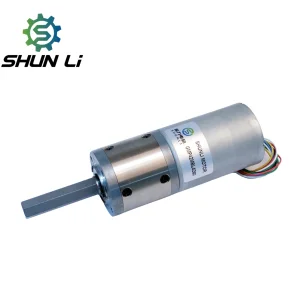
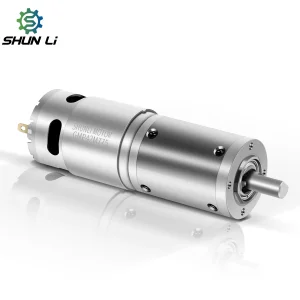
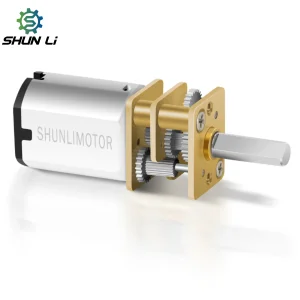
The Industrial Evolution of Regenerative Motor Technologies
As global manufacturing accelerates its transition toward carbon neutrality, the design constraints of miniature motion solutions have shifted dramatically. Once judged solely on output torque and dimensional footprints, today's micro-motors must act as bi-directional energy processors.
A true regenerative motor functions in all four operational quadrants: powering movement, generating holding force, absorbing deceleration loads, and returning the resulting back electromotive force (Back-EMF) to the power grid or localized battery banks. This cycle transforms kinetic energy—traditionally dissipated as wasted heat—into reusable electrical potential, decreasing thermal stresses on terminal devices and scaling overall system efficiency.
At Vira Micromotor, we bridge the gap between China’s supply chain efficiency and global technical standards. Our micro-drives are chosen globally by product designers and procurement managers in smart home automation, automotive electronics, medical hardware, and robotics for their exceptional power-to-size ratio, whispering-quiet acoustics, and ultra-long lifespans.
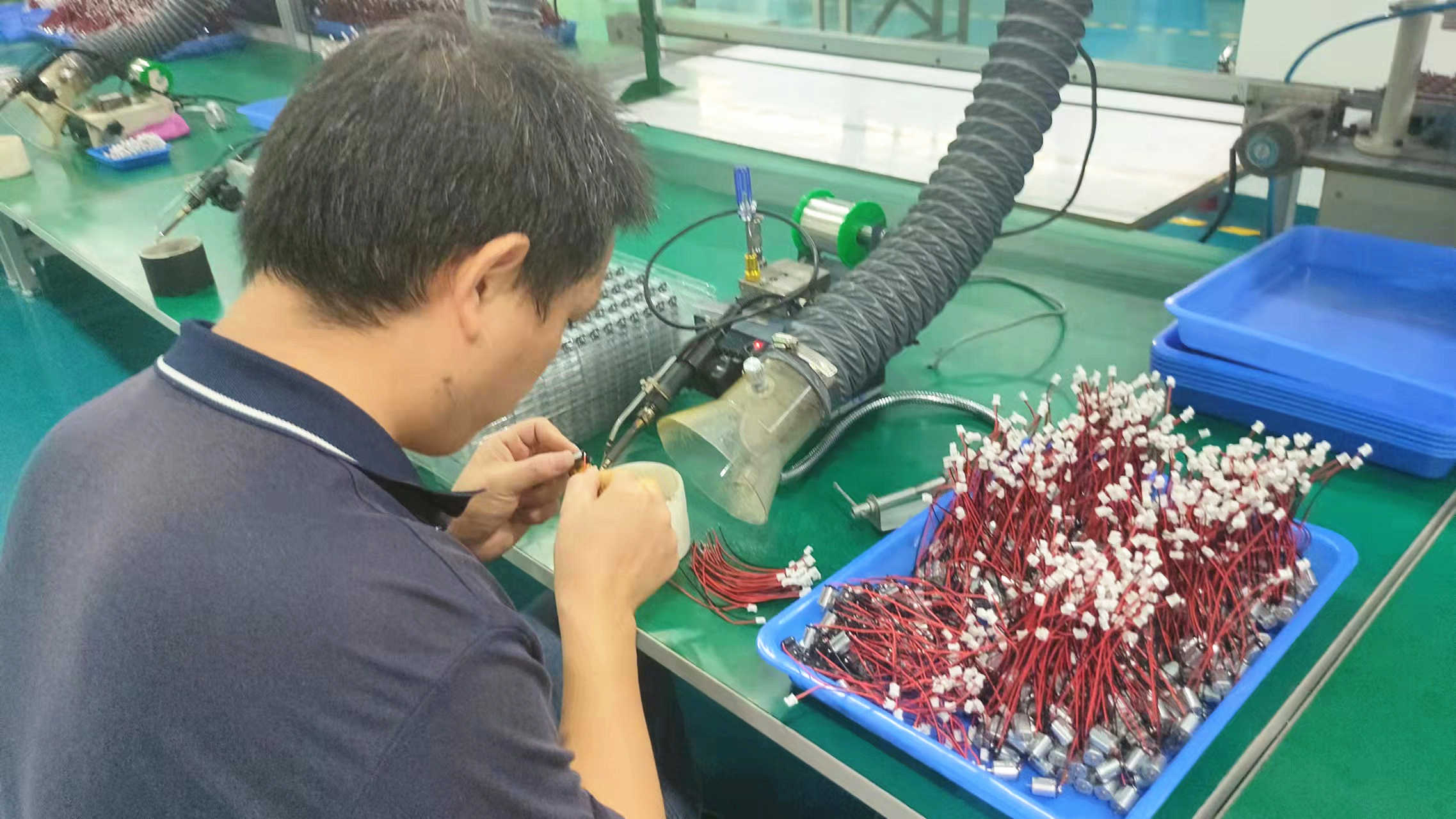
Four-Quadrant Regeneration & Energy Capture
A technological analysis of miniature drive systems operating in generator configuration mode.
01 Kinetic Energy Re-routing
By leveraging synchronous rectification schemes inside integrated control boards (such as the 6-wire sensored brushless systems), deceleration kinetic energy is converted into structured electrical feedback. Instead of heating up braking resistors, energy is pumped back to the supply bus.
02 Optimized Back-EMF Profile
Through custom-engineered permanent magnet rotor topologies (NdFeB alloys) and precise copper winding densities, the back-electromotive force profile is matched to common charging voltages (12V, 24V, and 48V DC buses), ensuring smooth current integration.
03 Extended Thermal Envelope
Because the kinetic deceleration load is captured and routed out of the armature as electricity, internal motor operating temperatures are reduced by up to 15°C, directly tripling the life of the bearing assembly and winding insulation.
| Motor Drive Topology | Typical Back-EMF Efficiency | Regenerative Feasibility | Key Application Zones | Thermal Dissipation Profile |
|---|---|---|---|---|
| Brushless DC (BLDC) | 88% - 94% | Excellent (Via active driver bridge) | AGV traction, Robotics, Fans, Power tools | Low (heat evacuated via stator frame) |
| Coreless PMDC Motors | 82% - 89% | High (Requires low-inertia recovery circuits) | Medical insulin pumps, Precise servo systems | Medium (High copper surface area ratio) |
| Iron-Core Brushed DC | 65% - 78% | Moderate (Friction losses on brush contact) | Smart door locks, Toys, Vending mechanisms | High (Friction + Winding resistance losses) |
| Miniature Planetary Geared | Variable (Gear efficiency dependent) | Medium (Requires back-drivable gearing) | Automated valves, Industrial actuators | Determined by gear friction ratio |
Global Procurement Requirements & OEM Alignment
Addressing the stringent engineering thresholds demanded by European, American, and Asian industrial markets.
Custom Shaft & Gearbox Optimization
Procurement teams sourcing from China face complex integration issues, particularly with drive connections, torque thresholds, and radial loading limitations. Vira Micromotor addresses this through specialized shaft modifications, D-cut geometries, keyway insertions, and high-strength planetary and worm gearbox designs.
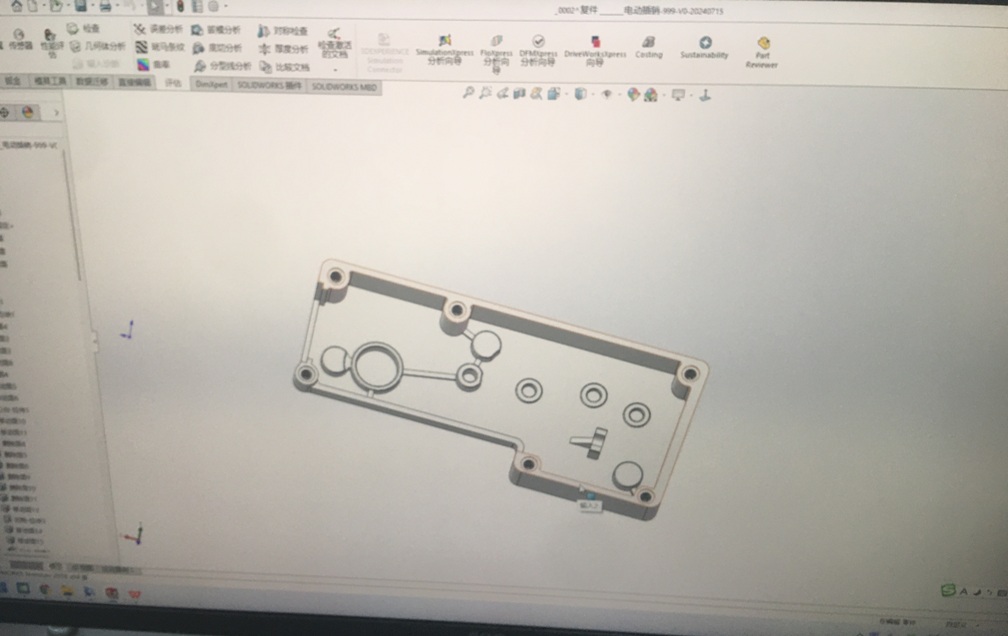
We don’t just stamp out standard components—Vira Micromotor thrives on flexible OEM/ODM custom-engineered solutions. Powered by an elite in-house R&D team holding multiple drive-tech patents, we provide rapid prototyping and seamless technical collaboration. From specific voltage tuning and specialized gear ratios to custom shaft modifications, we engineer the precise Vira Micromotor around which your next innovation will revolve.
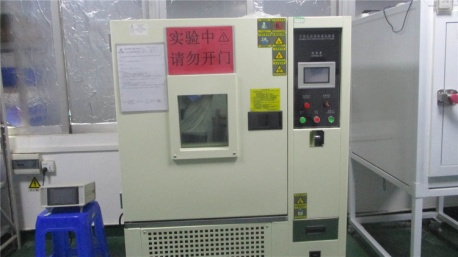
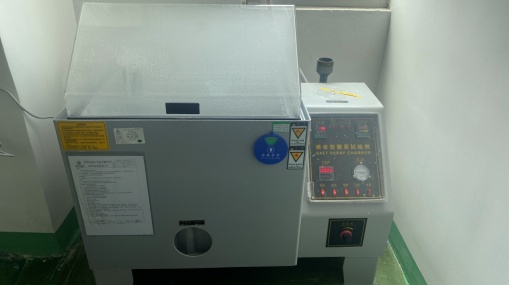
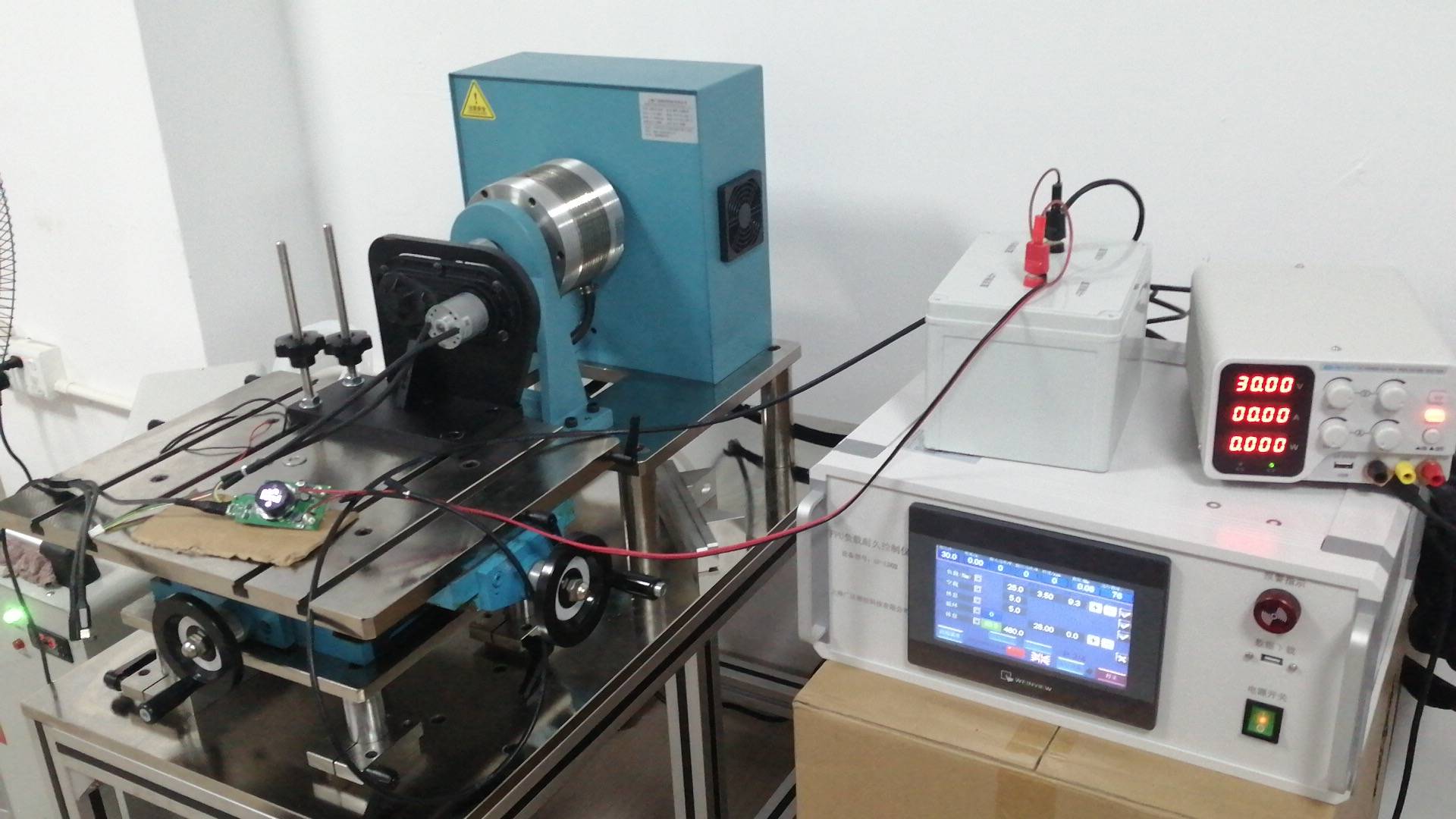
Systemic Reliability Testing
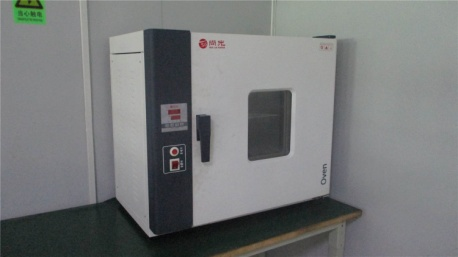
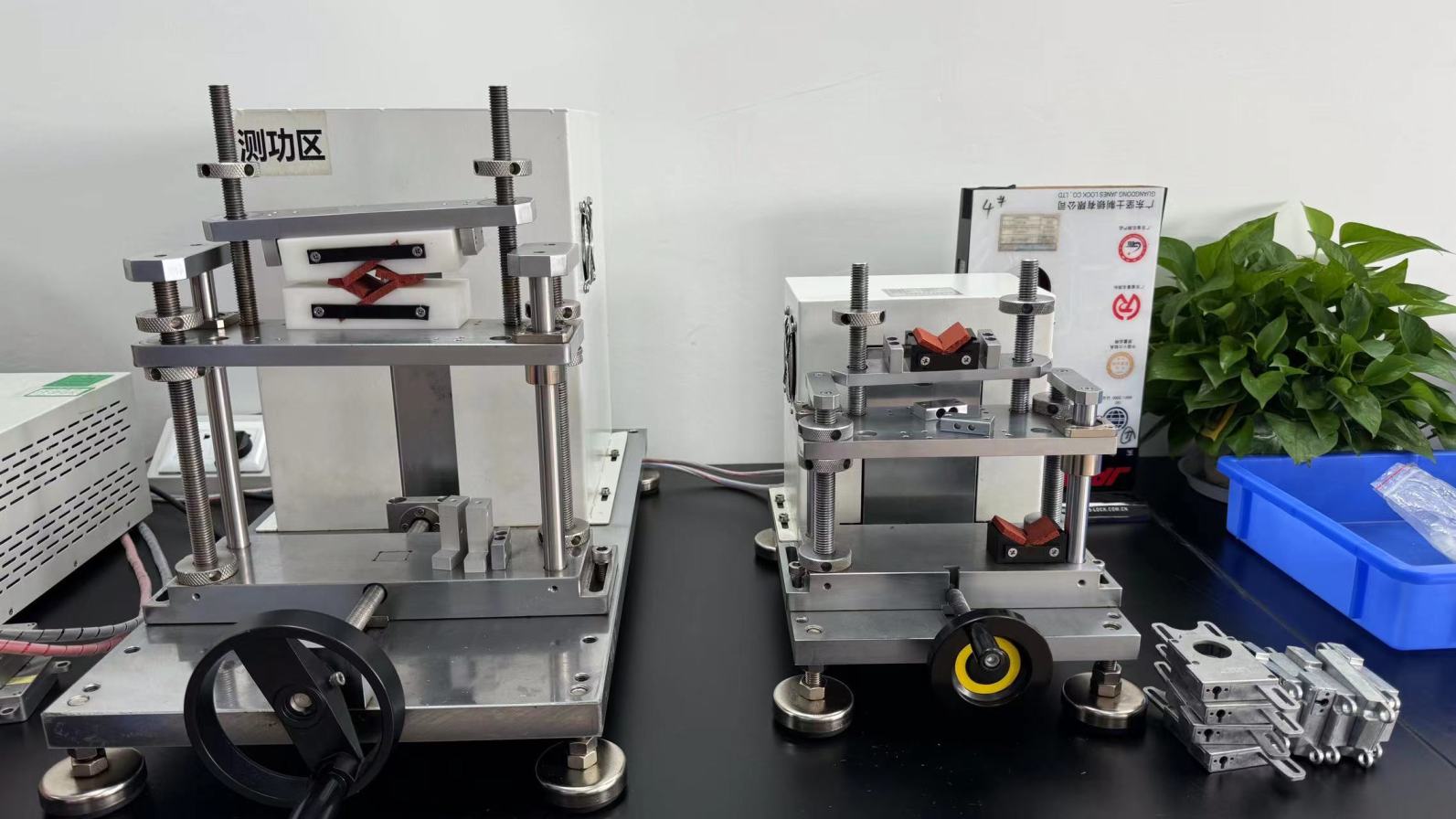
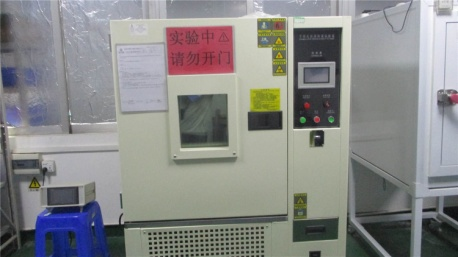
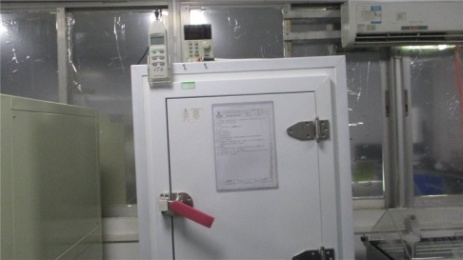
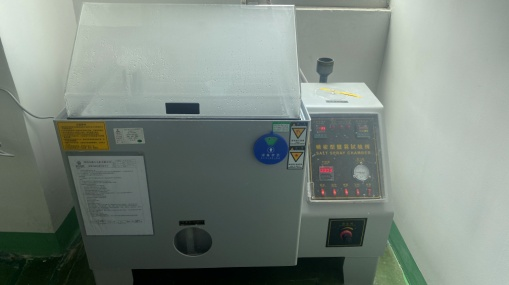
To operate reliably in field conditions like smart agriculture, automotive subassemblies, and heavy-duty robotic systems, motors must survive temperature variations, moisture, and high vibration. Our state-of-the-art testing facility evaluates every design before production begins.
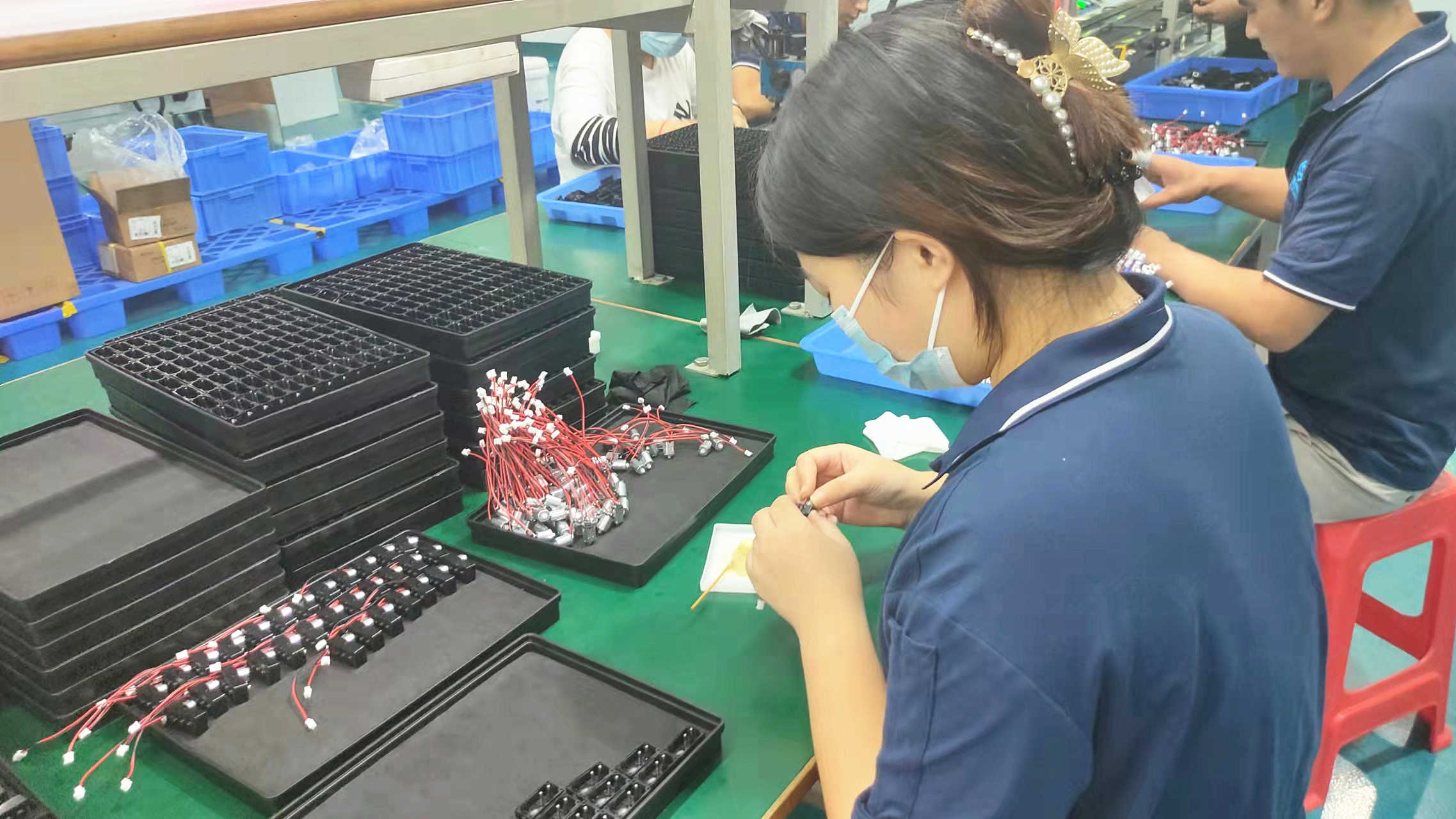
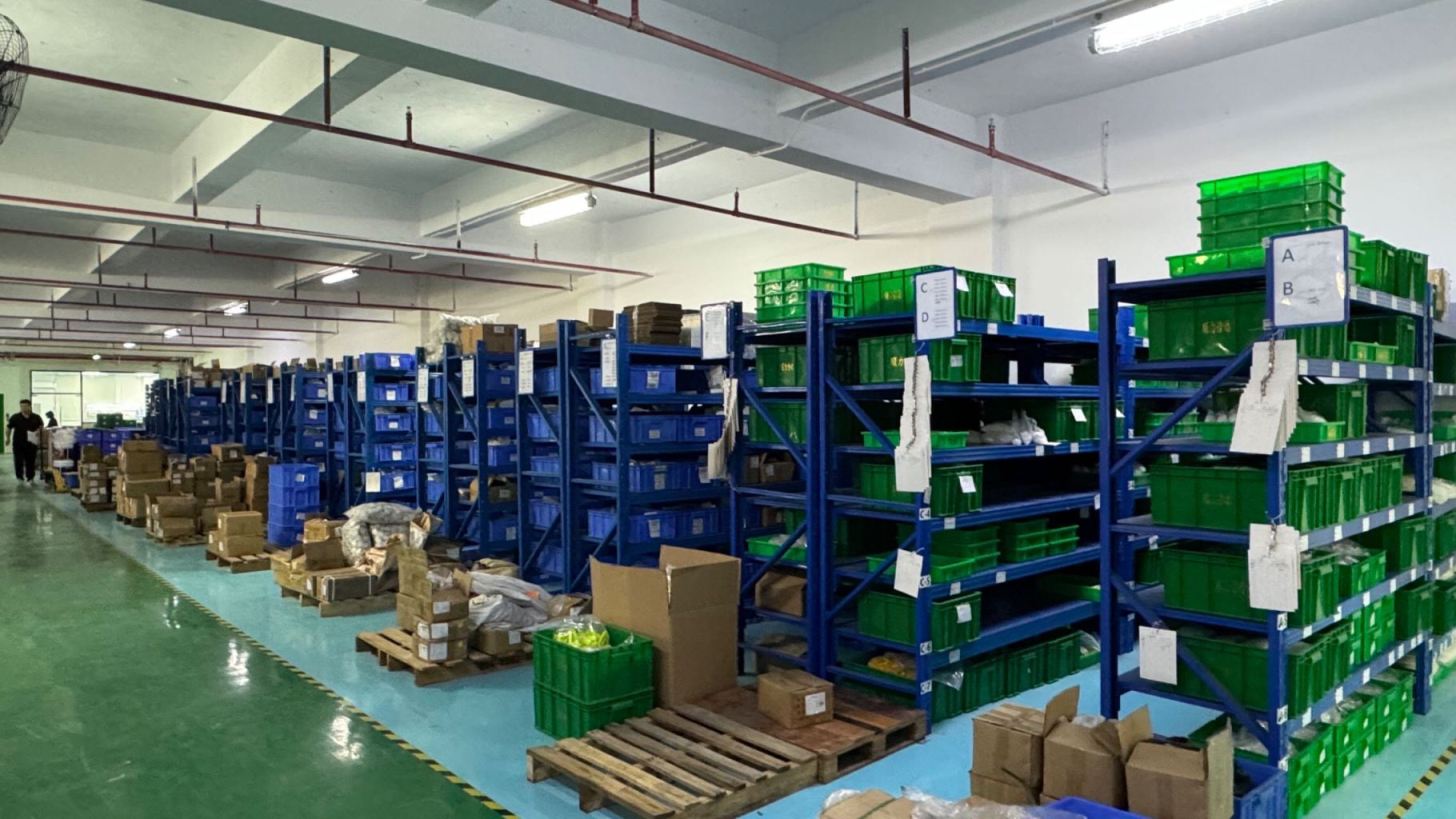
Our Multi-Tier Manufacturing Process Flow
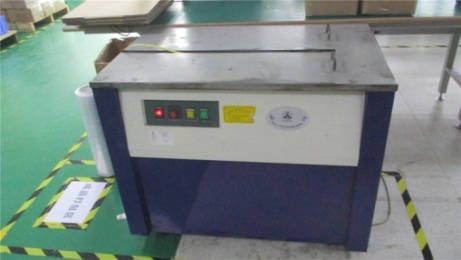
Every step, from raw winding to packing, is monitored by our internal quality control protocols.
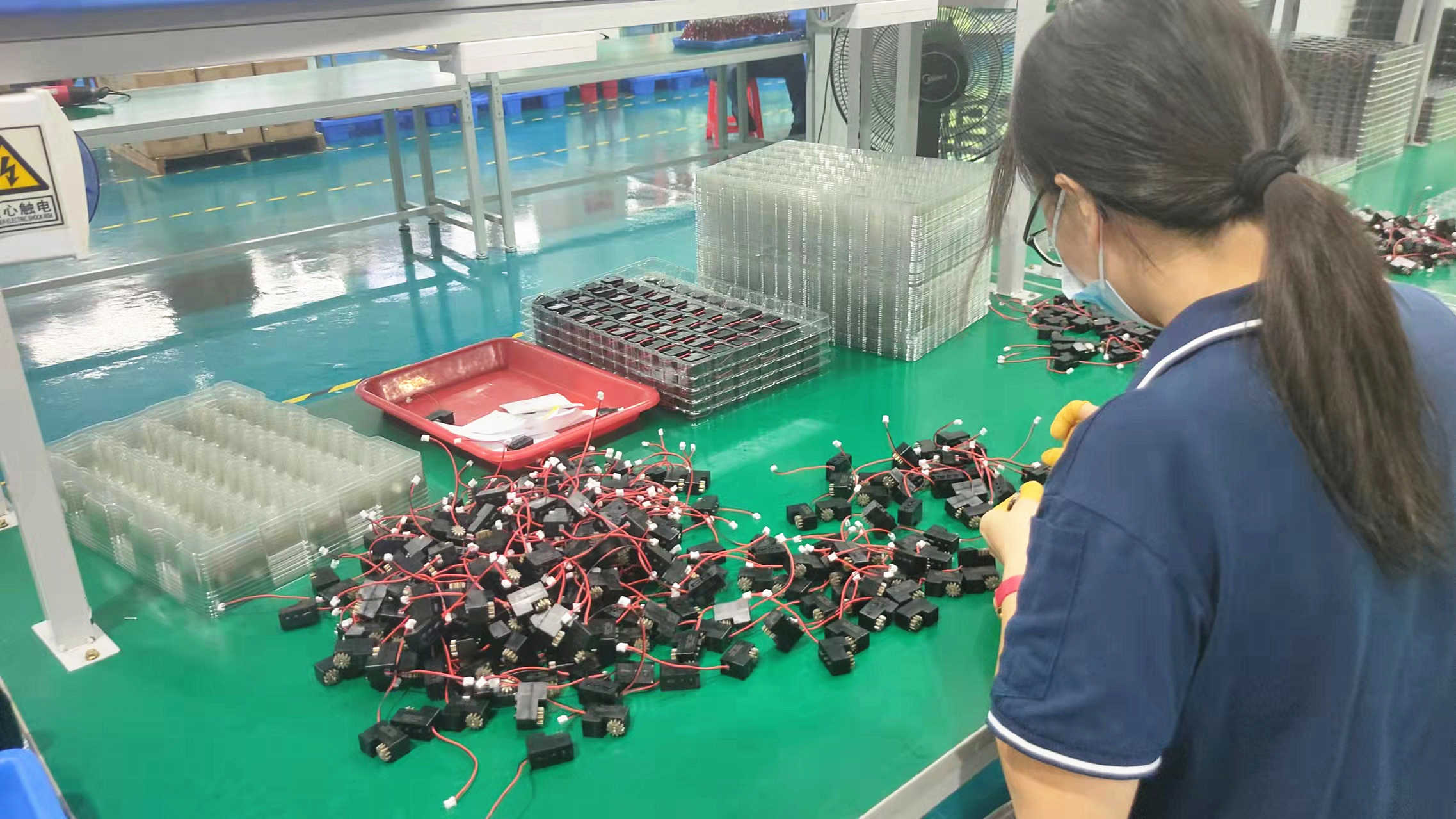
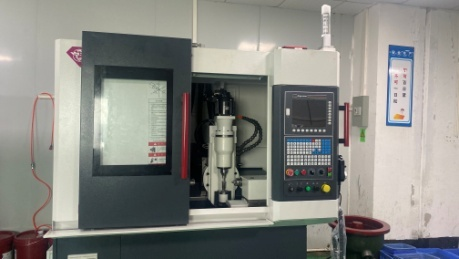
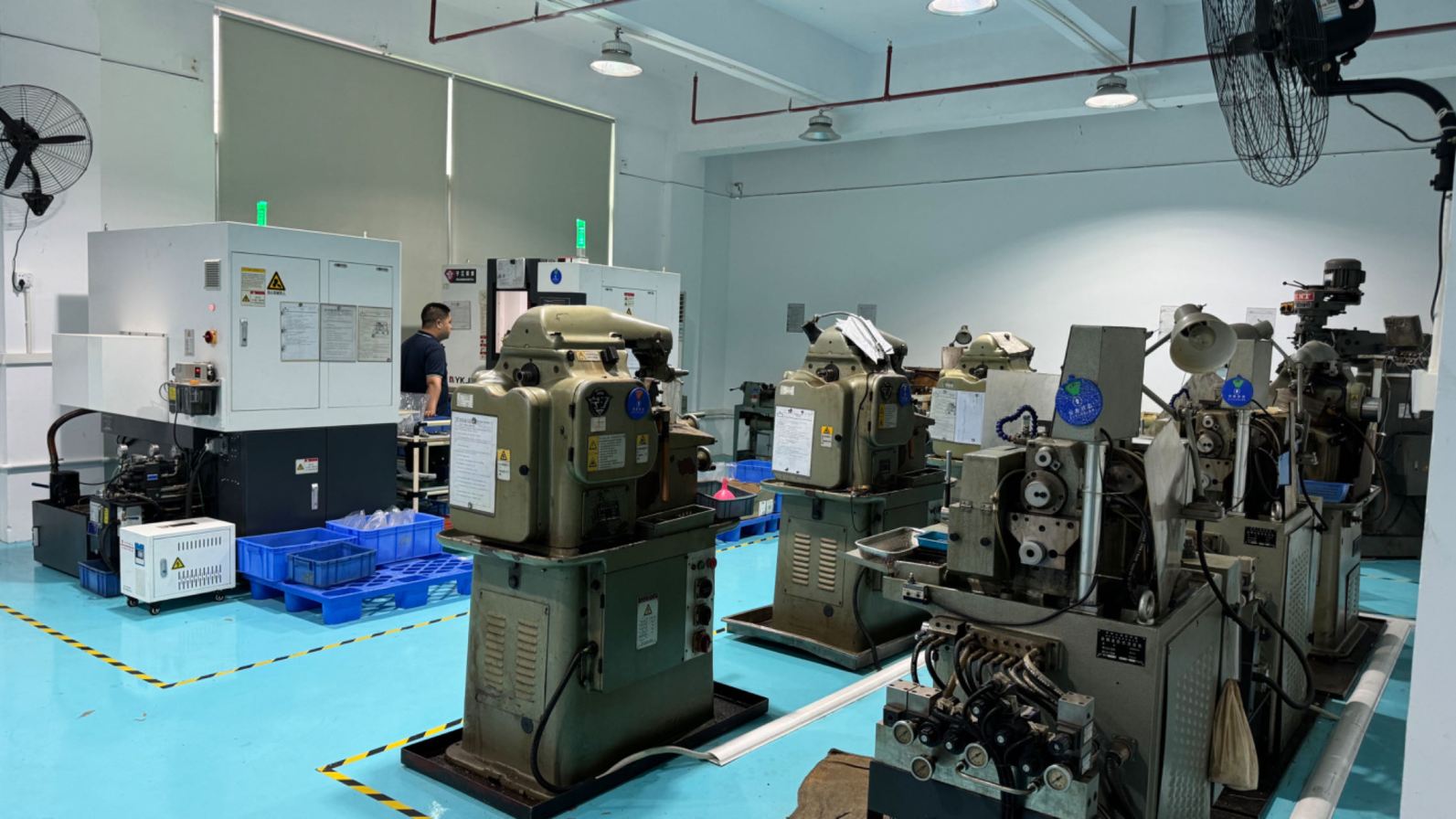
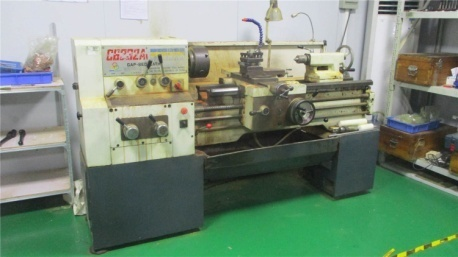
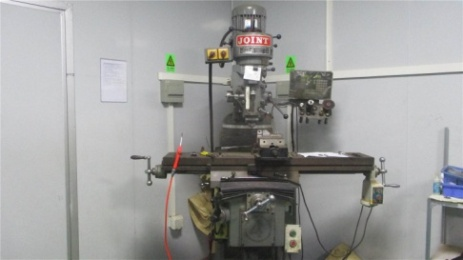
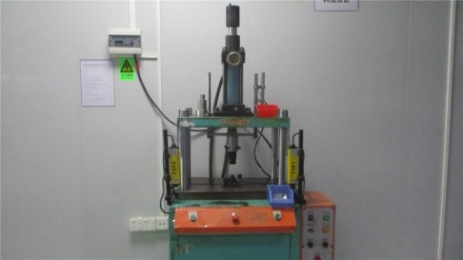
Advanced Production Machinery & Machining Capability
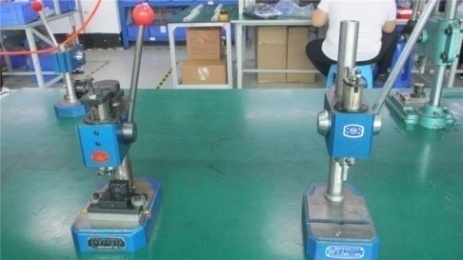
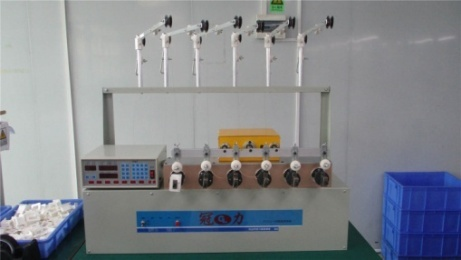
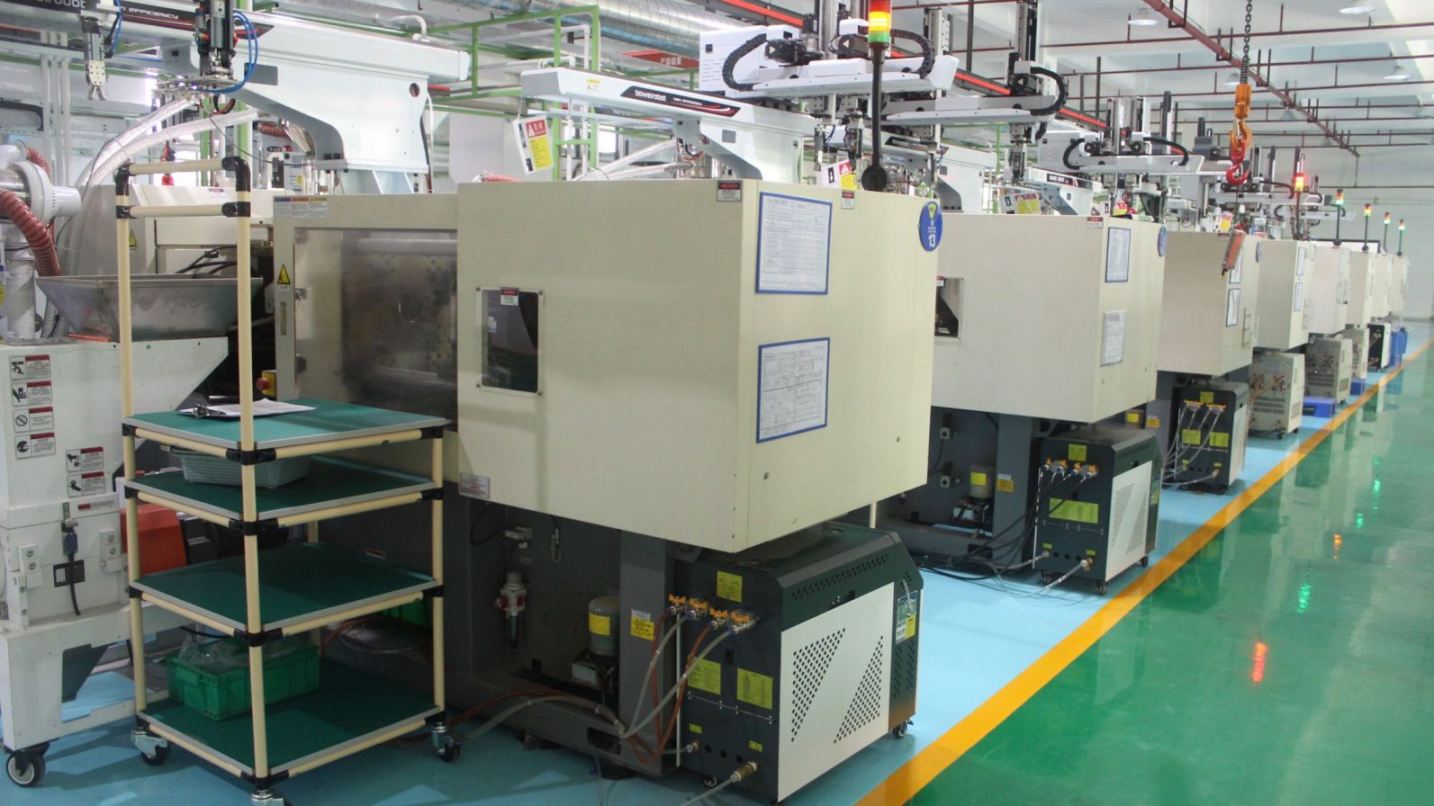
A look at the state-of-the-art lathing, hobbing, and winding machines that produce our micro-motor components.
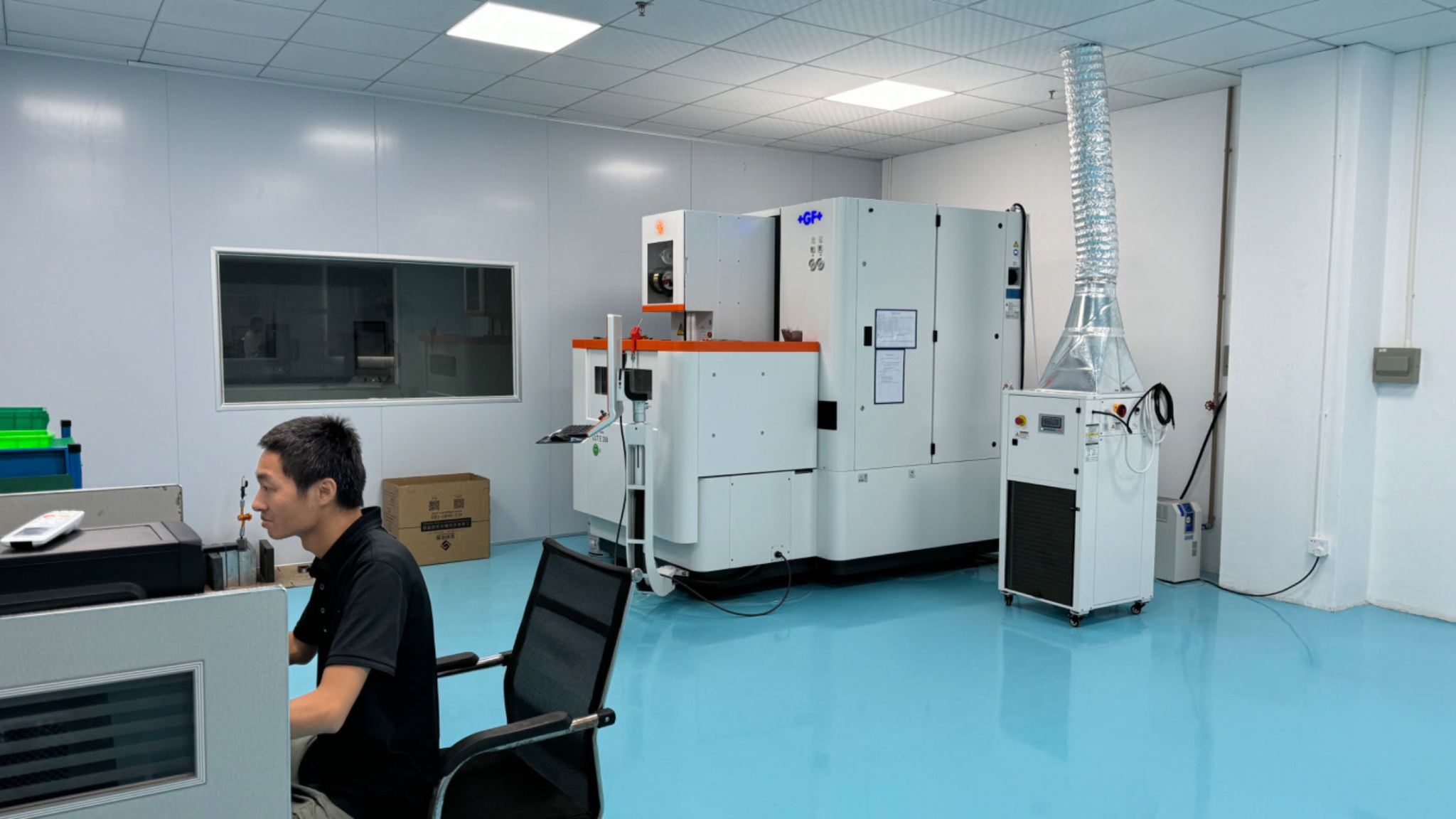
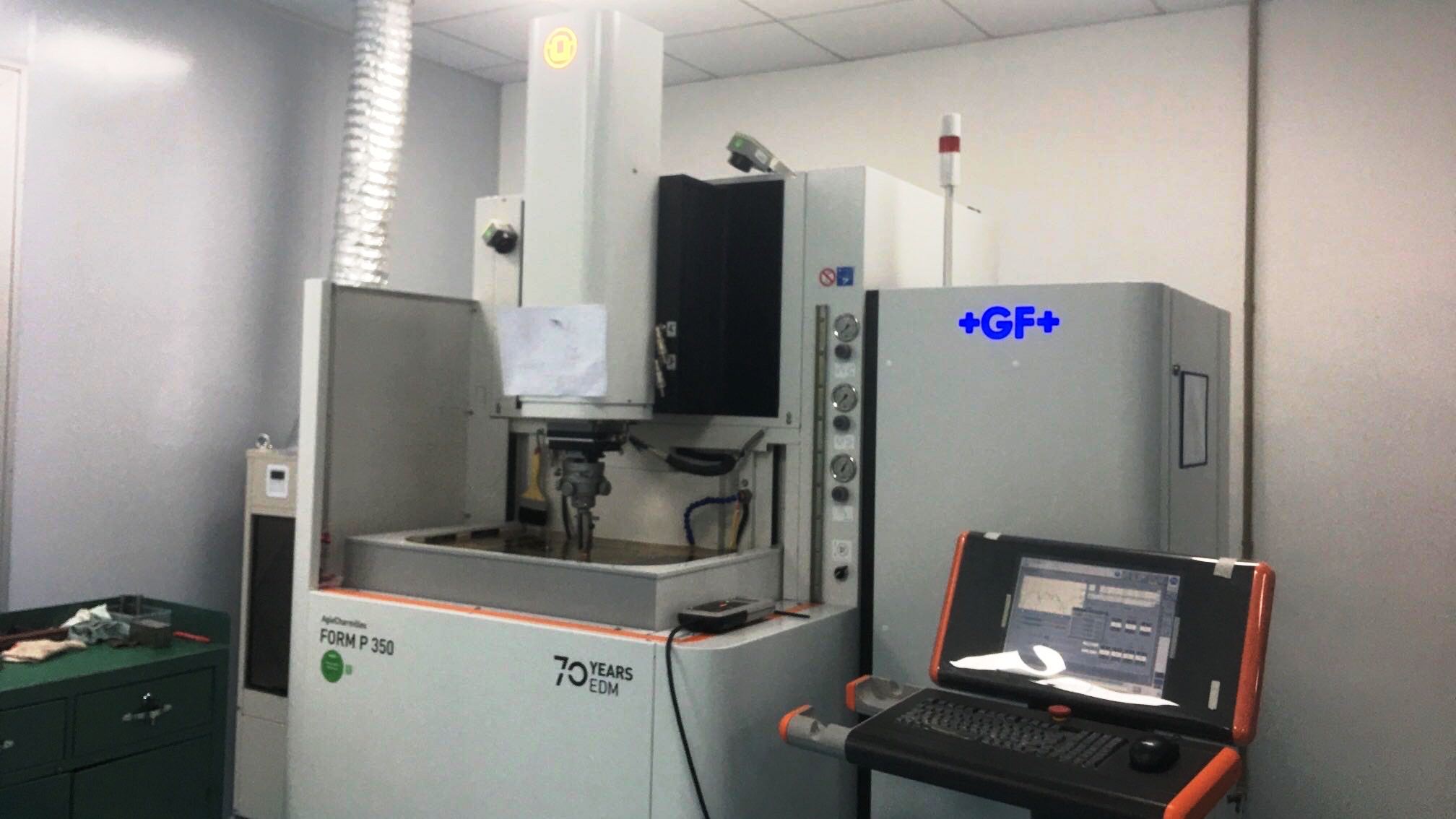
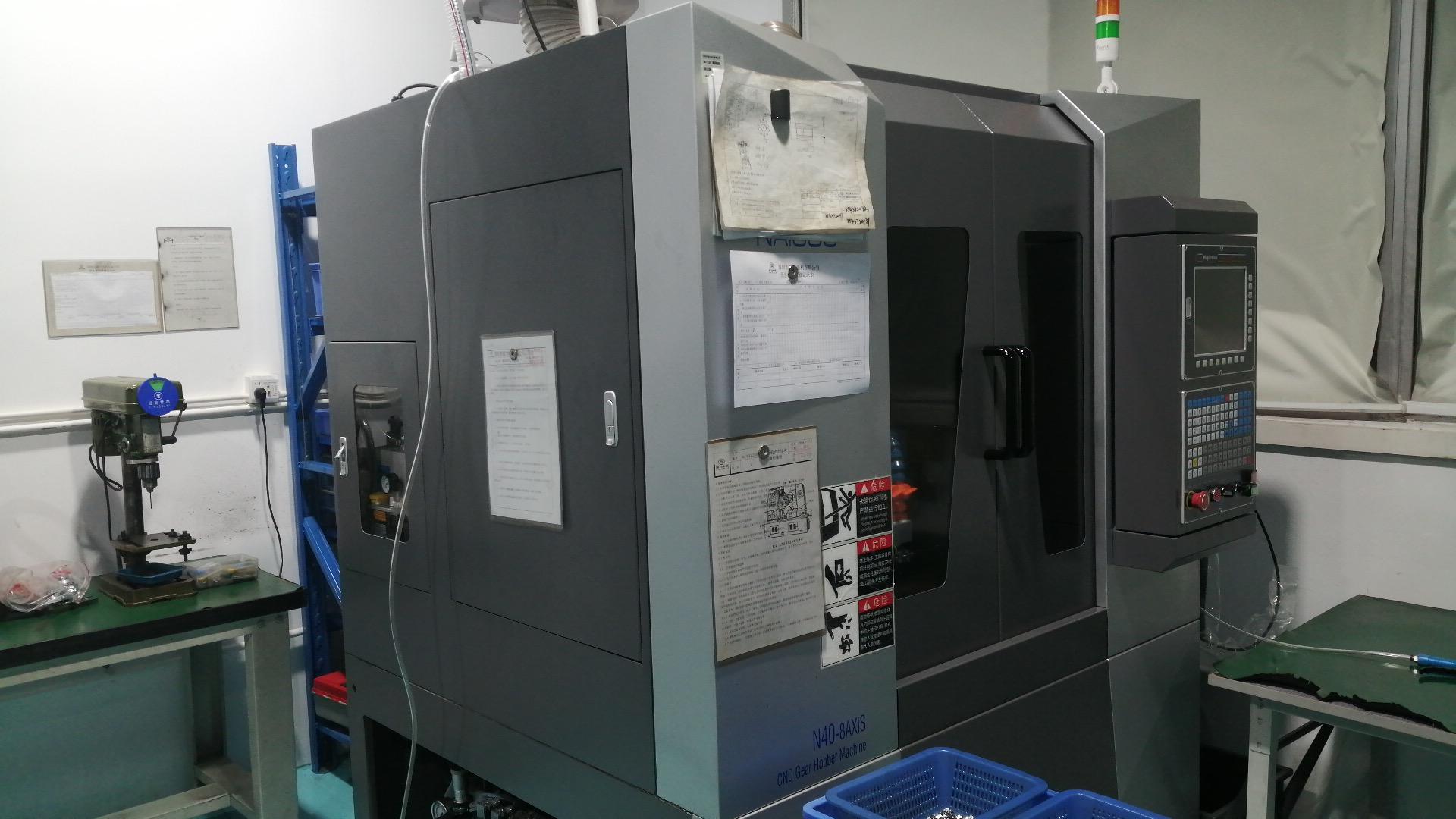
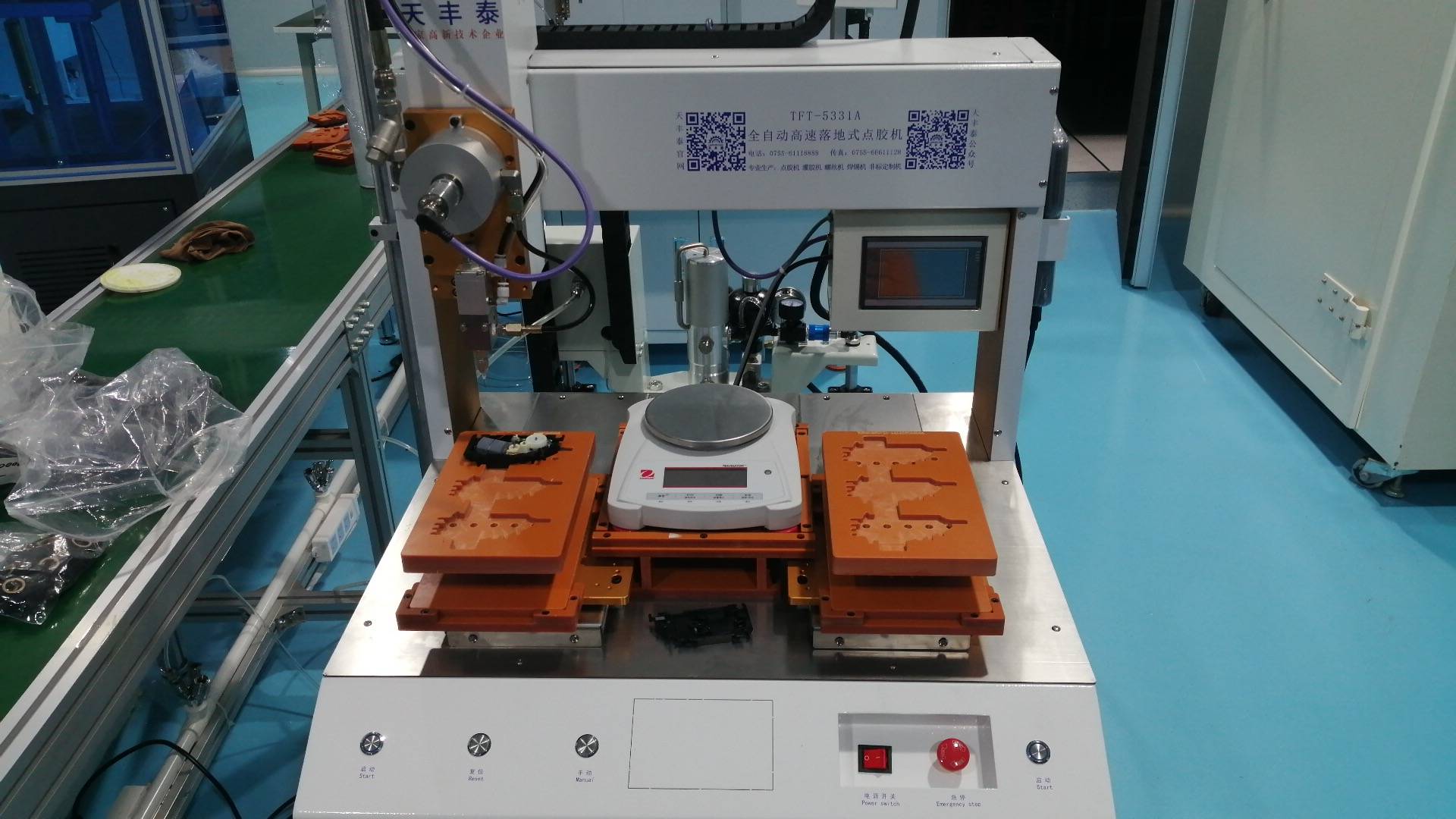
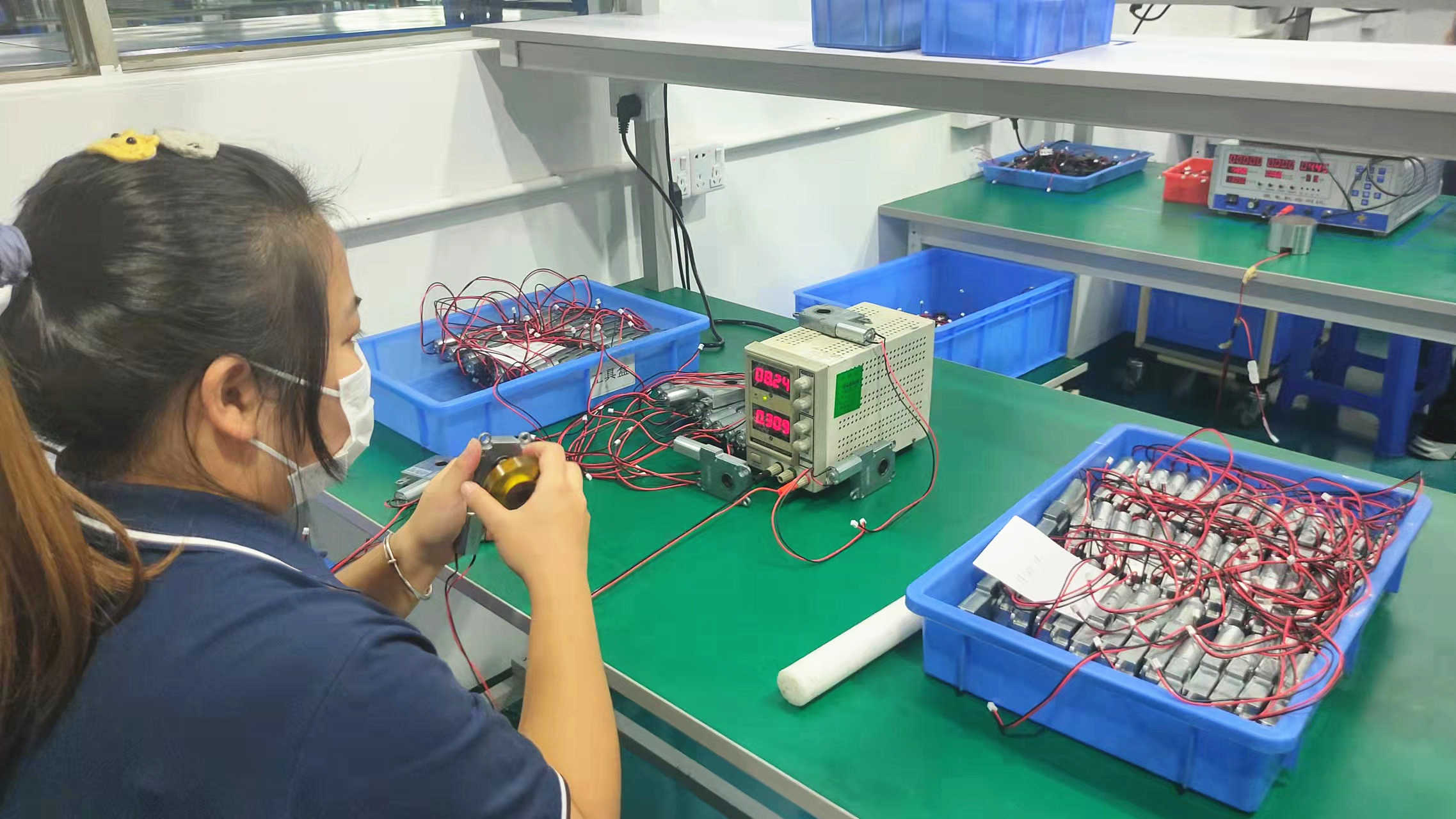
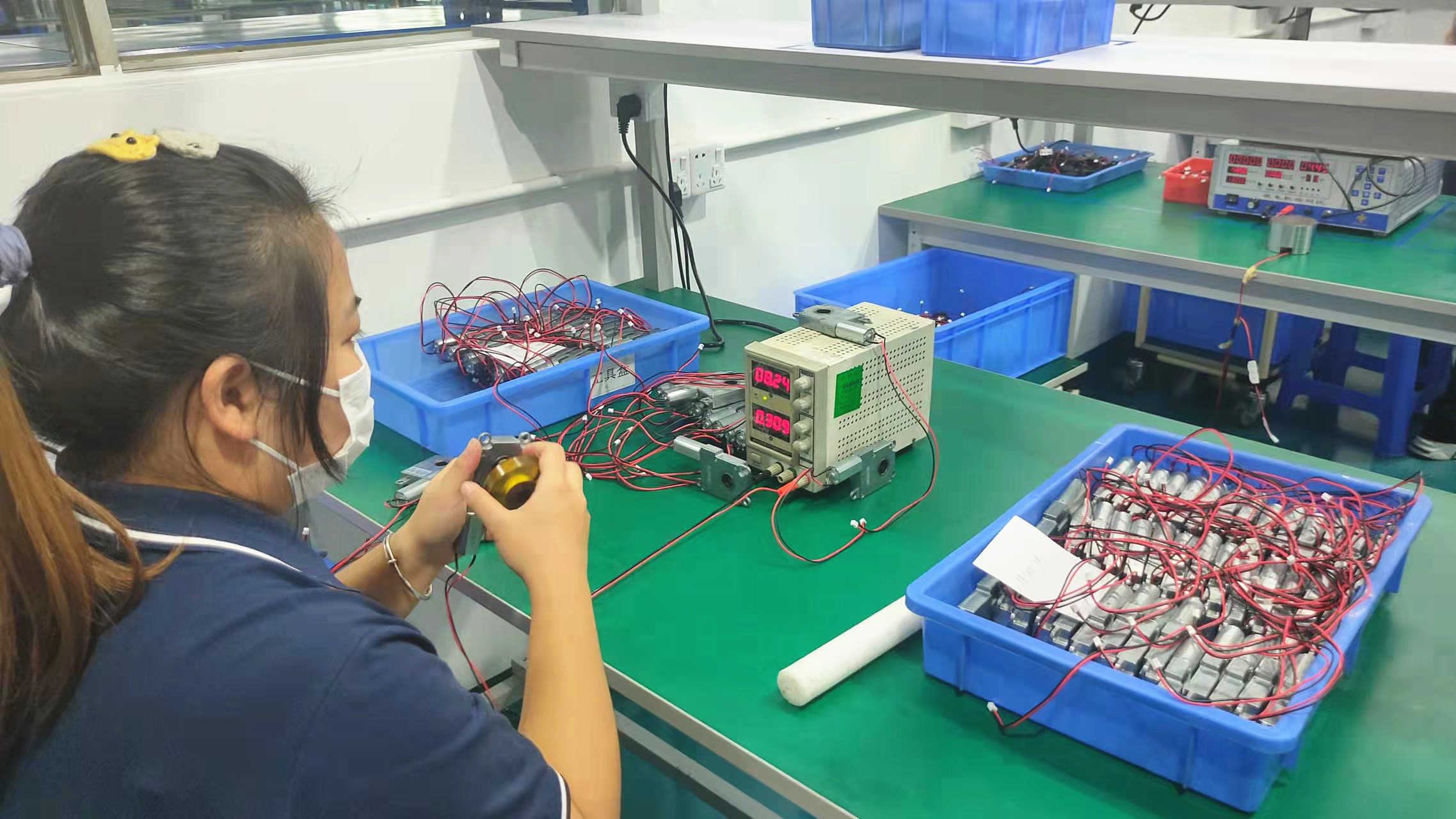
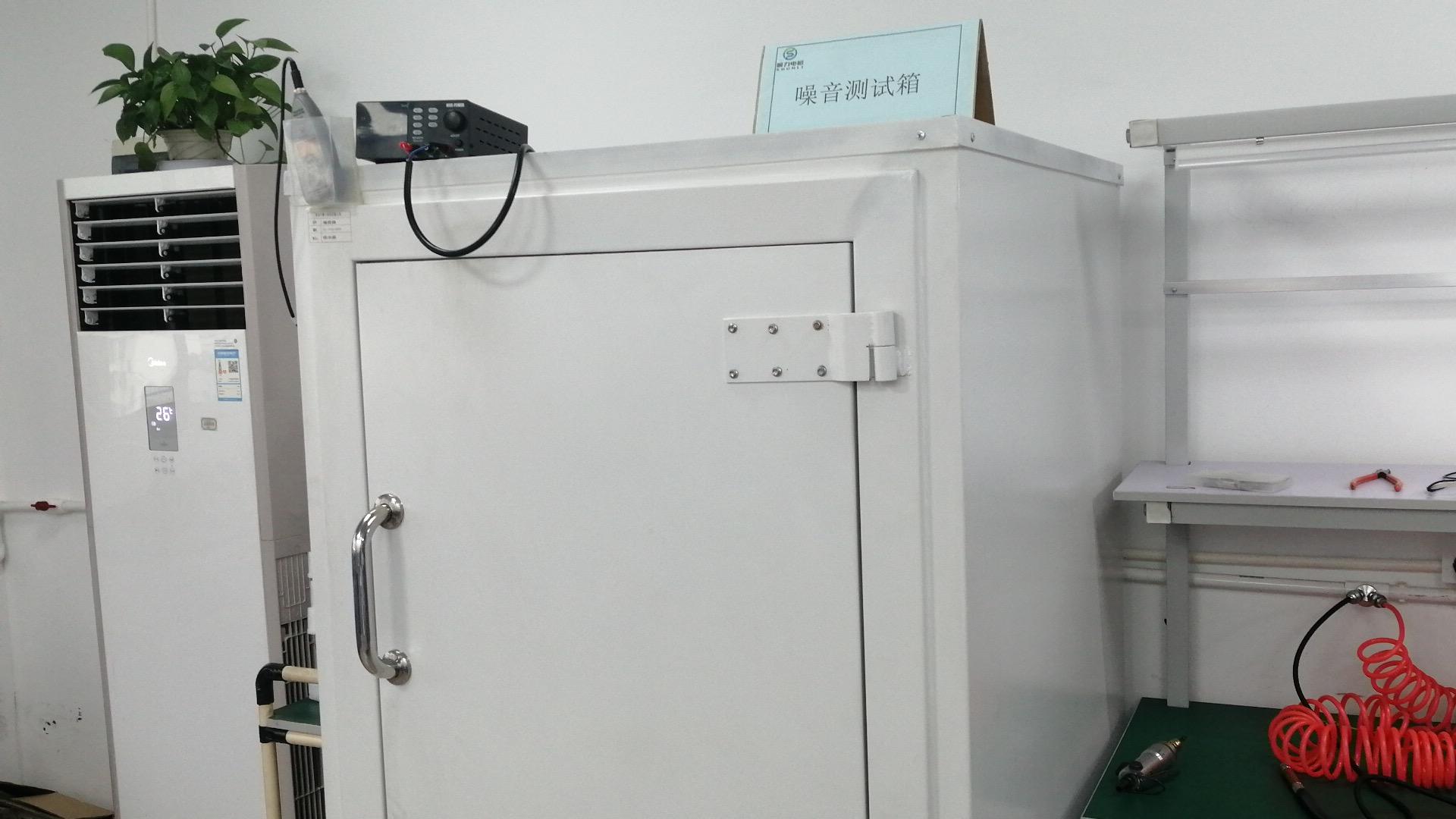
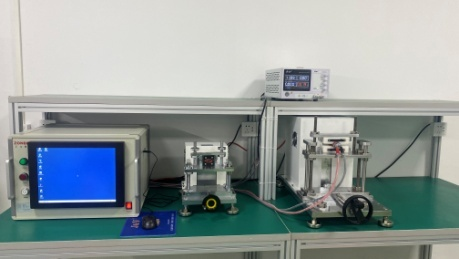
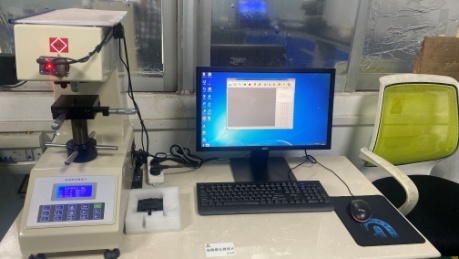
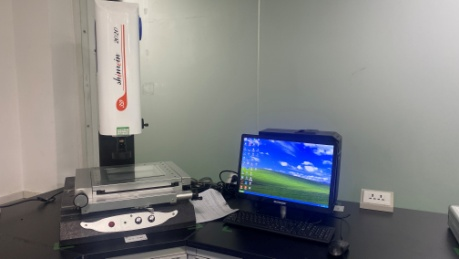
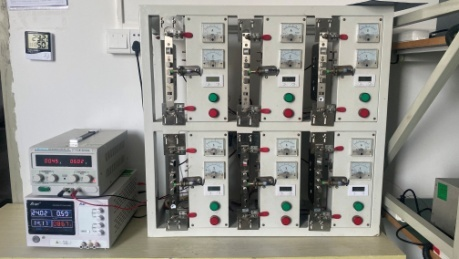
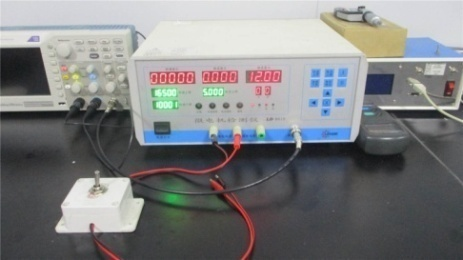
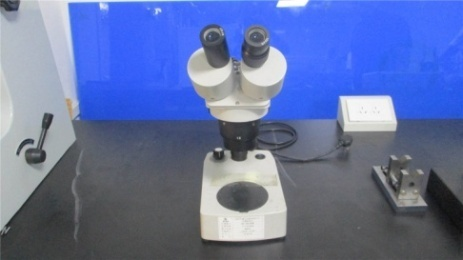
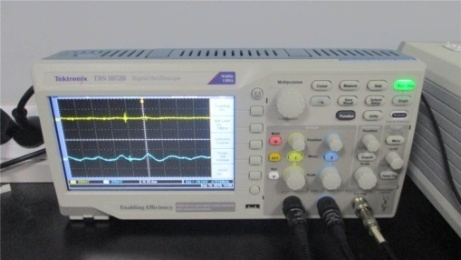
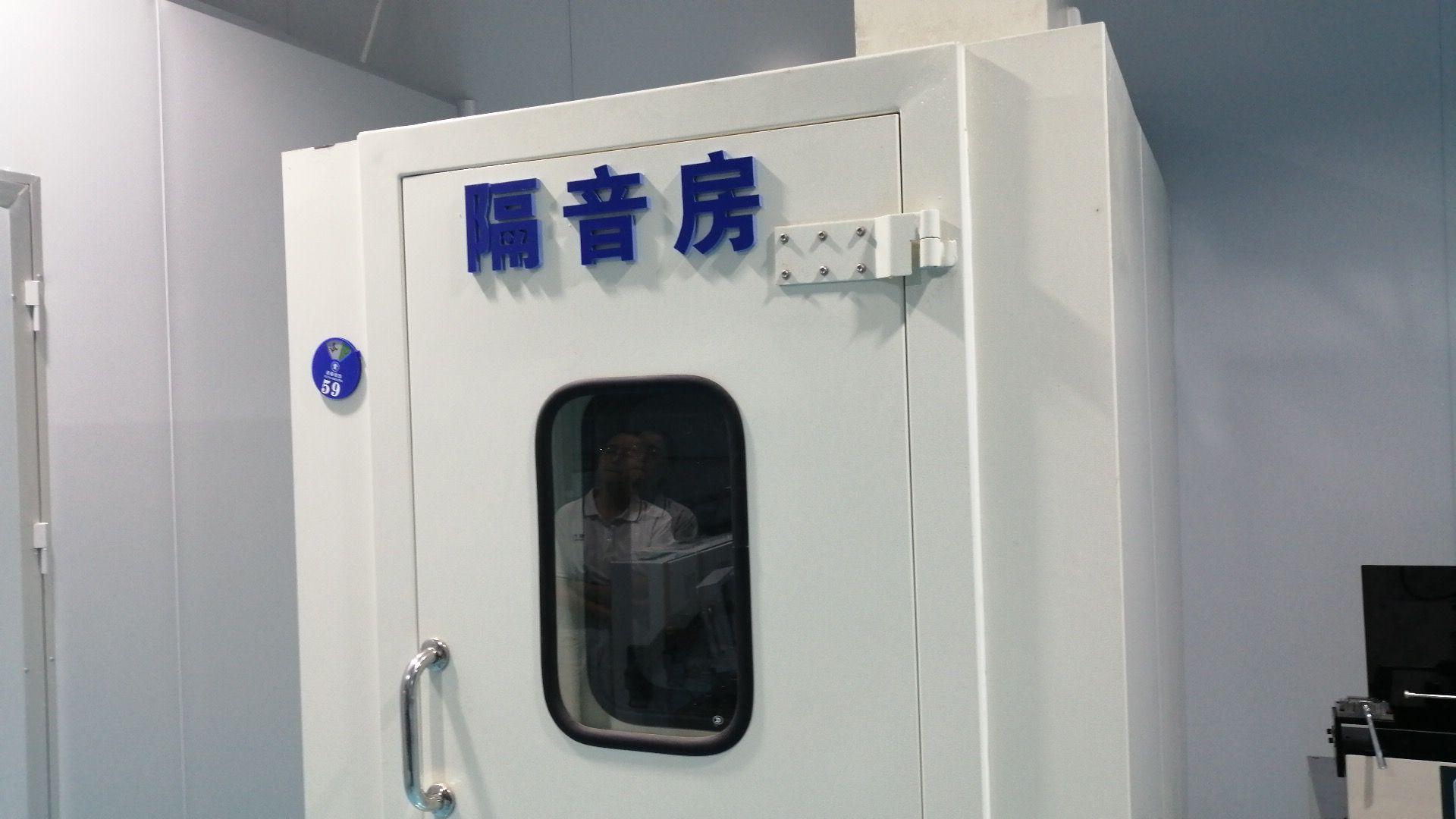
Metrology Laboratory & Advanced Quality Assurance Testing
Our ISO9001 quality system is supported by specialized equipment that evaluates motor performance and durability.
Macro-Level Industry Drive Solutions
How our regenerative micro-drives serve sectors demanding precision, longevity, and efficiency.
Automotive Electronic Systems
From smart trunk closing mechanisms and seat actuators to thermal control valves. By capturing rotational kinetic energy when moving elements hit mechanical stops, we prevent surge currents on the vehicle bus, protecting automotive ECUs.
Smart Logistics & AMRs
Autonomous Mobile Robots (AMRs) run on battery power. When halting or descending ramps, regenerative planetary gear motors feed power back into the lithium-ion batteries. This extends operational battery runtimes by up to 12% per charge cycle.
Smart Cities & Infrastructure
In window actuators, barrier gates, and automated vending machines, our high-torque worm gear configurations provide self-locking security. They combine mechanical holding force with energy-saving deceleration profiles.
Technology Roadmap & Future Horizons
Motion control is moving toward integrated, intelligent, and highly efficient micro-drive nodes.
Integrated FOC Microchips: Next-generation Vira drives feature Field-Oriented Control (FOC) algorithms directly integrated into the motor shell. This simplifies installation, reduces electromagnetic interference (EMI), and improves the positioning accuracy of miniature drives.
Sustainability & Compliance: Our manufacturing processes align with green initiatives. We are reducing heavy metal use, optimizing material recyclability, and utilizing NdFeB magnets sourced with lower environmental impact. These initiatives help our international clients meet local environmental regulations.
Design & Source Your Dynamic Micro Drive System
Need custom shafts, modified gear ratios, or custom electrical parameters for your engineering projects? Our in-house research and development engineers can provide detailed 3D CAD step files and physical prototype runs within 14 working days.
Frequently Asked Questions (FAQ)
Technical guidance and sourcing information for design engineers and procurement officers.
Additional High-Torque & Miniature Micro Drive Models
Explore our wider range of planetary, worm, and shade pole drive configurations.