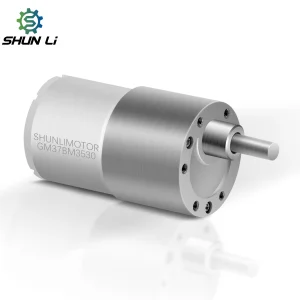
Featured Precision Actuators & Geared Motor Systems
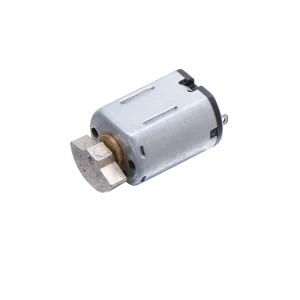
3v 10mm Dc Free Dildos and Vibrators Permanent Magnet Motor
Technical Specifications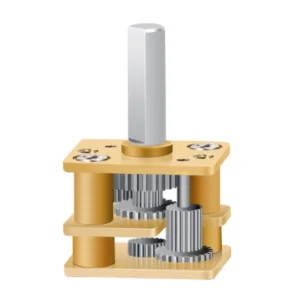
Shunli 12MM 298:1 10:1 150:1 Reduction Gearbox 70Rpm 100Rpm Low Noise High Precision for N20 N30 Motors
Technical Specifications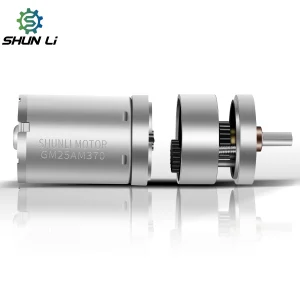
25mm 6v 12v 24v Mini Dc Gear Box Motor with Reduction Gear for Actuator/vending Machines/electric Lock
Technical Specifications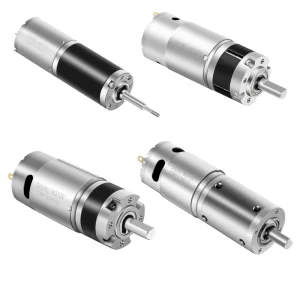
Mini Planetary Gear Brushless 12 Volt Dc Gear Motor
Technical Specifications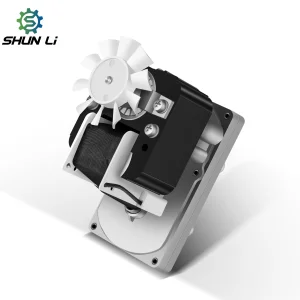
Shunli Motor Factory New Sale 110V-240V/50Hz-60Hz Low Rpm High Torque Ac Electric Motor
Technical Specifications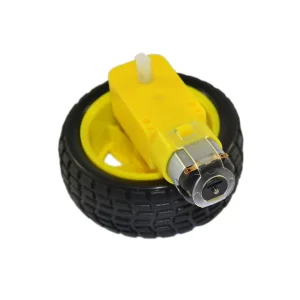
1.5v 3v 4.5v Mini Dc Gear Toy Motor with Reduction Plastic Gearbox for Toy / Toy Car / Robot
Technical Specifications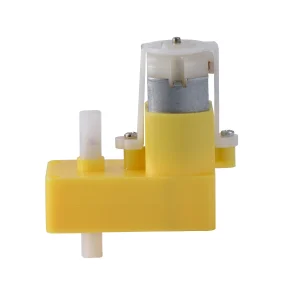
Shunli Micro 3V 4.5 6V Gear Motor for Toys Small Electric Toy Motors
Technical Specifications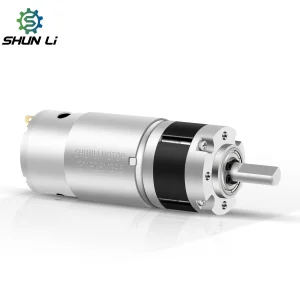
Low Noise 12v Volt 370 Electric Worm Dc Motor with Torque 2 nm 30 Rpm for Sewing Machine
Technical SpecificationsThe Core of Precision Motion: Inside Vira Micromotor
At Vira Micromotor, we believe that the trend toward miniaturization shouldn't mean a compromise in power. As a premier manufacturer specializing in high-performance Micro DC Motors, DC Gear Motors, and Brushless DC Motors (BLDC), we have spent twenty years mastering the science of miniature motion control.
From our state-of-the-art, ISO9001-certified manufacturing facility, Vira Micromotor bridges the gap between China’s supply chain efficiency and global technical standards. Our micro-drives are chosen globally by product designers and procurement managers in smart home automation, automotive electronics, medical hardware, and robotics for their exceptional power-to-size ratio, whispering-quiet acoustics, and ultra-long lifespans.
We don’t just stamp out standard components—Vira Micromotor thrives on flexible OEM/ODM custom-engineered solutions. Powered by an elite in-house R&D team holding multiple drive-tech patents, we provide rapid prototyping and seamless technical collaboration. From specific voltage tuning and specialized gear ratios to custom shaft modifications, we engineer the precise Vira Micromotor around which your next innovation will revolve.
Global Asynchronous & Micro Motor Industry Landscapes
The global electric motor industry is undergoing a monumental paradigm shift. As industries push toward carbon neutrality, the optimization of electric motors—which account for approximately 45% of global electrical energy consumption—has become a top priority. In industrial plants, commercial sectors, and automated logistics, the demand for high-efficiency Asynchronous Motors (AC Induction Motors) and ultra-precise micro DC drives is reaching record highs.
The Paradigm of Asynchronous Motor (Induction) Technology
Asynchronous motors remain the workhorses of modern manufacturing. Known for their rugged mechanical architecture, self-starting capabilities, and low maintenance burdens, they dominate environments ranging from wastewater treatment pumps to automated conveyor assemblies. However, the modern industrial buyer requires far more than basic operation. Today's specifications mandate conformity to international energy standards, specifically IE3 (Premium Efficiency) and IE4 (Super Premium Efficiency), with forward-looking organizations targeting the newly introduced IE5 ultra-premium protocols.
Chinese manufacturers have historically served as the cornerstone of the global motor supply chain. Through clusters of specialized component manufacturers and deep technical integration, top-tier Chinese manufacturers can offer highly custom stator laminations, advanced copper rotor cages, and specialized synthetic insulation systems. This enables system integrators across Europe, North America, and Southeast Asia to procure high-reliability drives that balance torque density and thermal dissipation requirements.
Integration of Micro-Drive Solutions
Simultaneously, the automation world is experiencing rapid miniaturization. From surgeons demanding ultra-precise micro-drill actuators to smart home developers needing compact, quiet gearboxes for automated door locks, the mechanical design landscape is shifting toward specialized micro DC and brushless systems. Vira Micromotor is positioned at the intersection of this shift, manufacturing miniature drive solutions that combine the durability of industrial-grade induction principles with the precision and controllability of permanent magnet and brushless architectures.
Vira Micromotor's End-to-End Production Process Flow
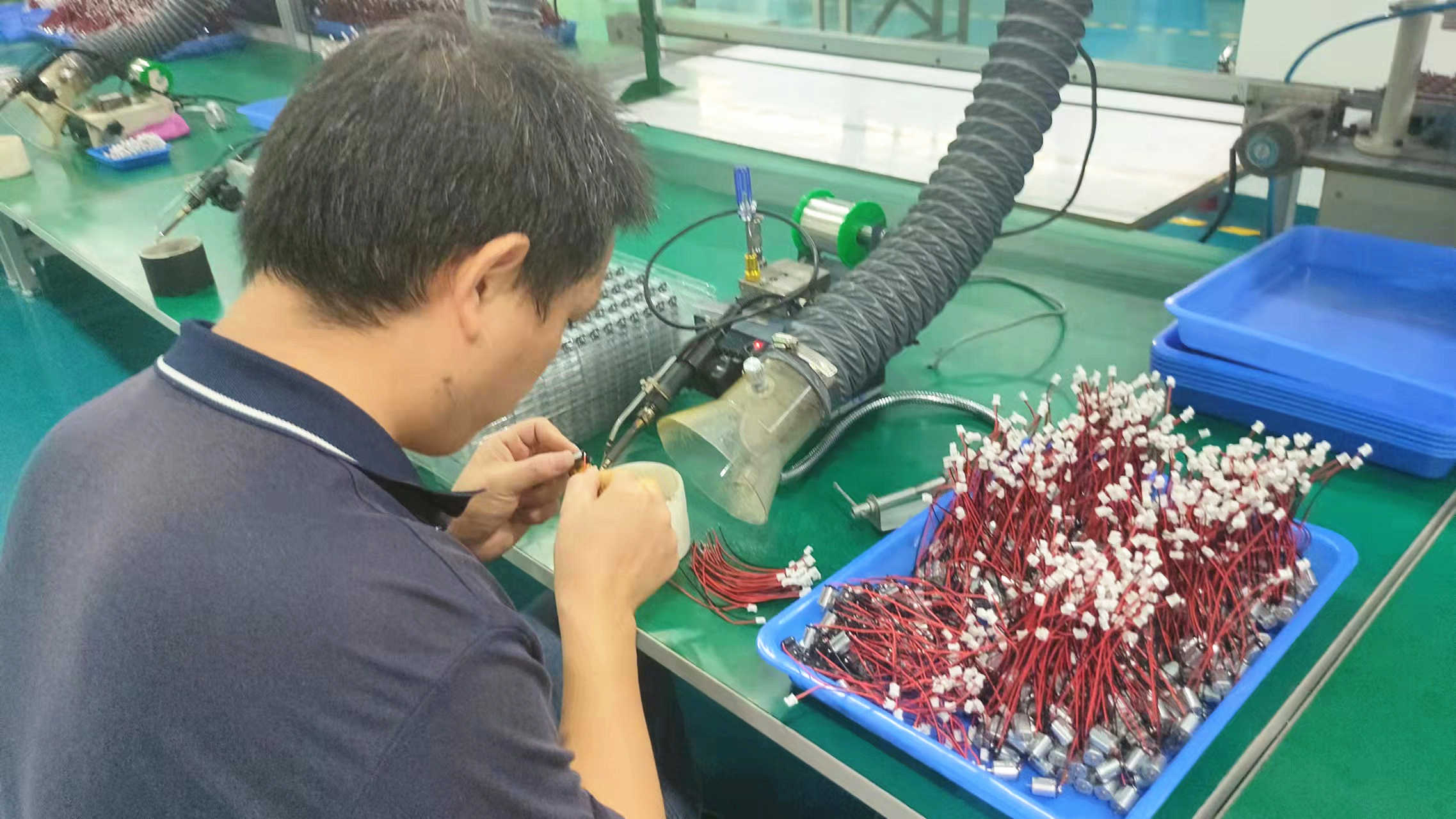
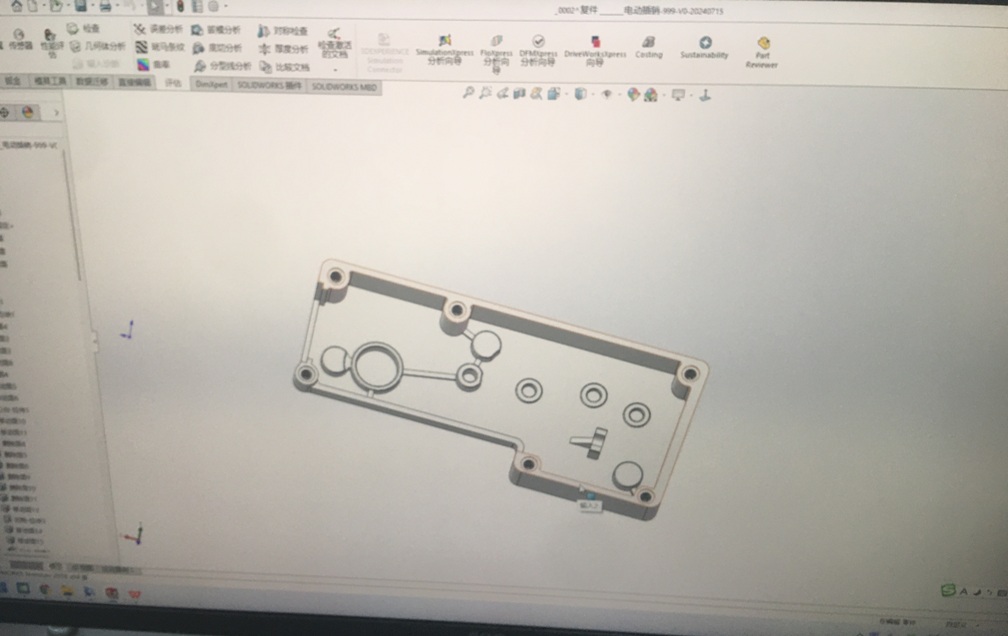
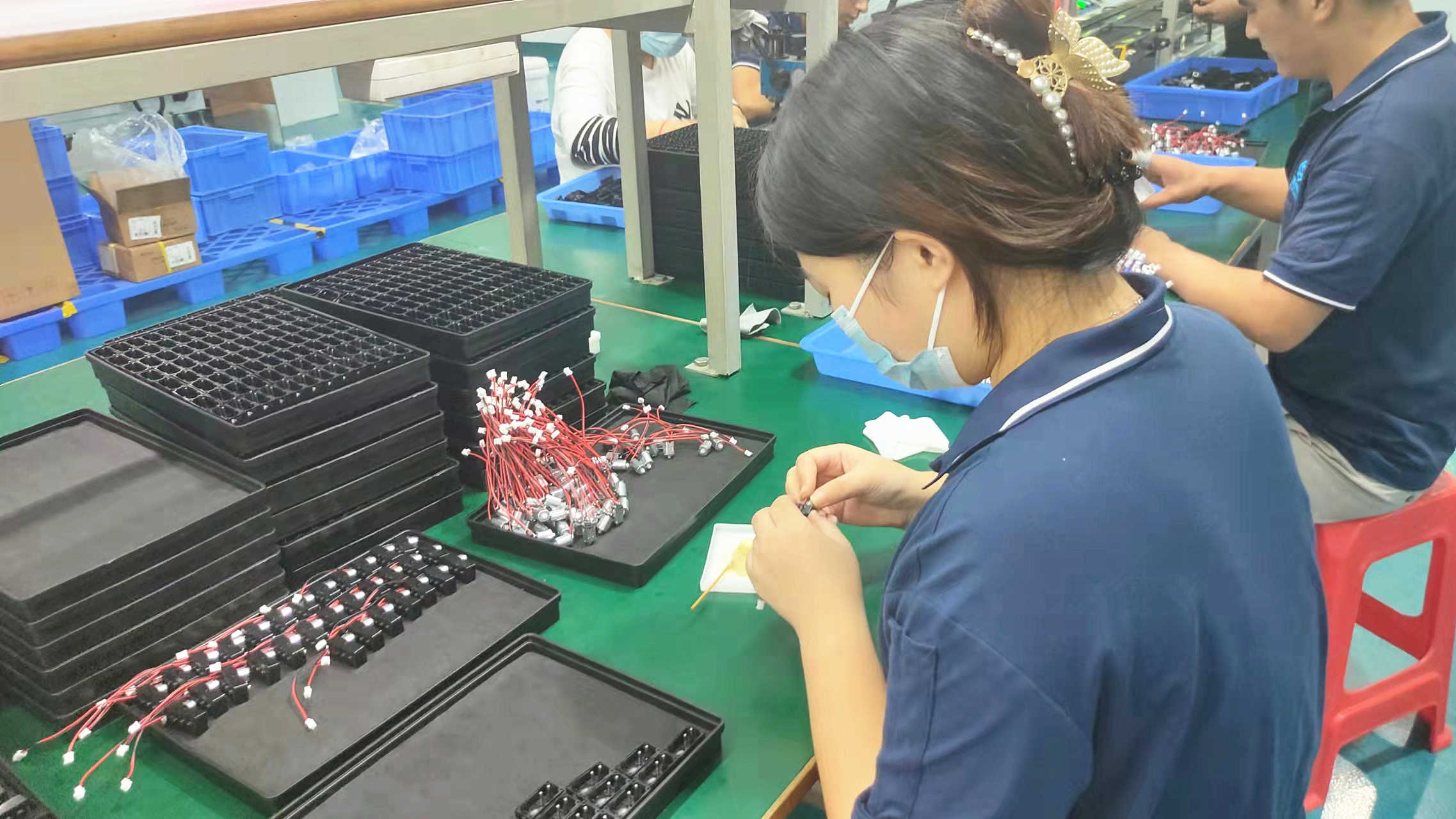
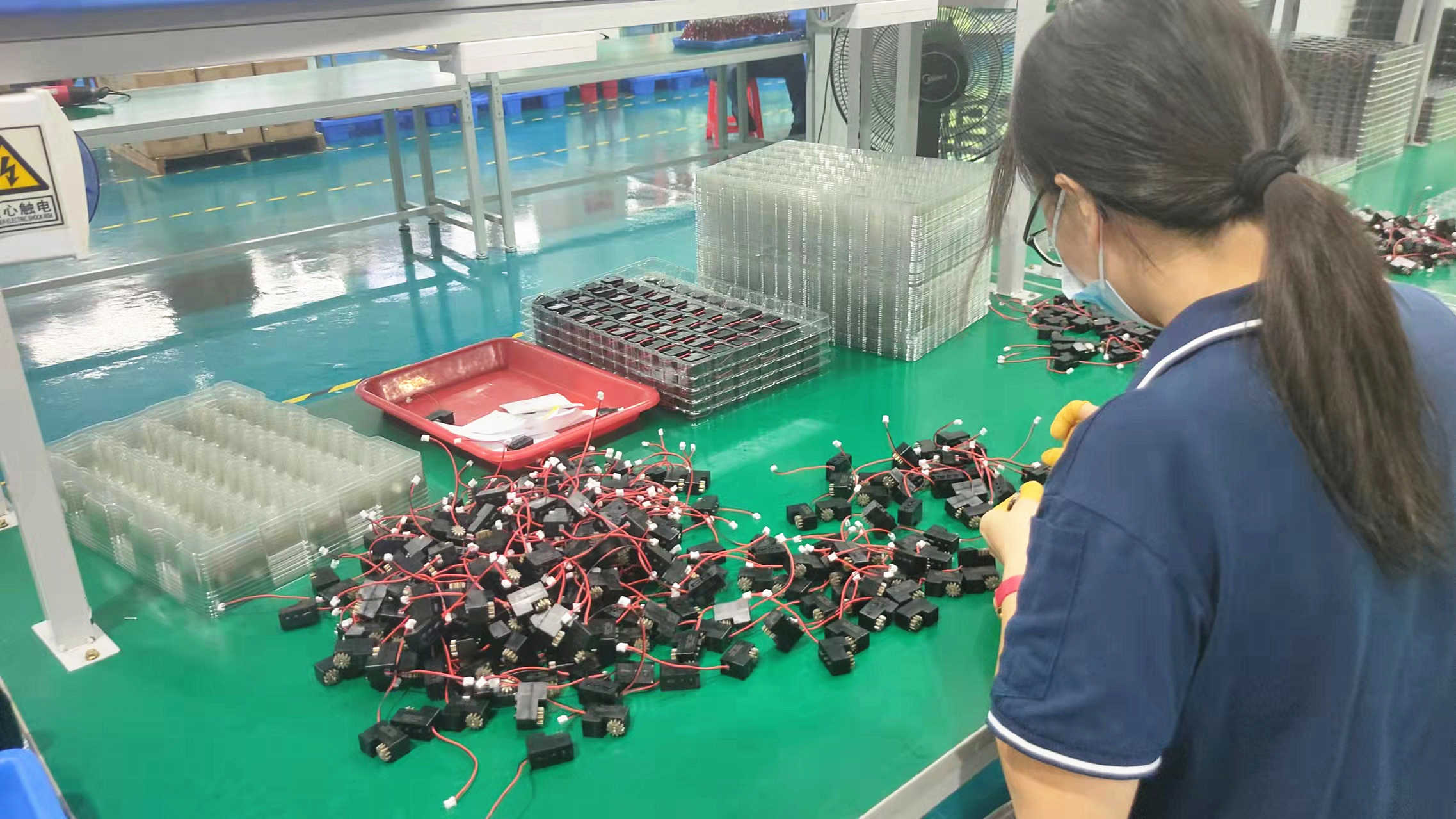
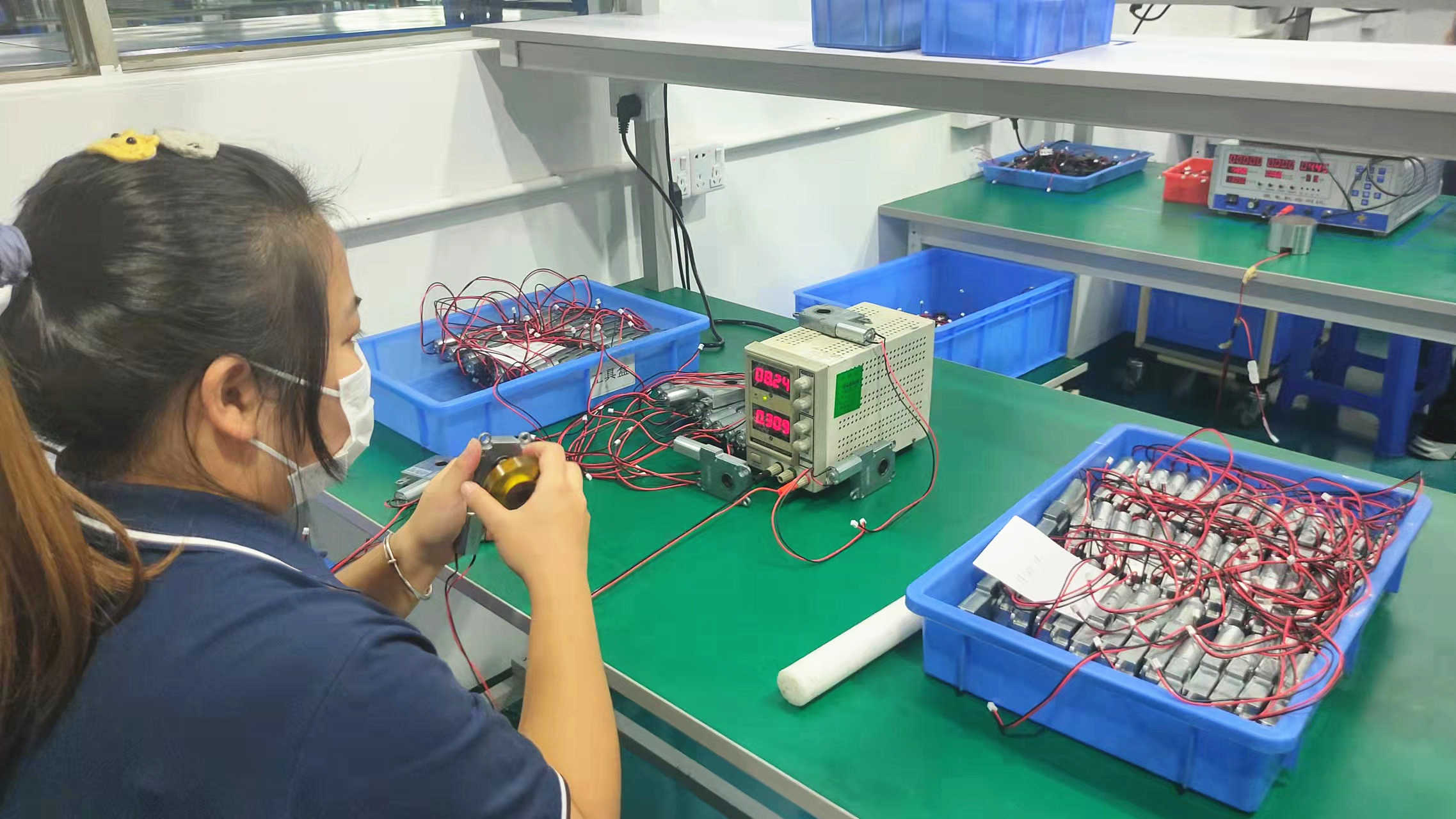
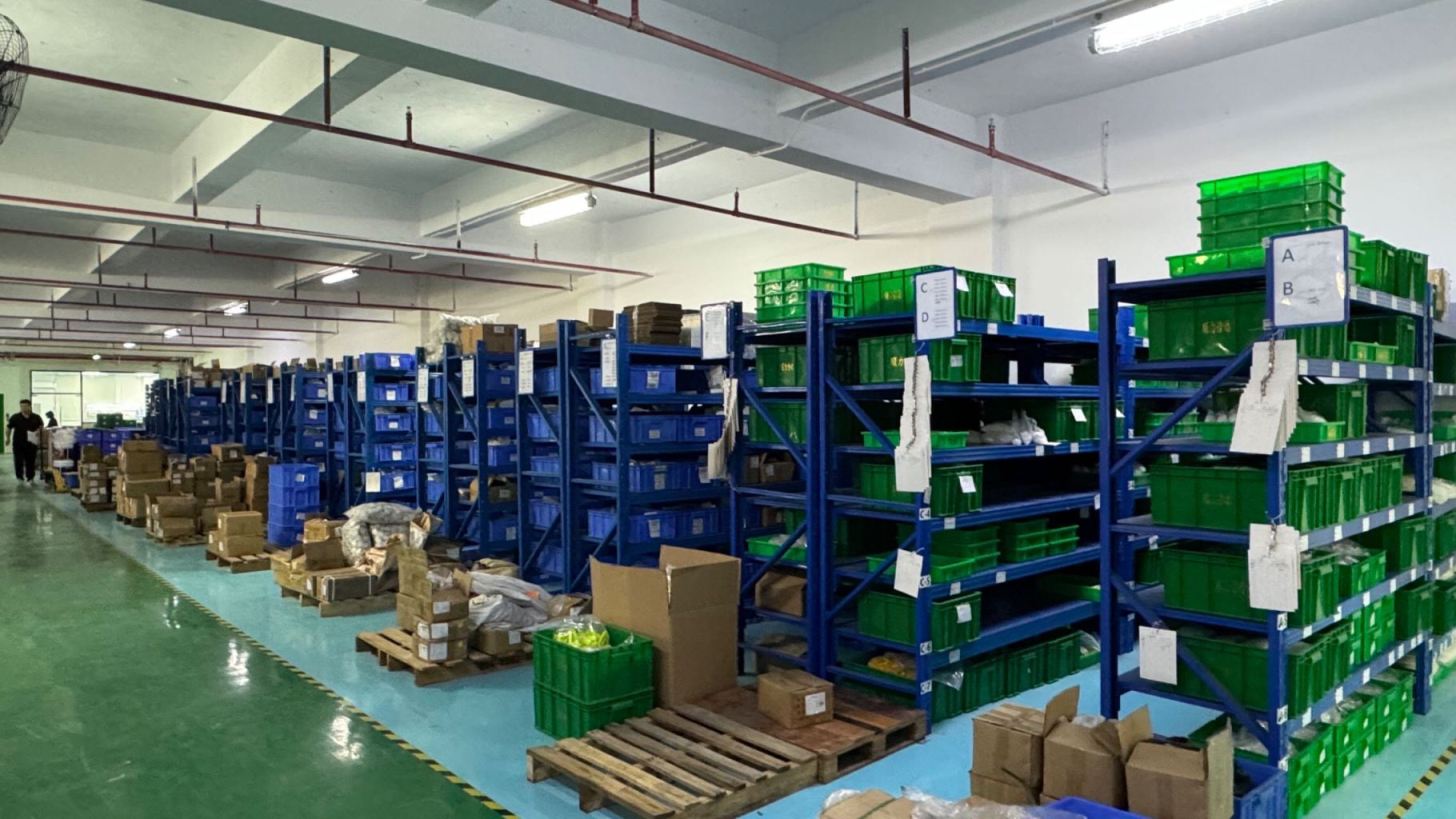
The reliability of a micro motor rests heavily on the control parameters of its manufacturing stages. Each component must undergo strict quality checkpoints to eliminate micro-vibrations, rotor eccentricities, and copper wire insulation faults. Below is a structured visual overview of the manufacturing workflow employed at Vira Micromotor's facility, illustrating the precision control driving our motor assembly lines.
Advanced Machinery Portfolio & Metrology Suite
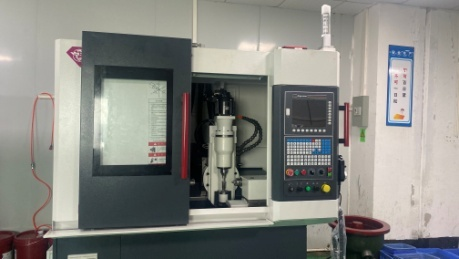
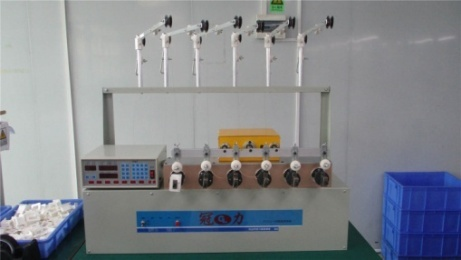
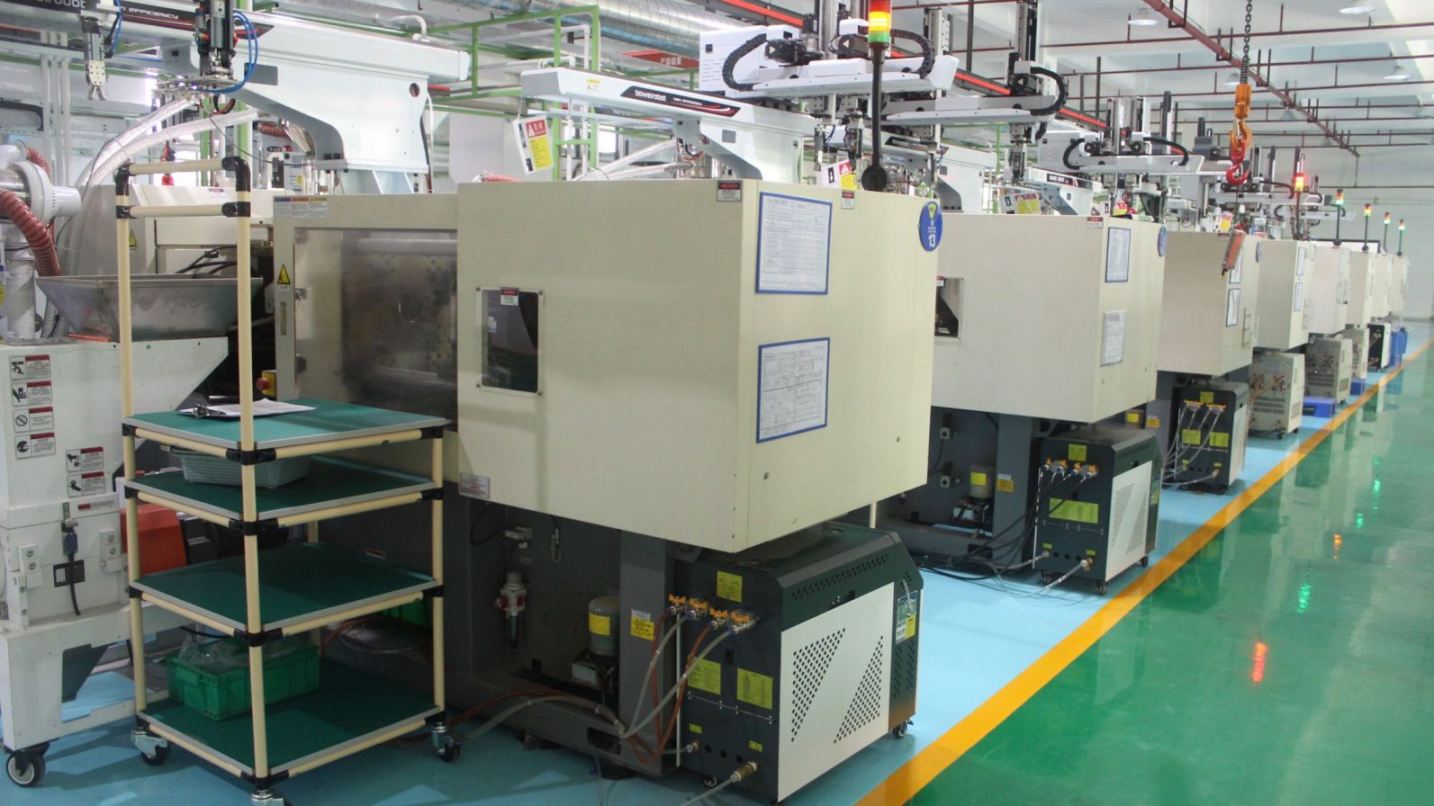
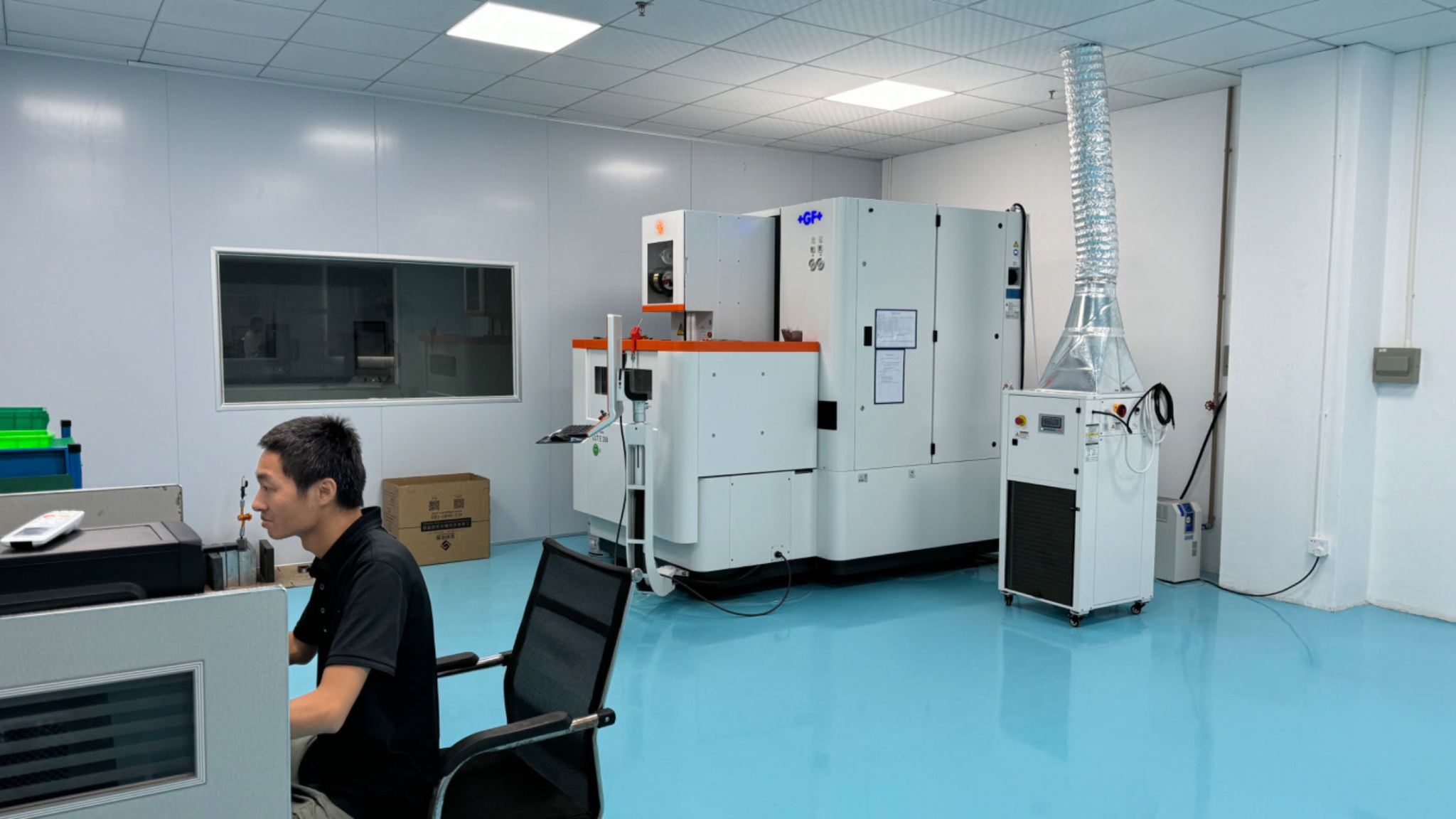
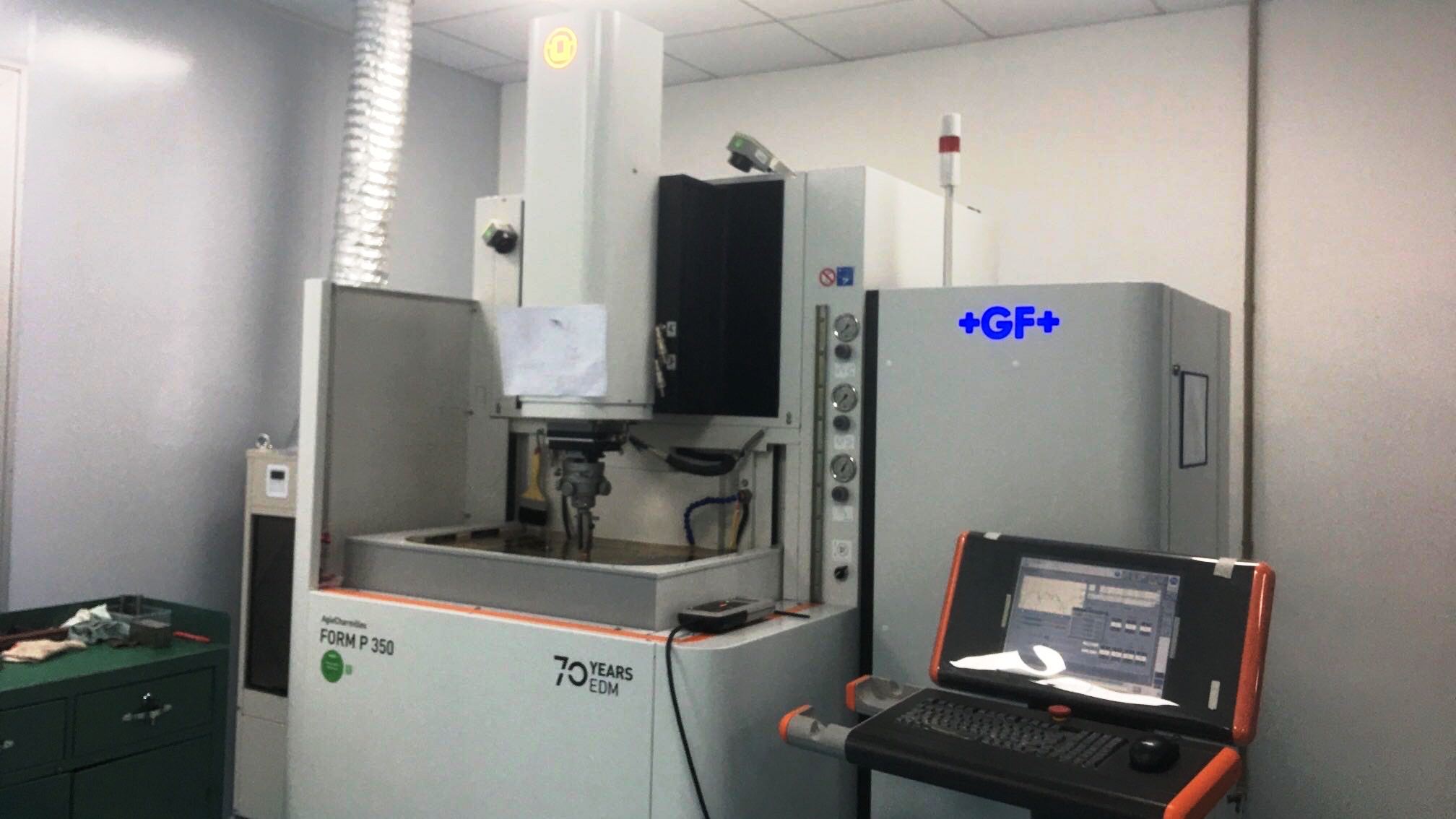
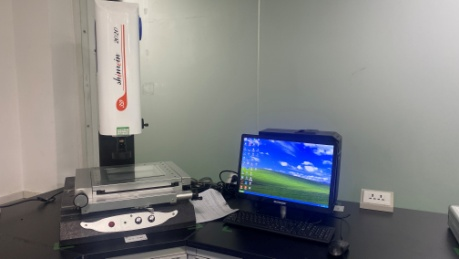
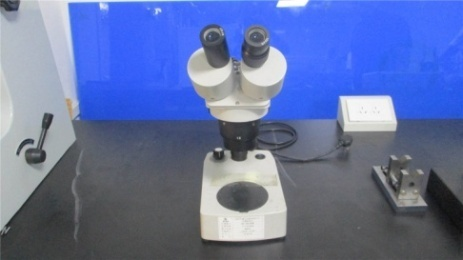
Micro-drives and gearboxes demand structural clearances down to the sub-micron level. An error of just 0.005mm in gear hobbing can increase acoustic emissions by up to 10 decibels and reduce the dynamic life expectancy of the gearbox by half. To prevent such failure modes, our production facility features modern CNC, milling, and wire-cut electrical discharge machines (EDM), alongside high-precision testing equipment.
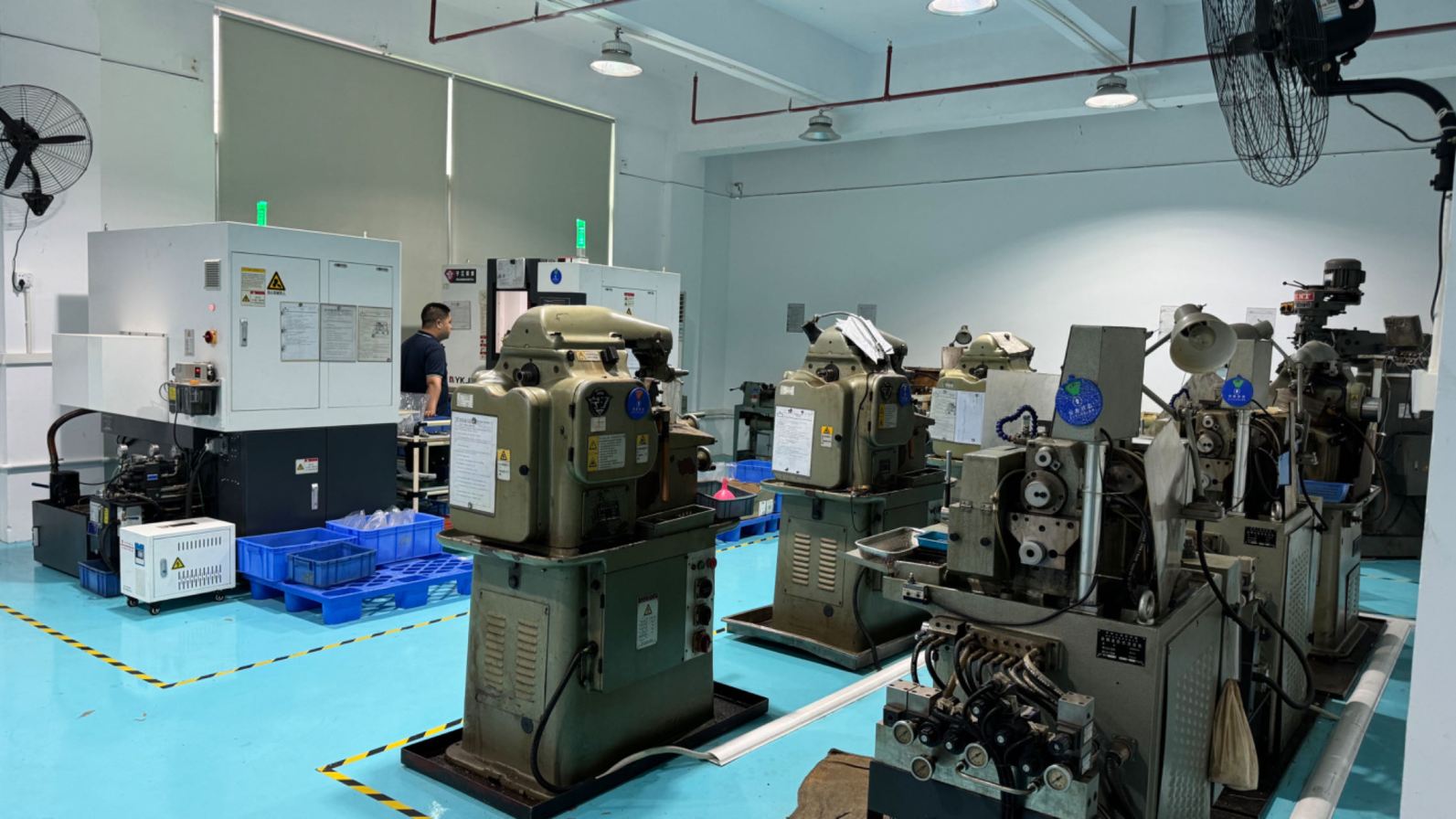
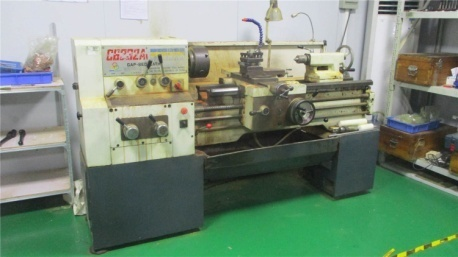
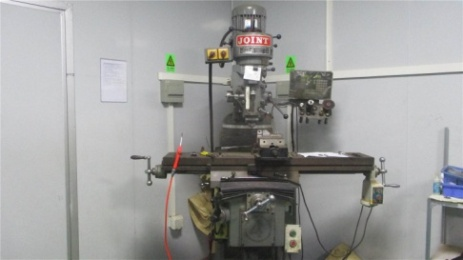
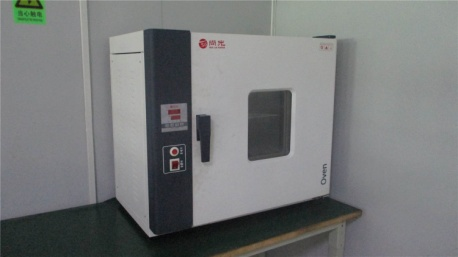
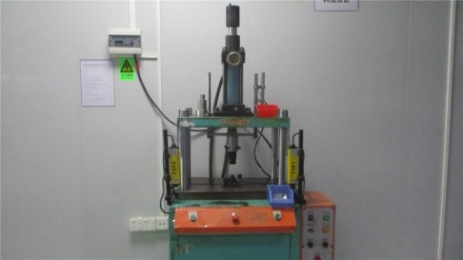
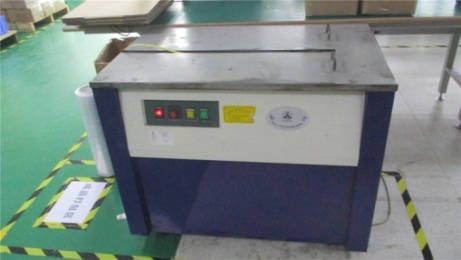
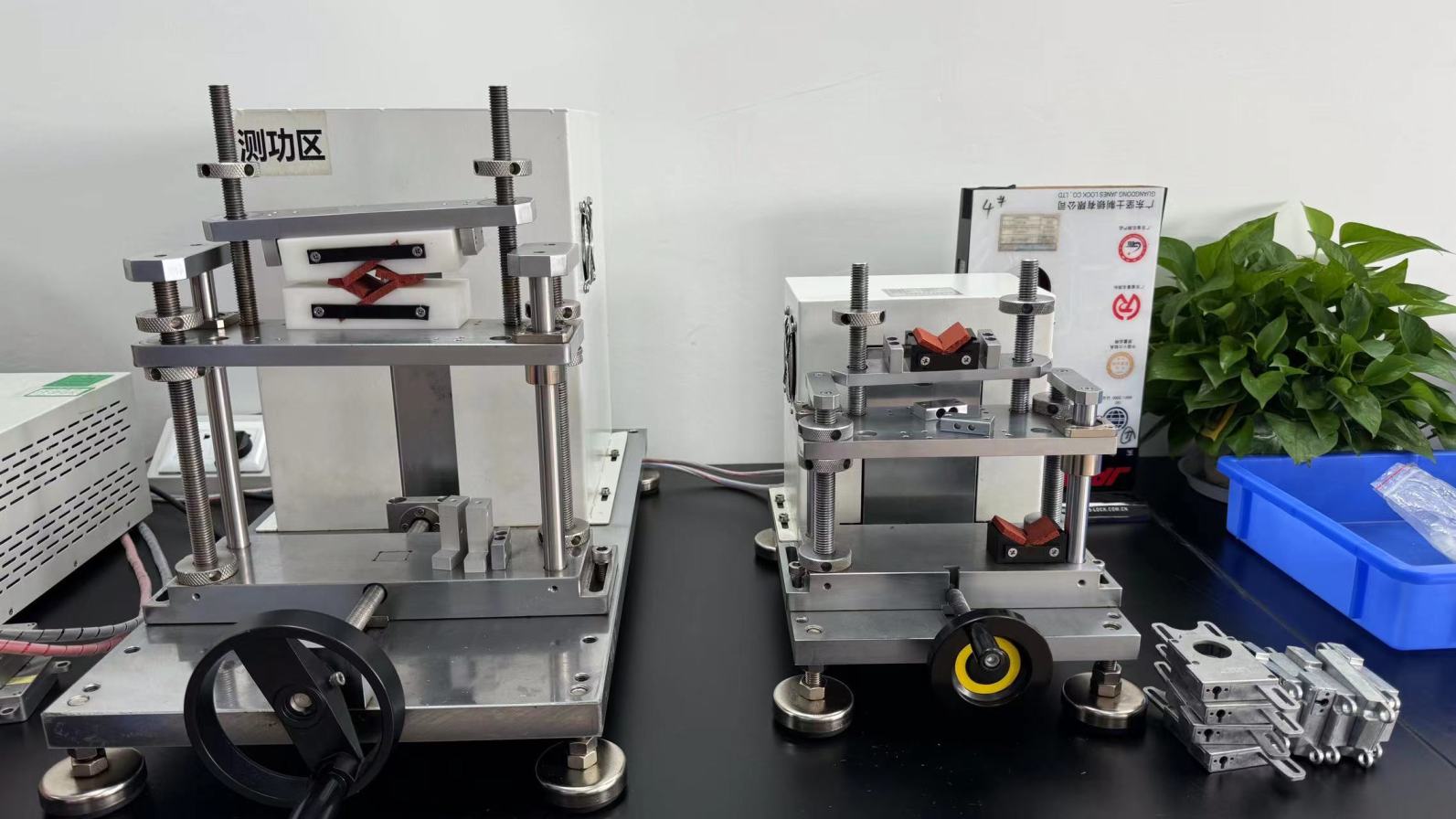
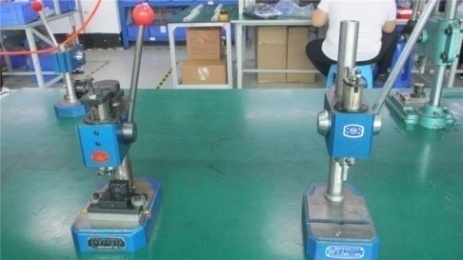
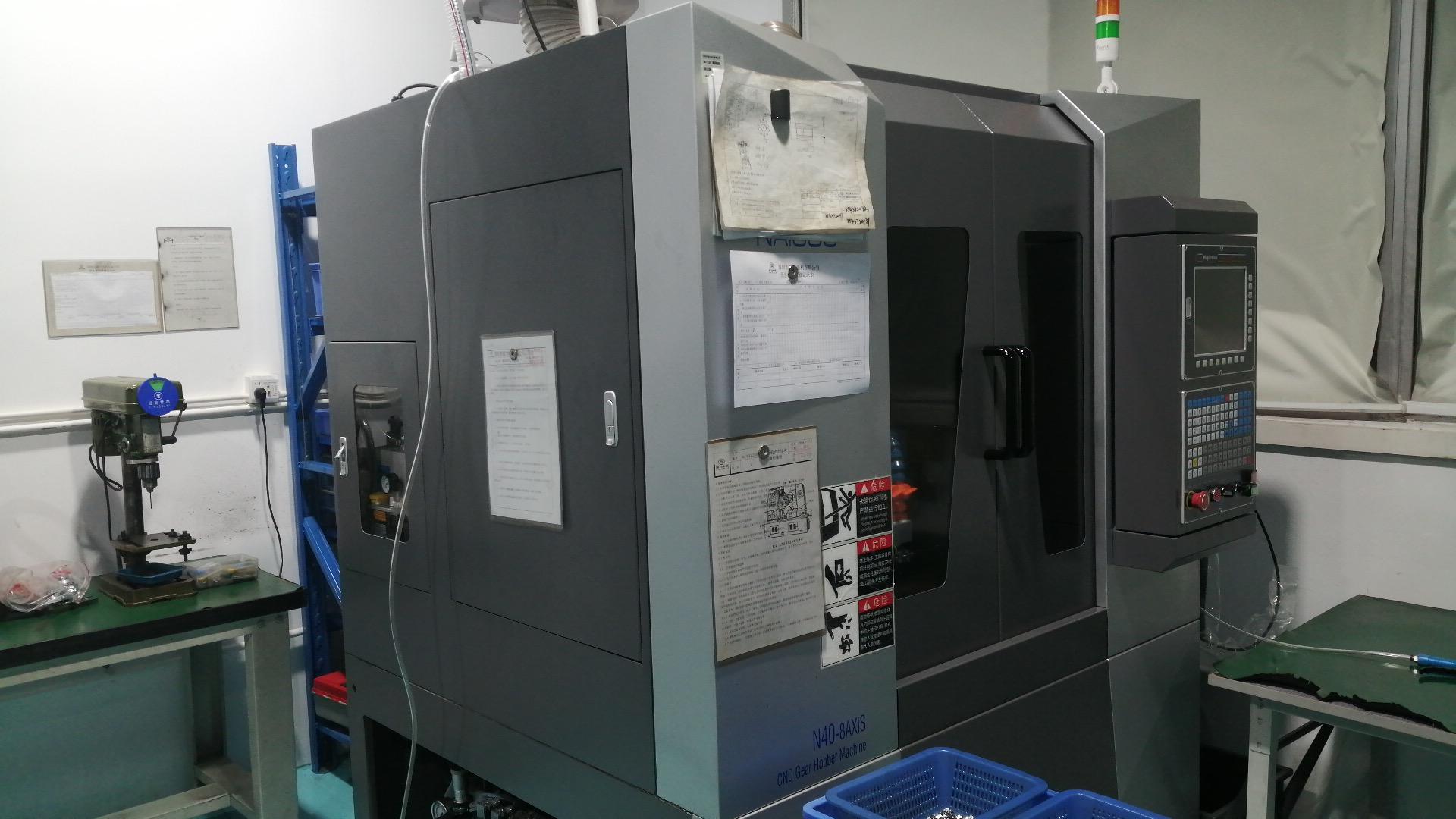
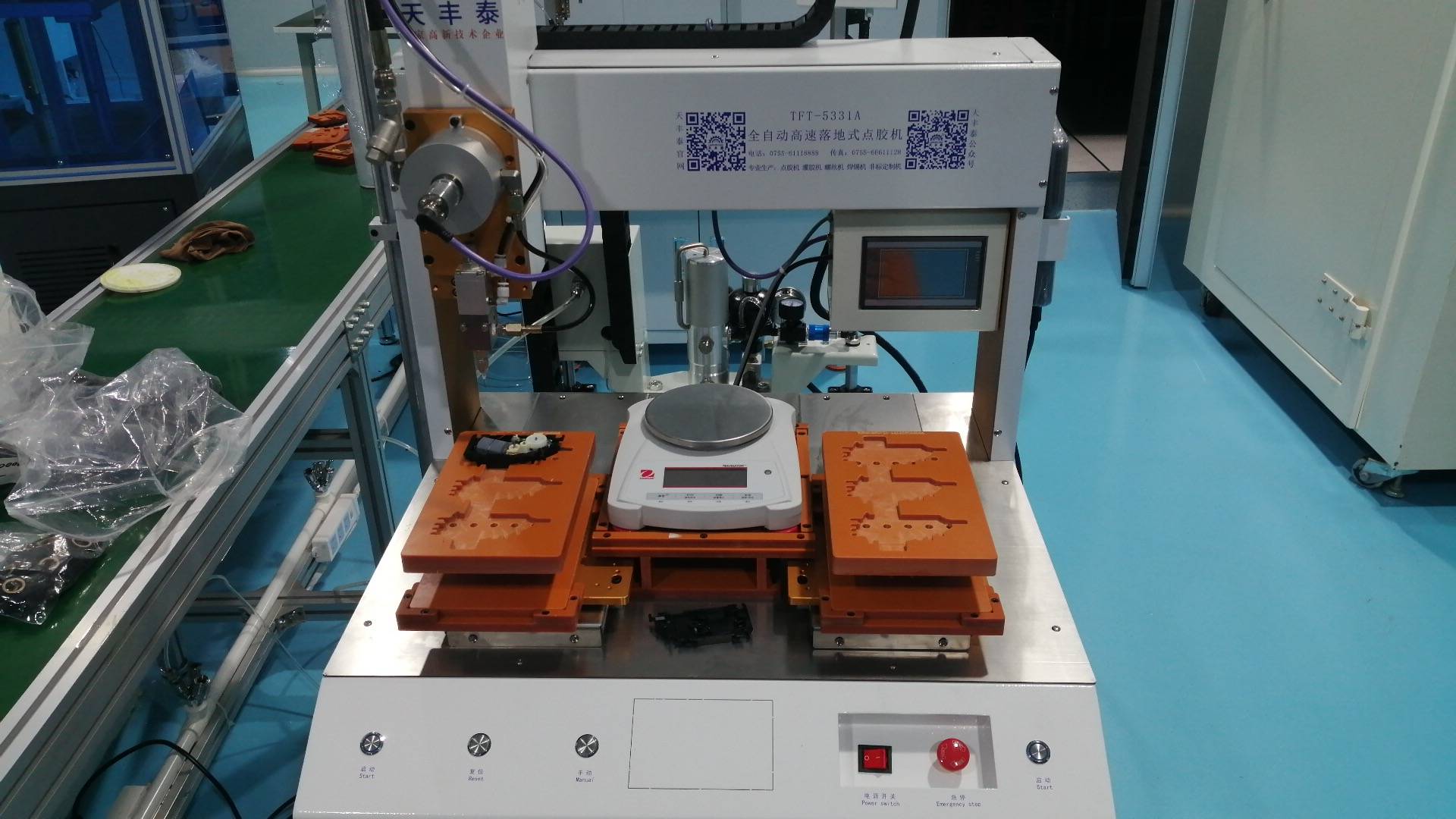
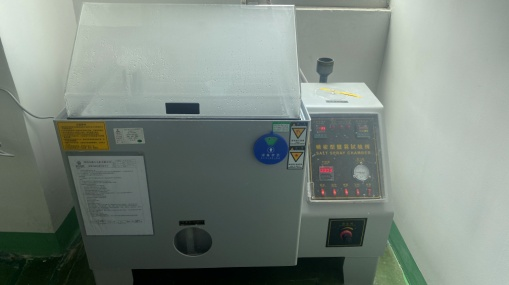
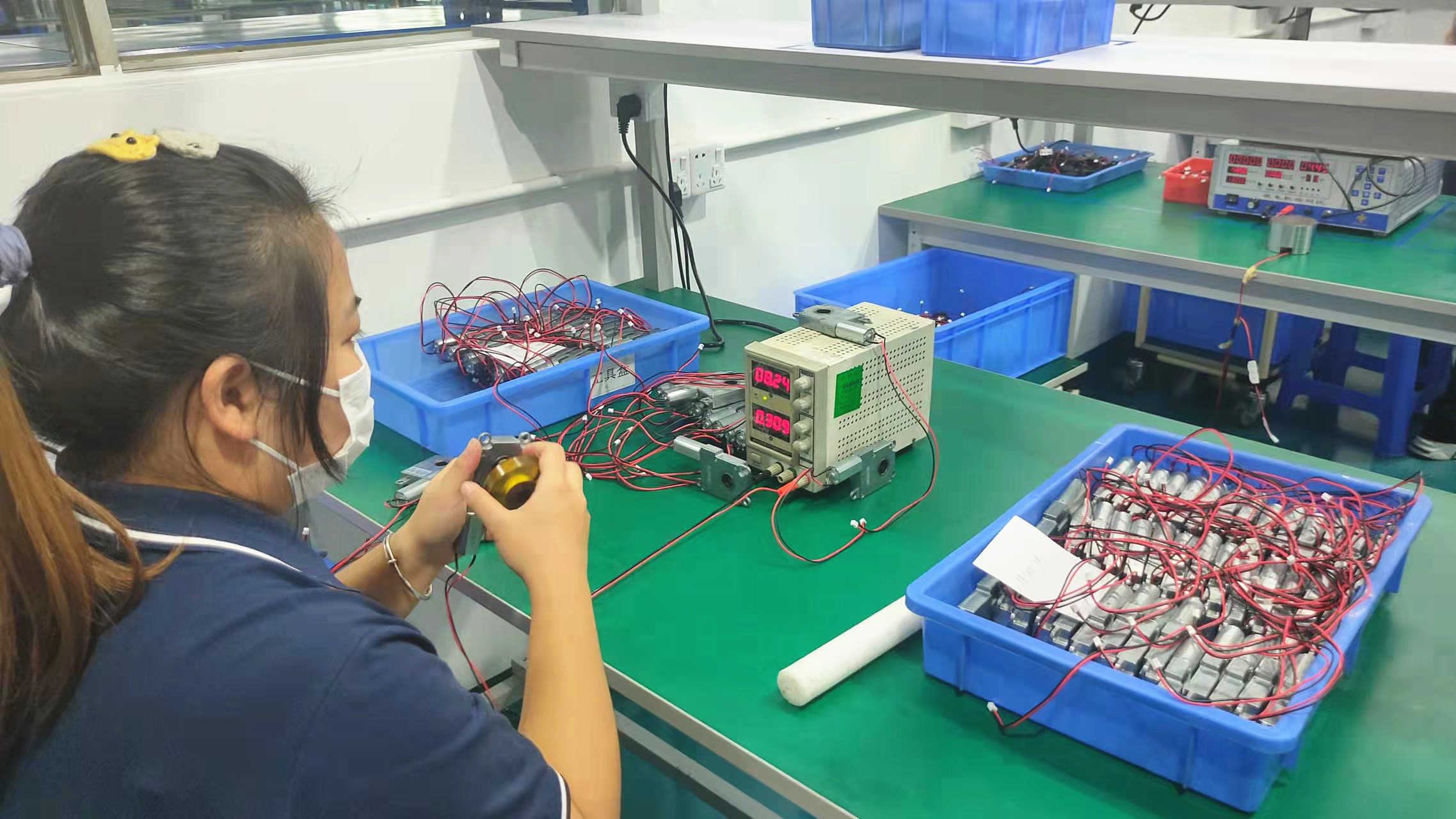
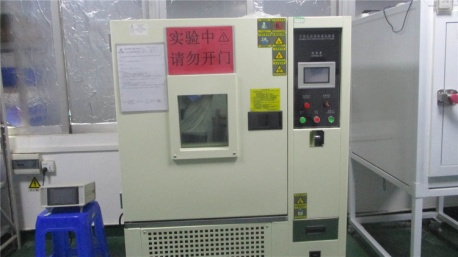
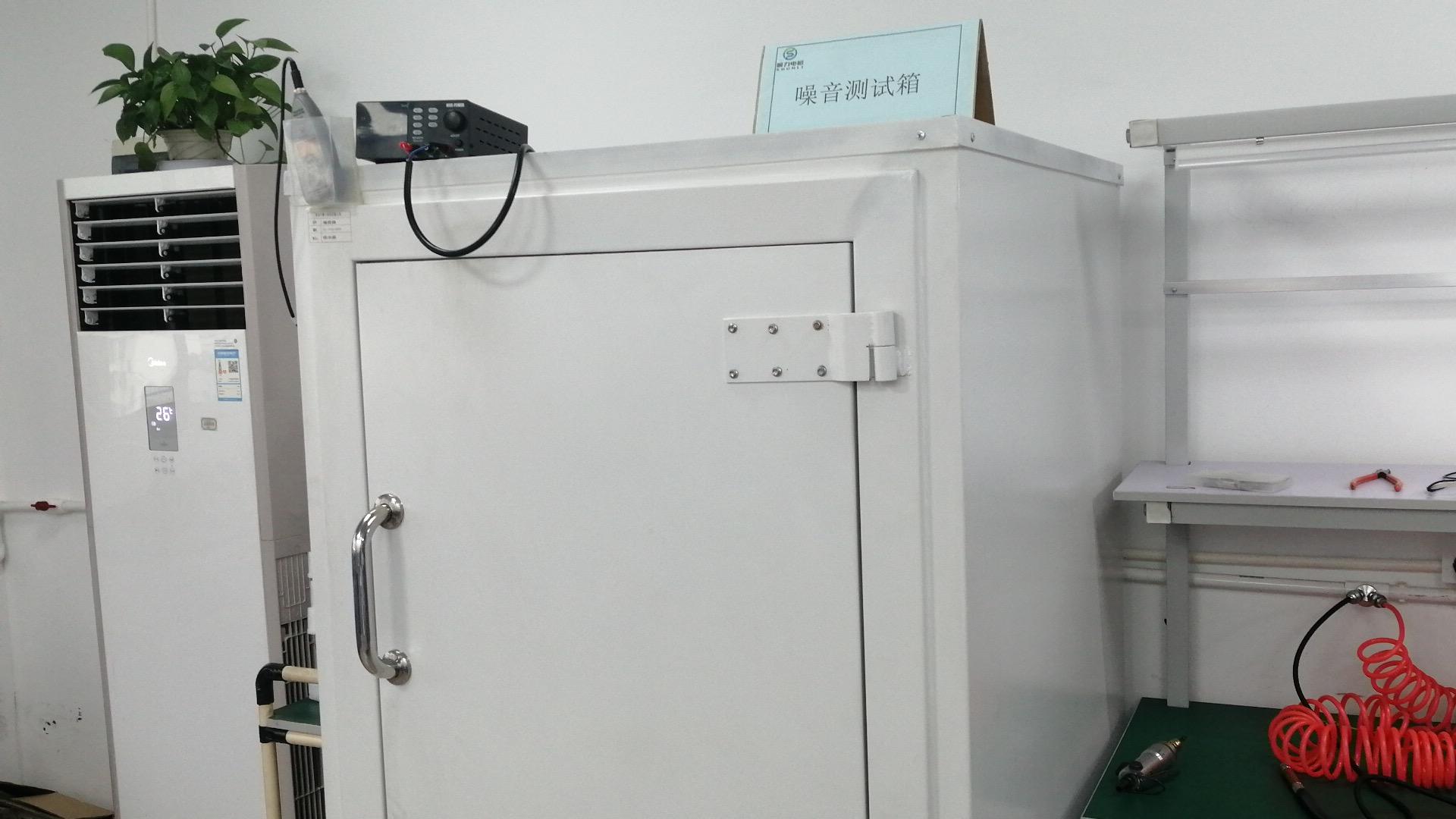
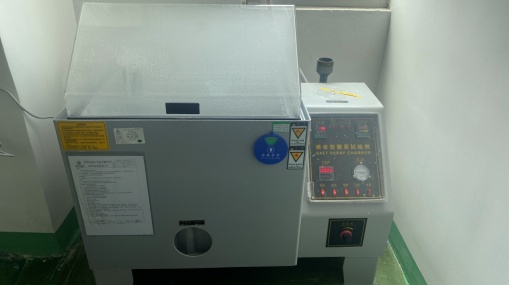
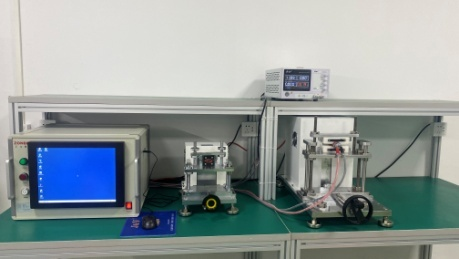
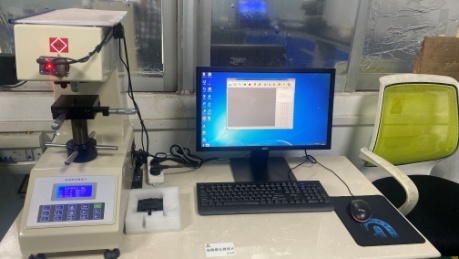
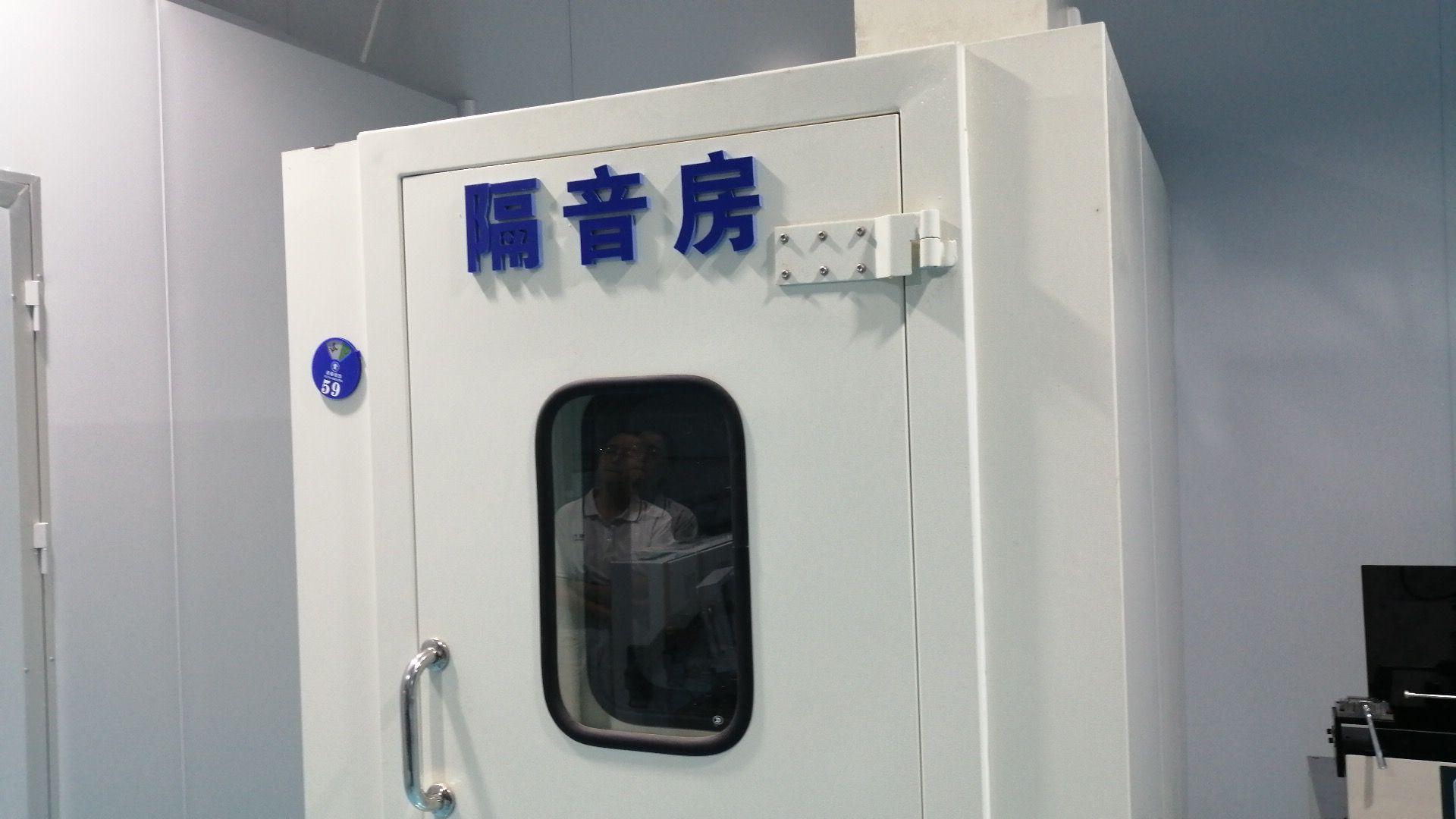
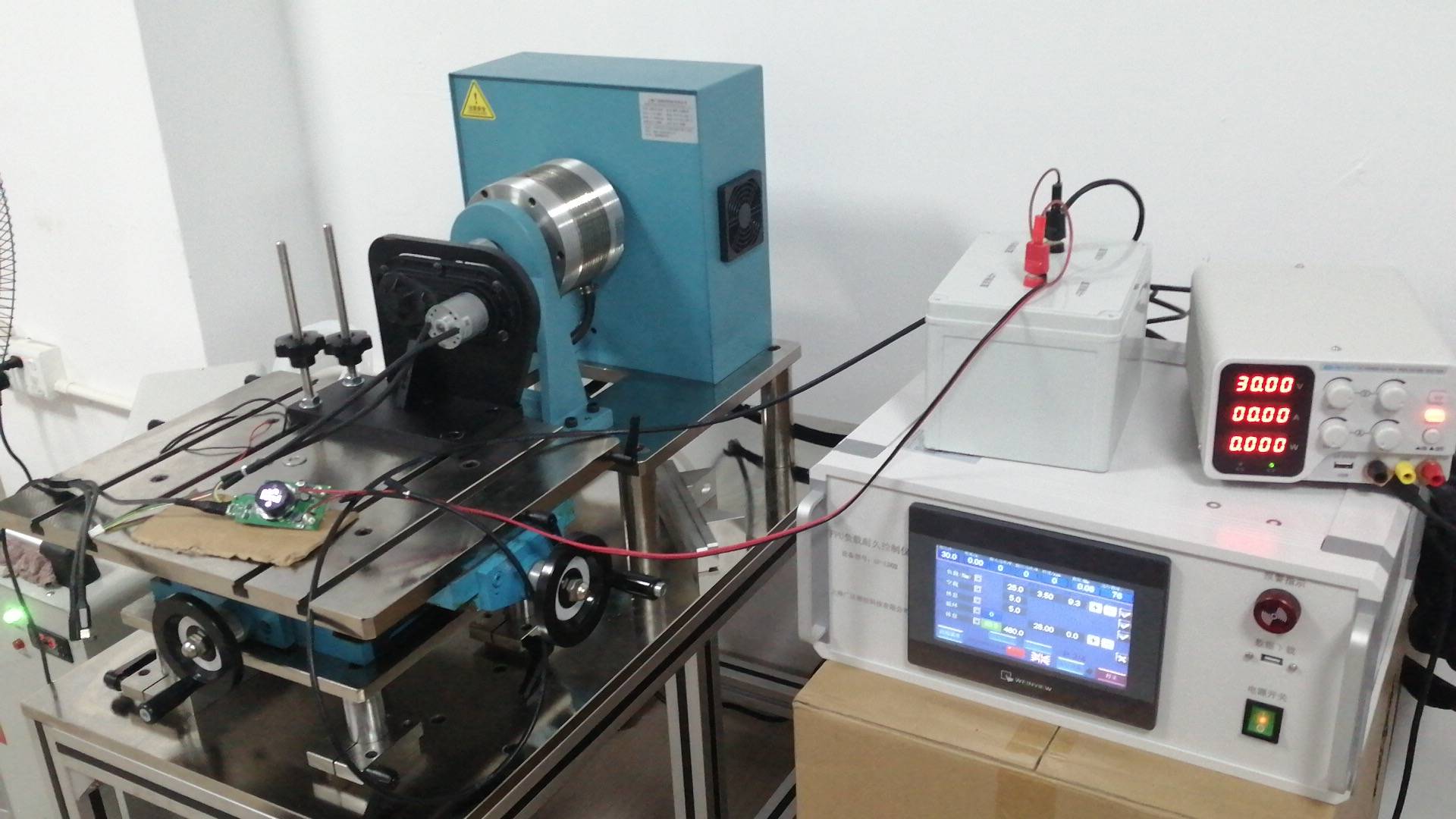
Quality Assurance Testing Equipment Suite
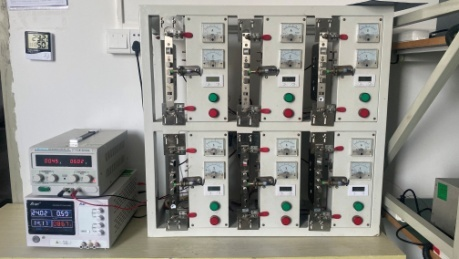
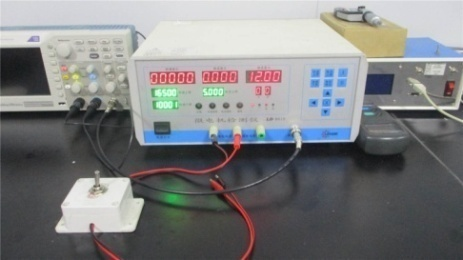
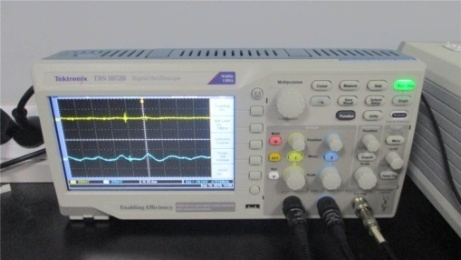
Quality at Vira Micromotor is verified through systematic testing rather than simple visual inspection. All raw materials and finished lots undergo testing protocol procedures to confirm mechanical, chemical, electrical, and thermal properties.
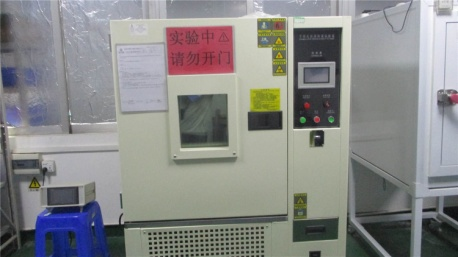
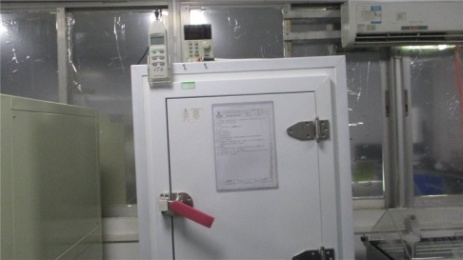
Technical Roadmap & Future Outlook of Asynchronous & Micro Motors
As industry standards evolve, motor technology developments must align with changes in environmental policy, materials science, and intelligent control interfaces. We are currently focusing our engineering resources on several key technology areas:
1. Variable Frequency Drive (VFD) Optimization
Traditional asynchronous motors designed for direct-on-line (DOL) startup run at a single synchronous speed, resulting in efficiency losses at partial loads. Modern designs optimized for Variable Frequency Drives (VFDs) feature insulation classes—such as Class H or Class F—specially engineered to withstand the high voltage rise times (dV/dt) generated by modern IGBT pulse width modulation (PWM) switchgear. Additionally, grounding rings or insulated bearings are integrated to mitigate parasitic shaft currents, preventing premature bearing failure.
2. Transition to High-Performance Coreless & Brushless Architectures
In micro-motion applications, traditional slotted stators generate cogging torque, causing speed ripples that degrade performance in scanning or dosing systems. Transitioning to coreless (basket-wound) stators eliminates iron core losses, resulting in a linear torque-speed curve and rapid mechanical response times. In parallel, brushless motor designs replace wear-prone mechanical commutators and carbon brushes with digital hall-effect sensors, extending operational lifetimes up to 20,000 hours.
3. Materials Science and Copper Rotor Integration
The manufacturing cost of high-efficiency motors is closely linked to raw material pricing. To meet IE4 and IE5 efficiency standards without relying heavily on costly rare-earth permanent magnets, asynchronous motor designs are incorporating die-cast copper rotors. Since copper has roughly 60% higher electrical conductivity than aluminum, stator and rotor losses are reduced, decreasing the operating temperature and overall dimensions of the motor frame.
Macro-Industry Solutions & Application Scenarios
Precision motors are key components integrated into larger industrial, robotic, and commercial systems. Delivering a viable solution requires analyzing the mechanical loads, electrical limits, and environment of each specific application.
Smart Access & Automation
Automated smart locks and automatic doors require high start-up torque from compact housings. Integrated planetary gearboxes provide the necessary torque to turn lock cylinders, while integrated encoders allow precise control of travel limits and obstacle detection.
Automotive Auxiliary Systems
Modern vehicles utilize dozens of micro-actuators for climate control flaps, electronic throttle valves, side-mirror adjustment, and seat positioning. These automotive-grade motors must operate reliably across wide temperature ranges (-40°C to +125°C) and comply with strict EMI/EMC standards.
Medical & Surgical Equipment
Infusion pumps, ventilators, and handheld surgical tools require highly reliable micro-drives. Coreless BLDC motors are typical for these applications, offering slotless operation for zero-cogging speed control, minimal vibration, and sterilizable mechanical designs.
Technical FAQ: Asynchronous & Micro Motor Procurement
Additional Industrial Motor Configurations & Specialty Drives
Shunli Motor Customized 12v 24v 28mm Planetary Gearbox Match Pmdc Motor
Technical Specifications
4.5v Gear Motor for Lock Small Rpm Motor 50rpm Dc Gear Motor
Technical Specifications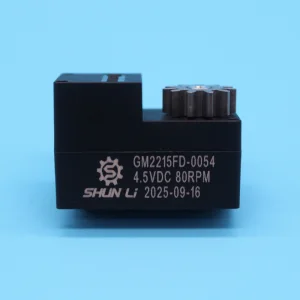
Shunli Motor 2215 Smart Lock Motor Steering Gear Automatic Door Lock Micro Motor Gearbox Reduction
Technical Specifications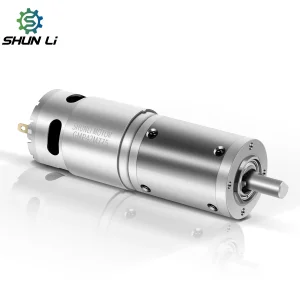
Shunli 24v 70w Planetary High Torque Brush Motor Speed Commutator Dc Gear Controller Electric Gearbox Motor for Drone
Technical Specifications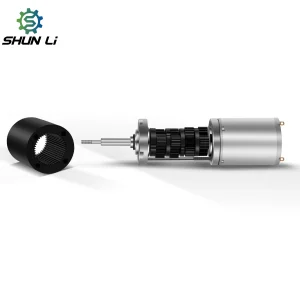
28mm 12v Dc Planetary Geared Motor 60 Rpm 24v Brushed 385SP DC Motor
Technical Specifications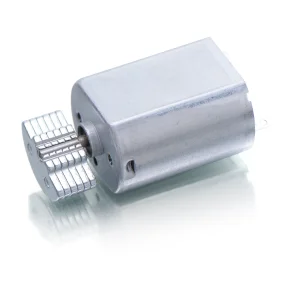
China Guangdong Supplier Carbon Brushes Electric Toy Car Massager SFF-130SA 6v Dc Vibration Motor
Technical Specifications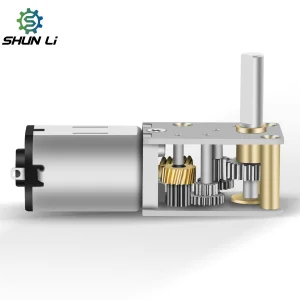
TWG1220-N20 N20 Mini Dc Worm Gear Motor 5v for 3D Printing Pen
Technical Specifications