Featured Precision Drive Solutions (Batch A)
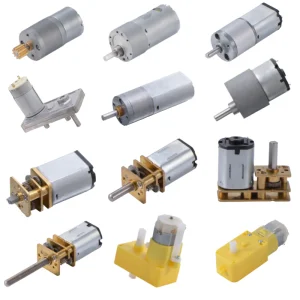
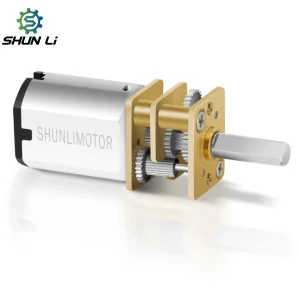
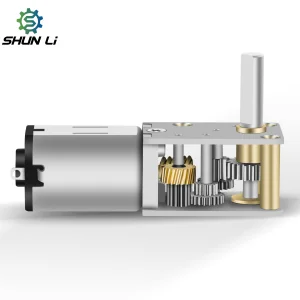
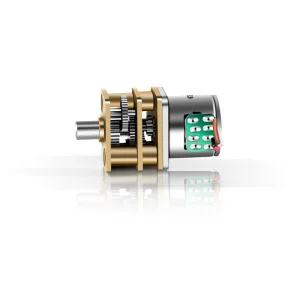
Explore our top-tier micro AC/DC motors, customized worm gears, and planetary assemblies engineered for heavy torque profiles.
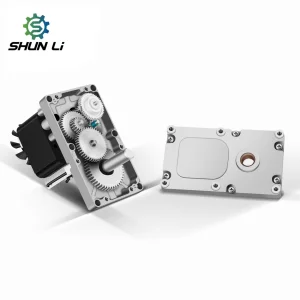
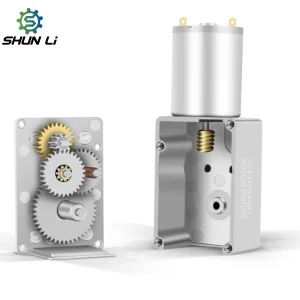
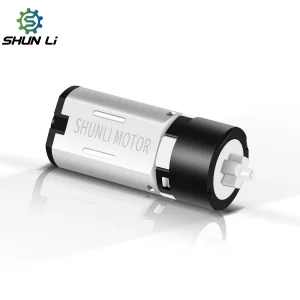
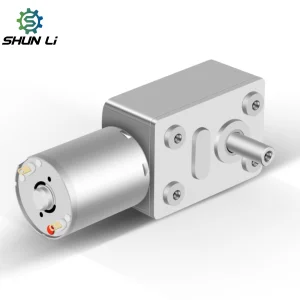
The Core of Precision Motion: Inside Vira Micromotor
At Vira Micromotor, we believe that the industry-wide transition toward miniaturization should never result in compromised torque density or reliability. As a premier manufacturer specializing in high-performance Micro DC Motors, DC Gear Motors, and Brushless DC Motors (BLDC), we have spent twenty years mastering the complex engineering physics of miniature motion control systems.
Operating from our state-of-the-art, ISO9001-certified manufacturing facility, Vira Micromotor bridges the gap between China’s absolute supply chain efficiency and international engineering standards. Our micro-drive systems are selected by global OEM design teams and industrial procurement managers across smart home automation, medical devices, defense micro-actuators, automotive electronics, and robotic segments. We deliver an exceptional power-to-size ratio, ultra-low acoustic signatures, and operational lifespans that withstand demanding duty cycles.
We do not merely manufacture standardized stock products. Vira Micromotor thrives on the challenge of flexible OEM/ODM custom-engineered solutions. Backed by our elite in-house R&D division which holds numerous drive-technology patents, we facilitate rapid prototyping and transparent, engineer-to-engineer collaboration. From winding modifications and custom shaft configurations to exotic gear ratio optimizations, we build the precise motion hardware around which your product's architecture is anchored.
Stepper & Micro-Drive Technical Roadmap
Understanding the transition from traditional stepper designs to intelligent, closed-loop motion architectures.
As automation requirements demand higher speeds and tighter positional accuracy, the traditional boundary between open-loop stepper motors and high-cost servo systems is dissolving. Our engineering roadmap addresses the core challenges of modern industrial motion designs.
Optimized Magnetic Circuits
Utilizing sintered NdFeB (Neodymium Iron Boron) magnets and optimized stator geometry to minimize detent torque. This configuration yields a significant reduction in cogging vibration and enhances micro-stepping accuracy below +/-0.05 degrees.
Thermal Dispersion Engineering
High-duty micro steppers face extreme thermal stress. We integrate high-temperature rated insulation classes (Class B, F, and H) combined with specialized housing heat-sinks to prevent demagnetization under peak performance conditions.
Integrated Sensor Feedback
To eliminate steps loss, we construct micro steppers with integrated high-resolution magnetic encoders. This closes the control loop, allowing drive electronics to adjust drive currents dynamically based on real-time load shifts.
Industrial Micro-Step Motor Technical Reference Map
| Stator Frame Size (mm) | Standard Step Angle (°) | Rated Input Voltage (V DC) | Holding Torque Range (mN.m) | Optimal Operating Temperature Range | Primary Industrial Applications |
|---|---|---|---|---|---|
| GM12 (Φ12mm) | 18° (Gear ratio dependent) | 5V - 12V | 15 - 120 mN.m | -20°C to +80°C | Smart Locks, Medical Dosing, Optical Focus Drives |
| N20 (Miniature) | 15° / 18° | 3V - 12V | 30 - 250 mN.m | -30°C to +85°C | Consumer Electronics, Surveillance Gimbals |
| N30 Series | 7.5° / 15° | 12V - 24V | 50 - 450 mN.m | -20°C to +90°C | Automotive Actuators, Smart Home Appliances |
| Planetary BLDC Series | Continuous Control | 12V - 24V | Up to 10 N.m (Geared) | -40°C to +105°C | Robotics Joints, Exoskeletons, HVAC Actuation |
Solving Complex Micro-Motion Challenges
Customized torque, speed, and positioning architectures built to survive high-vibration and extreme-temperature profiles.
Smart Home Access & Lock Controls
Electronic locks require instantaneous torque release and high back-drive resistance in compact envelopes. Our micro-geared motor configurations are field-proven to survive over 500,000 actuation cycles while preserving battery life through low stall current draws.
Medical Infusion & Precision Dosing
In medical diagnostics and insulin delivery, microstepping control translates to life-saving volumetric accuracy. Vira Micromotor engineers drive architectures with close-tolerance gearboxes, assuring zero-backlash operation and absolute volume consistency.
Industrial Robotics & Exoskeletons
Joint actuators in exoskeletons require miniature brushless motors with planetary gearboxes that provide extreme torque multipliers. We provide dynamic, encoder-equipped joint motors designed to handle momentary radial overloads and directional reversals.
Factory Operations & Workflow
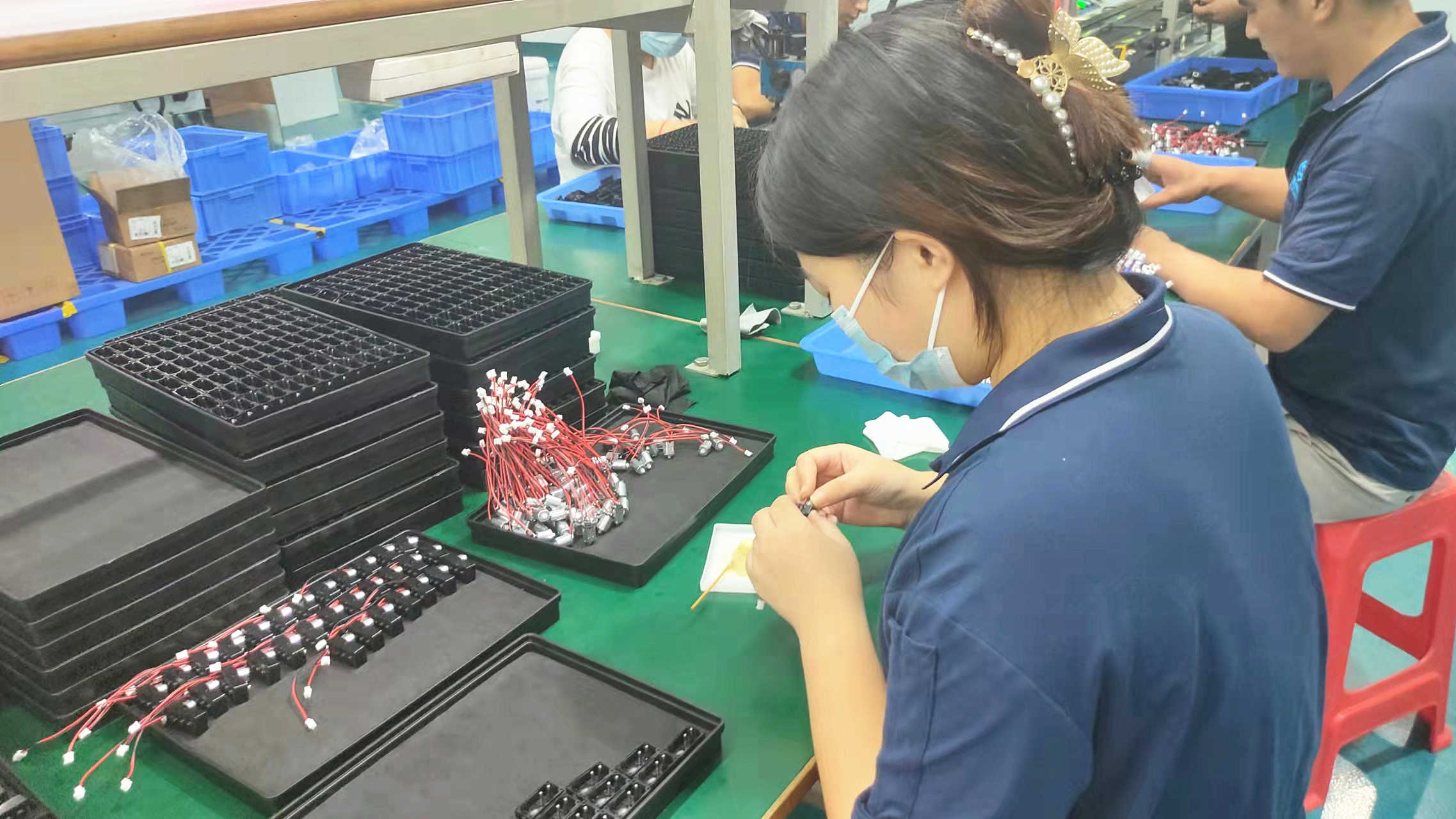
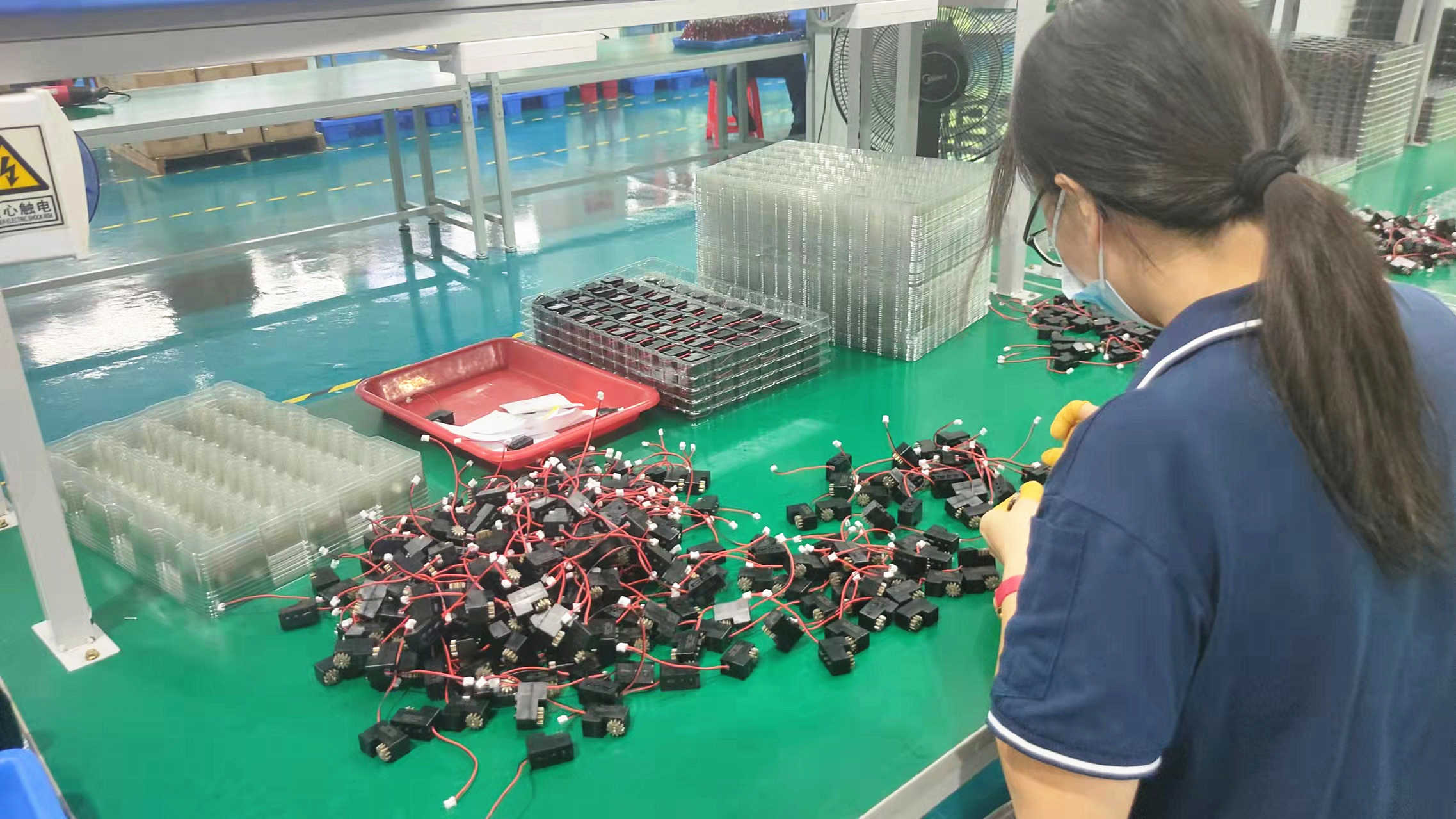
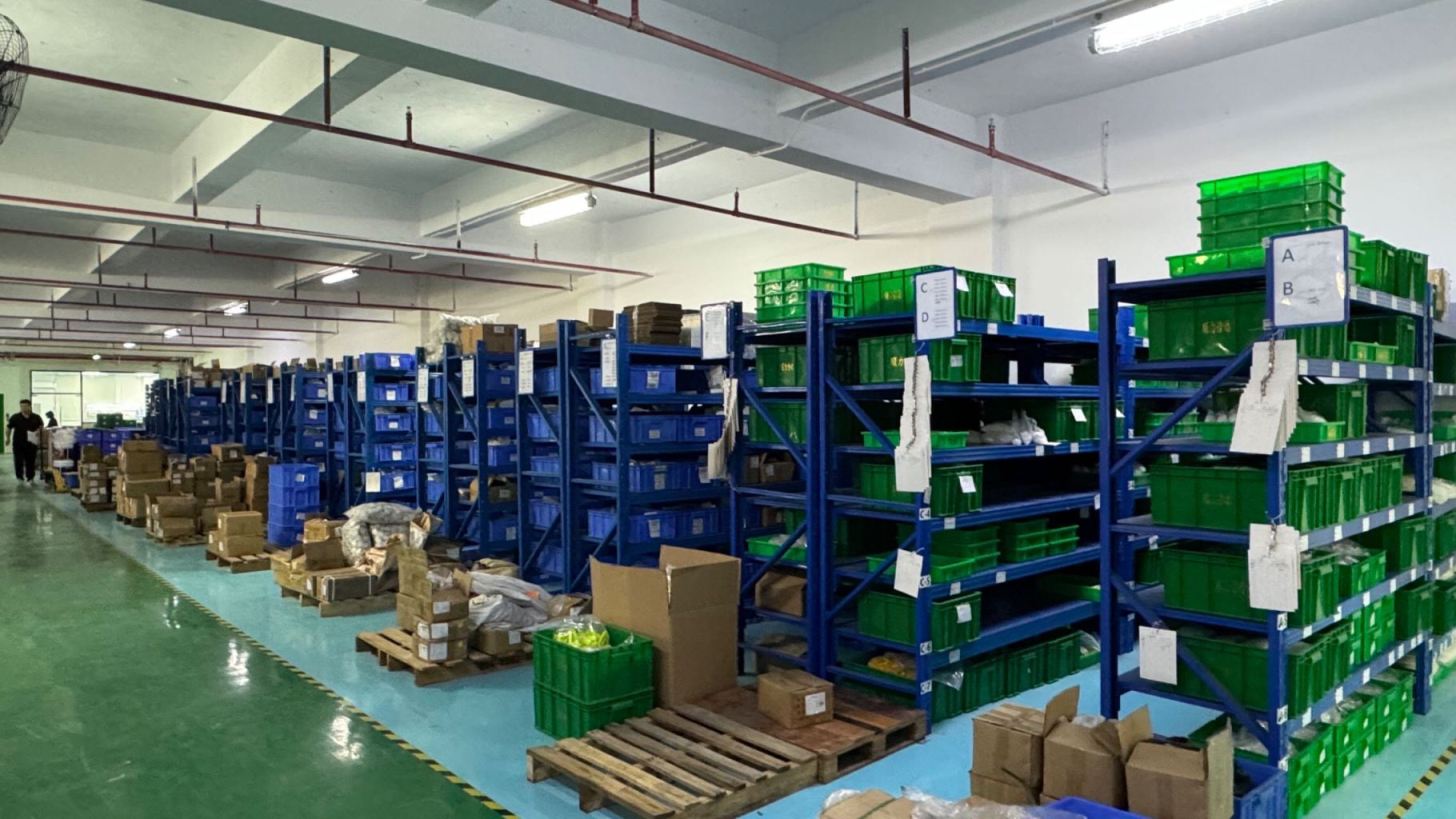
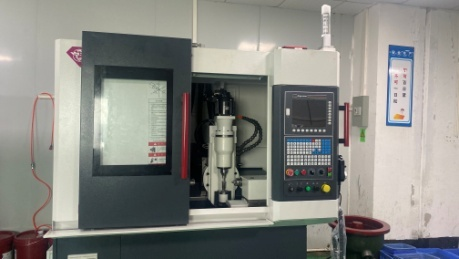
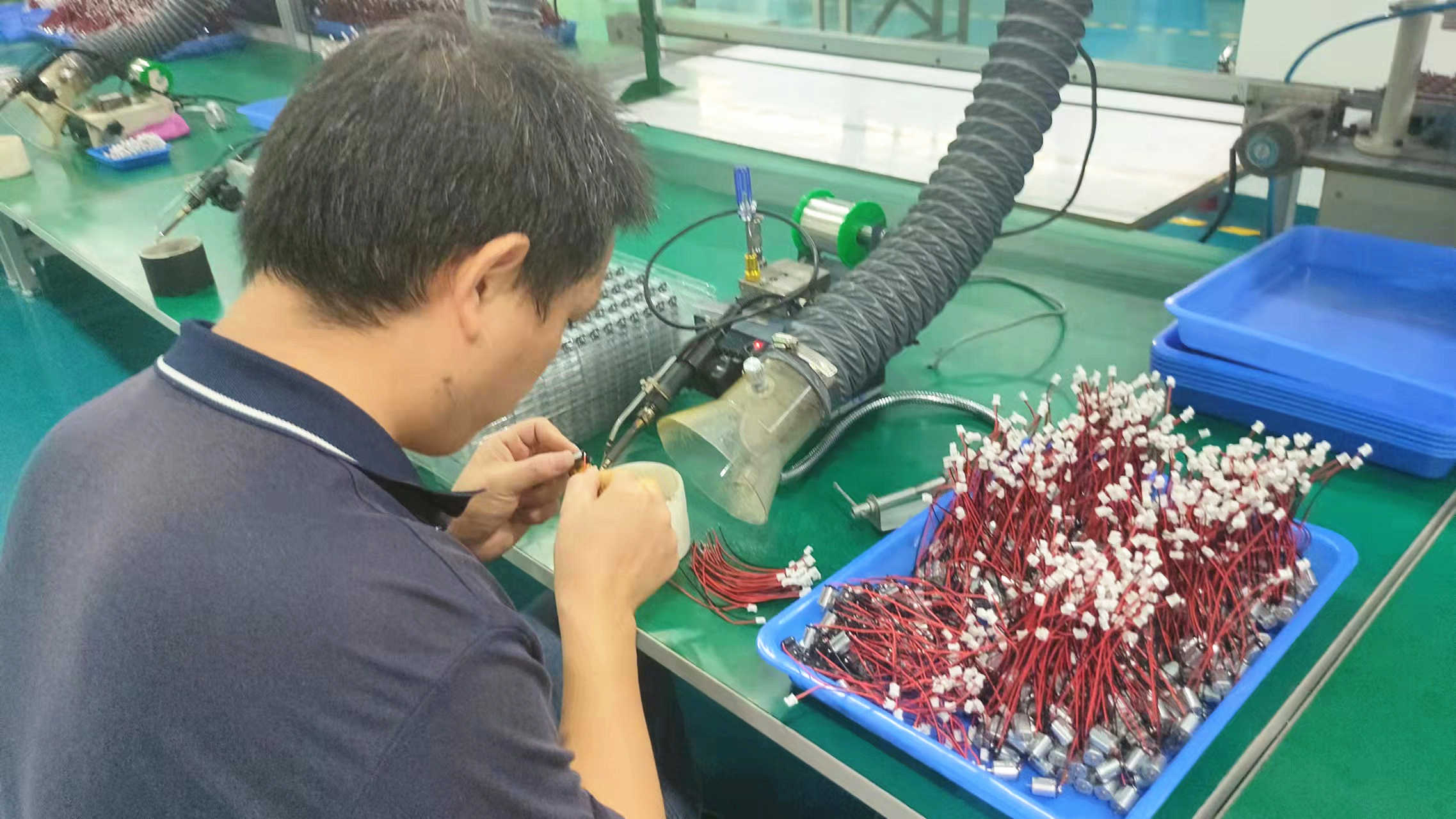
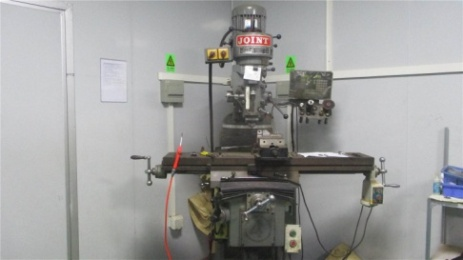
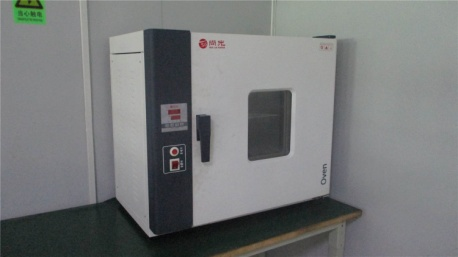
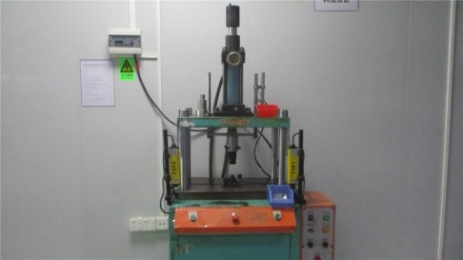
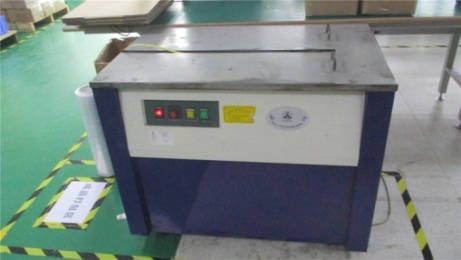
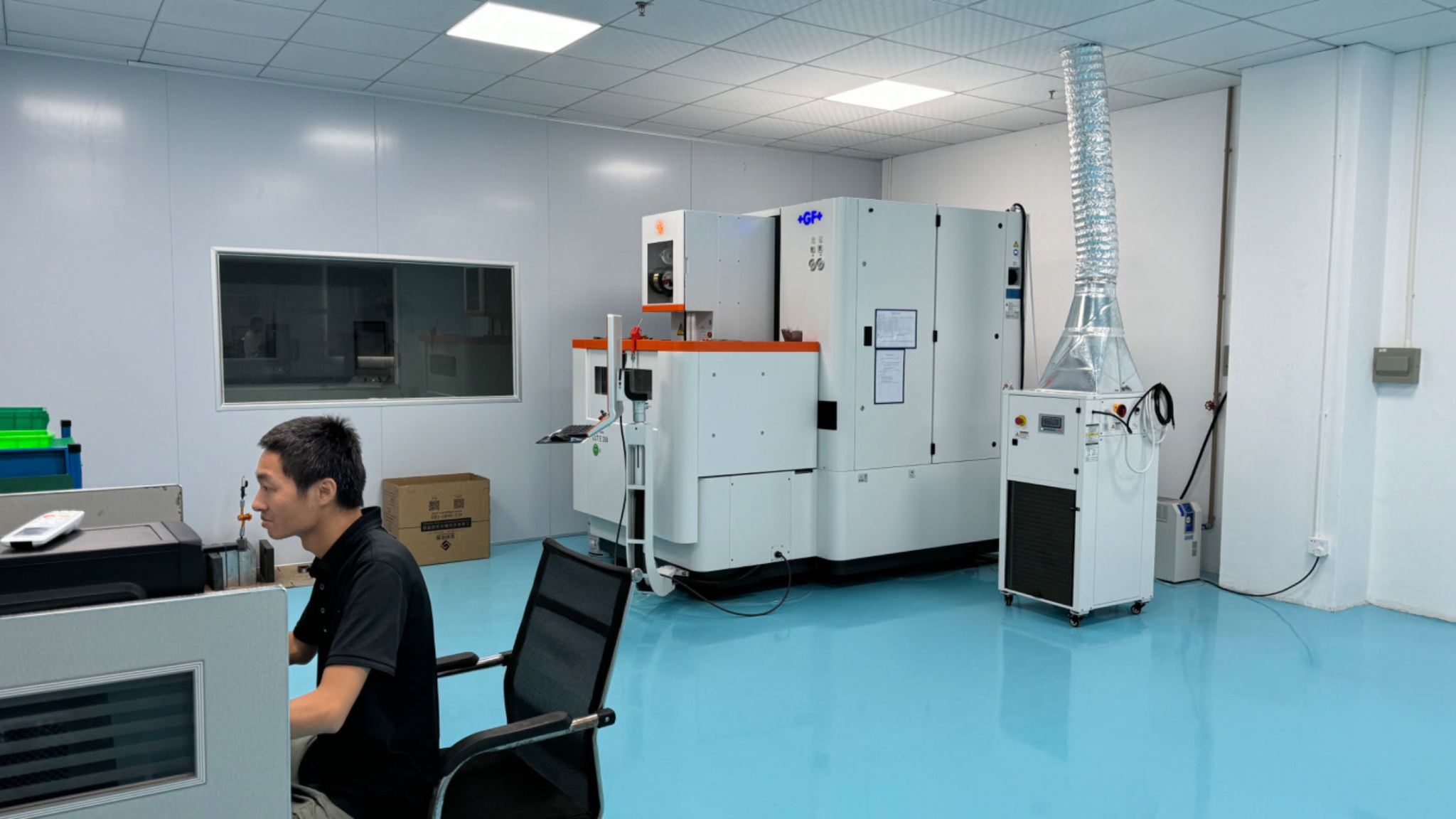
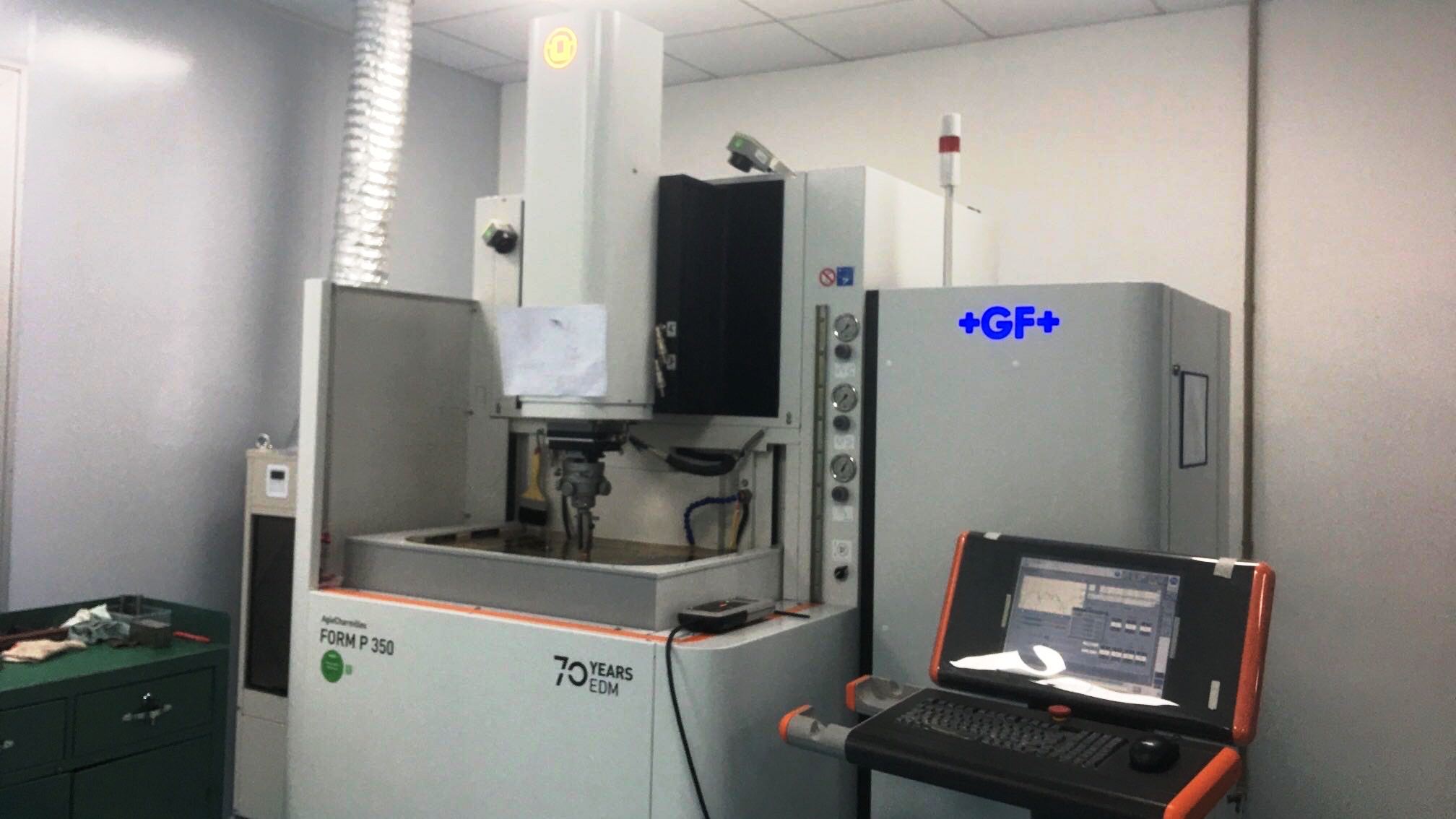
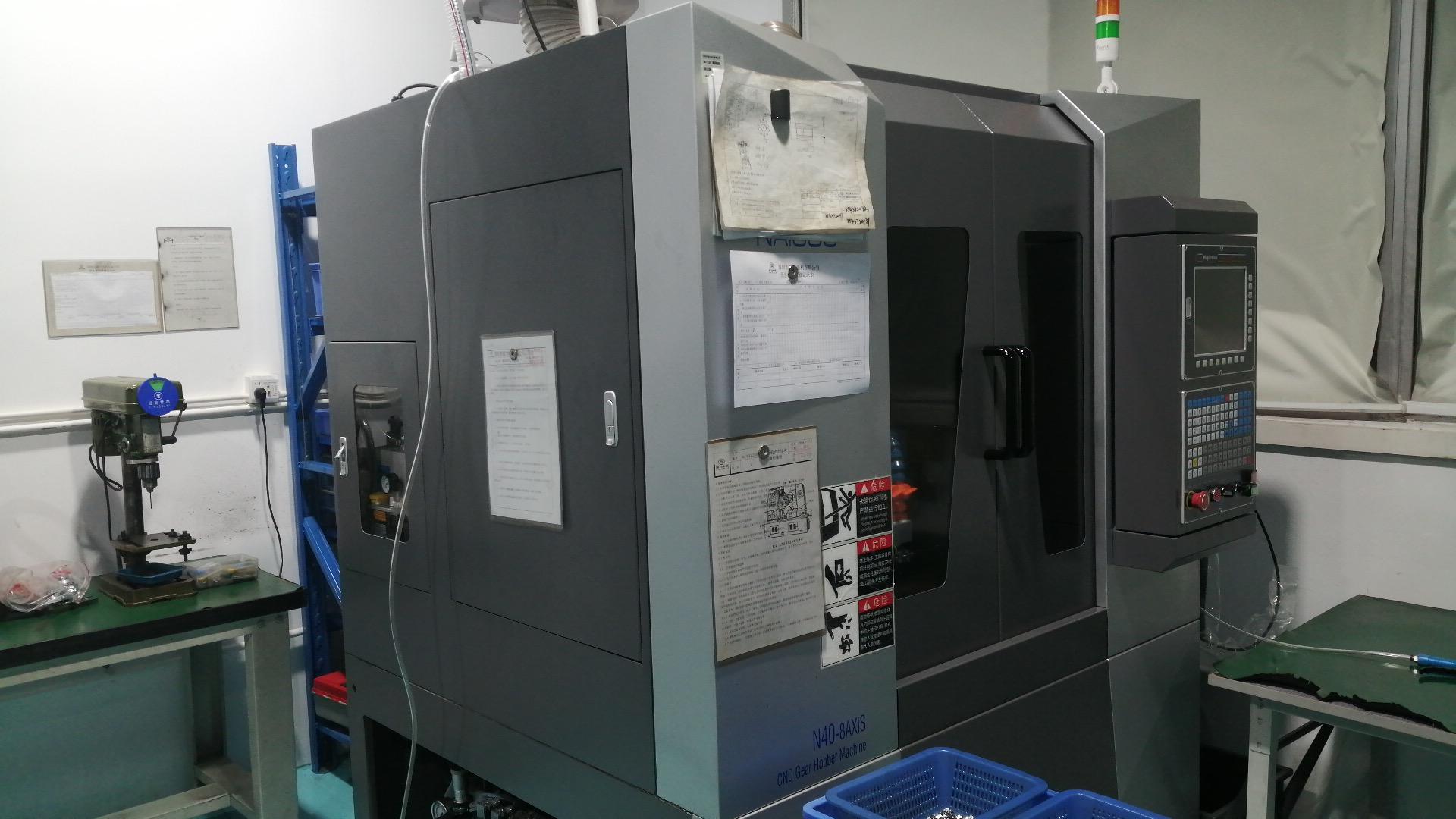
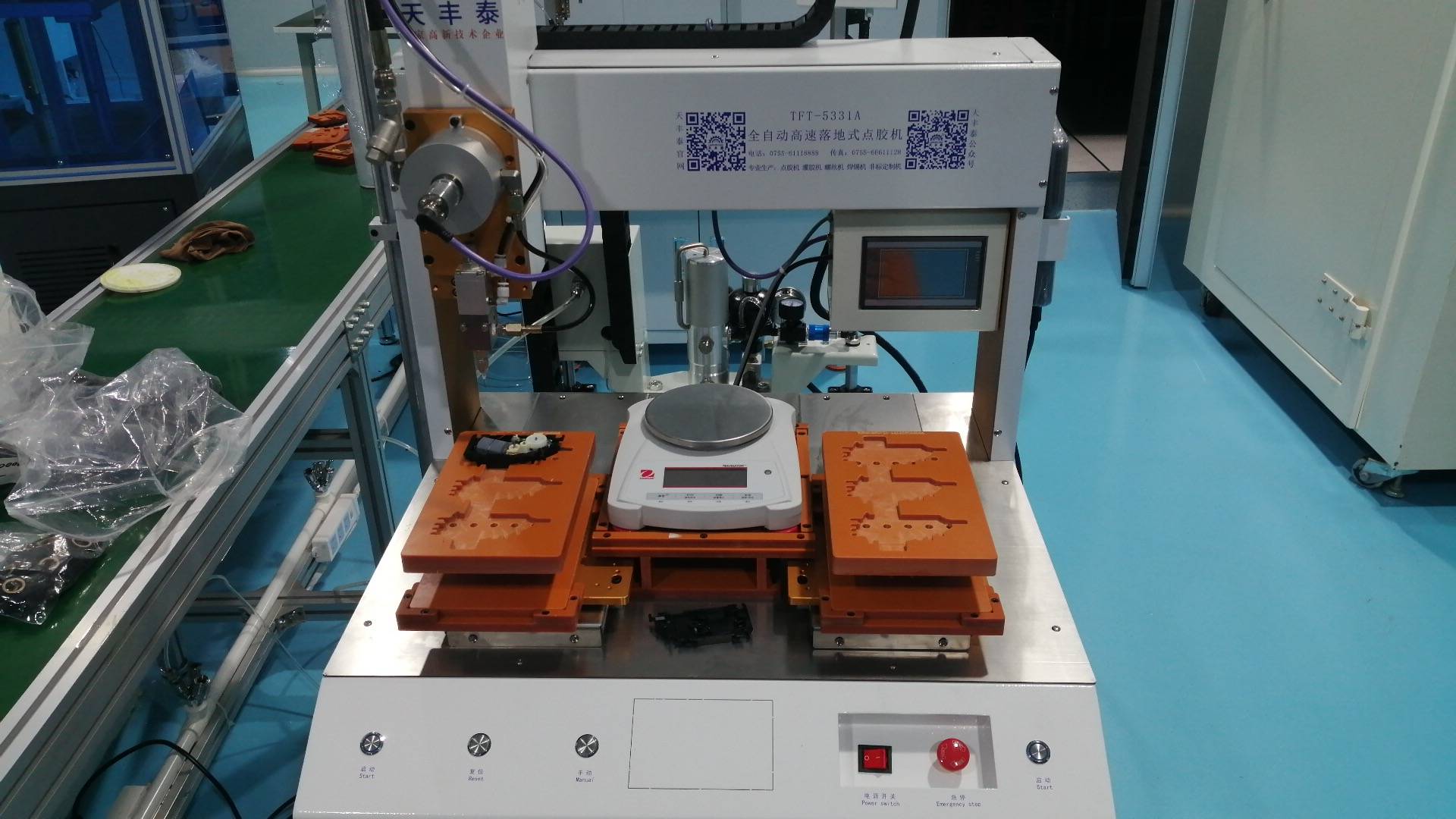
China Factory 4.0: Machining & Gear Fabrication Inventory
Our hardware configuration underpins the physical repeatability of every motor shaft, pinion, and housing we output.
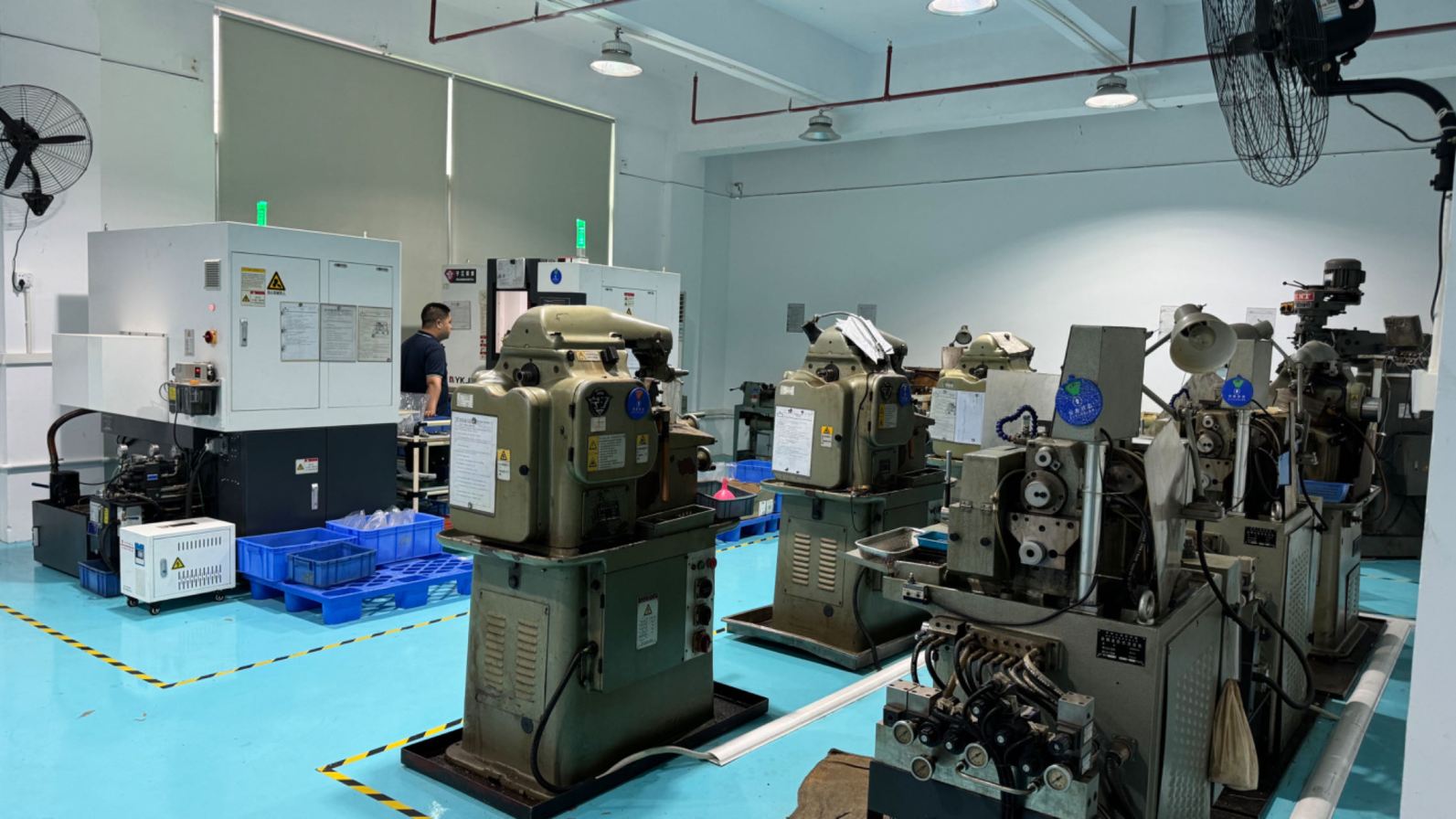
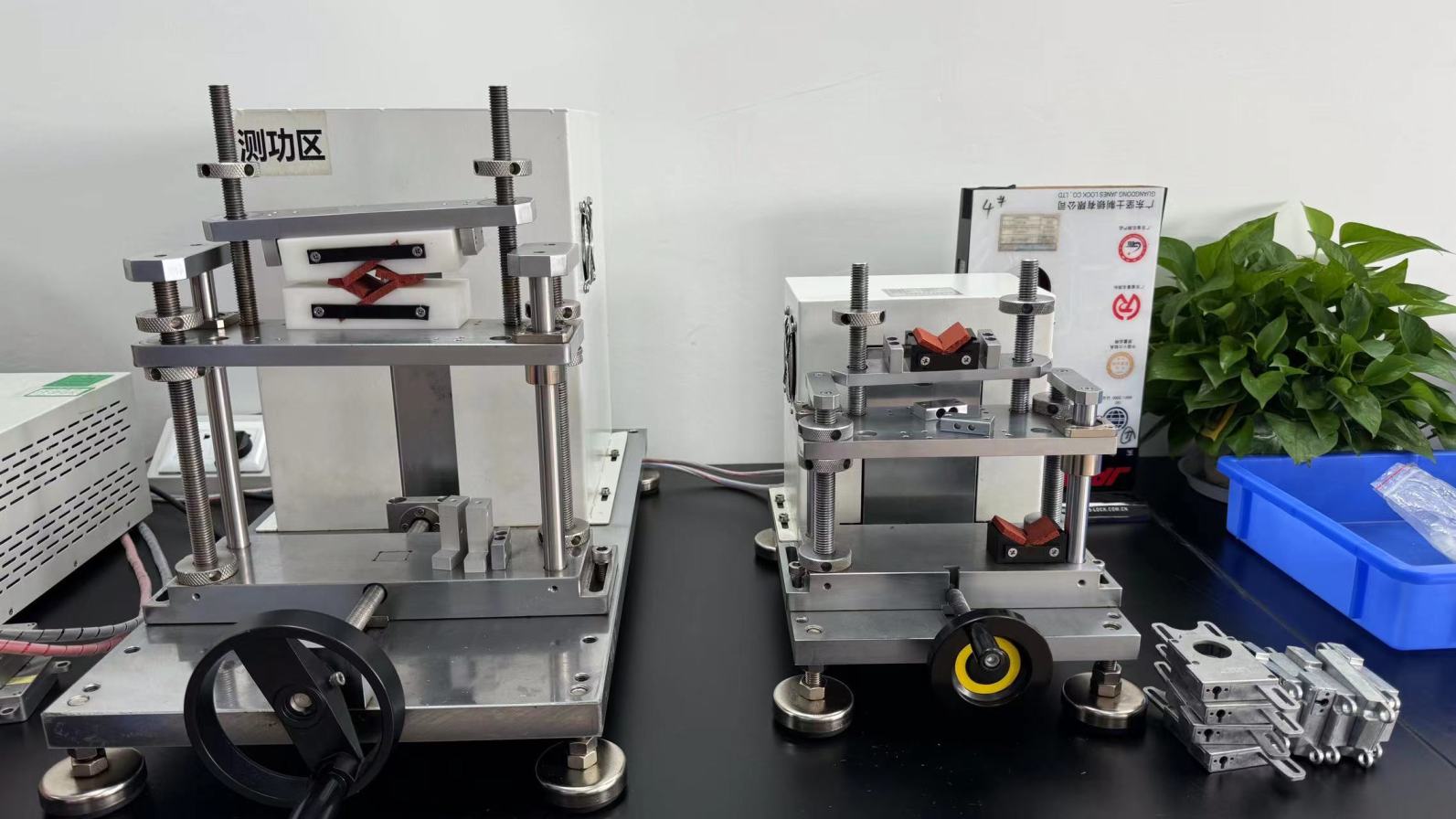
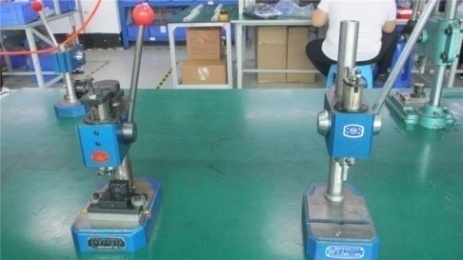
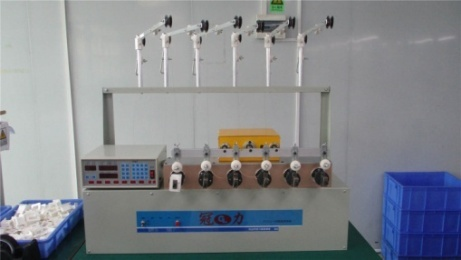
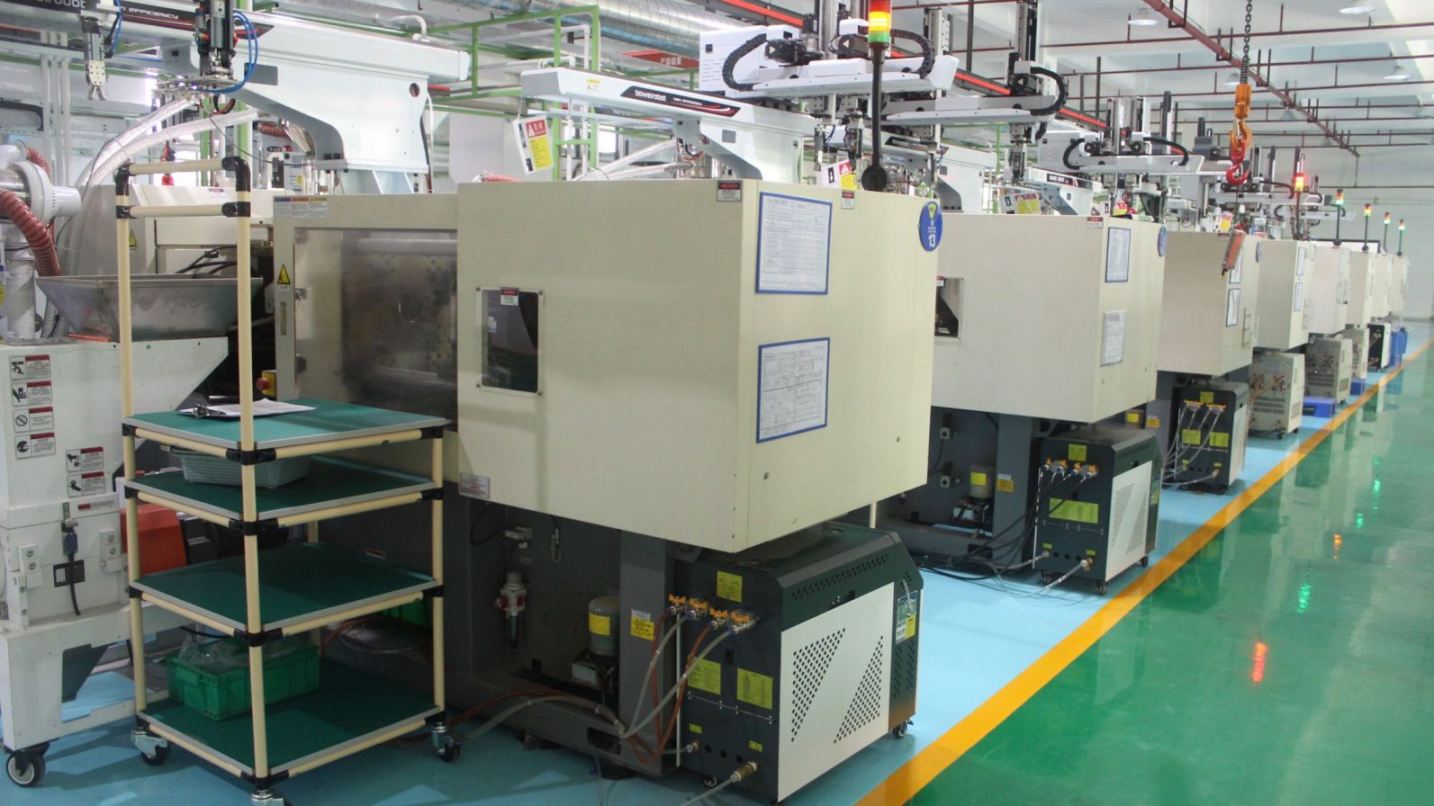
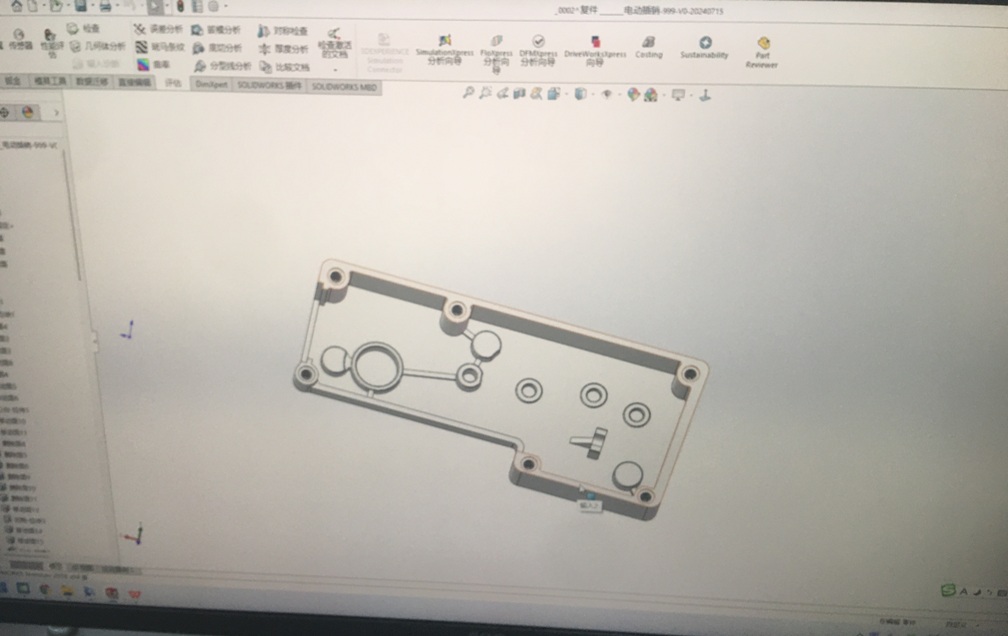
Precision in micro-motion control is determined by micron-level mechanical tolerances. Vira Micromotor leverages high-precision manufacturing equipment, from computer-controlled wire windings to Japanese and Swiss-made horizontal gear hobbing setups. This level of process integration guarantees that our gear reducers sustain consistent runout profiles and minimized backlash.
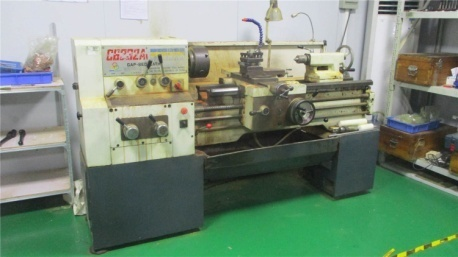
Heavy Tooling & Precision Machining Center
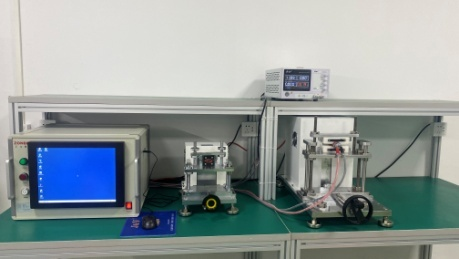
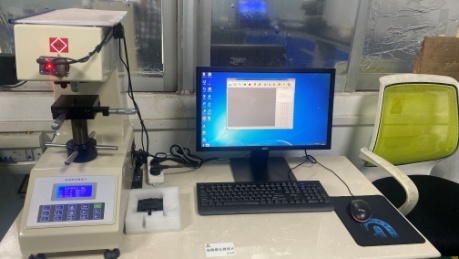
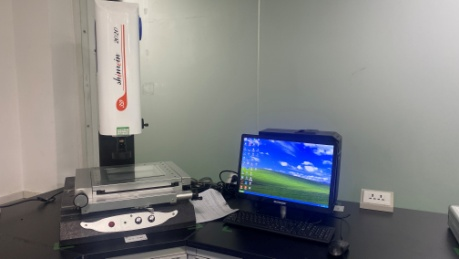
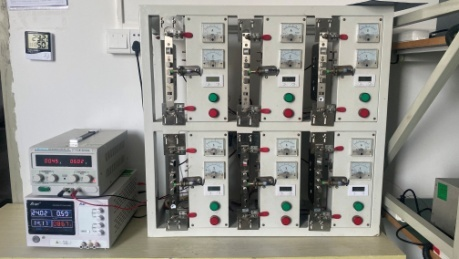
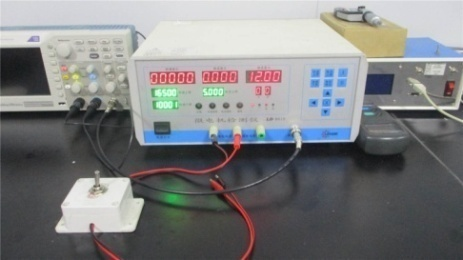
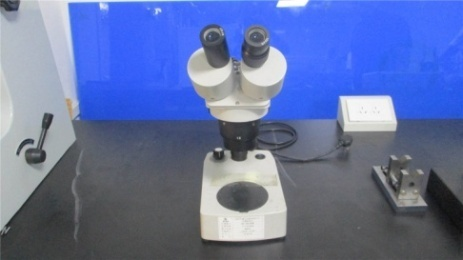
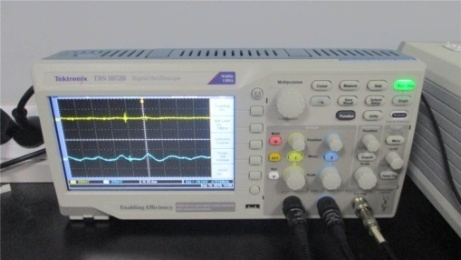
Metrology & Quality Assurance Infrastructure
Validating performance envelopes under simulated extreme operating pressures and environmental cycles.
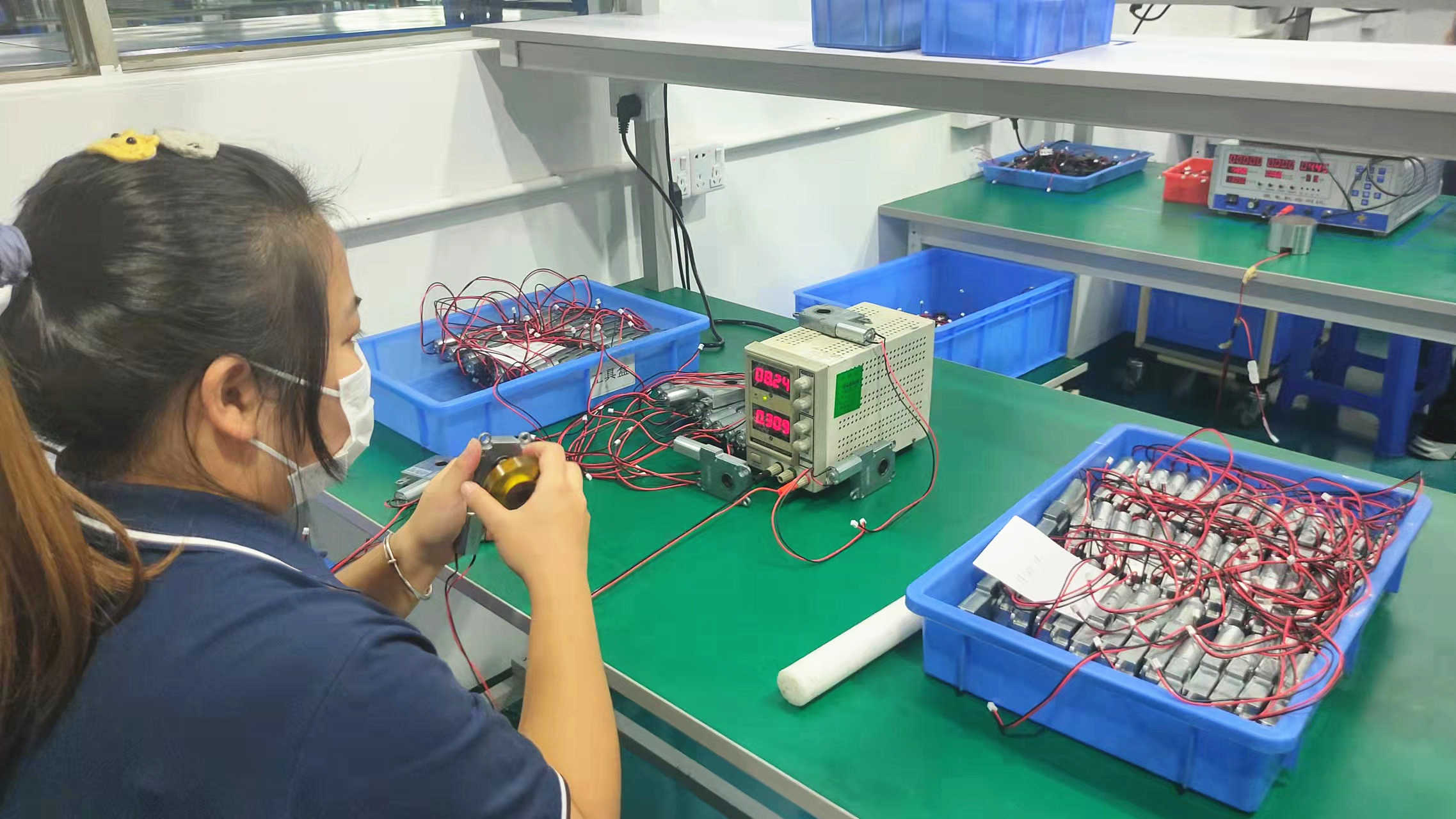
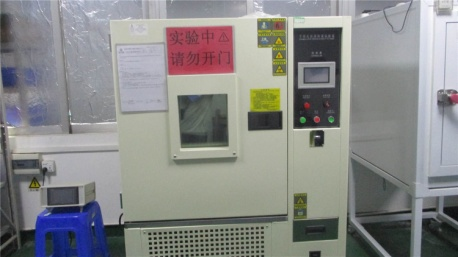
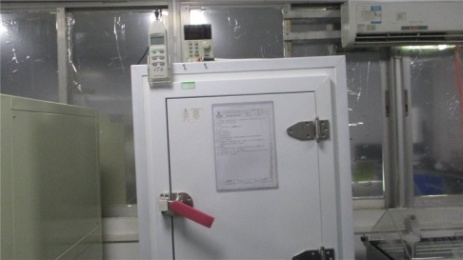
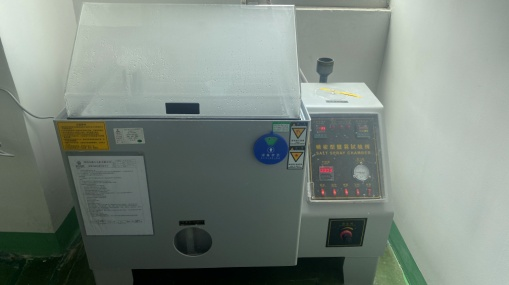
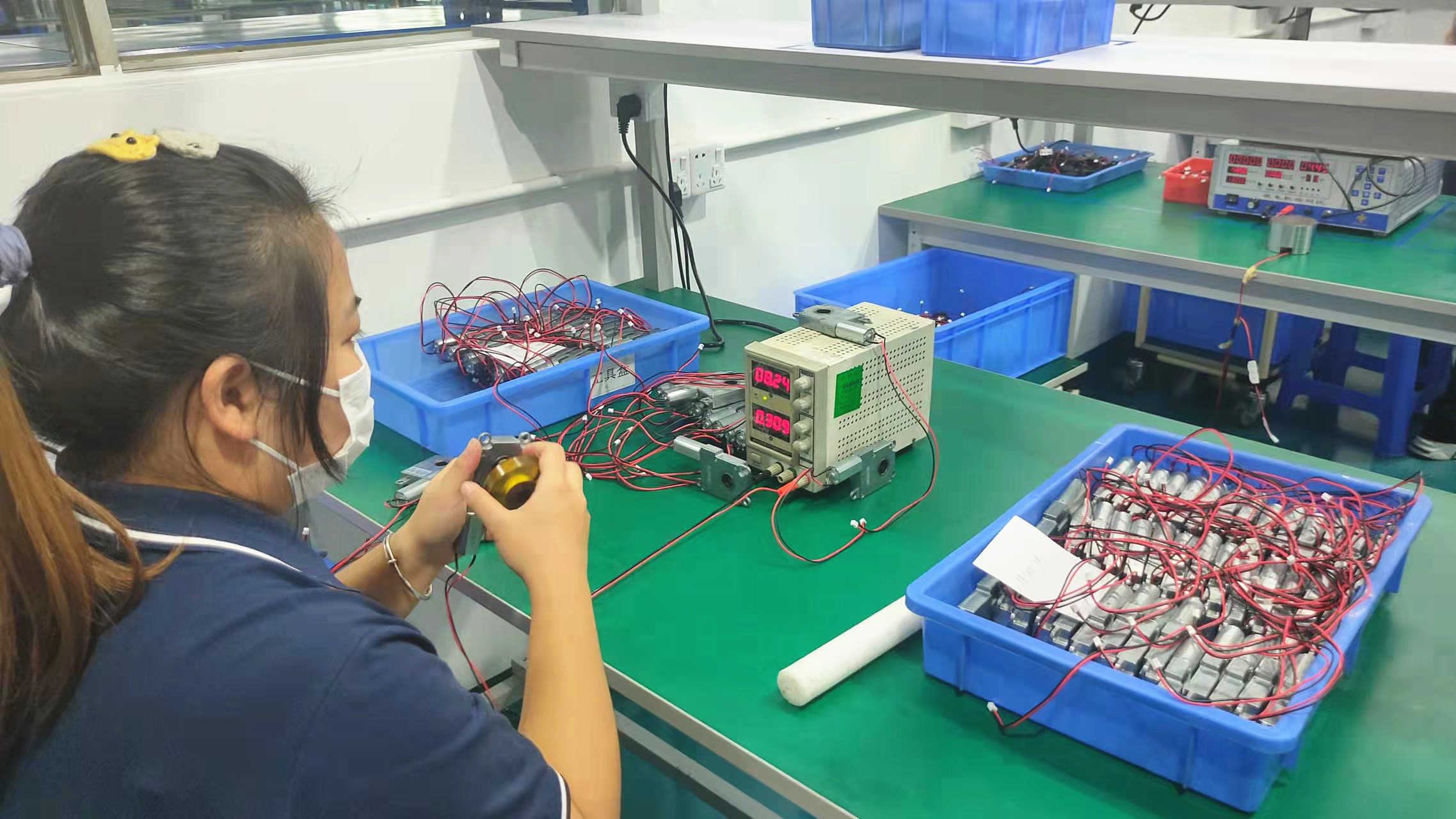
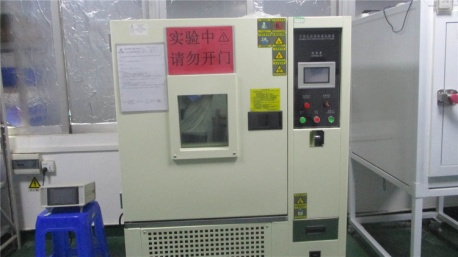
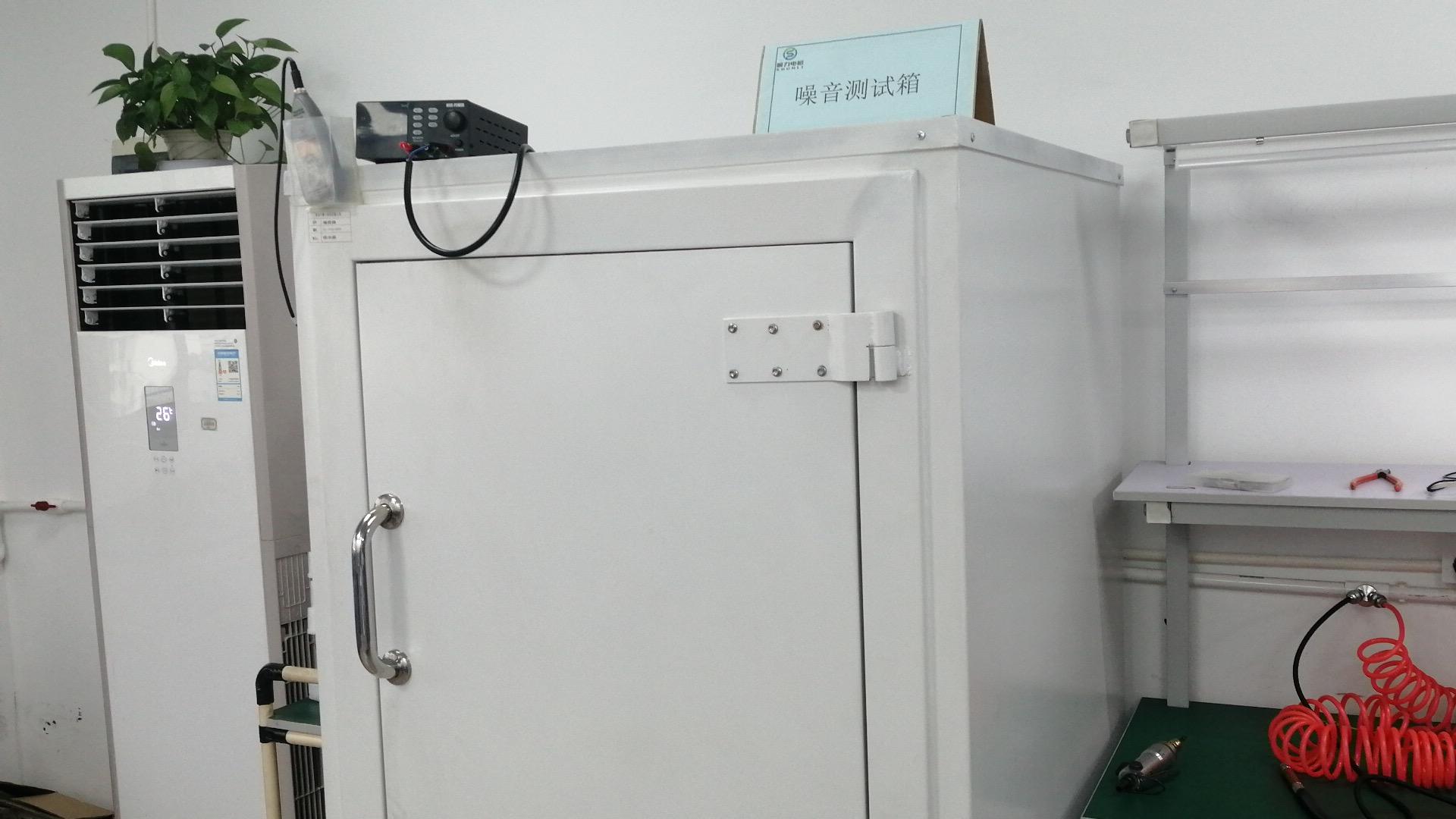
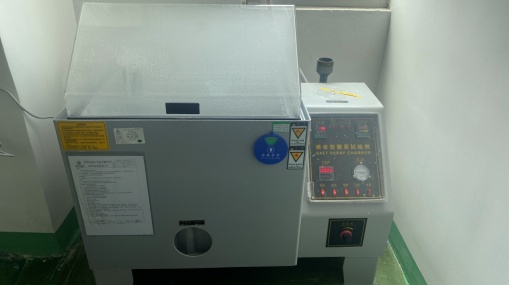
Quality validation at Vira Micromotor is built on physical data. Each design undergoes environmental testing in our climate-controlled chambers, salt-spray corrosion tests, and micro-acoustic evaluations. This testing ensures that our OEM/ODM motors perform reliably across global logistics and operation phases.
Metrology & Diagnostic Equipment Laboratory
Global Procurement Needs & Localized Compliance Support
For international procurement directors, securing a component supplier involves managing regulatory compliance, raw material pricing dynamics, and logistics risk.
Environmental Compliance
All drive assemblies are manufactured in compliance with RoHS 3 (Directive 2015/863/EU) and REACH regulations, avoiding the use of hazardous substances and facilitating entry into North American and European Union markets.
Conflict-Free Material Audits
We audit our supply partners to confirm that all permanent magnetic elements (including Neodymium, Samarium-Cobalt) and copper deposits are sourced from verified, conflict-free operations.
Lead-Time Optimization
By maintaining safety stocks of specialized laminations and magnetic rings, we reduce standard OEM lead times to 4-6 weeks, backed by localized customs clearance partnerships.
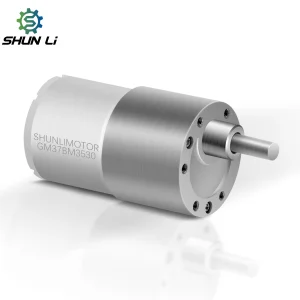
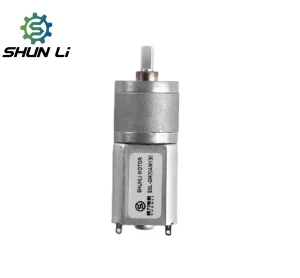
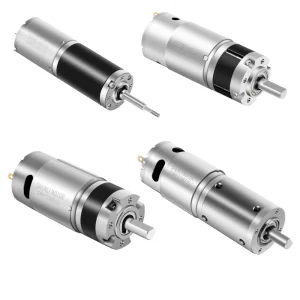
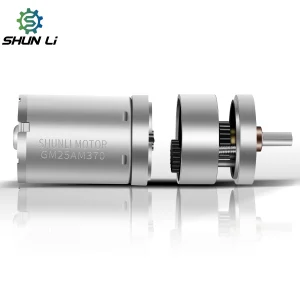
Featured Precision Drive Solutions (Batch B)
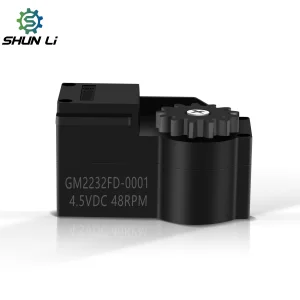
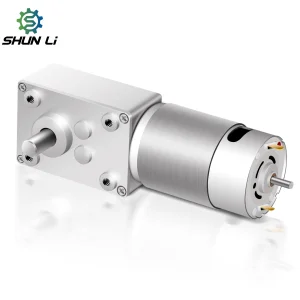
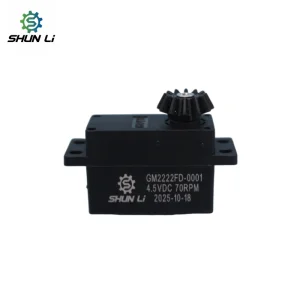
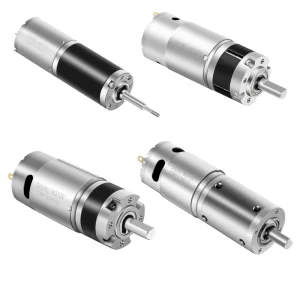
Browse our secondary selection of micro brush gear drives, permanent magnet step systems, and high-voltage actuators.
Technical & Sourcing Questions (FAQ)
Answering complex questions on micro-drives, torque losses, and precision customization protocols.
What is the primary factor limiting the holding torque of miniature stepper motors?
Holding torque in miniature steppers is limited by core magnetic saturation and thermal dissipation. As stator dimensions shrink, the available area for copper windings decreases, raising phase resistance. To counteract this, Vira Micromotor uses high-grade sintered NdFeB magnets with high magnetic flux densities and H-class insulation systems to maximize torque without causing thermal runaway.
How does Vira Micromotor address backlash in custom-geared stepper configurations?
Backlash is controlled by managing spatial distances between gears and using precision gear cutting. Our Japanese and Swiss horizontal gear hobbing machinery maintains gear runout within +/-0.005mm. For applications requiring minimal backlash, we supply custom-engineered planetary and worm gear assemblies featuring spring-loaded split-gear mechanisms and high-viscosity synthetic lubricants.
What testing procedures are standard for high-reliability medical/robotic drives?
Standard protocols include dynamic dynamometer testing for torque-speed curve mapping, sound testing down to <25dB inside our acoustic chambers, and environmental simulations in temperature and humidity chambers. We also perform salt-spray corrosion tests to ensure the reliability of protective surface treatments on outer metal parts.
How does customized winding affect stepper motor operating currents and voltage needs?
Altering the number of wire turns and wire gauge changes the phase inductance and DC resistance. More turns of thinner wire increase holding torque at low speeds but limit high-speed performance due to high back-EMF. Thicker wire with fewer turns reduces resistance, enabling higher speeds if sufficient current supply is available.