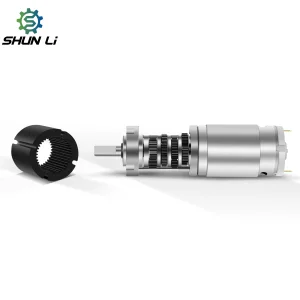
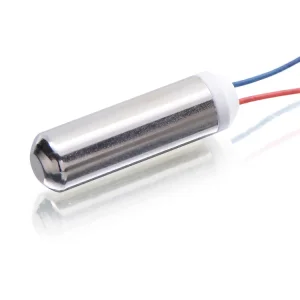
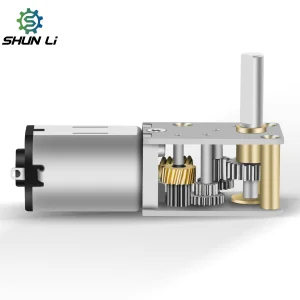
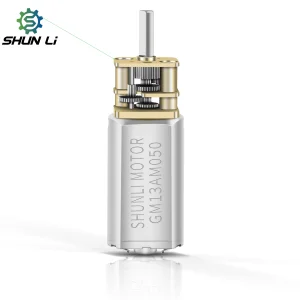
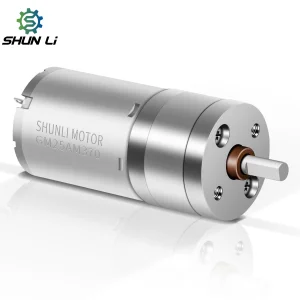
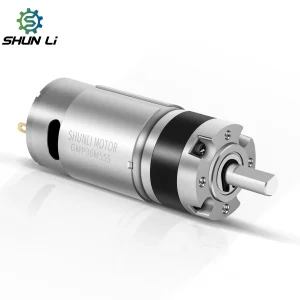
Featured Micro & Industrial Motor Range
Explore our premium grade micro drives and custom engineered motor products optimized for automated assemblies, DIY designs, and household appliances.
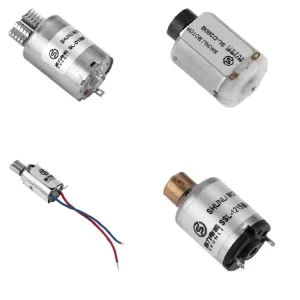
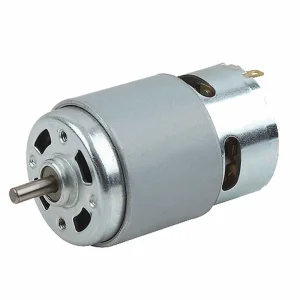
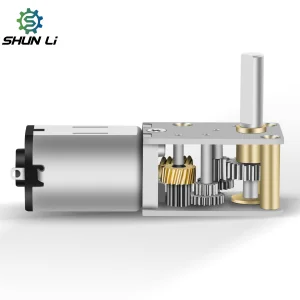
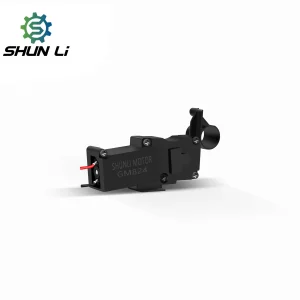
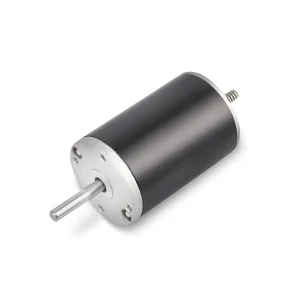
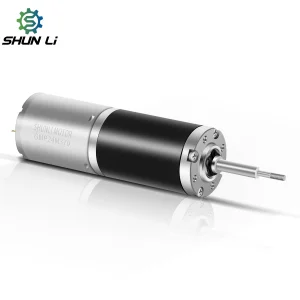
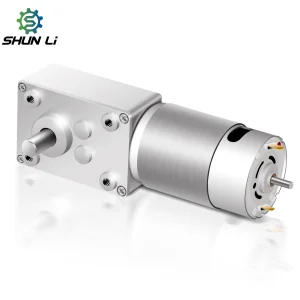
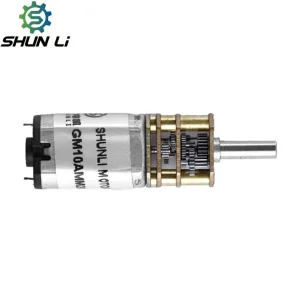
The Core of Precision Motion: Inside Vira Micromotor
At Vira Micromotor, we believe that the trend toward miniaturization shouldn't mean a compromise in power. As a premier manufacturer specializing in high-performance Micro DC Motors, DC Gear Motors, and Brushless DC Motors (BLDC), we have spent twenty years mastering the science of miniature motion control.
From our state-of-the-art, ISO9001-certified manufacturing facility, Vira Micromotor bridges the gap between China’s supply chain efficiency and global technical standards. Our micro-drives are chosen globally by product designers and procurement managers in smart home automation, automotive electronics, medical hardware, and robotics for their exceptional power-to-size ratio, whispering-quiet acoustics, and ultra-long lifespans.
We don’t just stamp out standard components—Vira Micromotor thrives on flexible OEM/ODM custom-engineered solutions. Powered by an elite in-house R&D team holding multiple drive-tech patents, we provide rapid prototyping and seamless technical collaboration. From specific voltage tuning and specialized gear ratios to custom shaft modifications, we engineer the precise Vira Micromotor around which your next innovation will revolve.
Global Linear Motor Commercial & Industrial Landscape
Analyzing the paradigm shift from traditional rotary-to-linear conversion systems to direct-drive linear motion technology.
1. Market Dynamism and Modern Trajectory
The demand for precision linear motors has escalated exponentially. Across industrialized nations, engineering requirements are pivoting away from complex mechanical gear linkages, ball screws, and belts. The core limitation of traditional rotary-to-linear conversion has always been structural backlash, mechanical wear, friction hysteresis, and limited acceleration capacities.
Linear motors bypass these barriers by directly transmitting magnetic forces from the stator to the mover. This "Direct Drive" mechanism ensures instantaneous acceleration, sub-micron positional accuracies, and virtually zero mechanical wear. Today's global market demand is largely catalyzed by the semiconductor processing, rapid packaging assembly, automation logistics, and aerospace-level positioning sectors.
2. Technological Classifications in Focus
Industrial direct drive designs are categorized primarily into Ironcore Linear Motors and Ironless Linear Motors. Ironcore configurations utilize laminated steel teeth within the coil structure to maximize force output density, suitable for heavy-duty metal machining and automated industrial transfer lines.
Conversely, Ironless systems eliminate the steel laminations, completely avoiding the physical phenomenon of cogging. They are highly favored for ultra-smooth travel applications, such as medical scanning systems, optical inspection tables, and semiconductor lithography platforms where velocity ripples must be suppressed at all costs.
The Chinese Factory Efficiency Edge
Unveiling the structural, supply chain, and raw material optimization dynamics that define contemporary OEM/ODM precision manufacturing.
China’s dominance in linear motor and miniature drive fabrication is not merely a product of labor availability; it is the culmination of complete supply chain integration. The rare-earth magnets (Neodymium Iron Boron, or NdFeB) that form the heart of high-density linear motor magnetic tracks are mined, processed, and sintered locally. This geographic consolidation isolates Chinese manufacturers from volatile global raw material pricing and logistical shocks.
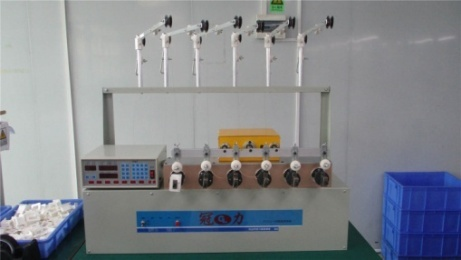
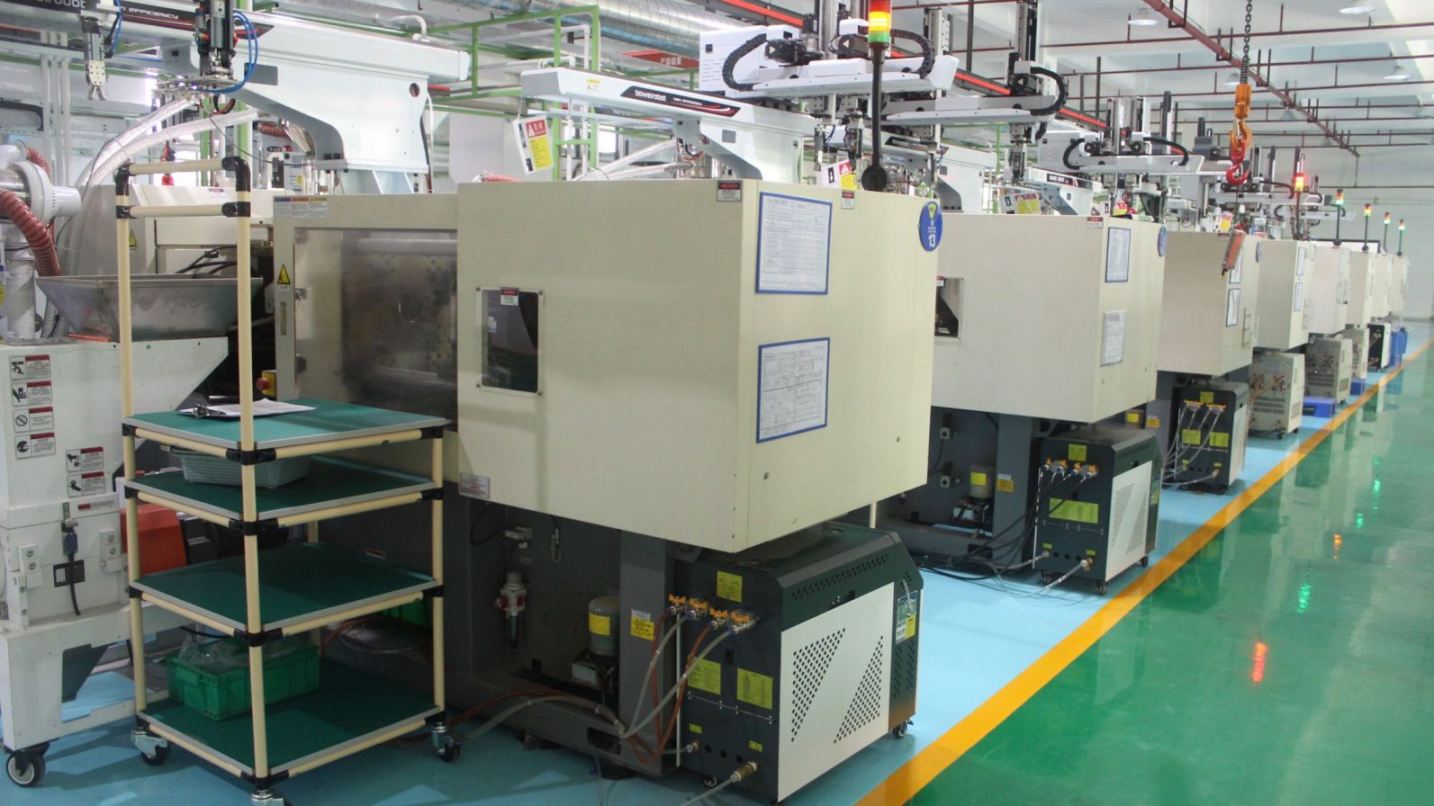
Furthermore, the clustering of secondary tooling, high-precision injection molding, CNC milling, automatic wire winding, and surface treatment facilities within rapid shipping corridors guarantees ultra-low lead times. OEM/ODM iterations that would take weeks in traditional Western manufacturing zones are resolved within days.
| Production Metric | Traditional Supply Chain | Optimized China Hub (Vira) |
|---|---|---|
| Prototyping Cycle | 6 - 8 Weeks | 2 - 3 Weeks |
| Raw Material Sourcing | Import Dependent | Local Vertical Integration |
| Customization Latency | High Cost/Slow Response | Agile R&D Integration |
| Quality Control Compliance | Varied Testing Systems | Strict ISO9001 Standard Process |
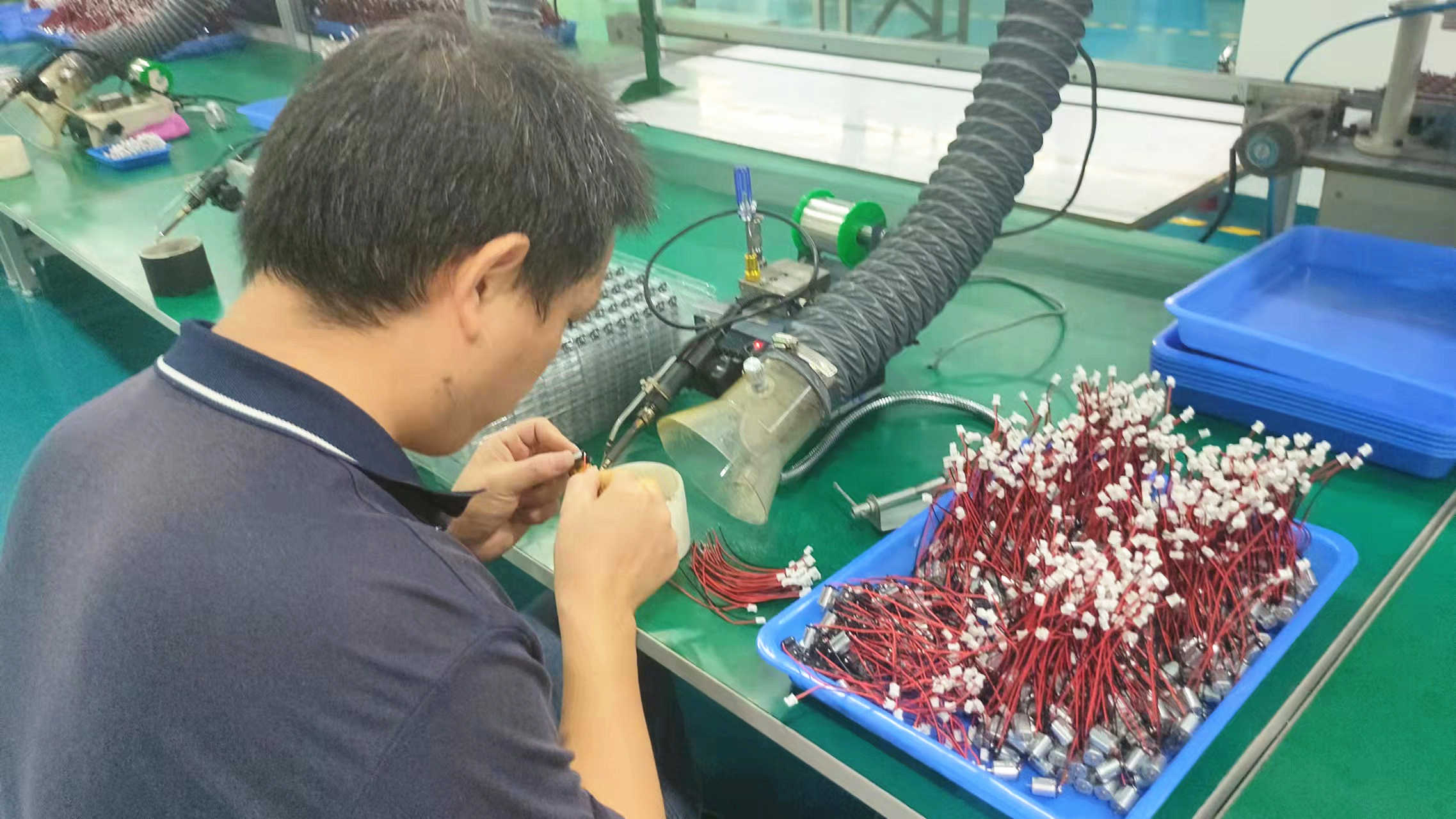
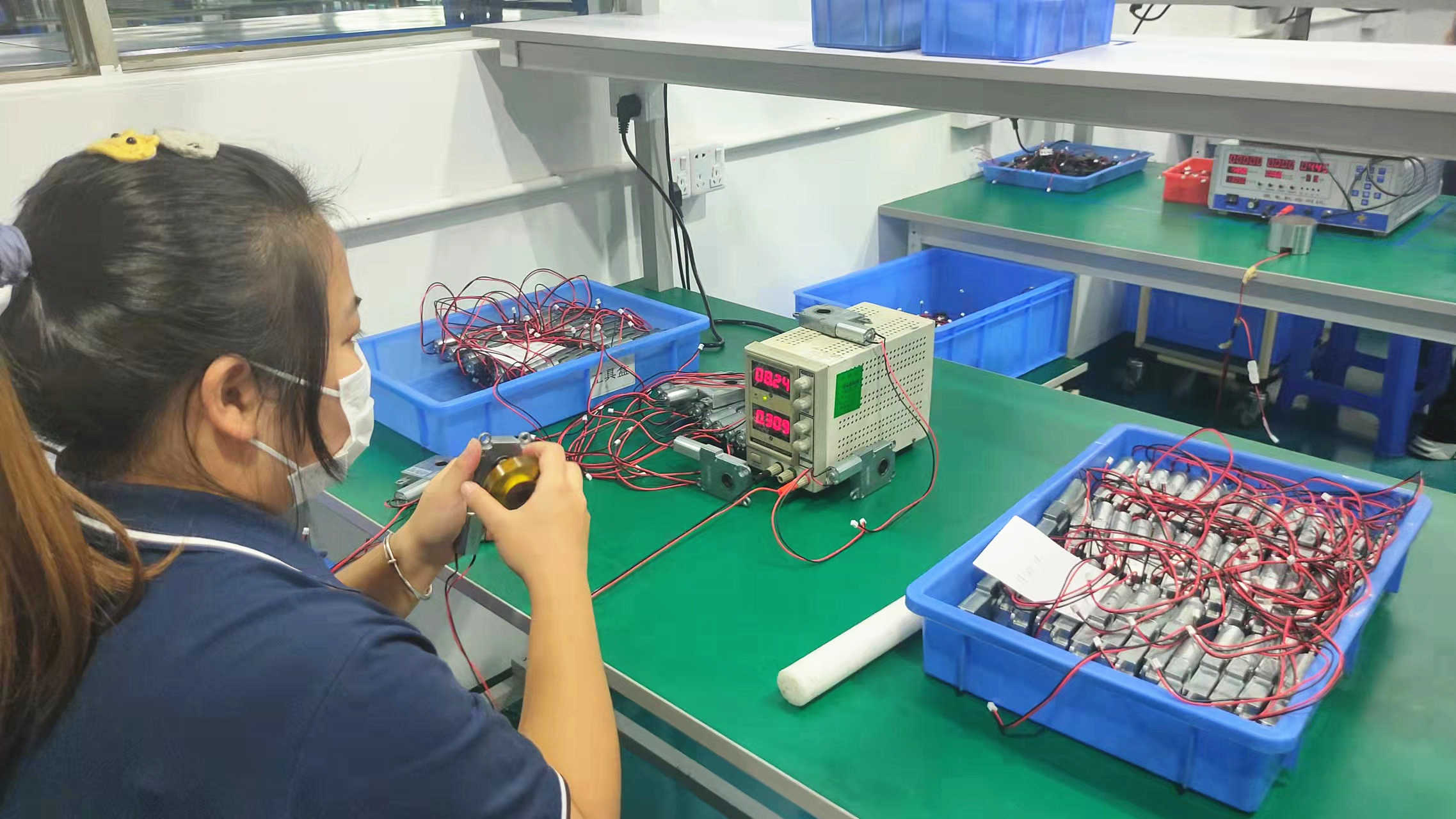
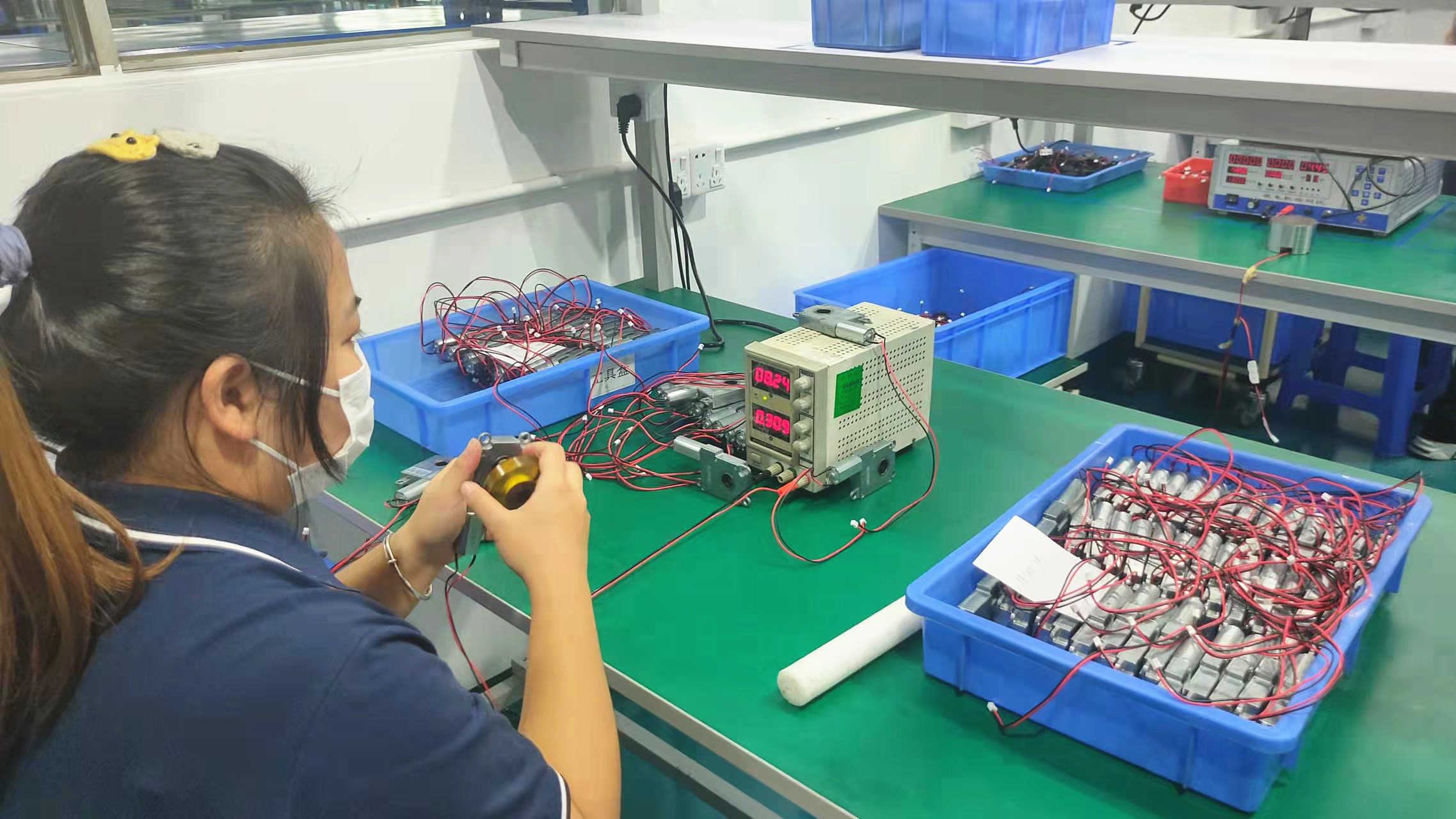
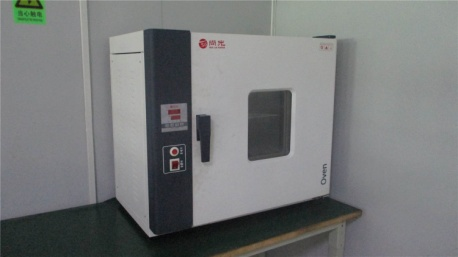
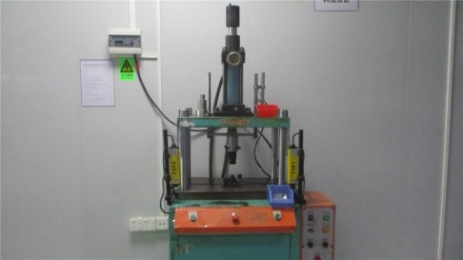
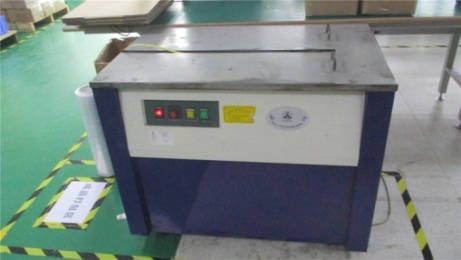
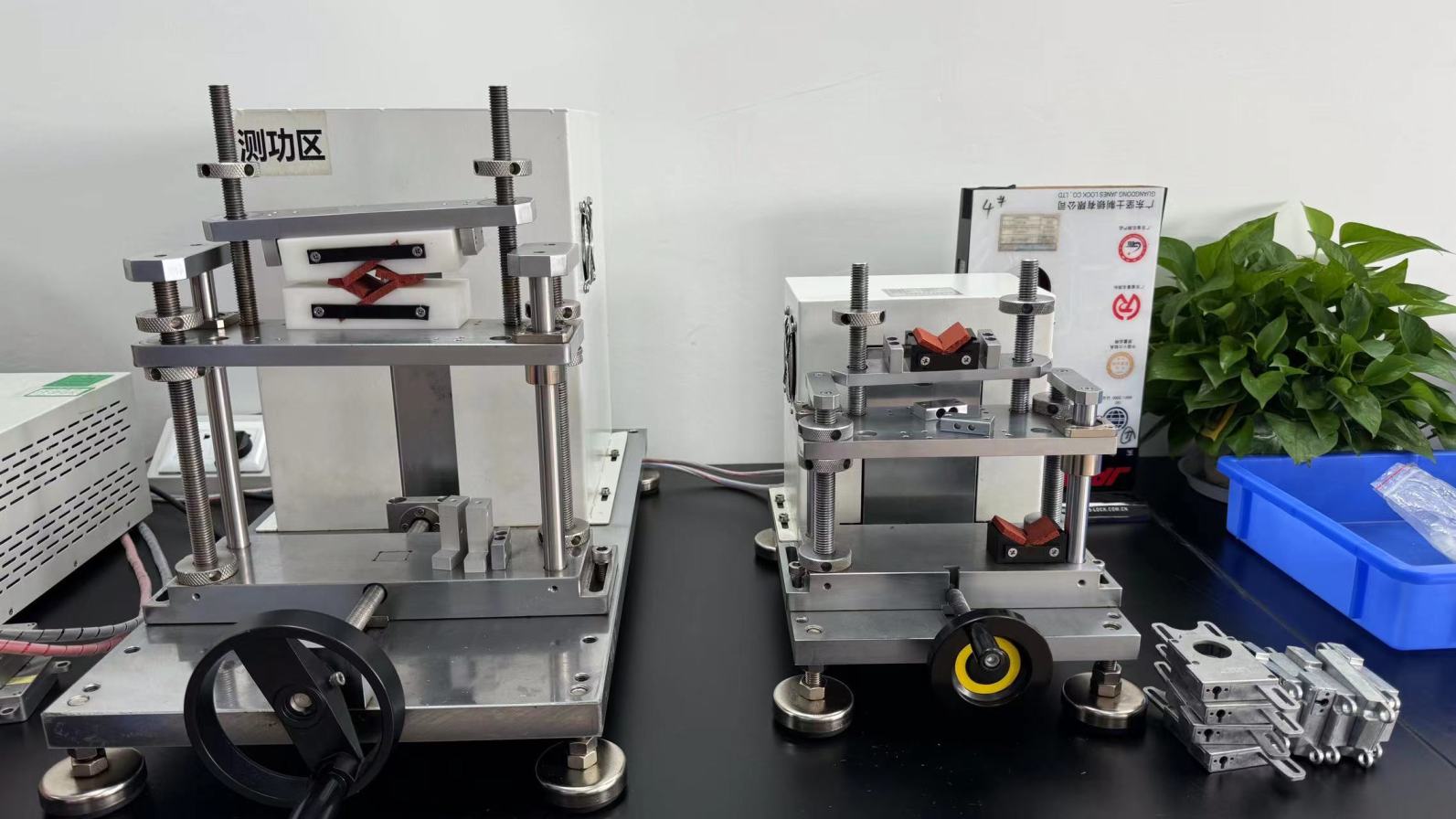
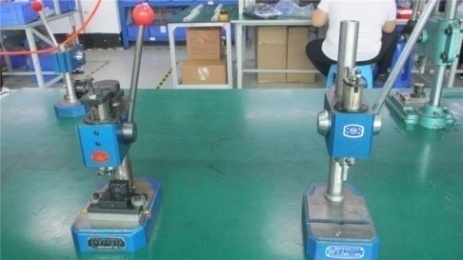
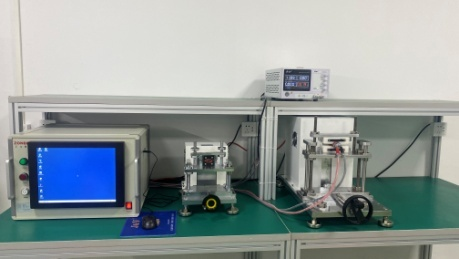
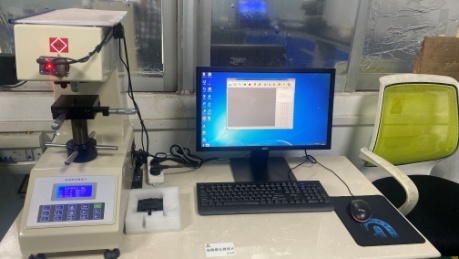
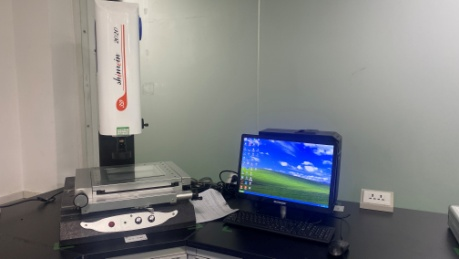
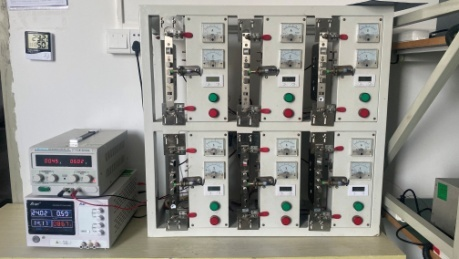
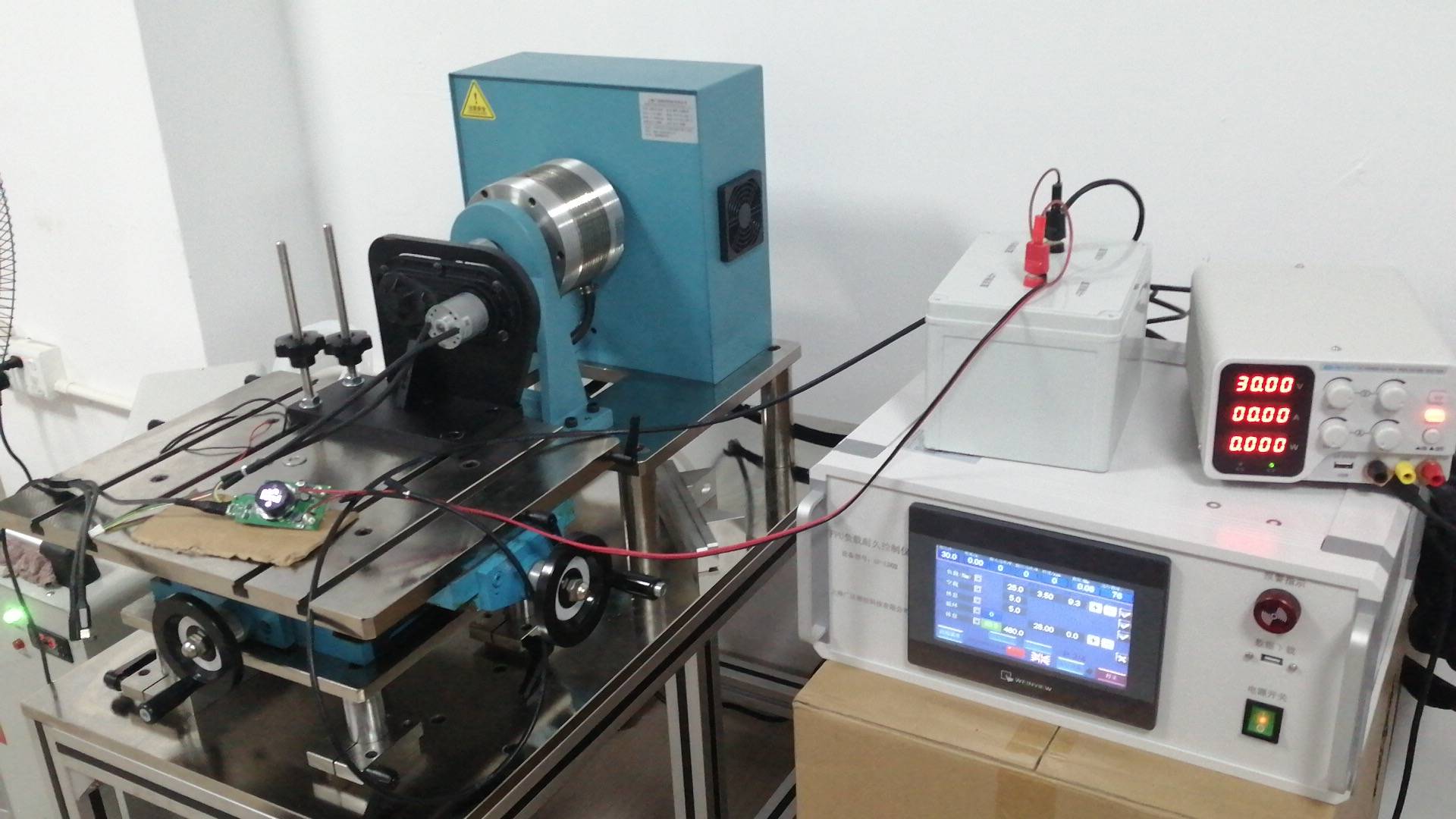
Advanced Production Line & Test Facilities
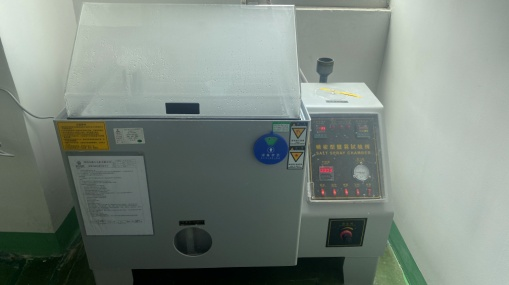
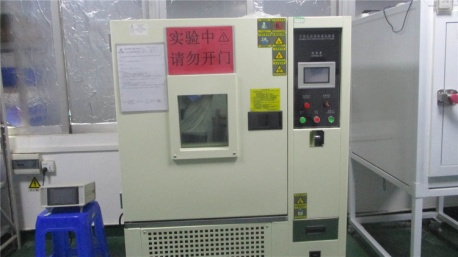
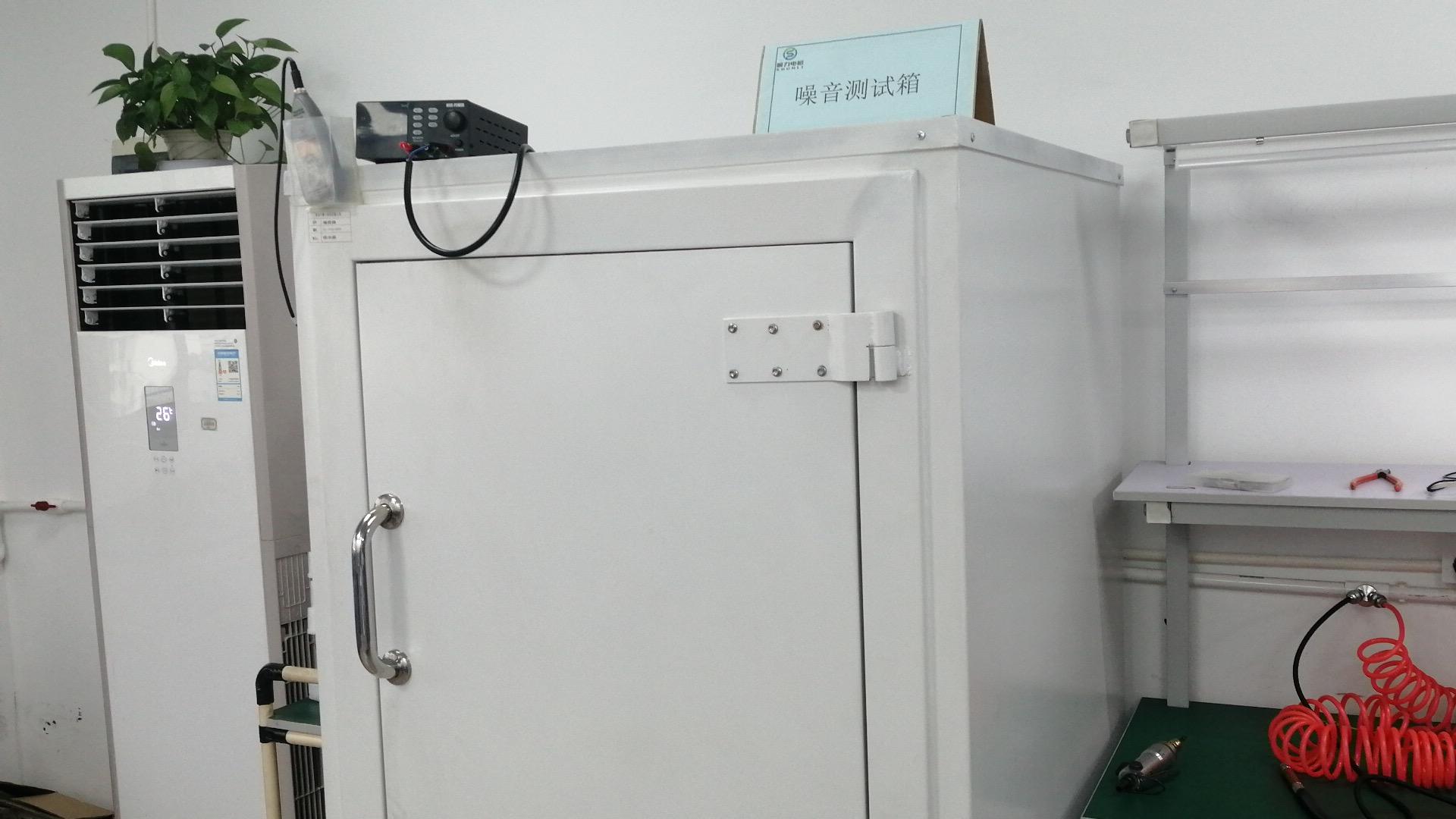
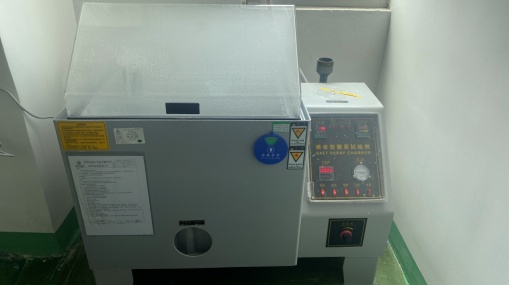
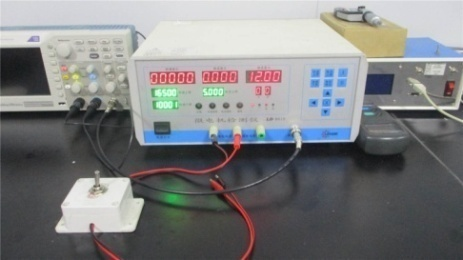
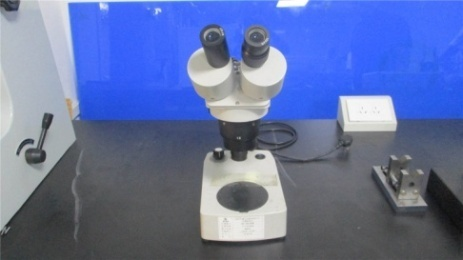
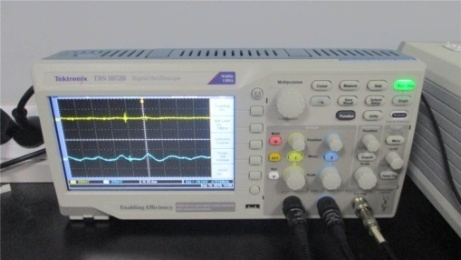
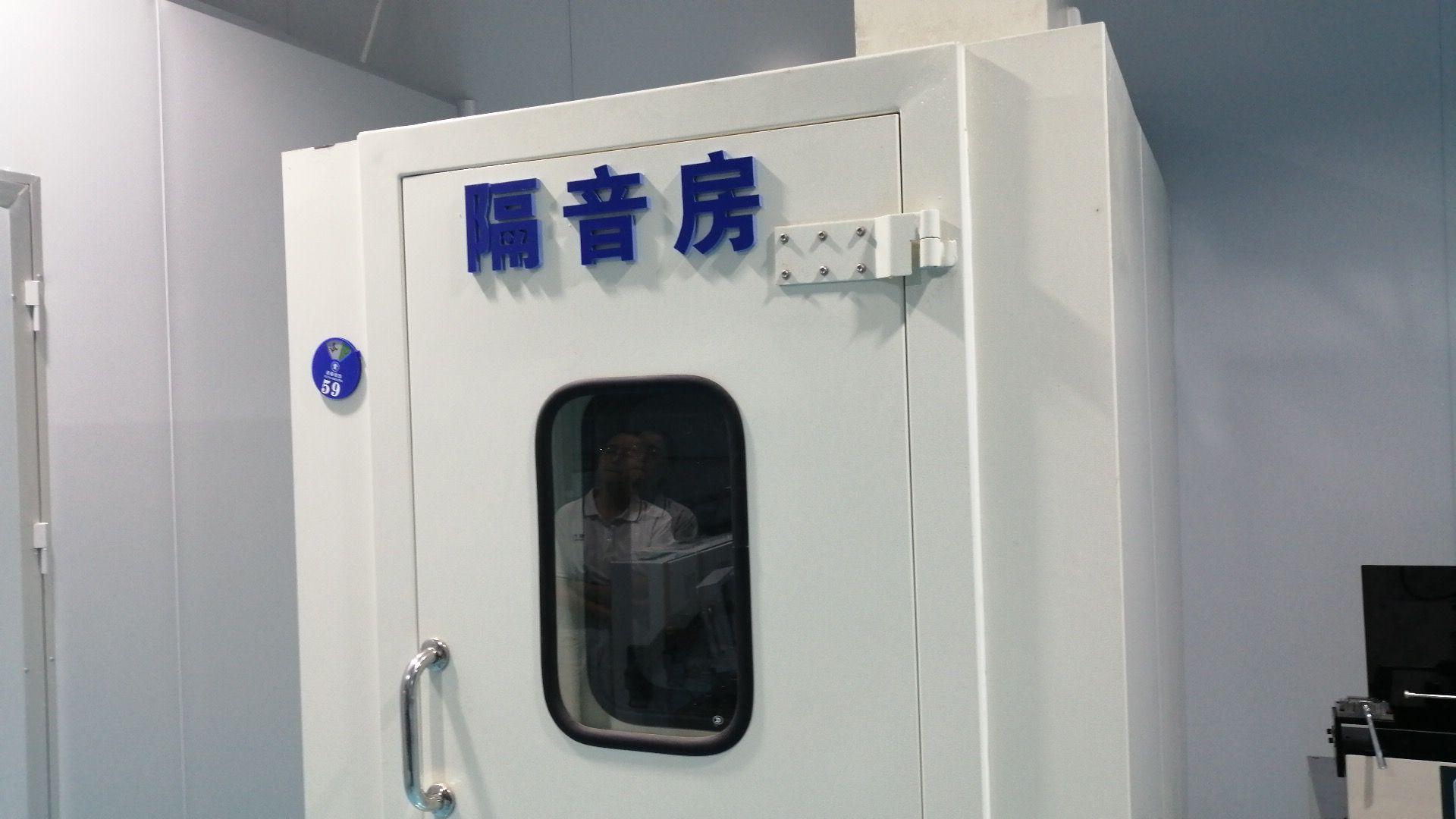
Observe the rigorous quality checks, specialized machining centers, and process validation tools that guarantee long-term performance stability for every motor shipped.
Key Manufacturing Stages
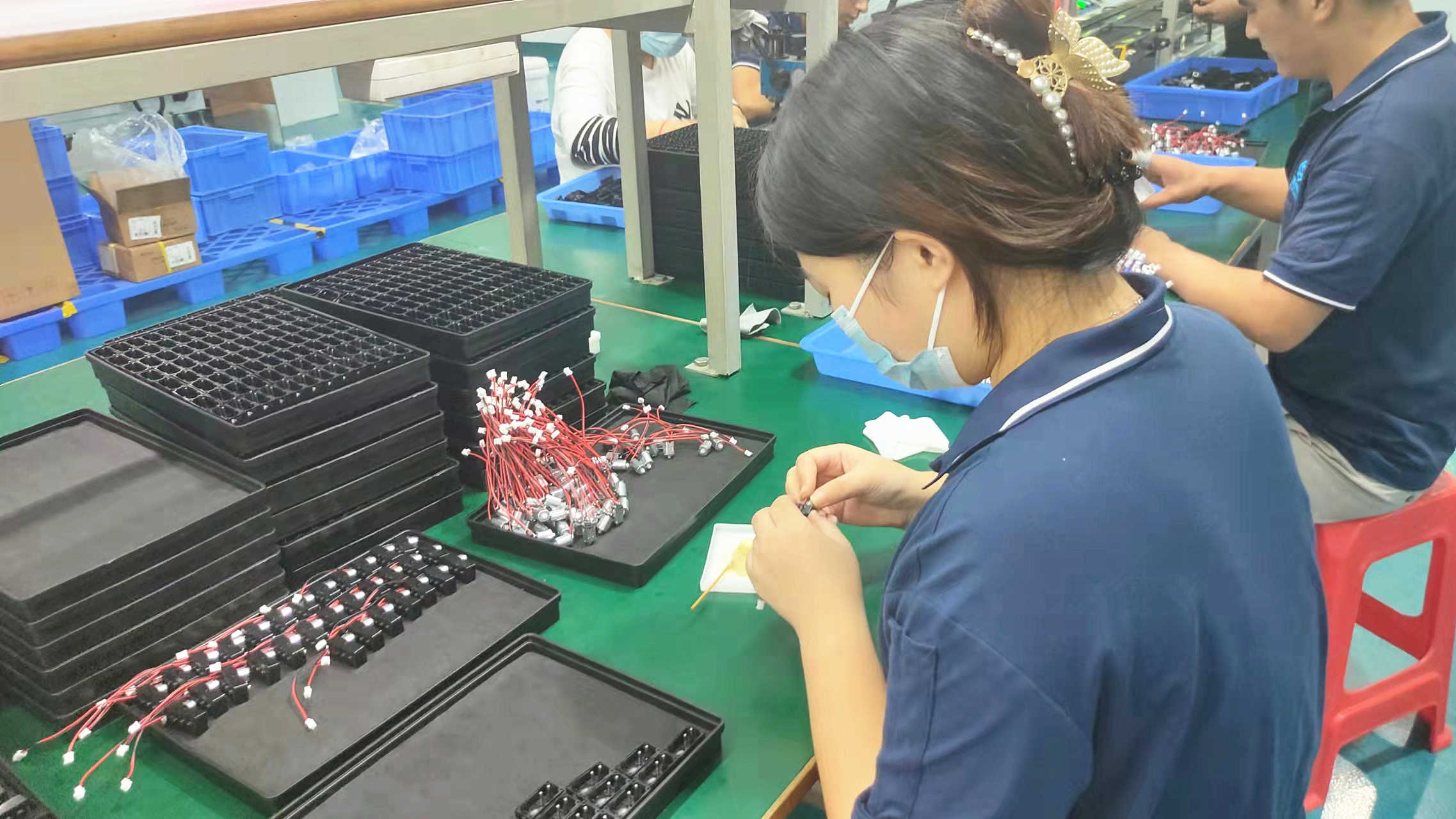
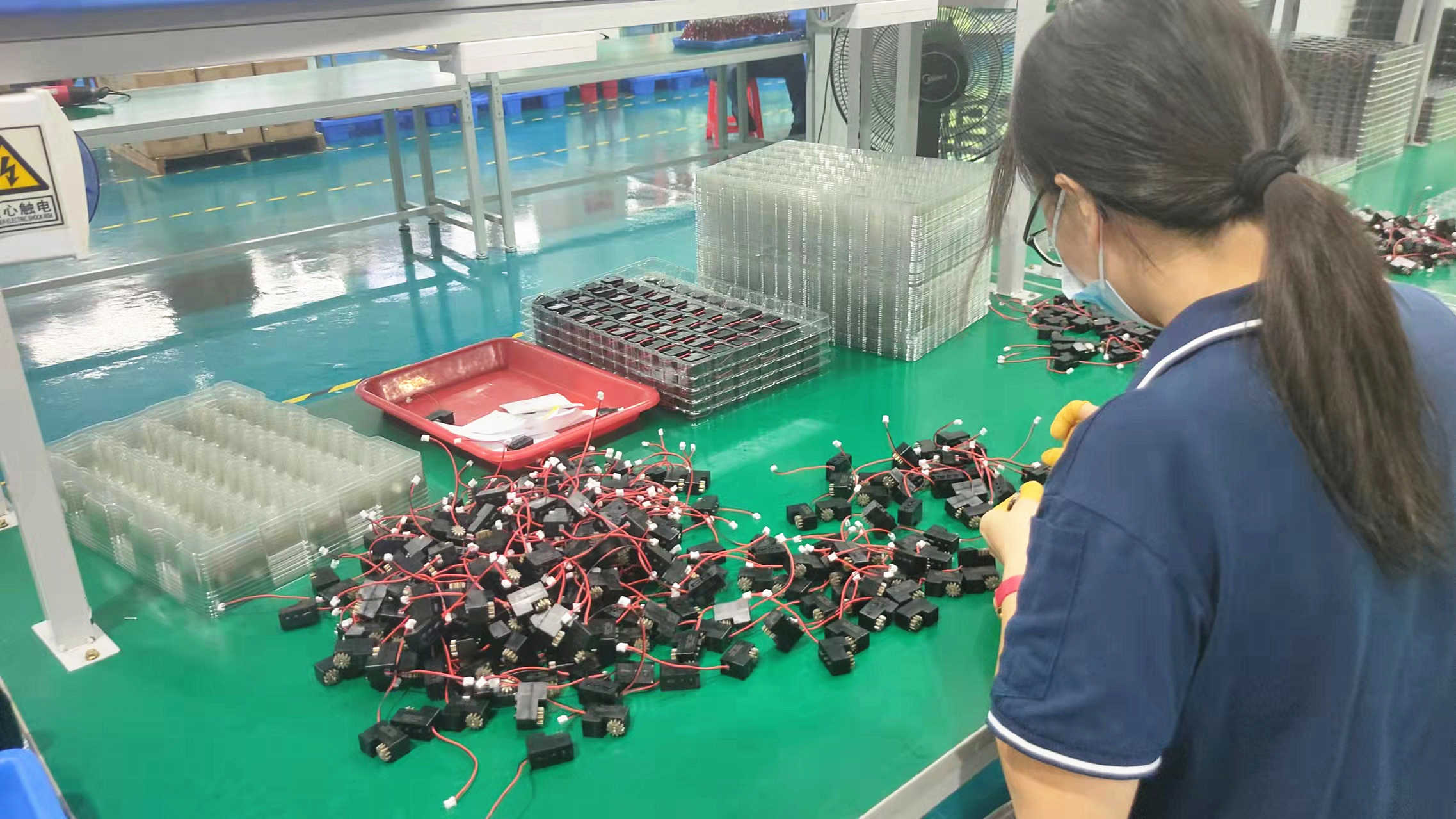
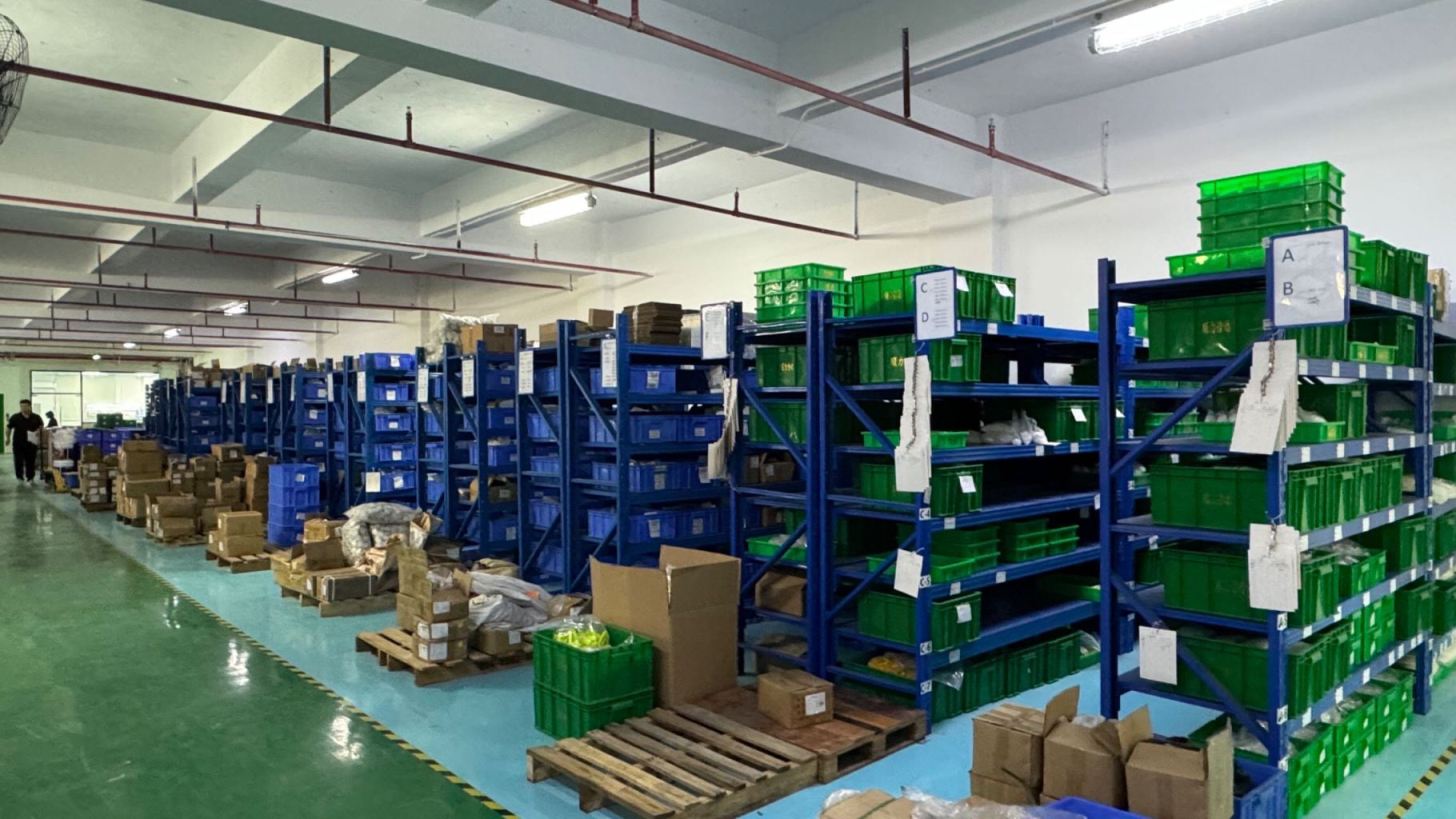
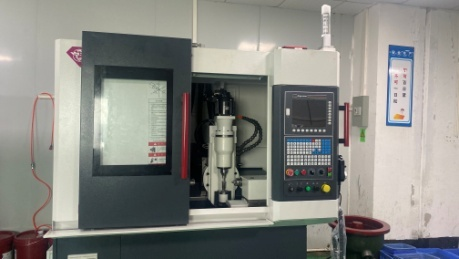
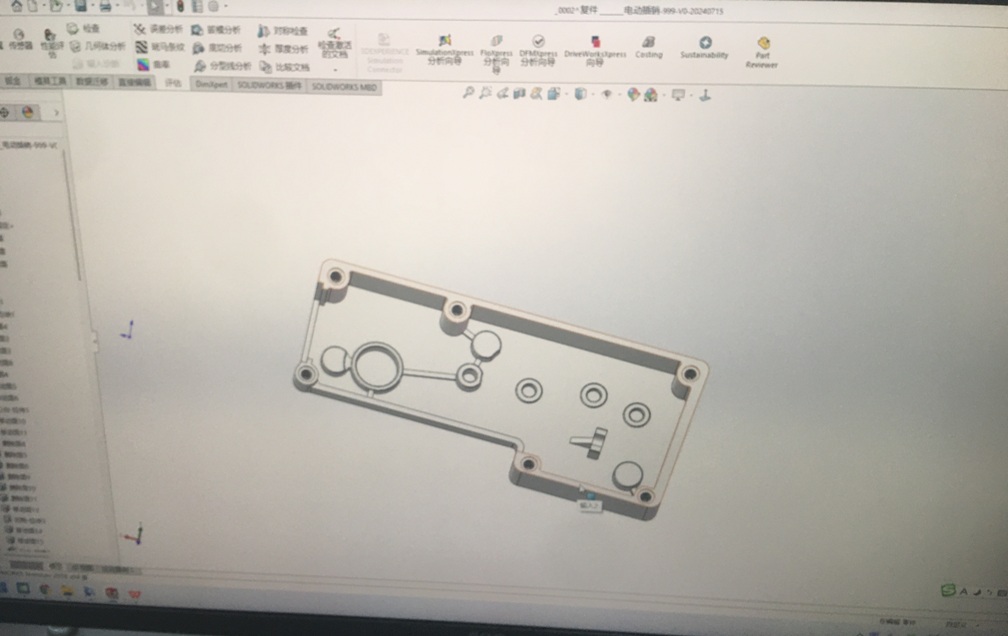
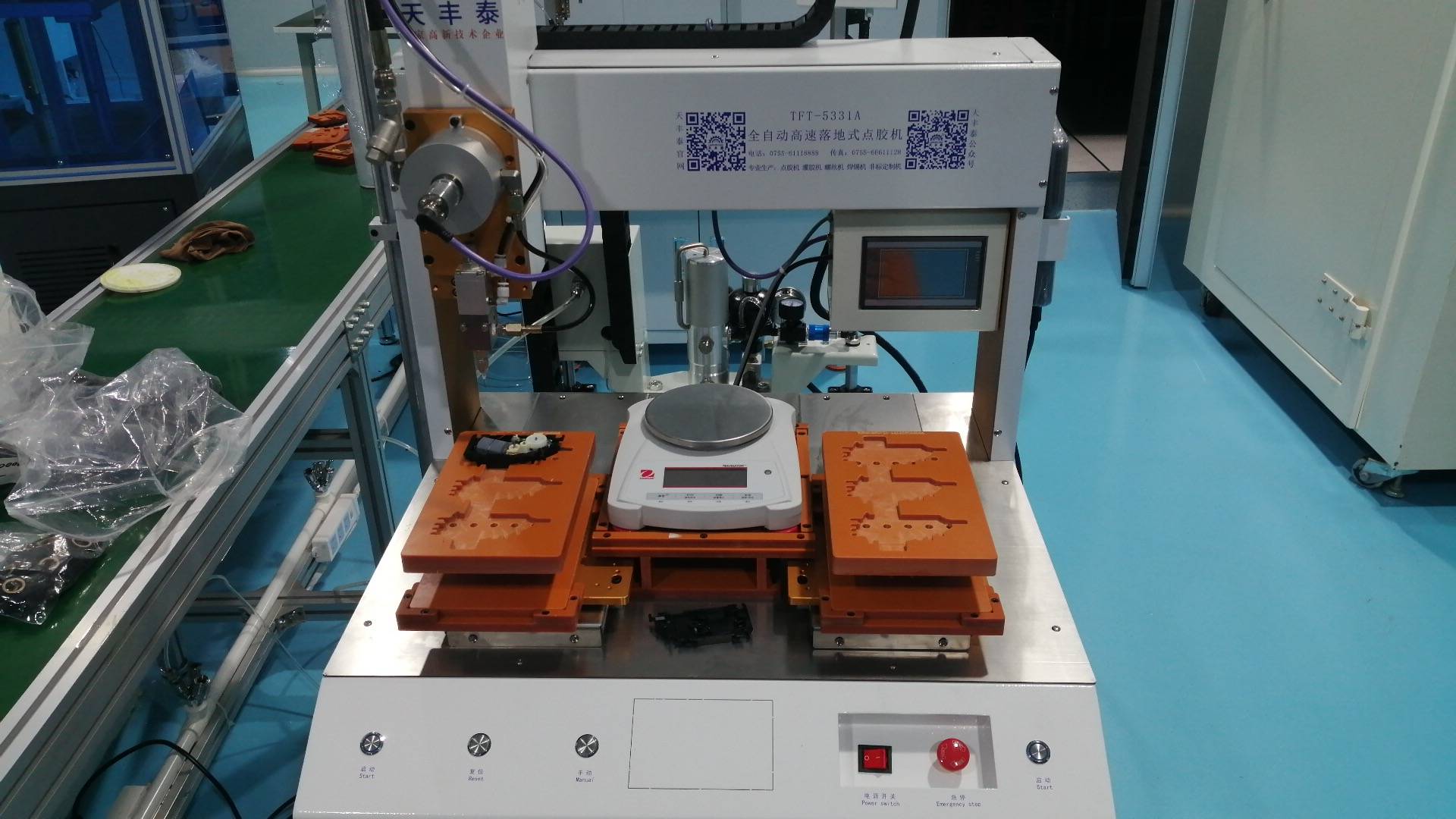
Precision Machining Machinery
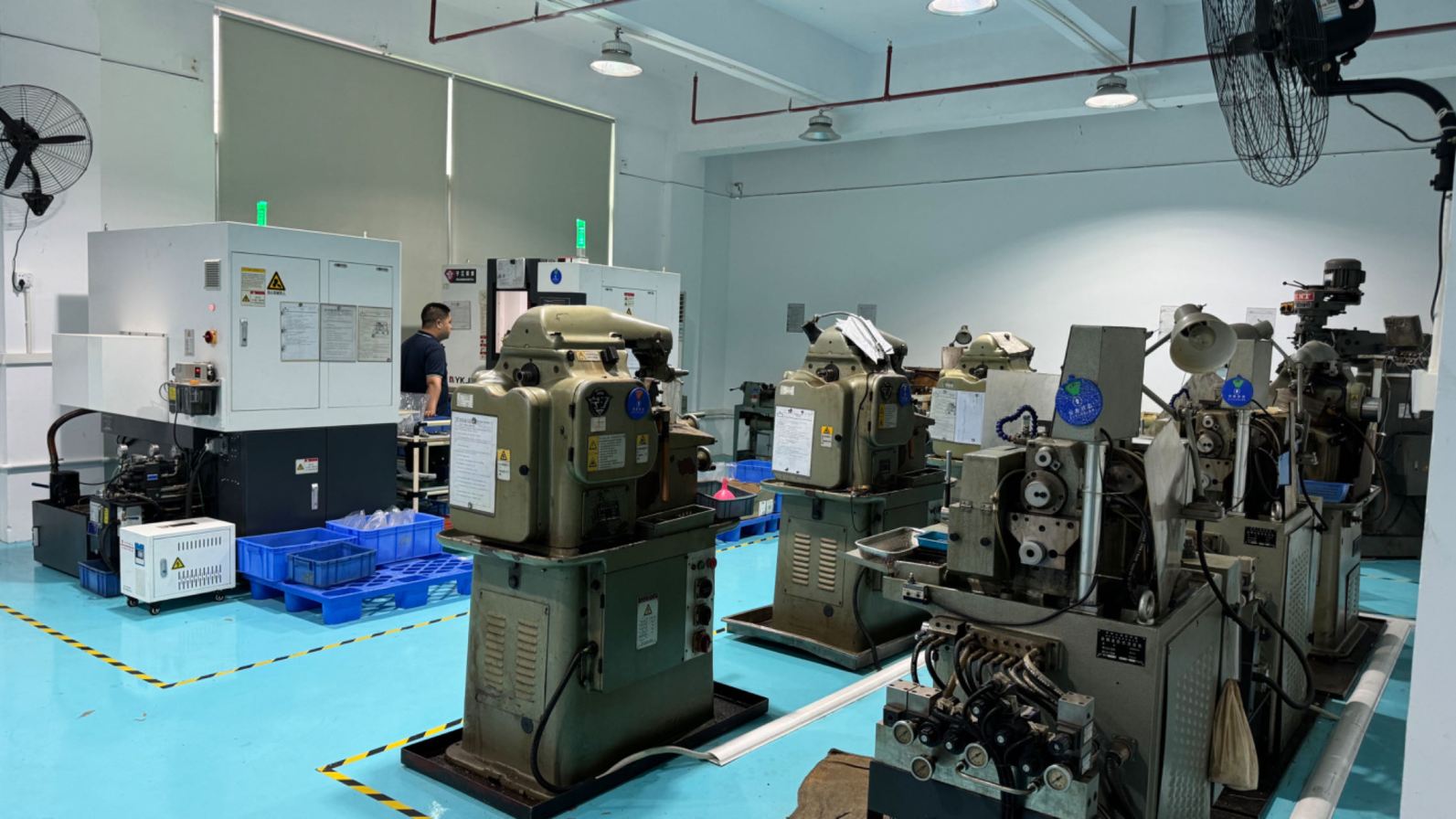
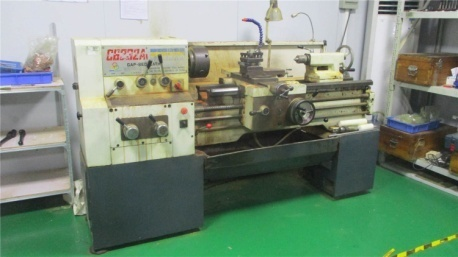
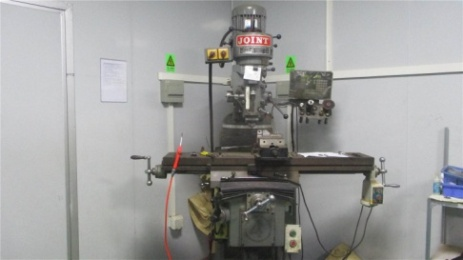
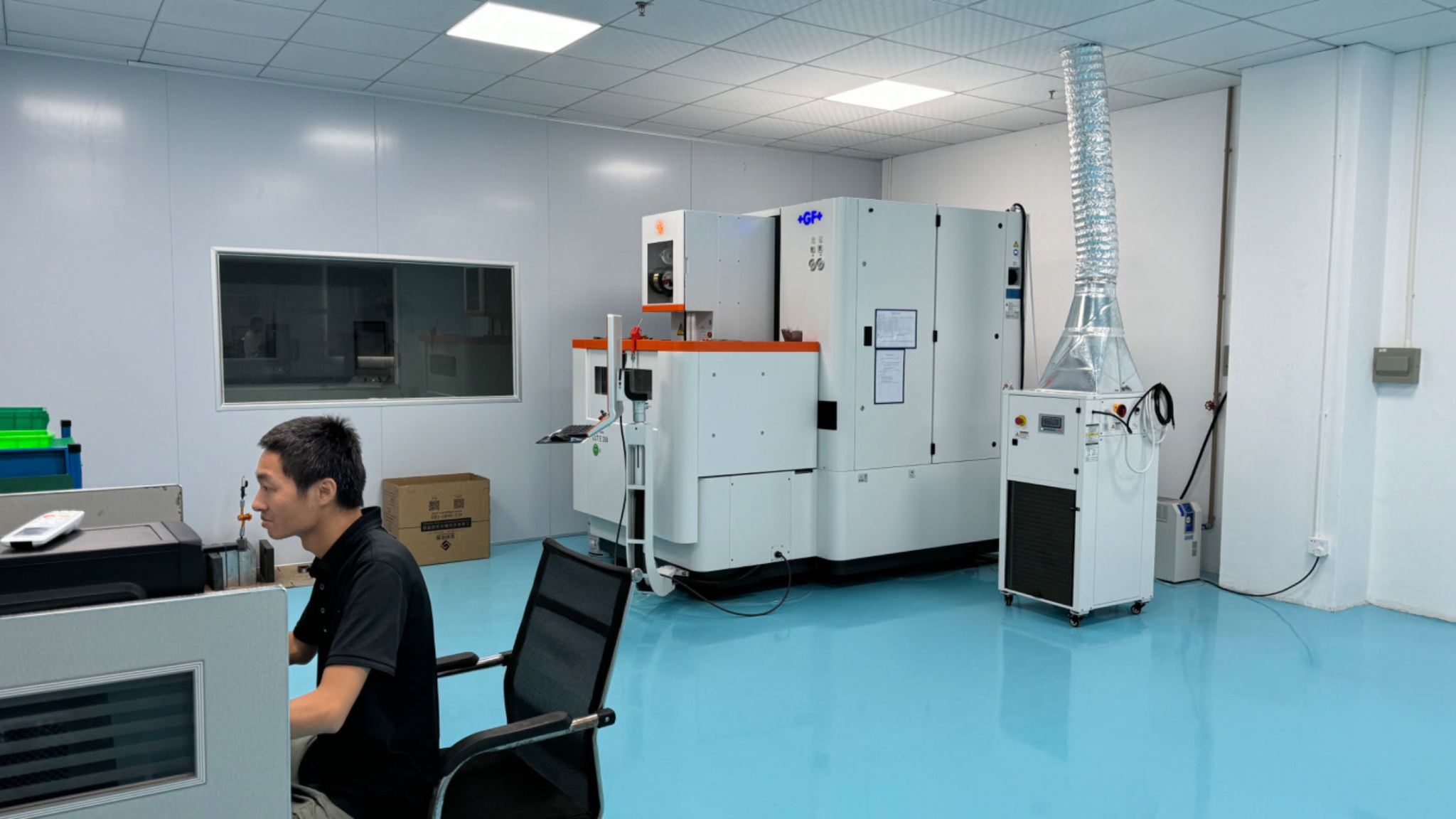
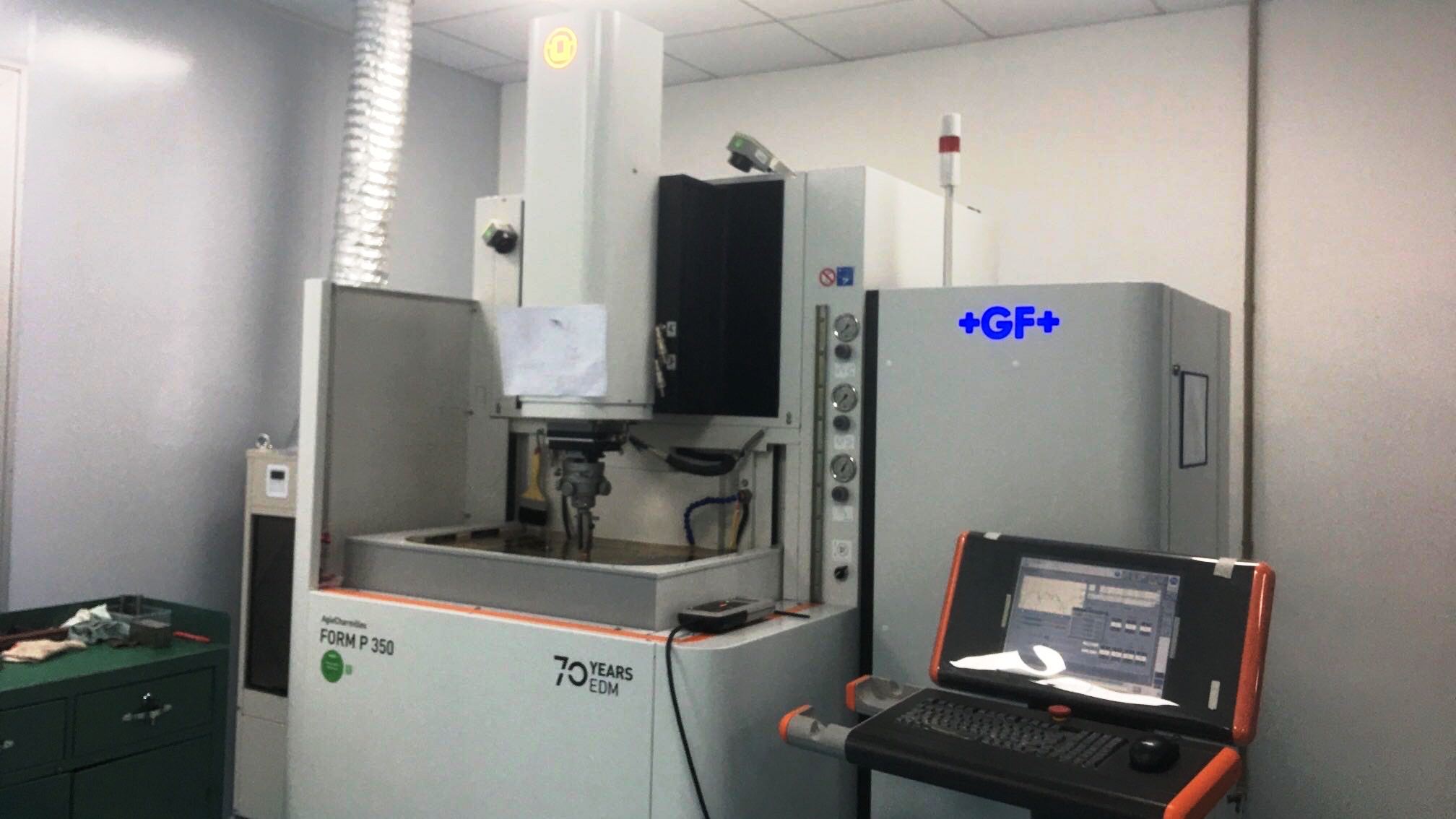
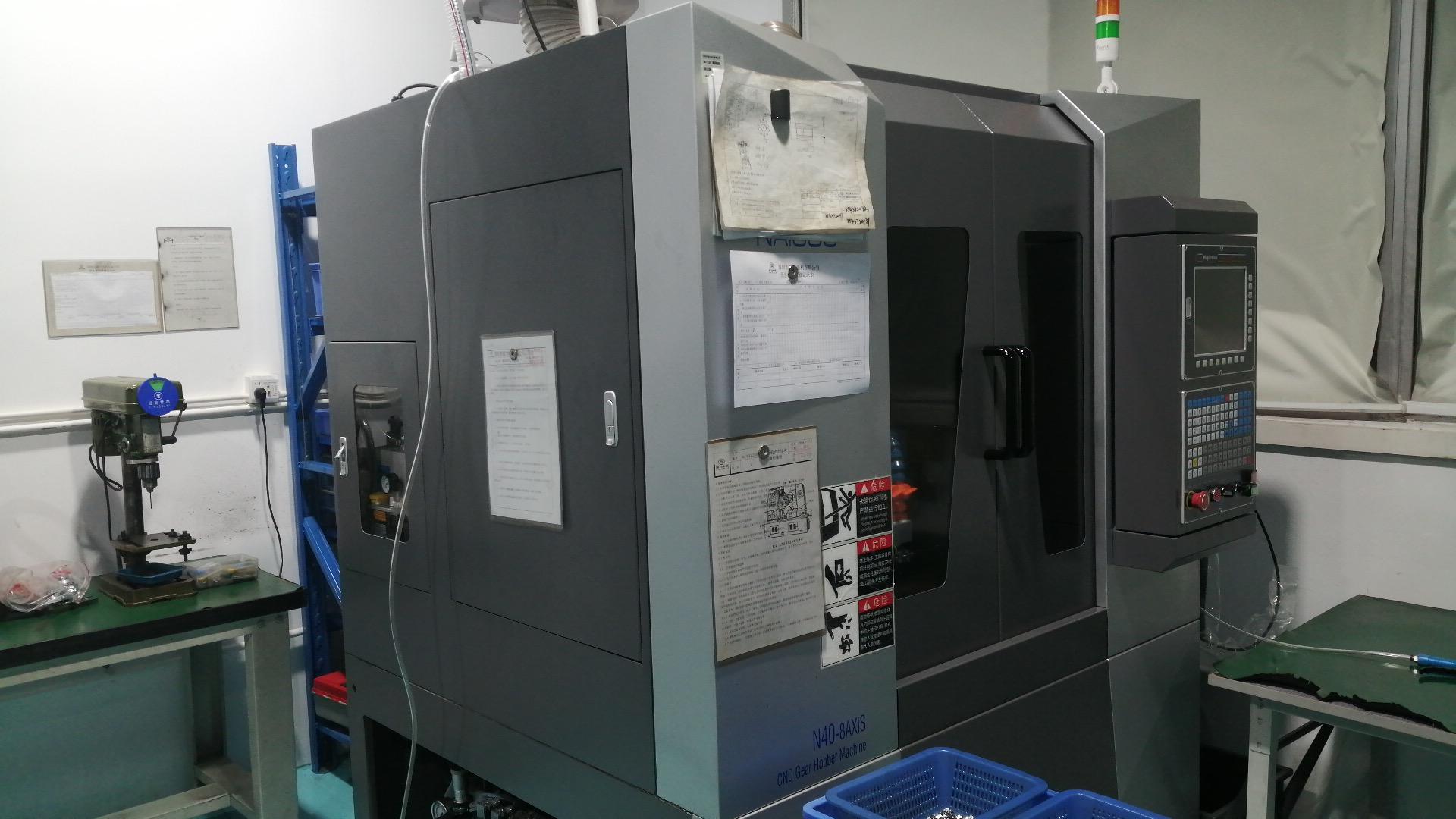
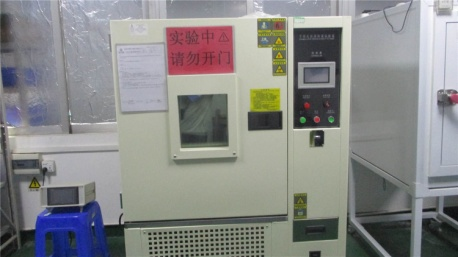
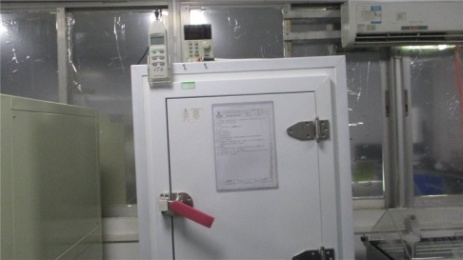
Quality Control Metrology & Lab Equipment
Localized Applications and Performance Profiles
From high-speed automated sorting to clean-room medical mechanisms—how custom drive architectures adapt to strict spatial constraints.
Smart Automation & Home
Utilized in smart door locks, high-end automated projection screens, window actuators, and motorized shading systems. Demands focus on ultra-low standby current and silent operation metrics below 30dB.
Automotive Electronics
Actuator control loops for electronic throttle linkages, active grill shutters, mirror adjustments, and lumbar support pneumatic valves. Must withstand temperatures from -40°C to 125°C with high vibration resilience.
Medical Equipment
Direct drive syringe pumps, automated laboratory pipettes, dialyzer valves, and cosmetic apparatus. Excellent power-to-size density ensures portability and exact micro-liter dosage control without mechanical lag.
Global Sourcing Dynamics & Procurement Demands
A strategic guide for supply chain directors to mitigate integration risks and ensure technical compatibility.
Demanding Modular Customization Capabilities
Modern design engineers avoid off-the-shelf catalog motors for large-scale series production. Procurement trends prioritize suppliers capable of delivering a complete system: the motor integrated with a customized planetary gearhead, customized feedback sensors (encoders), wire harness connectors matching proprietary PCBs, and specialized dampening components.
Suppliers must be verified for compliance with ISO9001, RoHS, REACH, and CE directives, ensuring frictionless customs clearance and cross-border regulatory compliance.
Supplier Stability & Traceability Metrics
In high-stakes industries, supplier verification demands absolute raw material traceability. Vira Micromotor deploys a rigorous ERP inventory tracking network linked with barcode validation systems. From the initial silicon steel lamination pressing to the final magnetic force testing cycle, every single assembly process is logged to verify dimensional tolerances, dynamic imbalance limits, and coil electrical resistance.
Future Industrial Trends in Direct Drive Systems
Looking forward to the next decade of linear motion, automation, and core motor topology design advancements.
Integration of Smart Sensors
IoT diagnostics are moving inside the motor casing. Future industrial drives will embed micro-temperature sensors and accelerometer chips inside the stator to stream real-time thermal and vibration telemetry directly to host PLC networks for predictive maintenance modeling.
High Density Rare Earth Alternatives
With global green initiatives and supply chain constraints, research is shifting toward advanced iron-nitride magnetic formulations and high-entropy alloy stators to decrease reliance on traditional heavy rare earth components while maintaining similar force output values.
Miniaturization of Servo Drive Stems
The gap between micro step systems and linear direct drives is closing. New manufacturing processes allow microscopic coils to be printed directly onto PCBs, opening up cleanroom sub-millimeter motion loops for microfluidics and electronics manufacturing.
Expert Q&A: Linear & Micro Motor Design FAQ
Addressing the technical, mechanical, and logistical questions frequently raised by global mechanical engineering and procurement teams.
1. What are the key performance benefits of a direct drive linear motor over a precision ball screw?
Direct drive linear motors eliminate intermediate mechanical transmission devices like ball screws, timing belts, and gears. This provides several key advantages: zero backlash, higher velocity limits (up to 5m/s to 10m/s), high acceleration capacity (often exceeding 10G to 20G), reduced wear over millions of cycles, and highly improved positional repeatability. They are ideal for high-duty-cycle pick-and-place automation and semiconductor handling where mechanical play cannot be tolerated.
2. How does Vira Micromotor manage OEM custom prototypes and verify designs?
Our specialized OEM/ODM workflow begins with complete electromagnetic simulation and solid CAD modeling. We perform Finite Element Analysis (FEA) to predict flux path efficiency, torque/force density, and thermal limitations. Physical prototypes are fabricated on high-precision machining systems, followed by multi-day testing cycles inside environmental Chambers, Anechoic Soundproof Rooms, Dynamometers, and Salt Spray systems to validate target lifespans and performance limits.
3. How do Ironcore and Ironless linear motors differ in practical industrial application?
Ironcore linear motors have coils wound around steel laminations, creating a strong magnetic attraction that provides high continuous force output. They are optimal for applications requiring high force, like heavy gantry movements and metal cutting. Ironless linear motors feature coils encapsulated in epoxy (without steel), eliminating magnetic cogging. This results in incredibly smooth velocity tracking and zero attractive forces, perfect for delicate inspection systems and precision optical focus loops.
4. What customization options does Vira support for global appliance and robotics customers?
Customization options cover a wide range of requirements: motor winding optimization for specific DC/AC supply voltages, customized shaft configurations (flat D-cut, round, threaded, hollow, or integrated pinion gears), custom gearboxes (spur, planetary, worm), lead wire length and connectors (Molex, JST, Hirose), dynamic noise damping rings, magnetic encoders for closed-loop positional feedback, and IP-rated ingress protection treatments for wet or dusty operational environments.
5. What is the impact of environmental conditions on micro gear motor lifespan?
Extreme temperatures, high humidity, and salt-heavy atmospheres can accelerate grease degradation, winding insulation breakdown, and physical surface corrosion. This is why Vira Micromotor utilizes custom-programmed testing chambers to evaluate motors under constant humidity, extreme temperatures (-40°C to 150°C), and salt spray corrosion before mass production. We select application-specific lubricants and surface coatings to prevent early material fatigue.
Extended High-Torque & Specialty Motors
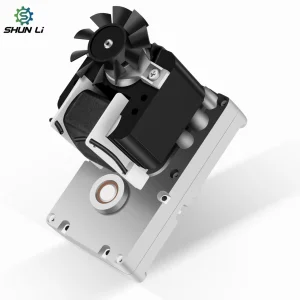
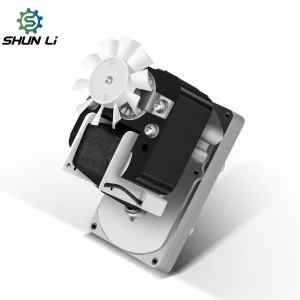
Browse our selection of specialized high-torque gearing assemblies, miniature vibration drives, and shaded-pole motors engineered for heavy-duty appliances and industrial machines.