Why Choose Electric Drive for Your Next Project?

Time:2026-08-23 Author:Amelia
0%

Electric Drive systems are becoming increasingly essential in modern engineering projects. According to a report from the Global Electric Drive Industry Association, the market is projected to grow at a CAGR of 6.8% from 2023 to 2030. This growth stems from their efficiency and reduced environmental impact, positioning Electric Drive as a preferred choice for many industries.

Expert insights further underscore this shift. Dr. James T. Reynolds, a leading figure in electric drive technology, states, "The adoption of Electric Drive will reshape our energy future." His statement reflects the confidence many professionals have in the long-term benefits of this technology. While challenges remain, such as high initial costs and the need for skilled technicians, the advantages often outweigh these issues.

Choosing Electric Drive not only aligns with sustainability goals but also enhances performance in various applications. As businesses focus on energy efficiency, the demand for Electric Drive technology will continue to rise. Investing in this solution can lead to significant operational improvements and a competitive edge in the market.
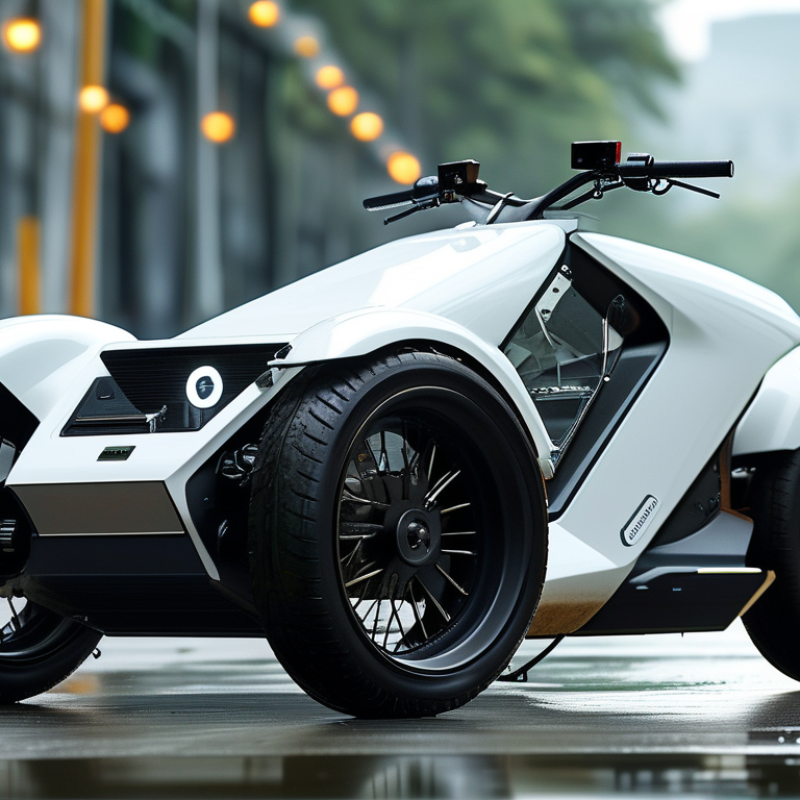
Why Choose Electric Drive for Your Next Project?

Advantages of Electric Drive Systems Over Traditional Mechanisms

Electric drive systems are gaining popularity in various applications. They offer several advantages over traditional mechanical systems. One key benefit is energy efficiency. Electric drives convert more energy into motion, which reduces operational costs. This is crucial for projects with tight budgets.

Another advantage is precision control. Electric drive systems provide finer control over speed and torque. This leads to better performance in processes that require accuracy. In industries like robotics or manufacturing, this precision can be a game changer. However, implementing electric drives may require a learning curve for teams familiar with older systems. This transition can be challenging and may provoke resistance due to the perceived complexity.

Reliability is another noteworthy factor. Electric drives generally have fewer moving parts than their mechanical counterparts. This means less maintenance and fewer breakdowns. Nonetheless, the initial investment can be higher. Organizations must evaluate if the long-term benefits outweigh these upfront costs. Considerations around infrastructure and existing systems also need careful thought. Balancing these factors is essential for a successful upgrade.

Key Applications for Electric Drives in Various Industries

Electric drives are transforming industries by enhancing efficiency and reducing energy consumption. In the manufacturing sector, for instance, the International Energy Agency reported that the adoption of electric drives can lead to energy savings of up to 30% in industrial applications. This is critical in an era where energy costs are soaring and environmental standards are tightening.

In the transportation industry, electric drives are pivotal for electric vehicles (EVs). According to research from the International Council on Clean Transportation, electric drives in EVs can improve performance and lower emissions by approximately 40% compared to traditional vehicles. This shift not only meets consumer demand for greener options but also supports global climate goals.

Thinking about integrating electric drives into your project? Consider functionality. Analyze the specific needs of your application to maximize benefits. Look into various automation options for flexibility in operation. Reflections on potential limitations are essential too; management of power quality and the initial investment can be challenging. Understanding these factors will help optimize the performance of electric drive solutions.

Cost Efficiency: Analyzing Long-Term Savings with Electric Drives

Electric drives are increasingly favored for various projects due to their cost efficiency. Analyzing long-term savings reveals significant benefits for businesses. While the upfront investment may seem daunting, it often translates into reduced operational costs. Lower energy consumption means smaller utility bills. Over time, these savings can offset initial expenses.

Consider the lifespan of electric drives. They typically outperform traditional systems, reducing the frequency of replacements and maintenance. Reliable systems lead to fewer downtime days, which is critical for productivity. Companies can operate on a tighter budget while maximizing output. However, some might underestimate the overall costs involved in transitioning to this technology.

When planning to implement electric drives, pinpoint capacity needs. Oversized systems can lead to inefficiencies. A well-sized drive ensures optimal performance without unnecessary energy waste. Analyze historical data when possible to set realistic projections. Engage in conversations with experts to understand possible pitfalls. Investing in training for your staff can further enhance the return on your investment. With thoughtful planning, electric drives can be a cornerstone for sustainable growth.

Why Choose Electric Drive for Your Next Project? - Cost Efficiency: Analyzing Long-Term Savings with Electric Drives

Parameter Electric Drive Traditional Drive Difference
Initial Investment Cost ($) 15,000 20,000 -5,000
Annual Operating Cost ($) 900 1,500 -600
Energy Efficiency (%) 90 75 +15
Maintenance Cost per Year ($) 400 800 -400
Lifetime (Years) 15 10 +5
Total Cost over Lifetime ($) 26,500 35,000 -8,500

Environmental Impact: Reducing Carbon Footprint with Electric Drives

Electric drives are becoming increasingly popular in various projects, primarily due to their positive environmental impact. By utilizing electric drives, businesses can significantly reduce their carbon footprint. Unlike traditional fuel-driven mechanisms, electric drives operate more efficiently, converting energy into motion with minimal waste. This efficiency leads to a notable decrease in greenhouse gas emissions.

Implementing electric drives offers numerous benefits beyond simply being eco-friendly. It allows for smoother operations with less noise and vibration, enhancing the overall user experience. As industries face growing pressure to adhere to stricter environmental regulations, adopting electric technologies is a proactive step. Sustainable solutions not only aid in compliance but also improve brand reputation.

When considering electric drives, analyze the specific energy requirements of your project. Evaluate different configurations to optimize efficiency. Look for ways to integrate renewable energy sources. Monitoring and adjusting the system regularly is essential. Failure to do so may result in decreased effectiveness over time. Embrace the journey of innovation while learning from any challenges you encounter along the way.

Future Trends in Electric Drive Technology and Innovation

Electric drive technology is rapidly evolving, shaping the future of various industries. According to a report by the International Energy Agency (IEA), the global electric drive market is projected to reach a valuation of $100 billion by 2030. This growth highlights the increasing demand for efficient and sustainable energy solutions.

Innovation plays a vital role in this sector. Advances in battery technology are fueling electric drive efficiency, with energy density improving by 5% annually. This increase leads to longer ranges for electric vehicles (EVs) and enhanced performance in industrial applications. Moreover, the integration of smart technologies is optimizing electric drive systems. IoT-enabled devices allow for real-time monitoring, contributing to reduced maintenance costs and operational downtime.

Yet, challenges remain. The production of batteries raises concerns regarding resource extraction and environmental impact. A recent study indicated that 40% of lithium-ion battery components are sourced from regions with questionable ethical practices. Thus, while electric drive technology is promising, stakeholders must address these ethical considerations to foster a more responsible and sustainable growth trajectory. Balancing innovation with integrity is crucial as we harness the potential of electric drive solutions for the future.

FAQS

: What are the benefits of electric drives for businesses?

: Electric drives reduce operational costs and lower energy consumption, leading to smaller utility bills over time.

How do electric drives impact maintenance and lifespan?

They typically outperform traditional systems, requiring fewer replacements and less maintenance, resulting in improved productivity.

What should companies consider when implementing electric drives?

Companies need to pinpoint capacity needs and avoid oversized systems to ensure optimal performance and energy efficiency.

How can historical data assist in planning for electric drives?

Analyzing historical data helps set realistic projections for capacity and performance, ensuring better investment outcomes.

Why is training for staff important in using electric drives?

Investing in training enhances return on investment by ensuring that staff effectively utilize and maintain the new systems.

What is the projected market growth for electric drives by 2030?

The global electric drive market is projected to reach a valuation of $100 billion, reflecting growing demand for sustainable solutions.

How does battery technology influence electric drives?

Advances in battery technology improve energy density, enhancing the performance and range of electric vehicles and industrial applications.

What ethical concerns are associated with battery production?

Resource extraction for batteries raises environmental and ethical concerns, with some components sourced from regions with questionable practices.

What role do smart technologies play in electric drives?

IoT-enabled devices monitor systems in real-time, reducing maintenance costs and operational downtime, promoting efficiency.

What is crucial for the future of electric drive solutions?

Balancing innovation with integrity is essential to ensure responsible and sustainable growth in electric drive technology.

Conclusion

Electric Drive systems are increasingly favored over traditional mechanisms due to their numerous advantages, including enhanced efficiency and reduced maintenance requirements. These systems are becoming popular across various industries, from manufacturing to transportation, due to their ability to deliver precise control and high performance. A significant advantage of Electric Drive technology is its cost efficiency, as these systems often lead to substantial long-term savings through lower energy consumption and reduced operational costs.

Moreover, Electric Drives play a crucial role in minimizing environmental impact by significantly lowering carbon footprints. As industries strive to meet sustainability goals, the adoption of Electric Drive technology is expected to grow. Future trends indicate continuous innovation in electric drive systems, with advancements aimed at improving efficiency, integrating renewable energy sources, and enhancing smart connectivity. This convergence of efficiency, cost-effectiveness, and environmental responsibility makes Electric Drive an increasingly attractive option for future projects.

Amelia

Amelia

Amelia is a seasoned marketing professional with a wealth of expertise in our company’s core offerings. With an unwavering passion for driving growth and innovation, she plays a pivotal role in shaping our marketing strategies and enhancing brand visibility. A key aspect of her responsibilities......