In the evolving world of industrial machinery, the demand for "Hot Sale Gear Motor" is steadily increasing. Industry expert James Thompson from GearTech Innovation emphasizes, “Understanding your application is crucial to selecting the right gear motor.” This insight underscores the importance of informed decision-making when considering gear motors.
Buyers often face overwhelming choices in this market. Features like torque, efficiency, and size play pivotal roles in performance. A well-matched gear motor can enhance productivity and reduce energy costs significantly. However, many overlook specific requirements of their applications, leading to inefficiencies. The selection process should not be rushed; each detail matters.
With so many options available, buyers should also consider long-term durability and warranties. It's essential to assess both initial costs and future maintenance. Engaging with reliable suppliers can lead to informed choices. A focus on quality over price often yields better results in the long run, ensuring that buyers are making the best investment in "Hot Sale Gear Motor" technology.
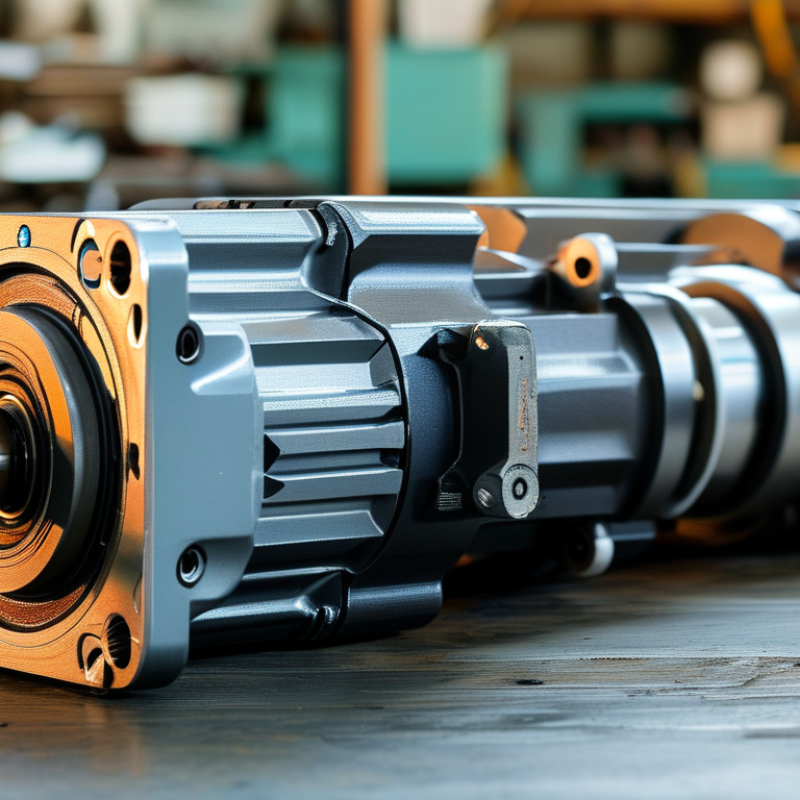
Top Hot Sale Gear Motors: An Overview of Types and Applications
When exploring gear motors, it’s crucial to understand their types and applications. Gear motors are essential in many industries. They combine a motor with a gearbox, enhancing torque and performance. There are various models, including DC gear motors, AC gear motors, and stepper gear motors. Each type serves unique purposes.
DC gear motors are versatile, often used in robotics and automation. Their compact design allows for ease of integration into small devices. In contrast, AC gear motors excel in larger applications, such as conveyor systems. They can handle more significant loads, making them ideal for industrial use. Meanwhile, stepper gear motors offer precise control, crucial in CNC machines and 3D printers.
Buying decisions should consider the specific requirements of each application. A mismatch can lead to inefficiencies and increased wear. Understanding gear ratio and power requirements is vital. Overlooking these details can result in poor performance. Recognizing the pros and cons of each type helps in making informed decisions. Research and expert advice can guide buyers through this complex landscape.
Top Hot Sale Gear Motor: Sales Comparison by Type
Understanding Gear Motor Ratings: Torque, RPM, and Power Requirements
Understanding the ratings of gear motors is crucial for making informed purchases.
Torque is a primary factor. It measures the motor's ability to perform work.
Higher torque means the motor can handle heavier loads. Buyers should consider the required torque for their applications.
Insufficient torque may lead to motor failure. This aspect often requires careful calculations.
Next, RPM is vital in determining the speed of the gear motor. Motor speed affects performance directly.
Faster motors can lead to more efficient operations but may also require higher power. Choosing the right RPM depends on the specific use case.
It’s important to align it with system needs. Miscalculating RPM can impact overall effectiveness.
Lastly, power requirements cannot be overlooked. The right power rating ensures the motor operates efficiently.
Underpowered motors struggle, causing overheating. Overpowered options may waste energy.
Be aware of energy efficiency. A more energy-efficient motor can lower operational costs.
Evaluating these elements requires focus and reflection. Each detail plays a critical role in gear motor functionality.
Understanding these principles will enhance the decision-making process.
Key Features to Consider When Buying Gear Motors for Different Industries
When selecting gear motors, understanding their key features is crucial. Different industries have specific requirements. For instance, in automotive applications, torque and efficiency are vital. A report from the Global Gear Motor Market shows that efficiency ratings can reach over 90% in advanced models. This level of efficiency not only aids performance but also reduces energy costs.
Understanding the environment where the motor will operate is equally important. Motors may need to withstand harsh conditions, such as extreme temperatures or high humidity. Selecting gear motors with IP ratings can ensure protection against dust and water. For example, an IP rating of IP67 means total protection from dust and immersion in water up to 1 meter.
Another essential feature to consider is the motor's mounting and integration. Compatibility with existing systems can reduce installation time and costs. However, companies often overlook these factors, leading to operational inefficiencies. Choosing the right type of gear motor may also involve considering speed control options. Adjustable speed can enhance production flexibility, especially in manufacturing environments.
Current Market Trends: Demand and Innovations in Gear Motor Technology
The gear motor market is evolving rapidly. Current trends highlight an increased demand for compact, efficient solutions. As industries seek to maximize operational efficiency, gear motors that deliver high torque in small packages are gaining popularity. Innovations in materials and design are enabling these products to become lighter and more durable.
Sustainability is a focal point in gear motor development. Manufacturers are exploring eco-friendly materials and energy-efficient designs. Users are becoming more aware of the environmental impact of their purchases. This shift encourages companies to adopt greener practices.
However, not all innovations translate into immediate benefits. Some advancements can bring about unforeseen challenges, such as compatibility issues or increased complexity in installation. Stakeholders should carefully evaluate new technologies before committing. A thoughtful approach can bridge the gap between innovation and practical application, ensuring that the gear motor meets actual needs.
Top Hot Sale Gear Motor What Buyers Need to Know? - Current Market Trends: Demand and Innovations in Gear Motor Technology
| Category |
Motor Type |
Power Rating (HP) |
Efficiency (%) |
Applications |
Market Demand Trend |
| AC Gear Motor |
Induction Motor |
1-100 |
85 |
Conveyor Systems |
Increasing |
| DC Gear Motor |
Brushless Motor |
0.1-30 |
90 |
Robotics |
Steady |
| Servo Gear Motor |
AC Servo Motor |
0.5-50 |
95 |
CNC Machines |
Growing |
| Planetary Gear Motor |
Geared Motor |
0.25-10 |
88 |
Automated Assembly |
Increasing |
| Step Gear Motor |
Stepper Motor |
0.1-5 |
92 |
3D Printers |
Stable |
Cost Analysis: Balancing Quality and Price in Gear Motor Purchases
When purchasing gear motors, analyzing costs is crucial. A report by the International Energy Agency suggests that motors account for approximately 65% of industrial electrical consumption. This highlights the importance of selecting a motor that balances quality and price. Buyers often lean towards lower-cost options. However, this can lead to higher long-term expenses in energy consumption and maintenance.
Quality gear motors may come with a higher initial price tag. Industry analysis shows that investing in high-efficiency motors can yield savings of up to 30% on electricity. Even though the upfront cost is higher, the return on investment becomes apparent over time. Buyers must weigh these factors carefully, considering reliability and efficiency against initial spending.
It's noteworthy that not all lower-cost gear motors perform poorly. Some may surprise buyers with their durability. However, buyers must assess long-term costs versus short-term savings. In some cases, opting for cheaper options can lead to breakdowns, needing replacement sooner than anticipated. Therefore, finding the right balance between quality and price is vital for informed purchasing decisions.
FAQS
: Gear motors combine a motor with a gearbox. They enhance torque and performance.
Common types include DC, AC, and stepper gear motors. Each has unique applications.
DC gear motors are often found in robotics and automation. They fit well in small devices.
AC gear motors handle larger loads. They are ideal for applications like conveyor systems.
Stepper gear motors provide precise control. This precision is crucial for CNC machines and 3D printers.
Analyzing costs is vital due to energy consumption. Motors account for 65% of industrial electrical usage.
Choosing lower-cost motors may seem appealing. However, they can lead to higher long-term expenses.
High-efficiency motors can save up to 30% on electricity. Initial costs can be higher, but savings accumulate.
Yes, some lower-cost options can surprise buyers with their reliability. Careful assessment is necessary.
Balance quality and price carefully. Assess long-term costs versus short-term savings for informed choices.
Conclusion
In today's market, understanding the specifics of **Hot Sale Gear Motors** is essential for buyers across various industries. An overview of the types and applications of these motors highlights their versatility, making them suitable for numerous tasks ranging from automation to heavy machinery. Key considerations such as torque, RPM, and power requirements are critical when assessing gear motor ratings, ensuring the selected motor meets operational needs.
Additionally, recognizing current market trends reveals a growing demand for innovative gear motor technologies that improve efficiency and performance. Buyers must also conduct a thorough cost analysis to balance quality with price, ensuring they make informed purchasing decisions. By focusing on these aspects, consumers can effectively navigate the selection process, leading to successful implementations of **Hot Sale Gear Motors** in their projects.
