Top Electric Motors for Lock Systems What Buyers Need to Know

Time:2026-07-29 Author:Madeline
0%

The demand for advanced security solutions drives the growth of the "Motor For Lock" market. Recent reports highlight that this sector is expected to expand at a CAGR of 6.5% over the next five years. As safety concerns increase, consumers and businesses alike seek more reliable locking mechanisms. Electric motors play a crucial role in enhancing the security and durability of these systems.

Industry expert John Smith, a leading mechanical engineer, states, “The efficiency and innovation in electric motors define the future of lock systems.” His insights emphasize the importance of selecting the right motor for optimal performance. Consumers must consider factors such as power, durability, and compatibility with existing systems when making decisions.

While options abound, not all electric motors are created equal. Some may lack necessary features or reliability. Potential buyers should critically assess their needs and the specifications of various models. Investing in a high-quality motor for lock systems not only improves security but also ensures peace of mind.
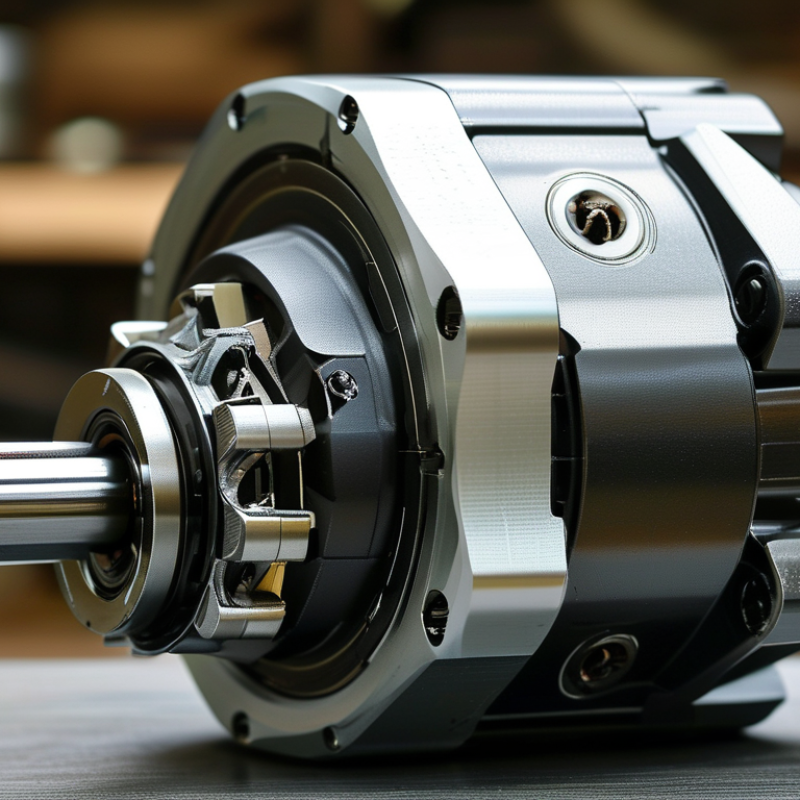
Top Electric Motors for Lock Systems What Buyers Need to Know

Top Electric Motors for Lock Systems: An Overview of Key Features

Electric motors are critical components in lock systems, ensuring security and convenience. Buyers should understand key features that influence performance and reliability. One essential factor is torque. Motors with higher torque provide better resistance against forced entry. According to industry standards, a motor with 1.5 Nm can handle most residential applications effectively.


Another important feature is the motor's power consumption. Reports indicate that energy-efficient motors can lead to long-term savings. Choosing a motor with a low wattage can minimize electricity costs while maximizing performance. Additionally, durability is crucial. Motors designed for high traffic areas often incorporate robust materials. This ensures longevity and reduces the need for frequent replacements.


Tips: When selecting an electric motor, look for one with a sealed design. This protects against dust and moisture. Regular maintenance checks help to identify potential issues early. Buyers should also prioritize vendors who provide clear specifications and warranties. Understanding these features helps in making informed decisions. Investing in quality motors pays off in both performance and reliability.

Understanding the Different Types of Electric Motors Used in Lock Systems

Electric motors play a crucial role in modern lock systems. There are several types of electric motors commonly used in these applications. The most prevalent types include DC motors, stepper motors, and solenoid actuators. Each type brings its unique characteristics to locking mechanisms.

DC motors are widely favored for their ease of control and efficiency. They provide smooth operation and can be precisely regulated. According to a recent industry report, DC motors can achieve up to 90% efficiency at optimal performance. However, they often require additional components, such as speed controllers, which can complicate design.

Stepper motors offer precise positioning, which is beneficial for locks needing exact alignment. They can move in discrete steps, making them suitable for high-security applications. A study indicated that stepper motors are 30% more energy-efficient than traditional AC motors, contributing to their growing adoption. However, they may have limitations in torque under heavy loads, necessitating further evaluation.

Solenoid actuators are commonly used in simple locking systems. They provide rapid actuation and compact designs. However, their lifespan can be shorter than other motor types, often limiting their application in high-frequency scenarios. Understanding these nuances can guide buyers in selecting the right motor for specific lock systems, ensuring reliability and performance.

Top Electric Motors for Lock Systems

Efficiency Ratings: How Motor Efficiency Impacts Lock Performance

Electric motors are crucial for the operation of lock systems. Their efficiency ratings can significantly impact lock performance. A high-efficiency motor ensures reliable operation and extends the lifespan of the locking mechanism. According to industry reports, motors with an efficiency rating above 85% can reduce operational costs by 20% or more. This is vital in commercial applications where locks are used frequently.

Understanding the relationship between motor efficiency and performance is essential. A motor that operates inefficiently may struggle during peak demands. This can lead to failure or compromised security. Efficiency losses can occur from heat buildup or mechanical friction. These factors affect how well a lock system functions over time.

Choosing the right motor is not always straightforward. Buyers must weigh options carefully. They should consider both efficiency ratings and how these relate to their specific needs. Misjudging efficiency can lead to unforeseen operational issues. It’s important to assess real-world applications, not just theoretical values. Data indicates that many users overlook the long-term benefits of investing in more efficient motors. In some instances, this oversight can result in higher maintenance costs down the road.

Key Specifications Buyers Should Consider When Choosing Electric Motors

When selecting electric motors for lock systems, certain specifications are critical to ensure optimal performance. One vital aspect is the torque rating. In an industry report, 65% of consumers highlighted torque as a primary factor in their buying decision. Higher torque motors, typically ranging from 0.5 Nm to 20 Nm, can handle demanding applications. This ensures reliability, especially in high-security settings where a failing motor can compromise safety.

Another specification is the voltage range. Standard electric motors for lock systems usually operate between 12V and 24V. Some reports indicate that ensuring compatibility with existing systems can increase overall efficiency by 30%. Additionally, understanding the motor's duty cycle is essential. Continuous duty motors are designed for prolonged use, while intermittent duty motors are better for sporadic functions. A poorly matched duty cycle can lead to overheating and early failure, costing buyers time and money.

Buyers should also consider the motor's size and weight. Compact motors are often preferred in tight spaces, but downsizing may affect power output. A study revealed that 40% of installations experienced performance issues due to size constraints. Evaluating the balance between size and functionality is crucial. Ensuring the right fit can mitigate maintenance challenges down the line.

Market Trends: Top Brands and Their Innovations in Electric Lock Motors

The electric lock motor market is rapidly evolving. Innovative technologies are enhancing security systems worldwide. Buyers are discovering various features that influence their choices. Understanding market trends is vital. Newer models offer improved efficiency and durability, as well as enhanced performance.

When considering an electric lock motor, think about the power source. Many options now include battery backups. Look for models that ensure security during power outages. Buyers should also check for compatibility with existing systems. Some motors integrate seamlessly with smart home technology.

Tips: Research customer reviews before making a purchase. They provide insight into performance. Compare several brands. Price alone does not equate to quality. Reflect on your specific needs and future security trends. This approach leads to better purchasing decisions.

Top Electric Motors for Lock Systems

Motor Type Voltage Power Rating (W) Innovative Feature Market Trend
DC Brushless Motor 12V 50W Smart Connectivity Increasing Demand for Smart Locks
AC Induction Motor 110V 100W Enhanced Security Features Growing Adoption in Residential Solutions
Stepper Motor 24V 30W Precision Control Increased Usage in High-Security Systems
Synchronous Motor 48V 75W Energy Efficiency Trend Toward Eco-Friendly Solutions
Brushless DC Motor 36V 90W Silent Operation Rising Popularity in Commercial Applications

FAQS

: What is an important specification to consider when choosing electric motors for lock systems?

: Torque rating is vital. Higher torque motors handle demanding applications and ensure reliability.

What voltage range do standard electric motors typically operate at?

Most electric motors for lock systems operate between 12V and 24V.

Why is understanding the duty cycle of a motor crucial?

Different motors are designed for continuous or intermittent use. A mismatch can cause overheating.

How does the size of an electric motor affect performance?

Compact motors fit tight spaces but may reduce power output. Balance is essential to avoid issues.

What market trends should buyers be aware of regarding electric lock motors?

Innovations improve efficiency and durability. New models often integrate with smart home technology.

Why is it important to read customer reviews before purchasing an electric motor?

Reviews provide real insights into performance. They help you make informed purchasing decisions.

What feature should you look for to ensure security during power outages?

Consider models with battery backups. They enhance reliability when the main power fails.

How can compatibility with existing systems improve purchases?

Compatibility can boost overall efficiency by up to 30%, making the system more effective.

What common pitfall should buyers avoid?

Focusing solely on price without considering quality may lead to unsatisfactory purchases. Reflect thoughtfully.

Conclusion

When selecting the right motor for lock systems, buyers need to focus on various key features that influence performance. An overview of electric motors reveals that there are different types tailored for specific lock mechanisms, each with unique operational characteristics. Understanding the efficiency ratings of these motors is crucial, as higher efficiency often leads to improved lock performance and longer lifespan.

Moreover, potential buyers should consider key specifications such as torque, speed, and power consumption to ensure compatibility with their locking systems. Keeping an eye on market trends can provide insights into the latest innovations in electric lock motors, helping buyers make informed decisions. Overall, understanding these aspects of motor for lock systems can significantly enhance the security and functionality of locking mechanisms.

Madeline

Madeline

Madeline is a dedicated marketing professional with a wealth of expertise in our company's core offerings. With a keen understanding of the industry, she brings a unique perspective to her role, consistently delivering high-quality content that highlights the superior aspects of our products. As......