As the demand for automation and precision control rises, the global market for DC motors continues to grow. According to a recent report, the DC motor market is projected to reach approximately $26 billion by 2026. This growth is driven by increasing adoption in various industries, including automotive, aerospace, and manufacturing. Key players are innovating to meet the rising needs for efficiency and reliability.
With new technologies emerging, the competition among suppliers intensifies. Global buyers must stay informed about top DC motor suppliers to make educated decisions. Reliable suppliers are known for their robust quality control and innovative solutions. However, the market also presents challenges, such as fluctuating raw material costs and varying standards.
Understanding the landscape is crucial. Not all suppliers provide the same level of quality or technology. Evaluating options based on performance, customer feedback, and technological advancements will yield the best results. This guide aims to highlight the top DC motor suppliers, offering insights for global buyers navigating this complex environment.
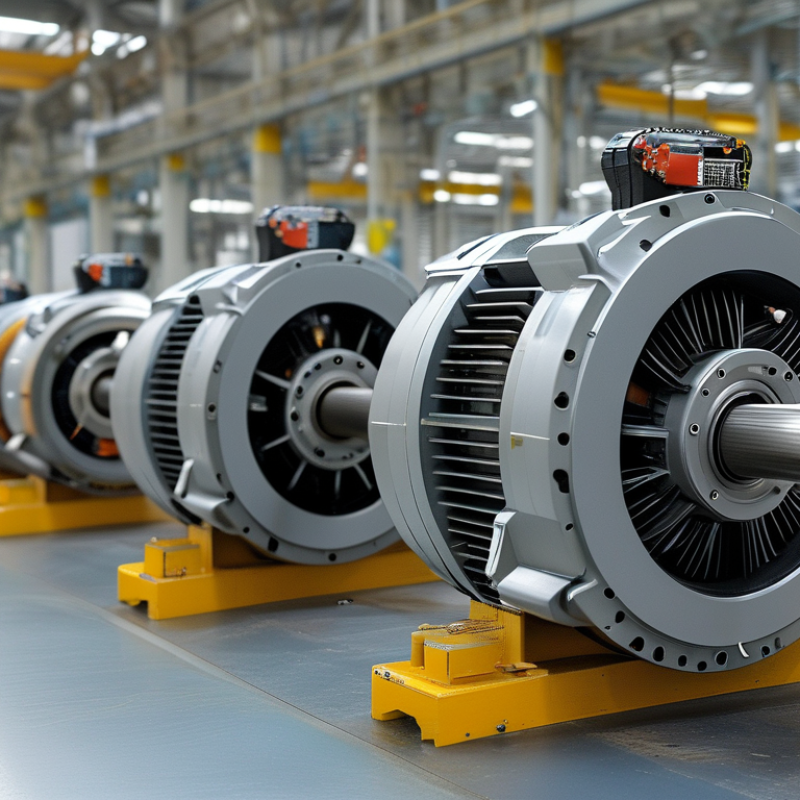
The global DC motor market is poised for significant growth in 2026. As industries evolve, the demand for efficient and reliable DC motors increases. These components power robotics, automation, and electric vehicles. Diverse applications drive innovation and competition among suppliers. Many manufacturers are investing in advanced technology. They seek to improve motor efficiency and reduce energy consumption.
Market trends indicate a shift towards miniaturization in design. Smaller motors without sacrificing performance are becoming a standard requirement. This presents both challenges and opportunities for suppliers. They must adapt to changing needs while leveraging technical expertise. The integration of smart features is another trend. Motors equipped with IoT technology offer better control and diagnostics.
However, challenges such as supply chain disruptions persist. Quality assurance remains critical to maintaining customer trust. Suppliers need to focus on building strong relationships. Transparency in sourcing and production processes is essential. Companies must balance innovation with reliability to thrive in this competitive landscape. Adaptability will determine the leading players in the future.
When selecting top DC motor suppliers, several key criteria should be prioritized. Reliability stands out as crucial. According to industry reports, approximately 30% of project failures stem from unreliable components. Ensure suppliers provide consistent performance data. This information builds confidence in their product longevity.
Quality certifications are equally important. A supplier with ISO certification indicates adherence to international standards. These certifications reflect a commitment to quality control and operational excellence. While many companies claim high standards, scrutiny of their compliance records can reveal inconsistencies.
Customer support is another vital factor. Suppliers should offer robust technical support and warranty options. Recent surveys suggest that 40% of buyers prioritize post-purchase service. A responsive support team can significantly reduce operational downtime. Reviewing online forums can highlight experiences and reveal both strengths and weaknesses of suppliers. This reflective approach aids in informed decision-making.
As the global demand for DC motors grows, understanding the profiles of leading suppliers is essential. According to a recent market analysis, the DC motor market is projected to reach 20 billion USD by 2026. This growth is driven by applications in automotive, robotics, and consumer electronics. Major suppliers are focusing on innovation to enhance efficiency and integrate smart technologies into their motors.
However, not all suppliers can guarantee reliability and quality. Industry experts emphasize the importance of evaluating the supply chain. Disruptions in raw material sourcing have impacted motor production timelines. Buyers must scrutinize supplier practices. Transparency in manufacturing processes and sustainable sourcing is key.
Competitiveness in this sector is high. Suppliers must not only deliver products but also provide comprehensive support services. Technical assistance can make a difference in performance. Buyers often overlook the importance of these services during selection. Quality assurance processes vary significantly among suppliers. This inconsistency can lead to operational risks. Engaging with suppliers who prioritize quality can mitigate potential issues.
In 2026, the landscape of DC motor suppliers is expected to evolve significantly. Market share analysis will reveal shifts in dominant players. Factors influencing this include technological advancements, supply chain dynamics, and changing customer preferences. Companies are increasingly focusing on efficiency and sustainability.
Understanding individual supplier performance is crucial. Key metrics may include production capacity, innovation rate, and customer satisfaction. Market leaders will need agility to adapt to these changing demands. Smaller suppliers may emerge, challenging established firms. This could create opportunities for niche players. Buyers must remain vigilant in evaluating supplier capabilities.
Reliability and performance remain pivotal in supplier selection. The criteria used for assessment will become more refined. A supplier's ability to deliver consistently is vital to business success. However, firms must reflect on past partnerships. Learning from previous experiences can guide better decisions in the future. In an ever-competitive market, maintaining a strong supplier relationship is essential.
As we approach 2026, the DC motor supply industry faces several transformative trends. The global push for sustainability pressures manufacturers to innovate. A recent report suggests that the electric motor market will grow by almost 10% annually. This growth is driven by increasing demand for energy-efficient solutions in various sectors, from automotive to industrial applications.
Digitalization also reshapes the landscape. Industry 4.0 technologies are now common in motor design and production. This enhances performance and reduces costs. However, not every supplier adapts quickly. There are gaps in technology adoption among companies, which could impact their market position.
Tip: Buyers should evaluate suppliers not just on price, but also on their innovation capabilities. Consider those who invest in research and development to stay competitive. Another key consideration is the supplier's sustainability practices. Ethically produced motors could make a significant difference in environmental impact.
While rapid growth offers opportunities, it also presents challenges. Supply chain disruptions can occur due to raw material shortages. Industry participants must reflect on how to mitigate these risks. Being aware of market volatility is vital for long-term planning.
: Demand from automotive, robotics, and consumer electronics is driving growth. The market may reach 20 billion USD by 2026.
Buyers should evaluate the entire supply chain. They must scrutinize sourcing and manufacturing processes for transparency.
Technical assistance can significantly influence motor performance. Buyers often overlook this, which may lead to issues later.
Sustainability pressure and digitalization are key trends. These require suppliers to innovate and adapt quickly.
Evaluate suppliers based on R&D investments and ability to adapt. Innovation is just as important as price.
Supply chain disruptions from raw material shortages are common. Companies must find ways to mitigate these risks.
Quality assurance processes vary widely. This inconsistency can create risks in operations for buyers.
Awareness of market changes is crucial. It helps suppliers and buyers adjust strategies and minimize disruptions.
Ethically produced motors can reduce environmental impact. Buyers should prioritize suppliers with strong sustainability practices.
Yes, some suppliers lag in adopting new technologies. This can disadvantage them in a competitive market.
The global DC motor market is projected to experience significant growth in 2026, driven by advancements in automation and electric vehicles. In selecting top DC motor suppliers, buyers should consider criteria such as technological innovation, production capacity, and customer service.
Leading suppliers in the industry are expected to demonstrate strong market share and performance metrics, reflecting their ability to meet the evolving demands of various applications. Additionally, ongoing trends such as energy efficiency and the integration of smart technologies will shape the dynamics of the DC motor supply industry, making it essential for stakeholders to stay informed about the latest developments.
