In the fast-paced world of automotive parts, understanding "Motor In Stock" is essential. According to Jane Foster, a leading expert in automotive supply, "Finding the right motor can save time and money." This statement reflects the challenges faced by many when seeking the best deals in the market.
Motor In Stock refers to a selection of readily available motors that can power various vehicles. These motors may vary significantly in price and quality. For buyers, knowing how to identify a reputable source is crucial to avoid costly mistakes.
While some websites claim to offer the best deals, not all are trustworthy. Buyers must do their research. Look for reviews and seek recommendations. Despite the abundance of options, not every deal is genuine. Fostering a critical approach will lead to better, more informed purchasing decisions.
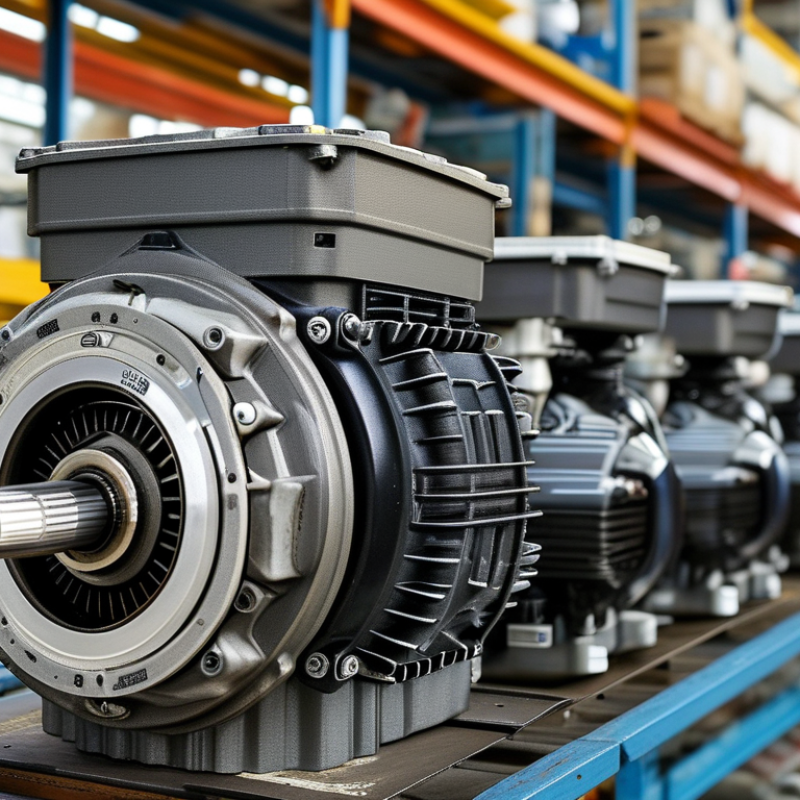
Understanding what "Motor In Stock" means is crucial for anyone interested in buying motors. It refers to the availability of motors that are ready for purchase. This term is essential in retail, as it indicates current inventory levels. Knowing whether a motor is in stock can save you time and frustration when searching for specific models.
The importance of motors in stock cannot be overstated. When you need a motor for an urgent project or replacement, delays in availability can lead to setbacks. An in-stock motor means quicker access and less downtime. However, it’s wise to consider quality and reliability over just price. A low-cost option may not always be the best choice. Sometimes, seeking deals can lead to subpar products, which may not last long.
Finding the best deals for motors requires more than just looking for the lowest price. Research can uncover reputable sellers who prioritize quality. Reading reviews and checking ratings is a good practice. It’s also beneficial to compare features and specifications before making a purchase. Always keep in mind that the ultimate goal is to find a balance between price and reliability.
When exploring motors commonly found in stock, it's essential to understand their diverse applications. Electric motors are among the most prevalent. They convert electrical energy into mechanical energy. These motors vary in size and power, making them suitable for everything from household appliances to industrial machinery.
Another type is the stepper motor. This motor moves in discrete steps, allowing precise control. Stepper motors are vital in robotics and CNC machines. Their accuracy is beneficial for tasks that require meticulous positioning. Additionally, servo motors are popular for automation. They provide closed-loop control, ensuring that the output meets the desired input.
Understanding these motor types helps in finding the best deals. However, not every stock motor may fit your specific needs. Carefully assess the power ratings and compatibility before making a purchase. Sometimes, you may find used motors at a lower price. But, always check their condition and reliability. This will help you avoid potential issues down the line. A thoughtful approach can guide you toward making the right choice.
When evaluating the quality of motors in stock, several key factors must be considered. Start with the motor type. Different motors serve unique purposes, whether it's an AC, DC, or stepper motor. Each type has its efficiency ratings and performance characteristics. According to industry statistics, high-efficiency motors can lead to a 5-15% reduction in energy costs. This savings can significantly impact operational expenses over time.
Next, inspect the specifications of the motor. Pay close attention to power ratings, torque capabilities, and RPM ranges. These elements define how well a motor will perform in its intended application. Reliability is crucial; motors should have a proven track record of durability. A recent report from the Electric Power Research Institute highlighted that well-maintained motors can last 15-20 years. Regular maintenance schedules help extend the service life significantly.
Tips: Always ask for performance data when purchasing. Check for efficiency ratings certified by recognized authorities. Don't shy away from inquiring about previous performance records. Quality assurance is essential in avoiding potential failures and ensuring optimal performance in the long term.
Another point to reflect on is customer reviews and feedback. Testimonials provide real-world insights beyond technical specifications. Trends in customer reports can indicate recurring issues or strengths in particular motor types. Sometimes, the most advertised options may not deliver the expected results based on user experiences. Always weigh the data against the feedback to ensure sound decision-making.
| Motor Type | Power Rating (HP) | Voltage (V) | Efficiency (%) | Price ($) | Warranty (Years) |
|---|---|---|---|---|---|
| Induction Motor | 1.5 | 230 | 85 | 299 | 2 |
| Brushless DC Motor | 2.0 | 48 | 90 | 450 | 3 |
| Synchronous Motor | 5.0 | 400 | 92 | 1100 | 5 |
| Stepper Motor | 0.5 | 24 | 80 | 150 | 1 |
| AC Motor | 3.0 | 220 | 88 | 400 | 2 |
Finding the best deals on motors in stock requires a strategic approach. Many buyers overlook useful data that can guide their decisions. A recent industry report from Statista indicates that the motor market is projected to grow by 3.5% annually. Understanding this trend helps buyers anticipate price changes and stock availability.
Start by comparing prices across different suppliers. Utilize online platforms that aggregate prices from reputable distributors. According to a survey, over 70% of successful buyers use these comparisons to secure better deals. Additionally, watch for seasonal sales. Often, suppliers reduce prices during the off-peak months.
Don’t hesitate to negotiate. Many sellers are open to price discussions, especially if you offer bulk purchases. However, be aware that not all motivations are clear. Some sales may indicate overstock, while others might signal low demand. It’s essential to evaluate each deal's context. Keep an eye on product reviews and customer feedback. This information adds to your understanding of product reliability.
When purchasing motors in stock, it's crucial to ensure safe and successful transactions. Start by researching the seller's reputation. Look for customer reviews and feedback on their past sales. Reliable sellers often have a history of positive interactions. Use this information to build trust before making a purchase.
Inspect the motor thoroughly before finalizing the transaction. Ask for detailed photos or videos if buying online. Check for any signs of damage or wear. Request documentation demonstrating the motor's condition and maintenance history. Sometimes, visual checks won't be enough, leading to unexpected issues later.
Consider payment methods wisely. Avoid using unconventional payment systems that offer little protection. Credit cards or trusted payment platforms provide a safety net. However, remember that no system is foolproof. Always stay vigilant for potential scams. Trust your instincts, especially if something feels off during the deal.
This chart represents the average price trends for various types of motors in stock over the year 2023. The data indicates how prices fluctuate based on market demand and availability.
: "Motor In Stock" refers to the availability of motors ready for purchase.
It saves time and frustration when searching for specific models.
Check motor type, power ratings, torque, and RPM ranges.
Focus on quality and reliability over just the price.
Compare prices across different suppliers and use online platforms.
Yes, they can provide real-world insights beyond technical specs.
Yes, especially for bulk purchases, but be aware of seller motives.
Overlooking useful data that guides better decision-making.
They can last 15-20 years with proper maintenance.
Type of motor, specifications, and regular maintenance practices.
Motor In Stock refers to the availability of various types of electric motors that are readily accessible for purchase. Understanding the importance of having the right motors in stock is crucial for multiple applications, including industrial, commercial, and residential needs. This article outlines the common types of motors, such as AC motors, DC motors, and servo motors, highlighting their specific uses and benefits.
When searching for the best deals on Motor In Stock, it's essential to evaluate the quality of the motors by considering key factors like efficiency, durability, and warranty. Effective strategies include shopping around, leveraging online marketplaces, and seeking out seasonal promotions. Additionally, tips for ensuring safe and successful transactions involve verifying seller credentials and understanding return policies, thus providing a comprehensive approach to purchasing motors in stock confidently.
