Top Permanent Magnet Motor Manufacturers Worldwide?

Time:2026-10-07 Author:Isabella
0%

The global race for Permanent Magnet Motor leadership is no longer limited to factory output. Efficiency, material security, engineering depth, and after-sales support now shape serious comparisons.

The International Energy Agency reported more than 14 million electric cars sold worldwide in 2023. Many use permanent-magnet traction motors because they deliver strong torque in compact packages. The U.S. Department of Energy also identifies motor-driven systems as major industrial electricity users. Small efficiency gains matter.

Market forecasts remain useful, but they are not perfectly consistent. Grand View Research projects continued growth in the permanent magnet motor market, while Fortune Business Insights reports different values and growth rates. These variations reflect changing definitions, currencies, and regional coverage. Readers should examine the methodology, not only the headline number.

Professor K. T. Chau, a widely cited electric-machine researcher, has emphasized that permanent-magnet machines provide “high torque density and high efficiency.” That advantage appears in practical details: lighter vehicle drivetrains, quieter pumps, and smaller industrial actuators. Yet magnets introduce supply-chain concerns, especially around rare-earth materials and price volatility.

Performance is not everything.

A reliable worldwide manufacturer must balance design quality, production scale, thermal management, controller compatibility, and responsible sourcing. This overview compares leading companies through those lenses. It also recognizes an uncomfortable limitation: rankings can change quickly when patents, regional factories, or raw-material contracts shift. The strongest name today may not remain strongest tomorrow.
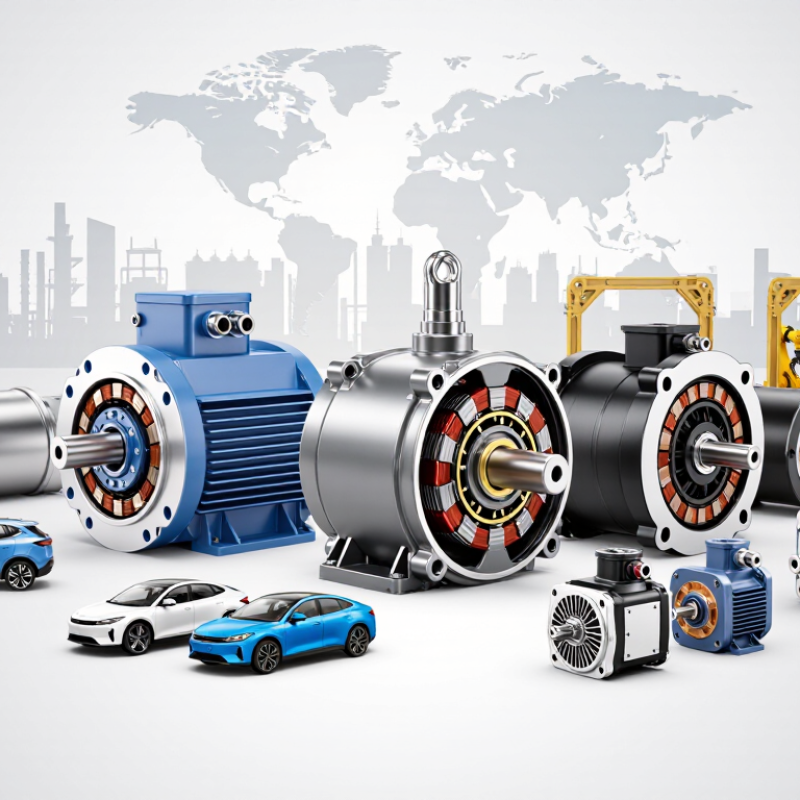
Top Permanent Magnet Motor Manufacturers Worldwide?

Permanent Magnet Motors: Definition, Design, and Operating Principles

Permanent magnet motors use fixed magnets to create the rotor’s magnetic field. Unlike induction motors, they do not need rotor current to produce magnetism. This reduces electrical losses and can improve efficiency in compact equipment. The design includes a stator, rotor, permanent magnets, bearings, and an electronic controller. The magnets may sit on the rotor surface or inside its steel core. Each arrangement changes cooling, strength, and manufacturing cost.

During operation, stator windings receive carefully timed current. This creates a rotating magnetic field that pulls the rotor around. The controller adjusts current according to rotor position, often using sensors or sensorless feedback. Torque depends on magnetic strength, current, winding geometry, and speed. At high speed, back electromotive force limits voltage and available torque. That detail is easy to underestimate.

Tips: Match the motor to its load profile, not only its rated power. Check starting torque, continuous temperature, peak speed, and controller compatibility. Provide a clear heat path through the housing. Poor cooling can weaken magnets permanently. Engineers should also inspect cogging torque, vibration, and acoustic noise during testing. A motor that performs well on a bench may behave differently under dust, frequent acceleration, or uneven loads. I would not treat efficiency figures as universal; test conditions can change the result.

Key Criteria for Evaluating Global Motor Manufacturers

Choosing a permanent magnet motor manufacturer requires more than comparing catalog ratings. Evaluate engineering evidence, production discipline, and support after delivery. Ask for measured efficiency curves, torque-speed data, thermal limits, and demagnetization tests. A credible supplier explains test conditions clearly. Numbers without conditions can mislead. In practical projects, I also inspect sample housings, shaft tolerances, connector quality, and vibration behavior. Small details matter.

Global capability should be judged through traceable quality systems, not factory size alone. Review material sourcing, rotor balancing, insulation methods, and end-of-line testing. Request batch records and independent verification for critical claims. Experience with similar loads is valuable, especially where motors face dust, heat, frequent starts, or narrow installation spaces. Service responsiveness matters too. Can the manufacturer diagnose a failed unit remotely? Can it provide replacement parts and realistic lead times? Certification helps, but it does not replace application testing. A motor may pass a standard test and still perform poorly in a real machine. That gap deserves attention.

Tips: Compare at least three technical proposals using the same duty cycle. Check efficiency at partial load, not only rated output. Request a sample before signing a large contract. Visit the plant when possible, but do not treat a polished tour as proof. I would also ask for failure data. Suppliers may hesitate. Their response is useful information. Leave room for uncertainty, because early specifications are often incomplete.

Top Permanent Magnet Motor Manufacturers Worldwide? — Key Criteria for Evaluating Global Motor Manufacturers

Magnet material capability is one measurable benchmark when comparing permanent magnet motor manufacturers. The chart shows representative remanence ranges for commonly used permanent-magnet materials; actual motor efficiency, torque density, thermal stability, and service life also depend on the manufacturer’s design and quality-control systems.

Typical remanence ranges: NdFeB 1.0–1.4 T, SmCo 0.8–1.15 T, and ferrite 0.2–0.45 T. These are material-level reference ranges, not company or brand performance data.

Leading Permanent Magnet Motor Manufacturers by Region

Permanent Magnet Motor Manufacturers by Region
East Asia

East Asia remains a major production center for permanent magnet motors. Manufacturers there often combine automated winding lines with high-volume magnet assembly. Their products serve pumps, compressors, robotics, and electric vehicles. Factory audits should examine rotor balance, insulation testing, and temperature records. A polished catalog is not enough.

European Manufacturers

European manufacturers usually emphasize efficiency, acoustic control, and compliance with demanding industrial standards. Many provide customized motors for rail systems, machine tools, and renewable energy equipment. Buyers should request test data at partial loads, not only rated output. Small details matter. Shaft tolerances can affect vibration after months of operation.

North American Manufacturers

North American manufacturers often focus on engineered systems and local technical support. Their teams may adapt cooling structures, sensors, and control software to specific installations.

South Asia and Southeast Asia

In South Asia and Southeast Asia, production capacity is expanding, especially for industrial drives and energy-saving equipment. Quality can vary between facilities, even within one supplier group. This is easy to overlook. A reliable assessment should compare warranty terms, spare-part access, salt-spray resistance, and service response times. Regional strength helps, but application knowledge matters more. Manufacturers may also need to explain rare-earth sourcing and end-of-life handling clearly. That conversation is sometimes incomplete.

Product Types, Performance Features, and Industrial Applications

Top Permanent Magnet Motor Manufacturers Worldwide

Leading permanent magnet motor manufacturers differ by design expertise, testing depth, and application support. Their product ranges often include permanent magnet synchronous motors, brushless DC motors, servo motors, and high-speed units. Each type serves a different operating profile. PMSMs deliver stable torque and strong efficiency for pumps, compressors, and production lines. Brushless DC motors suit compact equipment, fans, and automated tools. Servo motors provide accurate positioning in robots and CNC machinery. Axial-flux designs offer promising torque density, although their thermal management can be demanding.

Performance depends on more than rated power. Engineers should examine efficiency across the actual load cycle, not only the headline peak. Important details include torque ripple, demagnetization resistance, winding insulation, bearing life, cooling method, and protection rating. In factories, a motor may face dust, vibration, frequent starts, and limited maintenance access. Manufacturers with documented testing, traceable materials, and responsive field engineers are easier to trust. However, published figures can look perfect. Real installation data may tell a less comfortable story.

Tips: Request load-cycle test results, temperature-rise records, and service references from similar industries. Compare total operating cost, not purchase price alone. Check inverter compatibility early. A technically excellent motor can still underperform when controls, cooling, or alignment are poorly matched. This point is often overlooked.

Market Trends and Future Developments in Permanent Magnet Motors

Top Permanent Magnet Motor Manufacturers Worldwide?

Permanent magnet motor manufacturing is moving toward higher efficiency, compact designs, and smarter control systems. Worldwide producers are improving rotor balance, thermal management, and automated winding accuracy. These details matter in electric vehicles, industrial robots, pumps, compressors, and renewable energy equipment.

Rare-earth material prices remain a serious concern. Engineers are testing reduced-magnet designs and alternative magnetic materials. Some solutions lower costs but may sacrifice torque density or operating temperature. That trade-off is not always clear. Testing under real loads remains essential. Digital simulation helps, but it cannot fully replace long-term field experience. Future motors will likely combine embedded sensors, predictive maintenance, and recyclable components. Manufacturers with strong testing laboratories may gain greater trust. Yet, performance claims should be checked against independent data, not promotional language.

Tips:

Compare efficiency across the full operating range, not only at peak load. Ask for thermal test results, noise measurements, and service-life data. Check whether the manufacturer can support customization and local maintenance. A slightly cheaper motor may create higher energy costs later. Standards help, but they do not remove every design risk. Teams should review installation conditions carefully, especially dust, humidity, vibration, and frequent starts.

FAQS

What should buyers compare when evaluating a permanent magnet motor manufacturer?

Compare measured efficiency curves, torque-speed data, thermal limits, and demagnetization tests. Use the same duty cycle for every proposal. Catalog ratings alone can mislead.

Why are test conditions important?

Efficiency numbers need temperature, load, speed, and measurement details. Without conditions, two impressive figures may not be comparable. Ask for complete test reports.

What physical details should buyers inspect?

Inspect sample housings, shaft tolerances, connectors, insulation, and vibration behavior. A loose shaft can create noise after months of operation. Small details matter.

How can buyers assess production quality?

Review material sourcing, rotor balancing, insulation methods, and end-of-line testing. Request batch records and independent verification for critical claims. Factory size proves little.

Should buyers request a sample motor?

Yes, request a sample before signing a large contract. Test it under realistic heat, dust, starts, and installation limits. One sample is not enough evidence.

Does certification guarantee good field performance?

No. Certification supports compliance, but it does not replace application testing. A motor can pass a standard test and still perform poorly in a real machine. That gap matters.

How should after-sales support be evaluated?

Ask whether technicians can diagnose failures remotely. Check replacement-part availability, warranty terms, and realistic lead times. Service delays can stop an entire production line.

Does regional manufacturing strength determine the best choice?

Regional strengths differ, but application knowledge matters more. Some regions emphasize volume, efficiency, customization, or local support. Quality may vary between facilities.

What failure information should buyers request?

Ask for failure data, recurring defects, and corrective actions. Suppliers may hesitate. That response itself provides useful information. Early specifications are often incomplete, so leave room for uncertainty.

Conclusion

This guide explains the structure, operating principles, and key advantages of the Permanent Magnet Motor, including how permanent magnets create a magnetic field that supports efficient torque generation. It also presents practical criteria for evaluating manufacturers worldwide, such as engineering capability, production quality, energy efficiency, customization options, reliability, certification, technical support, and after-sales service.

The article compares leading manufacturing regions by examining their technological strengths, supply capabilities, and application expertise. It covers major product types, including compact motors, high-performance industrial units, and specialized drive systems, along with important features such as high power density, low maintenance, quiet operation, and precise control. Typical applications include automation, electric transportation, renewable energy equipment, robotics, and industrial machinery. Finally, it reviews market trends and future developments, including smarter motor control, improved materials, integrated systems, greater energy efficiency, and growing demand for sustainable electrification solutions.

Isabella

Isabella

Isabella is a dedicated marketing professional with a sharp focus on driving brand growth and engagement through strategic content creation. With an extensive background in digital marketing, she combines her passion for storytelling with her keen understanding of industry trends to deliver......