Choosing a Solar DC Motor starts with the job it must perform, not the largest wattage printed on a product page. A small pump, a model vehicle, and a ventilation fan place very different demands on a motor. Define the required speed, load, operating hours, and conditions before comparing models. Small details matter.
Check the motor’s rated voltage and current against the solar panel and controller. A panel’s advertised output is measured under favorable test conditions; real sunlight changes with clouds, angle, heat, and shade. The motor may also draw extra current when starting or carrying a heavy load. Review its datasheet, and allow the controller and wiring to handle the expected current safely. For example, a pump lifting water several meters may need more starting torque than its steady running figures suggest.
Then compare torque, speed, efficiency, mounting dimensions, and environmental protection. If the motor will sit outdoors, dust and moisture ratings deserve attention. A battery can smooth out changing sunlight, but it adds cost, weight, and maintenance. Direct panel operation may be simpler, though performance can vary during the day. There is no perfect pick. I have seen neat specifications look convincing, yet the motor still disappoint when the load was measured poorly. That is worth admitting. Reliable selection comes from matching verified specifications to real operating conditions, then testing the complete setup under a representative load. This guide explains the key checks and trade-offs, so you can choose a Solar DC Motor with clearer expectations and fewer avoidable surprises.
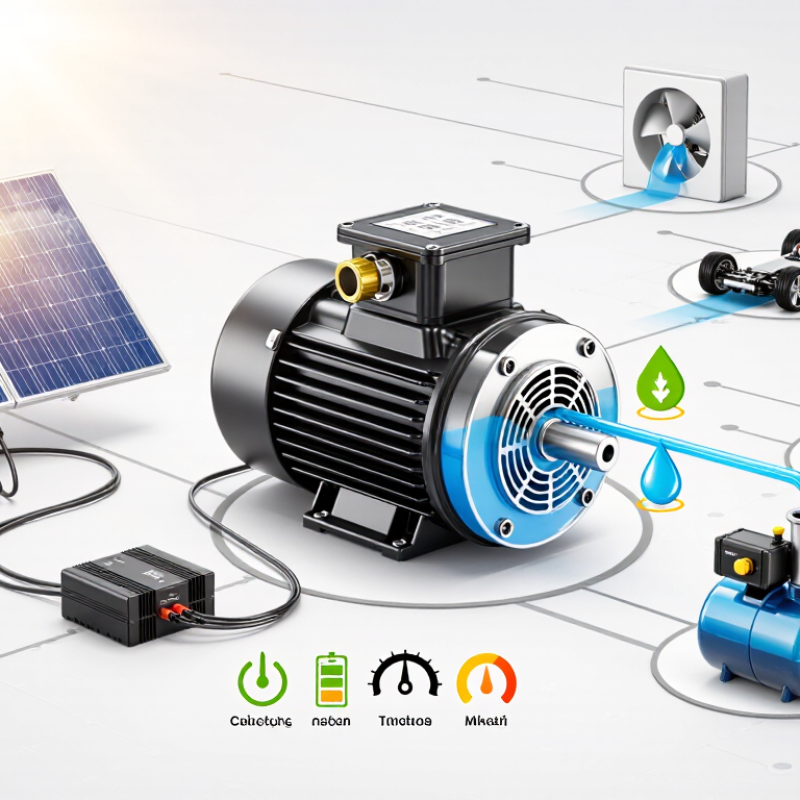
Before choosing a solar DC motor, describe exactly what it must move. A small gate, rotating display, and water valve have very different motion profiles. Record the load’s weight, travel distance, direction changes, and required movement time. Small details matter. A hinged panel may feel light by hand but need substantial starting torque when wind presses against it.
Estimate the torque needed to start and keep the load moving, including friction and any gears or linkages. Then define speed and duty cycle: does the motor run for seconds, or operate repeatedly throughout the day? For example, an actuator moving a panel 30 centimeters twice daily has different needs from a fan running for hours. Leave a margin for extra resistance. My first estimates are often optimistic; a stiff bearing can change the result.
Match the motor’s operating voltage and current to the solar supply and controller, not just its advertised output. Sunlight varies, so consider how the system behaves in weak morning light and under a passing cloud. Check startup current, too; a motor may draw much more current while stalled than during normal motion. Test it outdoors. Measure movement time and temperature under a realistic load, then revise the torque or speed target if the mechanism struggles. That extra test can feel unnecessary, but skipping it has caused avoidable redesigns.
Before choosing a solar DC motor, measure the sunlight your project can reliably receive. A panel’s rated output assumes strong, direct sun, not a cloudy morning or partial shade from a nearby roof. Shade changes everything. Even a narrow shadow across a panel can reduce its usable output, depending on the panel and wiring. Check typical sunlight hours at the installation site, then allow for cloudy periods and hot operating conditions. Panel output often falls as cells heat up, so nameplate wattage alone can be misleading.
Match the motor’s voltage to the panel, controller, and any battery in the system. A motor labeled for 12 volts may not run well when panel voltage rises or dips, so use a suitable controller to regulate power. Compare the motor’s running current with the panel’s available current, and check the startup or stall current too. Starting a loaded pump or wheel can demand much more current than steady operation. That matters. If the system includes a battery, confirm that its voltage and discharge capability suit the motor and controller. Measure actual voltage and current under load when possible; my first estimates have been too optimistic in changeable sun. Leave a practical margin, and test the assembled setup during the hours it will normally run.
A solar DC motor should match both the mechanical load and the changing power available from the panels. Brushed motors are simple to wire and often suit small pumps or hobby mechanisms. Brushless motors can run efficiently and need an electronic controller, which adds setup complexity. A geared motor may deliver stronger turning force at lower speed, useful for moving a small gate or lifting a load. I’d compare these types against the actual job, not just their advertised efficiency.
Check rated voltage, operating current, torque, speed, and duty cycle together. A motor marked 12 volts may draw much more current when starting or stalled, so compare its startup demand with the panel and controller output. Solar power also shifts with clouds and panel angle. A controller with suitable current handling can regulate speed or protect the motor; PWM control is common, while some brushless models require a matched electronic drive. Don’t size only for a bright, cool test day. I’ve seen that assumption cause disappointing starts.
Tips: Check the load first. Leave room for startup current, and test the motor under realistic sunlight. If the shaft slows or the motor heats up, revisit the gearing or controller settings.
How to Choose a Solar DC Motor for Your Project?
Match the motor’s electrical demand to the power your solar system can deliver. Check its rated voltage, running current, torque, and speed under the actual load. A pump lifting water, for example, may draw more power as the required lift increases. Starting can also create a brief current surge, so a panel sized only for steady operation may leave the motor struggling.
Estimate panel output using its operating voltage and current, then account for sunlight, heat, wiring, and controller losses. NREL’s PVWatts Version 5 Technical Reference uses a 14% default system-loss assumption. That figure is a planning reference, not a guarantee for a small motor system. A suitable battery can help bridge clouds and startup demand, while a compatible controller can regulate power between the panel and motor. Real systems are messier.
Tips: Compare the motor’s startup current with the controller’s limit, not just its continuous rating. Leave a practical power margin, and test the system under the hottest, weakest-sun conditions you expect. I would not trust a perfect-weather bench test alone; it can hide a poor match.
Match Motor Demand to the Solar Panel and Power System
These illustrative values use motor input power calculated as voltage × current. Estimated panel ratings allow for 80% usable output (motor input power ÷ 0.8); actual requirements vary with sunlight, temperature, system components, and motor startup or stall current. Check the motor’s operating specifications and size the controller and any battery for the real load.
How to Choose a Solar DC Motor for Your Project?
Check Mechanical Fit, Operating Conditions, and Protection
Start with the mechanical fit, not the advertised wattage. Measure the mounting footprint, shaft diameter, and available clearance. Check the load’s torque and speed needs across its full travel, including startup. A motor that fits neatly may still stall under load. Leave room for alignment errors and vibration.
Match the motor’s voltage and current range to the solar panel and controller. Sunlight changes throughout the day, so rated power alone does not predict reliable operation. The NREL-authored review “Photovoltaic Degradation Rates—An Analytical Review” reported a median module degradation rate of about 0.5% per year across nearly 2,000 reported rates. That is useful context for long-term sizing, not a guarantee for every installation. A spreadsheet can still miss a cloudy week.
Check the operating environment before choosing protection. Dust, rain, heat, and condensation can shorten service life or cause failure. Select an enclosure rating suited to the actual exposure; IEC 60529 defines IP protection classifications for dust and water ingress. Also verify the motor’s temperature limits and duty cycle. Test startup current with the intended controller and load. Small details matter. A slightly larger protection margin may help, but excessive sealing can trap heat, so review ventilation and mounting conditions too.
| Selection Dimension | What to Check | Example Project Data or Guidance | Why It Matters |
|---|---|---|---|
| Mechanical mounting | Mounting holes, bolt pattern, shaft diameter, shaft length, and available installation space. | Record the existing mounting-hole spacing and shaft dimensions in millimeters, then compare them with the motor drawing before ordering. | A motor with suitable electrical ratings may still be impossible to install if its shaft or mounting dimensions do not match. |
| Load and torque | Continuous load torque, starting torque, and any peak load during acceleration or startup. | For a 150 W mechanical output at 1,500 rpm, rated shaft torque is approximately 0.95 N·m. Confirm that the motor can also handle the load’s starting torque. | Rated torque alone may not be enough for loads that are difficult to start, such as pumps or mechanisms under pressure. |
| Speed and gearing | Required operating speed and whether a gearbox, belt, or other transmission is needed. | Compare the required shaft speed with the motor’s rated speed under the intended voltage and load. Check gearbox output speed and torque if reduction is required. | Speed and torque change with the motor’s operating point; a gearbox can reduce speed while increasing available output torque. |
| Rated voltage | Motor rated voltage and the output range of the solar system’s controller. | Common DC system nominal voltages include 12 V, 24 V, and 48 V. Match the motor to a compatible controller rather than assuming the panel’s voltage is constant. | Panel voltage varies with sunlight, temperature, and load. A suitable controller helps keep the motor within its allowable electrical limits. |
| Power and current | Continuous motor power, expected operating current, startup current, and controller current rating. | As an estimate, a 150 W output motor at 24 V and 80% efficiency draws about 7.8 A at that operating point: 150 W ÷ (24 V × 0.80). Use the motor datasheet for actual current and startup requirements. | The controller, wiring, connectors, and protective devices must be sized for the actual current, including relevant startup or peak demand. |
| Solar availability | Available solar power, daily operating hours, shading, and whether energy storage is included. | Estimate energy demand as motor electrical input power multiplied by operating hours. Check that the PV array and any battery system can supply the required energy under expected conditions. | A motor may run below its expected speed or stop when available solar power is insufficient for the load. |
| Operating environment | Ambient temperature, humidity, dust, rain, vibration, and exposure to corrosive conditions. | Use the motor manufacturer’s stated temperature and environmental limits. For outdoor installations, assess enclosure rating and corrosion resistance for the actual site. | Environmental conditions affect motor life and safe operation; acceptable limits vary by motor and enclosure design. |
| Ingress protection | IP rating required for the installation location and likely exposure. | Under IEC 60529, IP54 indicates dust protection and protection against water splashes; IP65 indicates dust-tight construction and protection against water jets. Neither rating alone confirms suitability for immersion. | Choose a rating that matches the exposure, and verify the complete installed assembly—including connectors and cable entries. |
| Motor type and control | Whether a brushed or brushless DC motor is needed, and whether speed control or reversing is required. | Use a controller designed for the selected motor type and its rated voltage and current. Check whether the application requires speed regulation, soft start, or direction control. | Motor and controller compatibility affects startup, speed control, efficiency, and protection against abnormal operating conditions. |
| Electrical protection | Overcurrent protection, short-circuit protection, wiring size, and any required thermal protection. | Select a fuse or circuit breaker and conductor size according to the equipment ratings, installation method, and applicable electrical codes. Follow the motor and controller manufacturers’ instructions. | Correct protection helps reduce the risk of damage from faults or overloaded wiring; protection must be coordinated with the system components. |
| Duty cycle and maintenance | Continuous or intermittent operation, expected daily run time, and service access. | Check the motor’s rated duty and maintenance requirements. For brushed motors, review brush inspection or replacement intervals; brushless motors still require checks of bearings and connections. | The right duty rating and maintenance plan support reliable operation over the project’s expected service life. |
Note: Numerical values are illustrative selection examples, not universal motor specifications. Confirm final sizing, protection, and installation details using the motor, controller, and solar-system datasheets.
Check typical sunlight hours and note nearby roofs, trees, or other sources of shade. Even a narrow shadow can reduce usable panel output. Cloudy mornings count too.
Compare the motor’s rated voltage with the panel, controller, and battery voltages. A compatible controller can help regulate changing panel output. Measure voltage under load if possible.
A loaded pump may draw much more current when starting than while running steadily. Check the controller’s startup limit, not only its continuous rating. That detail matters.
Compare the panel’s operating voltage and current with the motor’s demand. Allow for heat, wiring, sunlight changes, and controller losses. A sunny bench test can be misleading.
A suitable battery can help cover brief clouds and startup demand. Check that its voltage and discharge capability match the motor and controller. Real systems are messier.
Measure the mounting footprint, shaft diameter, and available clearance. Check torque and speed across the full movement, including startup. Leave room for vibration and alignment errors.
Account for dust, rain, heat, and condensation at the installation site. Check the enclosure’s dust and water protection, plus the motor’s temperature limits and duty cycle. Tight sealing can trap heat.
Test it with the intended load and controller during normal operating hours. Include hot conditions and weaker sunlight. My early estimates were too optimistic.
Choosing a Solar DC Motor begins with clearly defining the project’s motion and performance needs, including speed, torque, duty cycle, and any starting-load requirements. Next, evaluate the available sunlight and electrical setup, such as panel output, voltage, current, and whether batteries or a controller will be used. These details help narrow down suitable motor types, ratings, and control options while ensuring the motor can operate reliably under changing power conditions.
The motor and solar system should be matched as a complete unit: consider peak and continuous power demand, startup current, and expected operating time when sizing the panel and supporting components. Finally, check that the motor fits the mechanical design and can handle the installation environment, including temperature, moisture, dust, vibration, and mounting constraints. Careful planning across these factors helps create an efficient, dependable system suited to the project’s real-world requirements.
