High Torque Motors play a crucial role in various industries. Their ability to produce significant torque at low speeds makes them indispensable for heavy machinery and electric vehicles. Dr. Alice Johnson, an expert in motor technology, once stated, "High Torque Motors are the backbone of efficient power delivery in demanding applications." This underscores their importance and versatility.
High Torque Motors function differently than standard motors. They typically utilize specialized designs, such as multi-pole configurations, to enhance torque output. This design allows them to handle challenging tasks, from lifting heavy loads to driving complex machinery. However, achieving the right balance between torque and efficiency can be tricky.
While High Torque Motors offer exceptional power, they are not without challenges. Engineers must consider factors like heat production and wear over time. These motors can require careful management to avoid potential failures. As advancements continue, the industry faces the ongoing task of improving reliability while enhancing performance. Balancing innovation with practical application is essential for continued progress in this vital field.
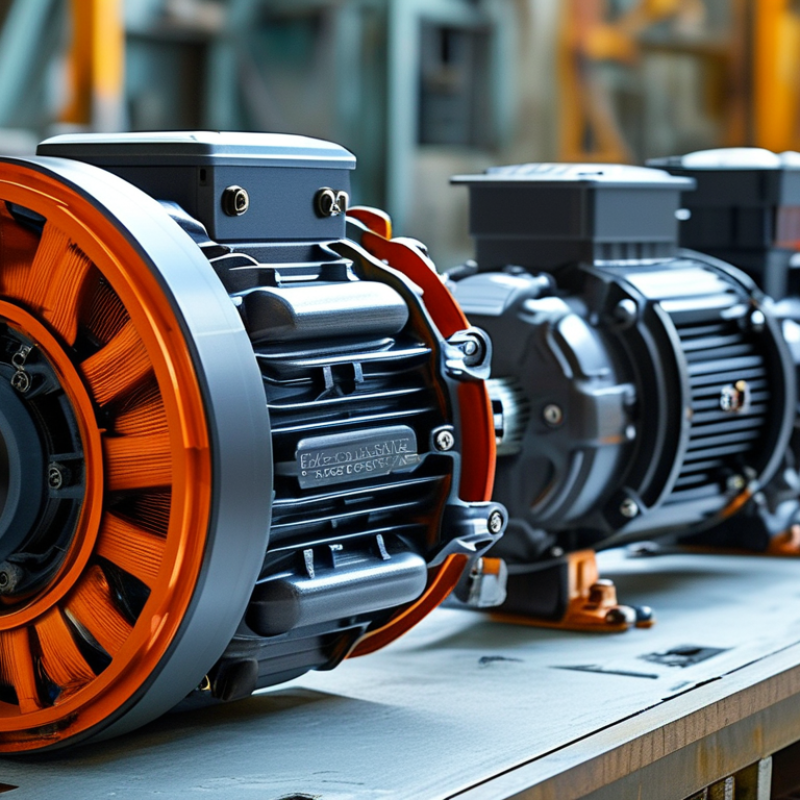
High torque motors are designed to provide a significant amount of rotational force, which is essential for many applications. These motors excel in settings that require heavy lifting or moving large loads. The main attribute of high torque is its ability to start and maintain movement under heavy conditions, making it invaluable in industrial machinery and robotics.
The mechanism behind a high torque motor involves the motor's winding and magnetic field configurations. By optimizing these components, engineers can enhance torque output while managing speed. This balance is crucial. However, not all designs are perfect. Some motors may overheat or be less efficient at high speeds. Testing and adjustment are vital to ensure reliability in real-world applications. Understanding these nuances is beneficial for those considering high torque motors for their projects.
| Dimension | Value |
|---|---|
| Motor Type | Brushless DC Motor |
| Torque Rating | 2.5 Nm |
| Voltage Rating | 48 V |
| RPM | 3000 RPM |
| Efficiency | 85% |
| Operating Temperature | -20 to 60 °C |
| Weight | 1.5 kg |
| Applications | Robotics, CNC Machines, Electric Vehicles |
High torque motors are designed to deliver greater twisting force. This feature is essential in applications requiring significant power at lower speeds. Key characteristics of these motors include their ability to maintain a consistent torque. They can operate efficiently under heavy loads, making them suitable for various industrial applications.
The construction of high torque motors often involves robust materials. This enhances their durability while operating under demanding conditions. The windings and magnetic components are optimized to improve the motor's performance. As a result, they exhibit better efficiency and reliability.
Tips: When selecting a high torque motor, consider the load requirements. Understand how your application will affect performance. Regular maintenance is crucial for longevity. Check for wear and tear frequently. Investing in quality components can save time and resources in the long run. Balancing costs and expectations is essential; not every high torque motor suits every need.
High torque motors are essential in various industries due to their ability to provide high rotational force at low speeds. These motors are commonly found in manufacturing setups, automotive applications, and robotics. In manufacturing, they power conveyor systems and heavy machinery, enabling efficient material handling and assembly processes. In automotive applications, they are used in electric vehicles for better acceleration and control.
Consider the robotics sector. High torque motors contribute to the precision of robotic arms. They allow for delicate operations required in assembly lines. Their strength ensures robotics can handle heavy components without compromising performance.
Tips: When selecting a high torque motor, assess your application’s specific needs. High torque and speed can often lead to increased wear. Regular maintenance is essential to prolong the motor's lifespan. Also, evaluate the motor’s fit within your system. Misalignment can reduce efficiency. Always use motors compatible with your machinery for optimal results.
High torque motors are known for their ability to produce significant rotational force. This exceptional strength makes them suitable for heavy-duty applications. Understanding how these motors operate mechanically is crucial. The core component is the rotor, which spins within a magnetic field. As electric current flows, it creates a magnetic effect, causing the rotor to turn vigorously. This principle is fundamental in various industries, from manufacturing to automotive.
The design of high torque motors allows for enhanced efficiency during operation. Specialized winding configurations help increase the magnetic field strength. This enhancement results in higher torque production at lower speeds. These motors often use gear mechanisms to amplify rotational force as well. However, care must be taken to ensure the gear system is well-aligned. Misalignments can lead to inefficiencies and excessive wear.
Generating high torque also means addressing potential overheating issues. Heat can accumulate quickly when the motor is under load. Implementing cooling systems or selecting appropriate materials can mitigate this risk. Regular maintenance and check-ups are essential to prevent breakdown. Operators should monitor performance metrics to ensure consistent operation. Understanding these mechanical principles can provide users with the knowledge to optimize their applications effectively.
High torque motors are essential in various applications where high starting torque or sustained power is required. They excel in scenarios such as heavy machinery, electric vehicles, and robotics. Compared to standard motors, high torque motors deliver more power at lower speeds. This ability allows for better control and efficiency, especially in demanding tasks.
Using high torque motors can reduce energy consumption. They often run cooler, reducing heat-related damages. This efficiency translates to longer lifespans, minimizing maintenance costs. In industries like manufacturing, these motors can increase productivity. They handle heavy loads more effectively than their standard counterparts.
Tips: When selecting a high torque motor, consider the specific requirements of your application. Ensure that the torque rating is suitable for your needs. Test the motor under load to observe its performance. Always remember that the right motor can drastically improve output and efficiency. Balancing cost and capability is crucial to making the best choice.
: High torque motors provide significant rotational force, ideal for heavy lifting and large loads.
They are found in manufacturing, automotive, and robotics industries, enabling efficient operations.
They optimize winding and magnetic fields to enhance torque output while managing speed.
Balancing torque output and speed is essential for their effectiveness in real-world applications.
Yes, some designs may overheat or be less efficient at high speeds, requiring careful testing.
It prolongs the motor's lifespan and helps prevent wear, which can negatively impact performance.
Evaluate specific application needs to ensure compatibility and efficiency within your system.
Misalignment can lead to reduced efficiency and increased wear, affecting overall performance.
They allow robotic arms to handle heavy components while maintaining precision in delicate tasks.
Overestimating their capabilities can lead to inefficiency and potential motor damage.
A High Torque Motor is a specialized type of electric motor designed to generate substantial torque at low speeds, making it ideal for applications requiring strong rotational force. Characterized by high efficiency, durability, and the ability to handle heavy loads, these motors are widely utilized in various industries, including manufacturing, robotics, and automotive sectors.
High Torque Motors operate mechanically through specific design features such as optimized winding configurations and strong magnetic fields, which enhance their torque output. Compared to standard motors, they offer significant advantages, including improved performance under load, better speed control, and extended lifespan, making them a preferred choice for tasks that demand high power and reliability.
