In the realm of automation and robotics, the DC Gear Motor plays a vital role. A report from the International Federation of Robotics indicates that the demand for such motors is expected to grow by 10% annually. This trend highlights their importance in industries ranging from manufacturing to automotive.
These motors are prized for their ability to efficiently convert electrical energy into mechanical power. Their compact size and high torque make them ideal for various applications. However, selecting the right DC Gear Motor involves understanding specific requirements. Factors such as voltage, speed, and load capacity should be carefully considered.
Despite the clear benefits, choosing a DC Gear Motor can be daunting. Misunderstanding specifications or application needs can lead to inefficiencies. Industry professionals often emphasize the need for a thorough analysis before purchase. Being informed is key to maximizing the motor's potential and ensuring project success.
Definition and Components of a DC Gear Motor
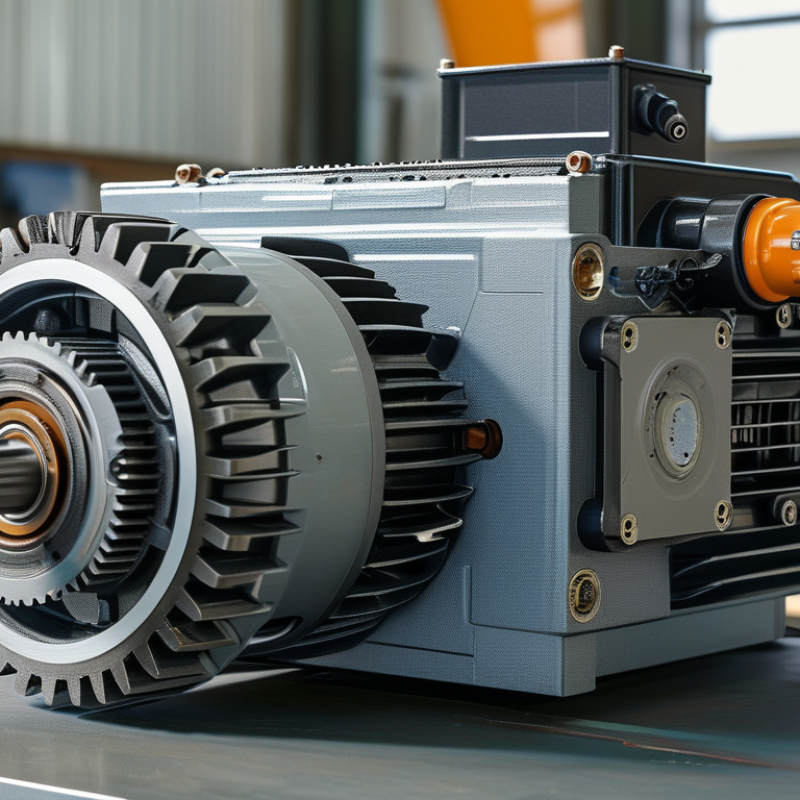
A DC gear motor is a vital component in many mechanical systems. Its design combines a direct current (DC) motor with a gear train. This combination enhances torque while reducing speed. The primary parts of a DC gear motor include the motor, gears, housing, and output shaft. Each element plays a crucial role in ensuring efficient operation.
The motor generates rotational force. However, this force is often too high for some applications. This is where the gear system comes into play. By using various gear ratios, the torque can be increased while speed decreases. This balance is essential for tasks like robotics or conveyor systems. The housing protects internal components, ensuring longevity and reliability.
Choosing the right DC gear motor requires a keen understanding of your needs. Consider factors such as load weight, desired speed, and environmental conditions. It is important to note that not every motor suits every application. Examining specifications can reveal potential mismatches. Reflecting on these details is crucial for achieving optimal performance.
DC Gear Motor Specifications and Performance
Common Applications of DC Gear Motors in Various Industries
DC gear motors are widely used in various industries due to their efficiency and versatility. In robotics, these motors enable precise movement and control. For example, the use of DC gear motors can be seen in robotic arms, which require accuracy for delicate tasks. According to a report by Transparency Market Research, the global robotics market is expected to grow at a CAGR of over 20% from 2021 to 2028. This surge indicates an increasing reliance on DC gear motors for advanced applications.
In the automotive sector, DC gear motors play a pivotal role in power windows and seat adjustments. These devices require reliable motors that can withstand repetitive use. The automotive industry, as per a report by Statista, is projected to reach a market size of around $1 trillion by 2025, emphasizing the importance of durable DC gear motors. However, challenges remain in maintaining the balance between torque and speed for specific applications, which may require constant adjustments and testing.
Manufacturing and conveyor systems also benefit from DC gear motors, facilitating efficient material handling. The Material Handling Industry report suggests that automation in manufacturing could increase productivity by approximately 30%. However, selecting the right DC gear motor can be complicated, particularly when considering load requirements, environmental factors, and efficiency. Carefully assessing these factors is essential to avoid operational pitfalls.
Factors to Consider When Choosing a DC Gear Motor
When selecting a DC gear motor, there are several important factors to evaluate.
First, determine the motor's speed and torque requirements for your application. This will help identify the correct gear ratio.
A higher ratio typically means more torque, but lower speed. Conversely, a lower ratio yields higher speeds but less torque.
Next, consider the physical dimensions of the motor. Ensure it fits in the allocated space in your design.
Size constraints can influence performance. Think about the environment too. Will the motor face moisture, dust, or extreme temperatures?
Choosing a motor with appropriate protection can enhance durability.
Finally, think about the power supply. Different motors operate on various voltage levels.
Ensure your system can provide consistent power. Reliability should never be overlooked, as a motor failure can halt operations.
Reflect on these aspects carefully to make an informed choice that meets your needs.
Types of DC Gear Motors and Their Functional Differences
DC gear motors are essential components in various applications, ranging from robotics to automotive systems. They come in several types, each designed for specific functions. Common types include planetary, spur, and worm gear motors. Planetary gear motors offer high torque and compact design, making them ideal for robotic arms. Spur gear motors are simpler and often used in basic automation. Worm gear motors provide a high reduction ratio, perfect for applications requiring significant torque at low speeds.
According to industry reports, the global market for DC gear motors is expected to grow significantly. This growth highlights the increasing demand for efficiency and reliability in mechanical systems. Each motor type carries unique benefits and limitations. For instance, while planetary gears excel in torque output, they may be more complex and costly. Conversely, spur gear motors are easier to manufacture but might not deliver the same torque efficiency.
Making the right choice involves assessing operational requirements. Applications may need specific torque, speed, and space constraints. Understanding these parameters can be challenging. For instance, the wrong gear type could lead to overheating or reduced lifespan. Manufacturers emphasize the importance of testing gear motors under load conditions. This ensures they perform effectively in real-world scenarios, avoiding potential failures in production lines or machinery.
What is a DC Gear Motor and How to Choose One for Your Needs? - Types of DC Gear Motors and Their Functional Differences
| Type of DC Gear Motor |
Torque (Nm) |
Speed (RPM) |
Voltage (V) |
Applications |
| Planetary Gear Motor |
0.5 - 10 |
30 - 300 |
12 - 24 |
Robotics, Automation |
| Spur Gear Motor |
1 - 20 |
50 - 200 |
6 - 24 |
Conveyors, Fans |
| Worm Gear Motor |
2 - 40 |
10 - 80 |
12 - 48 |
Lift Gates, Mixers |
| Helical Gear Motor |
5 - 30 |
20 - 200 |
24 - 90 |
Pumps, Compressors |
Maintenance Tips for Ensuring Longevity of DC Gear Motors
DC gear motors are crucial for various applications, but to maximize their lifespan, proper maintenance is essential. Regularly checking the motor's performance can prevent unexpected failures. Listen for unusual sounds during operation. If you notice any strange noises, it may indicate internal issues.
Keeping your motor clean is vital. Dust and debris can accumulate and affect performance. Use a soft brush to clean the exterior. Ensure that cooling vents remain unobstructed to avoid overheating. Pay attention to connections as well; loose wiring may lead to operational problems.
A regular lubrication schedule is also important. Apply lubricant as recommended by the manufacturer. Use the right type of lubricant to ensure optimal functionality. Over time, worn gears can develop wear patterns that might require replacement. Awareness of these issues can help you make timely repairs, enhancing the motor's life. Set a routine for inspections to catch potential problems early, ensuring reliable performance.
FAQS
: A DC gear motor combines a direct current motor with a gear train. It enhances torque and reduces speed.
Key components include the motor, gears, housing, and output shaft. Each part plays a crucial role in operation.
They enable precise movement and control in robotics. For example, they are essential for robotic arms.
Factors include load weight, desired speed, and environment. Not every motor suits every application, so check specifications.
Regular performance checks can prevent failures. Listen for unusual sounds that may signal problems.
Dust and debris can hinder performance. Use a soft brush and ensure cooling vents are unobstructed.
Proper lubrication is crucial. Apply lubricant as directed, using the right type for optimal performance.
Setting a routine for inspections can help catch problems early. Be attentive to noises and connections.
They are used in power windows and seat adjustments. Reliable performance is crucial due to repetitive use.
Yes, maintaining the balance between torque and speed can require constant adjustments and testing.
Conclusion
A DC Gear Motor is a versatile component combining a direct current (DC) motor with a gear system, allowing it to deliver high torque at lower speeds, making it ideal for various applications across industries. Key components include the motor, gear assembly, and housing, which work together to optimize performance. Common applications range from automation equipment to robotics, highlighting their importance in tasks requiring precise control and strength.
When selecting a DC Gear Motor, it is essential to consider factors such as torque requirements, voltage ratings, and the intended application environment. Various types of DC Gear Motors exist, each designed for specific functions, emphasizing the need to choose one that best fits your requirements. Additionally, proper maintenance is crucial for longevity, including regular inspections and lubrication, ensuring reliable operation over time. Understanding these elements will help users effectively harness the benefits of DC Gear Motors in their projects.
