Best Servo Motor for Precision and Performance in 2026?

Time:2026-07-14 Author:Sienna
0%

As industries evolve, the demand for precision and performance grows. Servo motors are at the forefront of this transformation. These devices control movement with exceptional accuracy. In 2026, choosing the right servo motor becomes crucial for many applications.

Modern servo motors come with advanced features and improved technologies. They offer enhanced torque, speed, and responsiveness. However, not all options are suitable for every task. Selecting the best servo motor requires careful consideration of your specific needs. You must evaluate factors like load requirements and application environments.

While many manufacturers offer impressive products, quality can vary. There are some well-known brands that dominate the market. Yet, emerging companies also introduce innovative solutions. This diversity creates a challenge for buyers. They must weigh reliability against price and performance. Making an informed choice is essential for achieving optimal results. The right servo motor can drive efficiency, but it's vital to conduct thorough research.
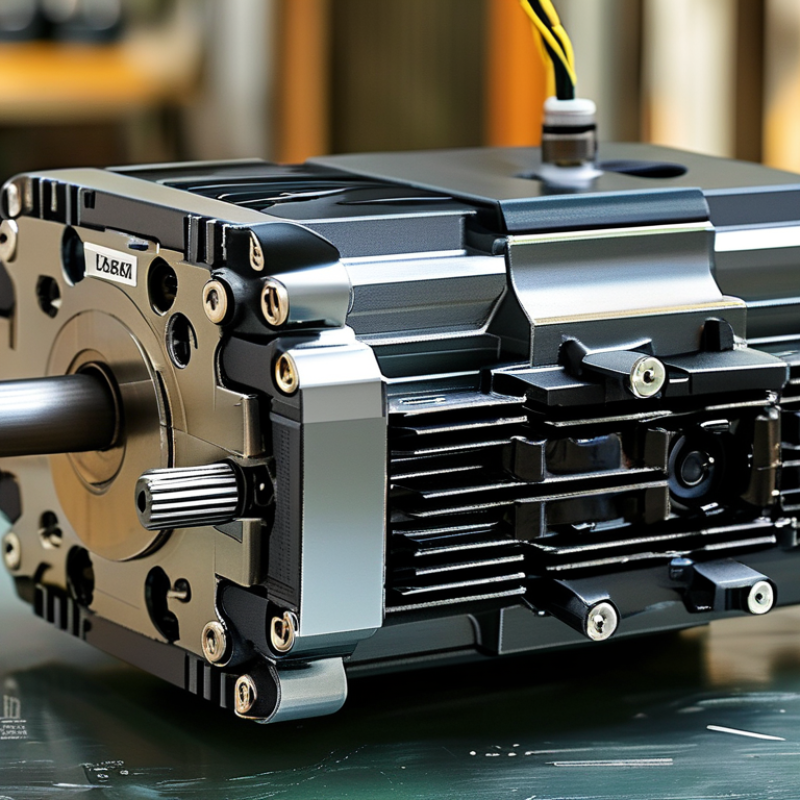
Best Servo Motor for Precision and Performance in 2026?

Overview of Servo Motors and Their Importance in Precision Engineering

Servo motors play a crucial role in precision engineering. They provide accurate control of angular or linear position. This ability makes them essential in robotics, CNC machinery, and automation processes. Precision is critical in these applications. Minor errors can lead to significant problems down the line. Ensuring the right servo motor is selected is vital for operational success.

The performance of a servo motor is determined by its specifications. Torque, speed, and response time are key factors. Higher torque allows for more powerful actions. Faster response times can improve overall system efficiency. However, not all applications require the same specifications. Understanding specific needs can help in selecting the right motor. Overlooking these details may lead to suboptimal performance.

In the quest for perfection, engineers often face challenges. Balancing cost with performance can be tricky. High-performance motors usually come at a premium price. This may cause some projects to exceed their budget. Additionally, integration issues can arise when replacing older systems. It’s essential to evaluate compatibility to avoid future headaches. Adopting a custom solution might be necessary, yet this can introduce complexity. Continuous learning and adaptation are key in this dynamic field.

Best Servo Motor for Precision and Performance in 2026

Model Torque (Nm) Speed (RPM) Precision (Arc Min) Response Time (ms) Feedback Type
Model A 1.5 3000 0.5 5 Absolute Encoder
Model B 2.0 2500 0.4 6 Incremental Encoder
Model C 1.0 4000 0.3 4 Digital Encoder
Model D 2.5 2000 0.6 7 Absolute Encoder

Key Features to Look for in High-Performance Servo Motors

When selecting a high-performance servo motor, focus on precision, speed, and torque. Precision is critical for applications where small adjustments matter. Look for motors with feedback systems, such as encoders. These features enhance motion accuracy, minimizing errors during operation.

Speed is another vital aspect. A servo motor should respond quickly to commands. Consider the motor's response time and maximum rotational speed. A swift motor improves overall efficiency, especially in automation. Torque ratings also matter. They dictate how much force the motor can exert. High torque leads to better handling of heavier loads.

Don’t forget about thermal management. Motors can heat up during extended use. Proper heat dissipation ensures longevity and reliability. Check for design features that support cooling. Finally, assess the motor's compatibility with your existing systems. Integration challenges can lead to inefficiencies. Always test components for harmony. Performance might vary, so adjustments may be necessary. Consider these factors for a well-rounded selection.

Top Brands and Models for Precision Servo Motors in 2026

When it comes to selecting servo motors for precision tasks in 2026, several industry trends emerge. Reports suggest that the global servo motor market is projected to grow by 6.5% annually, reaching an estimated value of $6 billion by 2026. This growth underscores the increasing demand for high-performance motors across various sectors like robotics, automation, and CNC machinery.

Leading models focus on advanced feedback mechanisms, enabling more accurate positioning. High-resolution encoders have become a common feature, improving torque control and speed regulation. The latest servo motors are now capable of maintaining precision in environments that vary in temperature and humidity, but challenges still persist. Sometimes, even the top models struggle with consistent ethical performance in extreme conditions.

User reviews highlight the importance of real-world performance metrics. Reliability statistics show a 15% failure rate for specific models under prolonged use. This inconsistency prompts professionals to scrutinize their choices carefully. Selecting a model with durable construction and robust support services is vital in minimizing downtimes. As innovation continues, manufacturers must address these areas of concern to enhance trust and performance further.

Application Areas and Industries Benefiting from Advanced Servo Technologies

Servo motors are crucial in various industries, offering enhanced precision and performance. These technologies have become a backbone for automation in manufacturing, robotics, and aerospace sectors. A recent market report indicates that the global servo motor market is projected to reach $10.68 billion by 2026, growing at a compound annual growth rate (CAGR) of 5.25%. This growth is driven by the increasing demand for automation and high-performance machinery.

In manufacturing, industries use servo motors for processes that require high accuracy. For instance, in CNC machining, precision is key. Servo motors enable quick and accurate positioning of tools. In robotics, they allow for smooth joint movements and precise control. According to industry studies, nearly 40% of manufacturers report improved operational efficiency by implementing advanced servo technologies. However, reliance on these motors can lead to challenges. There is a need for skilled professionals to maintain and optimize these systems. Without proper training, performance can suffer.

The aerospace industry also benefits immensely from advanced servo technologies. Modern aircraft use servo motors in flight control systems, enhancing safety and responsiveness. Research highlights that effective control systems improve overall aircraft performance, leading to reduced operational costs. Still, over-reliance on automation could pose risks. Human oversight is essential to manage potential system failures and ensure safety. Balancing automation with human expertise remains a critical area for reflection in these technological advancements.

Best Servo Motor for Precision and Performance in 2026

Future Trends in Servo Motor Technology and Innovation for Enhanced Performance

The future of servo motor technology is rapidly evolving. Innovations are emerging, enhancing precision and performance significantly. New designs focus on improved energy efficiency, which is essential for sustainable operations. Engineers are developing smaller, lighter motors without sacrificing torque or speed. These advancements hold promise for various industries, from robotics to automation.

Moreover, incorporating advanced materials is a game changer. Carbon fiber and high-density composites are becoming popular choices. They offer strength and durability while reducing weight. This shift allows for faster and more responsive systems. However, the transition to these materials raises questions about long-term reliability and cost-effectiveness.

Digital control technologies are also shaping the future. Smart servo motors equipped with sensors provide real-time data, which offers better feedback mechanisms for precise control. Yet, the growing complexity of these systems may require specialized knowledge. Organizations must invest in training to maximize their potential. Balancing innovation with practical application remains a challenge for many manufacturers.

FAQS

: What is the projected growth rate for the servo motor market by 2026?

: The servo motor market is expected to grow by 6.5% annually, reaching around $6 billion by 2026.

Why are high-resolution encoders important in servo motors?

High-resolution encoders improve torque control and speed regulation, crucial for accurate positioning tasks.

What challenges do top servo motor models face?

Even advanced models can struggle with consistent performance in extreme temperature and humidity conditions.

How do user reviews influence servo motor selection?

User reviews reveal a 15% failure rate for some models, urging professionals to scrutinize their choices closely.

What industries benefit most from servo motor technologies?

Manufacturing, robotics, and aerospace industries rely heavily on servo motors for enhanced precision and performance.

What must organizations consider when implementing servo motors?

Organizations need skilled professionals for maintenance and optimization, ensuring systems perform at their best.

What materials are emerging in future servo motor designs?

Advanced materials like carbon fiber and high-density composites offer strength and durability while being lightweight.

How do digital control technologies impact servo motors?

Smart motors with sensors provide real-time data, improving control but requiring specialized knowledge for effective use.

What reflection is necessary regarding automation in industries?

Balancing automation with human expertise is critical to mitigate risks associated with over-reliance on technology.

What is a challenge faced by manufacturers with new servo technologies?

Manufacturers must manage the complexity of innovative systems while ensuring practical application remains effective.

Conclusion

The 2026 landscape of servo motors highlights their critical role in precision engineering, underscoring their importance across various applications. This article delves into the essential features that define high-performance servo motors, such as accuracy, response time, and reliability. It also explores the diverse industries that benefit from advanced servo technologies, including robotics, aerospace, and manufacturing.

Looking ahead, the future trends in servo motor technology promise innovations aimed at enhancing performance and efficiency. As industries continue to demand greater precision and agility, servo motors will evolve to meet these challenges, incorporating advanced algorithms and smart connectivity to improve their functionality and adaptability in complex environments.

Sienna

Sienna

Sienna is a skilled marketing professional with a deep expertise in our company’s core products and services. With a passion for innovation and detail, she plays a pivotal role in crafting insightful blog posts that not only highlight the unique features of our offerings but also provide valuable......