Top 10 Benefits of Variable Speed Motors for Global Buyers?

Time:2026-09-02 Author:Mason
0%

The world of industrial automation is increasingly turning to Variable Speed Motors, driven by the need for efficiency and customization. Smith Thompson, a leading expert in motor technology, states, “Variable speed motors enable industries to optimize their operations, enhancing productivity and energy savings.” His insight reflects a significant evolution in motor technology.

Variable Speed Motors offer numerous advantages, which become essential for global buyers. They reduce energy consumption, adapt to varying load conditions, and minimize operating costs. These motors can be tailored to specific applications, allowing for precision control in processes. However, some industries still hesitate to adopt this technology due to initial costs and complexity.

Exploring the benefits reveals a clear trend toward sustainability and cost-effectiveness. Many businesses that embrace Variable Speed Motors report improved operational flexibility. Yet, understanding their full potential requires not just knowledge, but also a willingness to adapt. This makes the conversation around Variable Speed Motors vital for any forward-thinking enterprise.
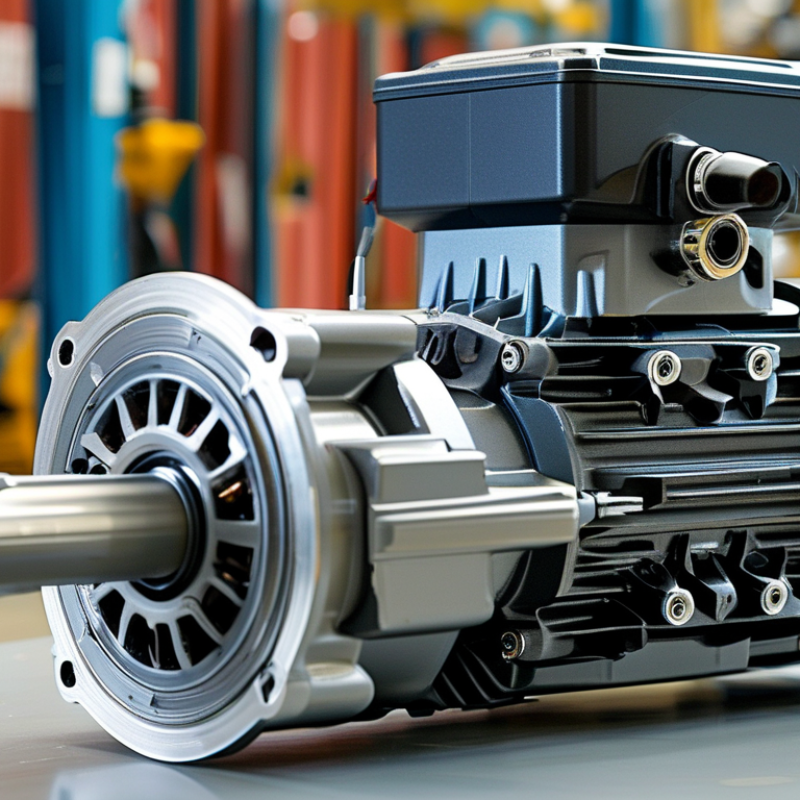
Top 10 Benefits of Variable Speed Motors for Global Buyers?

Overview of Variable Speed Motors and Their Applications

Variable speed motors are designed to control the speed and torque of electric motors with high precision. They play a crucial role in various industries, such as HVAC, manufacturing, and water treatment. By adjusting motor speed, these systems optimize energy usage and enhance operational efficiency. For example, in an HVAC system, a variable speed motor can automatically adjust to meet the precise cooling or heating requirements of a building. This not only conserves energy but also improves comfort levels.

In manufacturing, these motors enable machinery to perform tasks more effectively. They allow for smoother acceleration and deceleration, reducing wear and tear on equipment. This flexibility leads to increased productivity and lower maintenance costs. However, implementing variable speed motors requires careful planning. Not all systems may benefit immediately, and assessing the initial investment versus long-term savings is crucial.

While the benefits are clear, some users might find the technology complex. Training may be necessary to fully utilize the capabilities of these motors. Understanding the specific applications is vital to ensure successful integration. Users should continually evaluate their systems to avoid limitations and inefficiencies. Embracing variable speed motors can ultimately transform operations and propel businesses forward, but only with thoughtful implementation and ongoing assessment.

Energy Efficiency Advantages of Variable Speed Motors

Variable speed motors offer significant energy efficiency advantages. They adjust their speed according to load requirements. This leads to lower energy consumption compared to fixed-speed motors. In industries, running machinery at the optimal speed can reduce energy waste. For example, a pump can operate at varying speeds, ensuring it uses just enough power to meet demand. This capability can translate to substantial cost savings over time.

Another benefit is the reduction in wear and tear on equipment. By avoiding constant starts and stops, variable speed motors extend the lifespan of the machinery. Operators often notice decreased maintenance costs. However, these systems can be complex, leading to some operational challenges. Training staff to manage variable speeds requires time and resources. It's essential for businesses to weigh these factors when considering the transition.

Efficiency isn't solely about immediate cost savings. It also includes the potential environmental benefits. Lower energy consumption reduces carbon footprints. As companies strive for sustainability, this aspect becomes crucial. Ensuring that motors are well maintained is vital to maximizing these benefits. Addressing inefficiencies in operation can further enhance performance and sustainability.

Cost Savings and Return on Investment for Buyers

Variable speed motors are gaining traction in various industries, particularly when considering cost savings and return on investment. According to a report by the U.S. Department of Energy, using variable speed drives can lead to energy savings of 20-50% in motor-driven systems. This reduction not only decreases energy bills but also extends the lifespan of equipment, resulting in fewer replacements and maintenance costs.

Furthermore, a study by McKinsey suggests that the initial investment in variable speed technology can pay off in as little as two years. Many manufacturing facilities report a return on investment of 30% or more by integrating these systems. This is particularly relevant in industries like HVAC and water management, where energy consumption is significant. The ability to adjust motor speed according to demand also reduces wear and tear, allowing for more efficient operations.

However, it's essential to recognize that implementing variable speed motors requires a thoughtful approach. While initial costs may deter some buyers, the long-term financial benefits can be substantial. It’s crucial to assess the specific needs of your application to ensure optimal performance. Balancing upfront investment with potential savings is key to maximizing return on investment.

Top 10 Benefits of Variable Speed Motors for Global Buyers

Improved Control and Performance in Various Industries

Variable speed motors have revolutionized the way industries operate. They provide enhanced control, allowing for more precise adjustments to speed and torque. This adaptability is crucial in applications like manufacturing, where different processes demand unique operational settings. For instance, in a production line, these motors can slow down for intricate tasks and speed up for simpler operations, minimizing energy consumption.

Moreover, the performance benefits are evident across various sectors. In HVAC systems, variable speed motors optimize air flow and temperature control. This leads to significant energy savings and improved comfort. Similarly, in agriculture, they enable effective irrigation through precise pump control, ensuring water efficiency. The ability to program these motors offers flexibility. However, the initial investment can be a barrier, and not all facilities are equipped for such upgrades. This reality requires careful consideration of long-term gains versus upfront costs.

Environmental Impact and Sustainability of Using Variable Speed Motors

Variable speed motors have gained recognition for their role in enhancing sustainability. They adjust motor speed according to the demand, leading to significant energy savings. According to a report by the U.S. Department of Energy, industrial facilities can reduce energy consumption by up to 50% when utilizing variable speed technologies. This reduction not only lowers operational costs but also minimizes the overall environmental footprint.

Moreover, the adoption of variable speed motors contributes to a decrease in greenhouse gas emissions. A study by the International Energy Agency suggests that implementing these motors in various applications can lead to annual CO2 emissions reductions of nearly 500 million tons globally. Such figures underline the potential for variable speed motors to support global climate goals. However, it is essential to recognize that while the initial investment may pose a challenge, the long-term savings and ecological gains are worth considering.

Despite these benefits, the transition to variable speed motors is not without obstacles. Industries may face issues during implementation, such as the need for staff training and system integration. Addressing these inefficiencies is crucial. Awareness and education can enhance adoption rates, making a more sustainable future attainable. Continuous improvement and adaptation are vital to maximize the advantages offered by this technology.

FAQS

: What are variable speed motors?

: Variable speed motors control motor speed and torque with precision. They optimize energy usage and enhance efficiency.

How do these motors benefit HVAC systems?

They adjust automatically to meet cooling or heating needs, conserving energy and improving comfort levels in buildings.

Can variable speed motors improve manufacturing productivity?

Yes, they enable smoother operation, which reduces wear on equipment and lowers maintenance costs, increasing productivity.

What challenges arise when implementing variable speed motors?

The initial investment can be significant, and careful planning is necessary to assess potential long-term savings.

Is training necessary for users of variable speed motors?

Yes, understanding their capabilities and applications is vital for effective use, often requiring user training.

What impact do variable speed motors have on energy consumption?

They can reduce energy consumption by up to 50%, helping to lower operational costs and environmental footprints.

How do these motors contribute to sustainability?

They lead to significant reductions in greenhouse gas emissions, supporting global climate goals through energy savings.

Are there barriers to adopting variable speed motors?

Yes, challenges include staff training and system integration, which must be addressed for successful implementation.

How can businesses ensure optimal use of variable speed motors?

Continuous evaluation and adjustments are vital to avoid limitations and inefficiencies in their systems.

What should businesses reflect on before adopting this technology?

They should weigh the initial investments against long-term savings and be prepared for potential challenges in integration.

Conclusion

Variable Speed Motors (VSMs) are revolutionizing the way various industries operate by offering enhanced efficiency and flexibility. These motors adapt their speed to match specific load requirements, leading to significant energy savings and improved operational performance. The applications of VSMs are extensive, ranging from manufacturing to HVAC systems, where they optimize energy consumption and reduce wear and tear on machinery.

In addition to energy efficiency, Variable Speed Motors deliver substantial cost savings over time, making them a wise investment for global buyers. Their capability to provide precise control and performance translates into better productivity and lower operational costs. Furthermore, VSMs contribute positively to environmental sustainability by minimizing energy waste and lowering carbon emissions, supporting industries in their efforts to achieve greener practices. Overall, the adoption of Variable Speed Motors emerges as a strategic choice for businesses looking to enhance their efficiency and environmental responsibility.

Mason

Mason

Mason is a seasoned marketing professional with a deep expertise in the company's offerings and a passion for driving brand awareness. With a strong background in digital marketing strategies, he has an innate ability to connect with diverse audiences and effectively communicate product benefits.......